
Lodge-based wildlife journey
Best when wildlife, expert naturalist guiding and a fixed rainforest base are the priority.
- Compare full activity days
- Structured daily excursions
- Comfort varies significantly by lodge
Ecuadorian Amazon
Choose between blackwater lagoons, deep-rainforest lodges and road-accessible jungle gateways—with honest guidance on travel time, comfort, wildlife expectations and total trip fit.
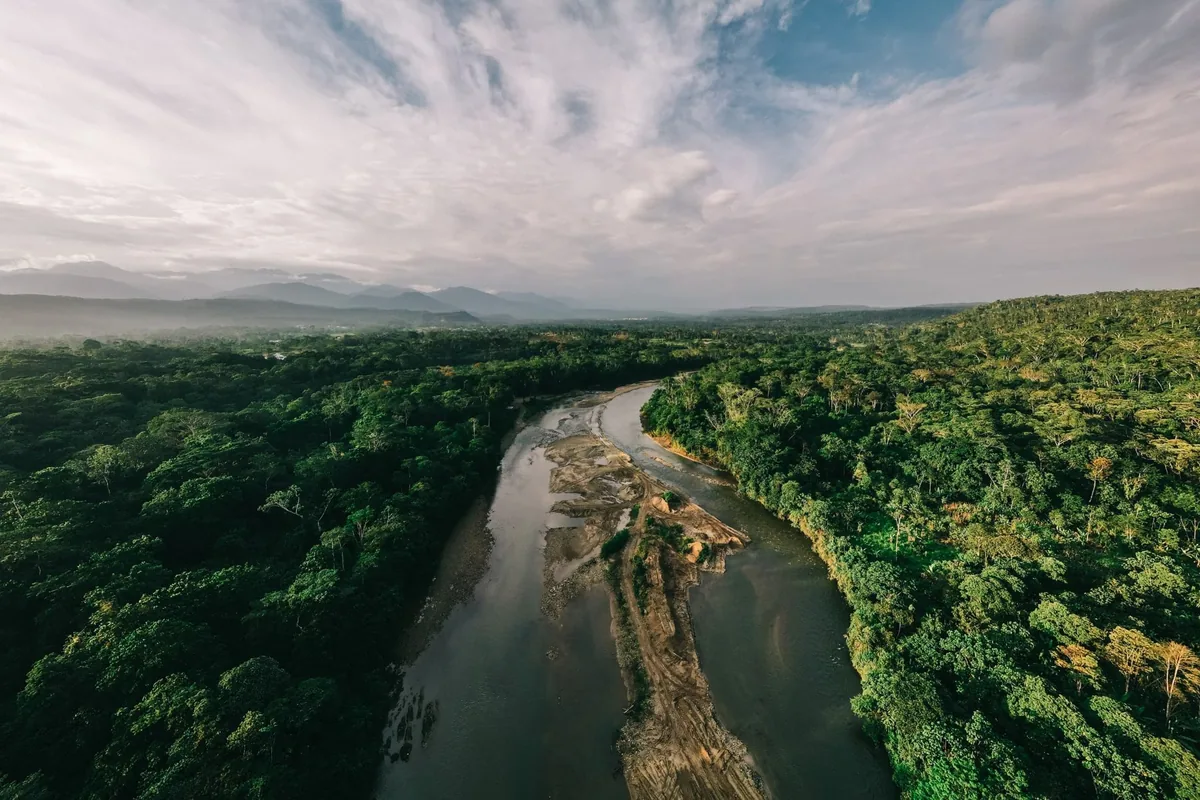
Cuyabeno is a strong fit for canoe-based wildlife and lagoon landscapes. Yasuní and the Napo corridor favor deeper lodge experiences and forest and river habitats. Tena and Misahuallí offer more flexible road access, cultural activities and shorter stays. Puyo works best as a gateway to the central Amazon and community-based experiences.
Choose a base
Compare destination fit first; lodge and itinerary details come after you choose the right region.
Deep rainforest, established lodges, river access and a biodiversity-first experience.
Explore YasuníFlooded forest, lagoons and wildlife observation centered around small boats.
Explore CuyabenoConvenient road access, active excursions and a broad mix of trip lengths.
Explore TenaA compact river gateway for short stays, local outings and nearby lodges.
Explore MisahuallíCentral Amazon access, community tourism and overland itinerary connections.
Explore PuyoOnce the region fits, compare the accommodation, guiding and complete transfer plan for your stay.
Explore the lodge guideTrip styles
The right destination depends on what you want to do, how much time you have and how remote you want to feel.
Best when wildlife, expert naturalist guiding and a fixed rainforest base are the priority.
Best for travelers adding rainforest time to an Andes or Galápagos itinerary.
Best for birding, photography, families or travelers needing a slower pace.
Best for travelers who want community visits, paddling, walks or rafting alongside nature.
Lodges
A lodge decision includes transfer time, guide structure, excursion group size, meals, equipment and what is excluded.
Map every road, flight and river segment from Quito to the lodge.
Check whether naturalist and local guides are shared, private or language-specific.
Compare transfers, park or community fees, beverages and optional activities.
Wildlife expectations
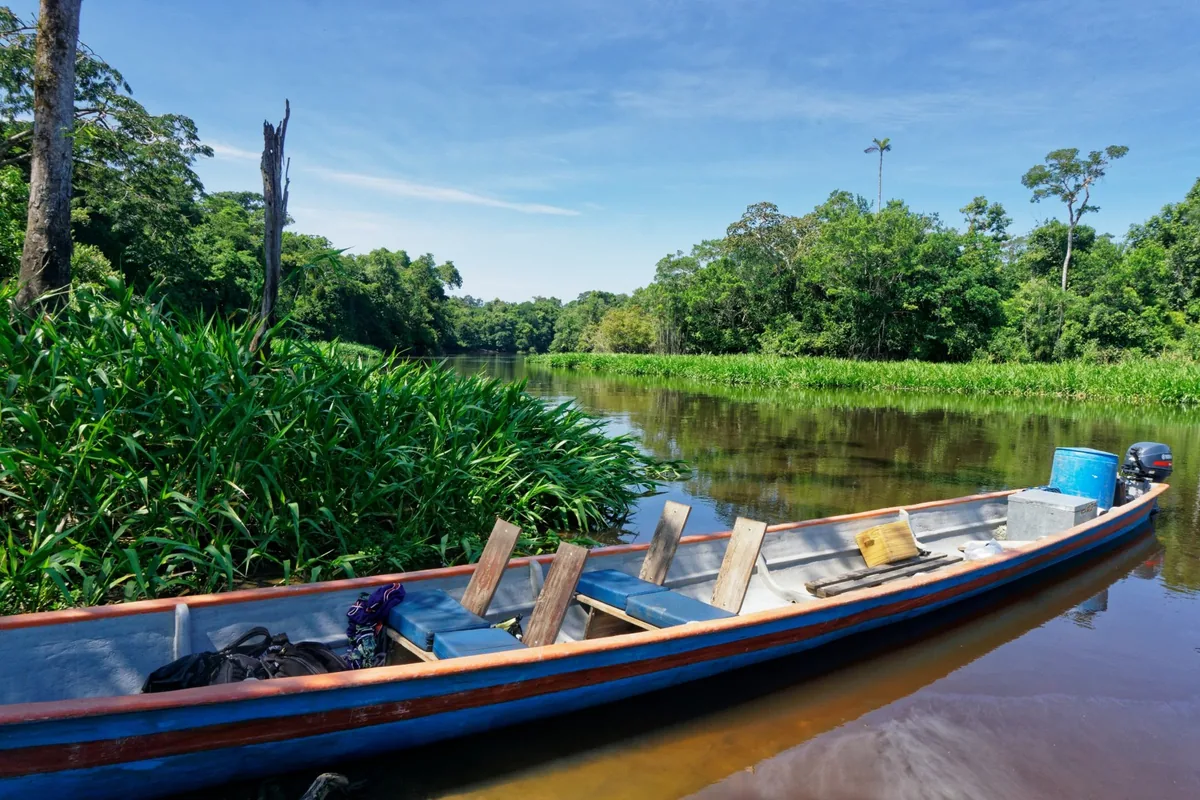
Good guides improve your chances, but no ethical trip can guarantee a particular wild animal.
Planning sequence
Start with destination fit, then verify logistics, operator terms and a realistic buffer.
Match remoteness, wildlife priorities, comfort and budget.
Count transfer days separately and avoid overloading arrival or departure days.
Confirm availability, current inclusions, cancellation rules and who operates the trip.
Practical decisions
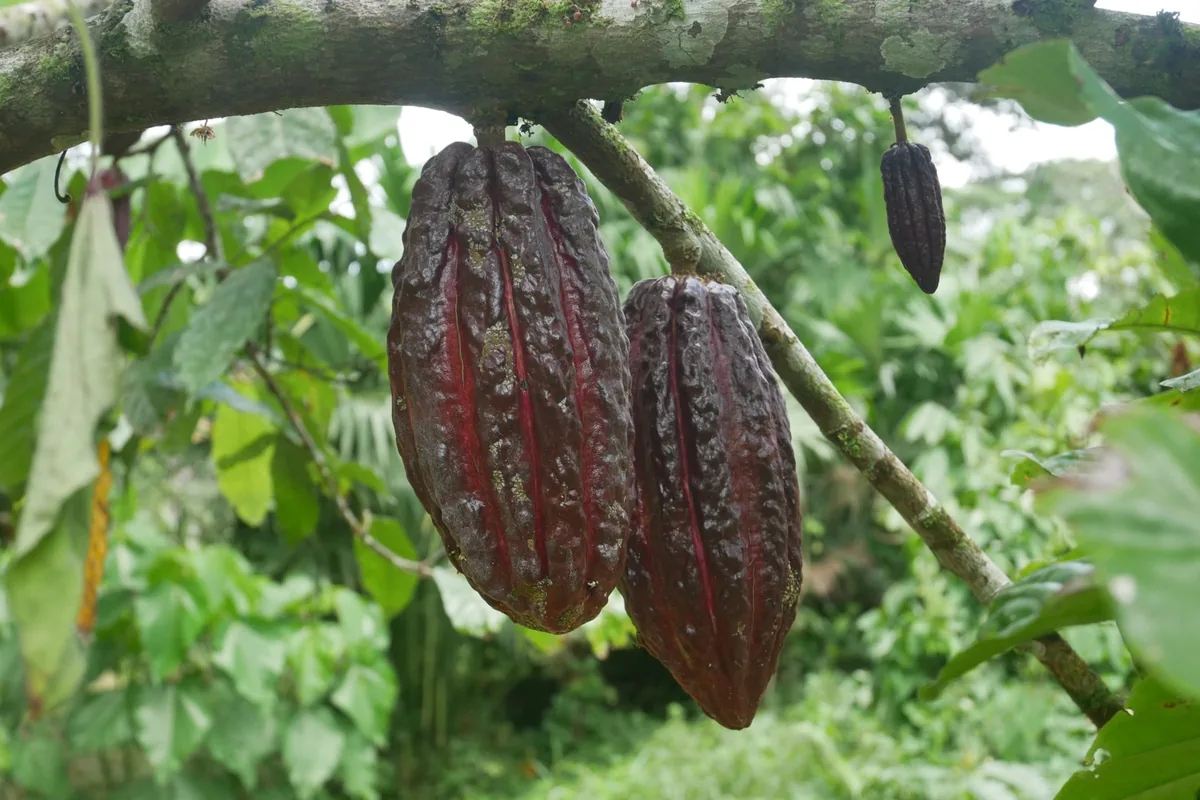
Start with the experience you want, then compare the journey it requires. Cuyabeno's canoe outings, the Yasuní/Napo lodge corridor and the road-access bases around Tena, Misahuallí and Puyo offer different ways to organize time in Ecuador's Amazon.
Two bookings with the same number of nights can leave very different amounts of time for exploring. Write down arrival and departure plans first, then identify full activity days. Use the duration suggestions as comparisons rather than fixed packages.
A good itinerary makes room for the people traveling together. Discuss walking demands, early starts and downtime before choosing an activity program. A private arrangement may offer different flexibility, but confirm what can change rather than assuming everything is customizable.
A hosted visit is a chance to learn on the host's terms. Look for clear information about who receives visitors, what is offered and how payment benefits them. Avoid treating homes, ceremonies or community spaces as automatic stops on a tour.
Rain, river levels and trail conditions may affect a chosen outing. Ask about the route you actually booked, rather than relying on a general description of the season. A useful plan includes alternatives and clear terms if an activity changes.
A focused inquiry makes it easier to compare realistic options. Share dates, group size, interests and the amount of time available, then ask for a clear itinerary. Include the constraints that would change your choice of base or guiding arrangement.
FAQs
Start with the experience and the time available. Compare Cuyabeno for canoe-based outings, the Yasuní/Napo corridor for a lodge-focused journey, and Tena, Misahuallí or Puyo for a road-access base. Confirm the exact itinerary before choosing.
A short visit can focus on one clear priority when transfers leave useful activity time. Count arrival and departure separately from full days outdoors. Extra nights only help when they add experiences or flexibility you value.
Ask about conditions for your chosen route and activities rather than expecting one season to suit every trip. Rain, river levels and trail conditions can affect plans. Confirm alternatives and change terms with your provider.
No particular wild animal is guaranteed. Habitat, time observing and chance shape what you see. Choose a guide and itinerary that value observation without feeding, handling or disturbing wildlife.
Do not assume that. The Napo corridor and the national park are different geographic descriptions. Ask for the property location and the actual places visited before interpreting a regional name as evidence of park access.
Ask who receives visitors, whether the visit is agreed, what is offered and how payment benefits the hosts. Confirm photography expectations. A nearby community is not automatically open to tours or private access.
Experience the Amazon with confidence
Tell us your dates, group, comfort level and wildlife priorities. We will help identify the right destination and next questions.
Reviewed October 5, 2026. Regional facts draw on the destination sources below. Comparison questions and duration suggestions are editorial planning guidance; verify current facilities, availability and terms with the provider. Photos show documented regional settings, not endorsements of bookable properties.
Compare the complete journey and pickup arrangements.
Explore the guide →Count nights and the actual activity hours.
Explore the guide →Choose what a second main activity day adds.
Explore the guide →Compare depth, flexibility and a longer rhythm.
Explore the guide →Define guides, activities and transfers service by service.
Explore the guide →Compare your group’s needs with provider-specific arrangements.
Explore the guide →Compare guiding, habitats and observation time.
Explore the guide →Choose the setting, pace and respectful observation you want.
Explore the guide →Compare boats, guiding, boarding and the actual route.
Explore the guide →Combine climate context with recent local information.
Explore the guide →Connect your gateway, meeting point and final transfer.
Explore the guide →Start with the essentials and confirm supplied equipment.
Explore the guide →Review current advice and the actual itinerary.
Explore the guide →Compare the setting, program and complete journey.
Explore the guide →Meet regional wildlife examples and plan observation with realistic expectations.
Explore the guide →Discover bird life and find an outing that fits your interests and pace.
Explore the guide →Follow a question to the guide that helps answer it.
Read the guide →Compare the setting, program and complete journey.
Read the guide →Find your best Amazon lodge · Compare three, four and five days
Compare the exact base, activities and complete journey in this new article. Read the comparison →