
Forest lodge
A consistent overnight base with guided outings. Compare the actual location, trail options and room arrangements.
BRAZILIAN AMAZON
River horizons, forest stays and time to look closely. Choose the gateway and style of journey that match your interests before building the rest of your Brazilian Amazon trip.
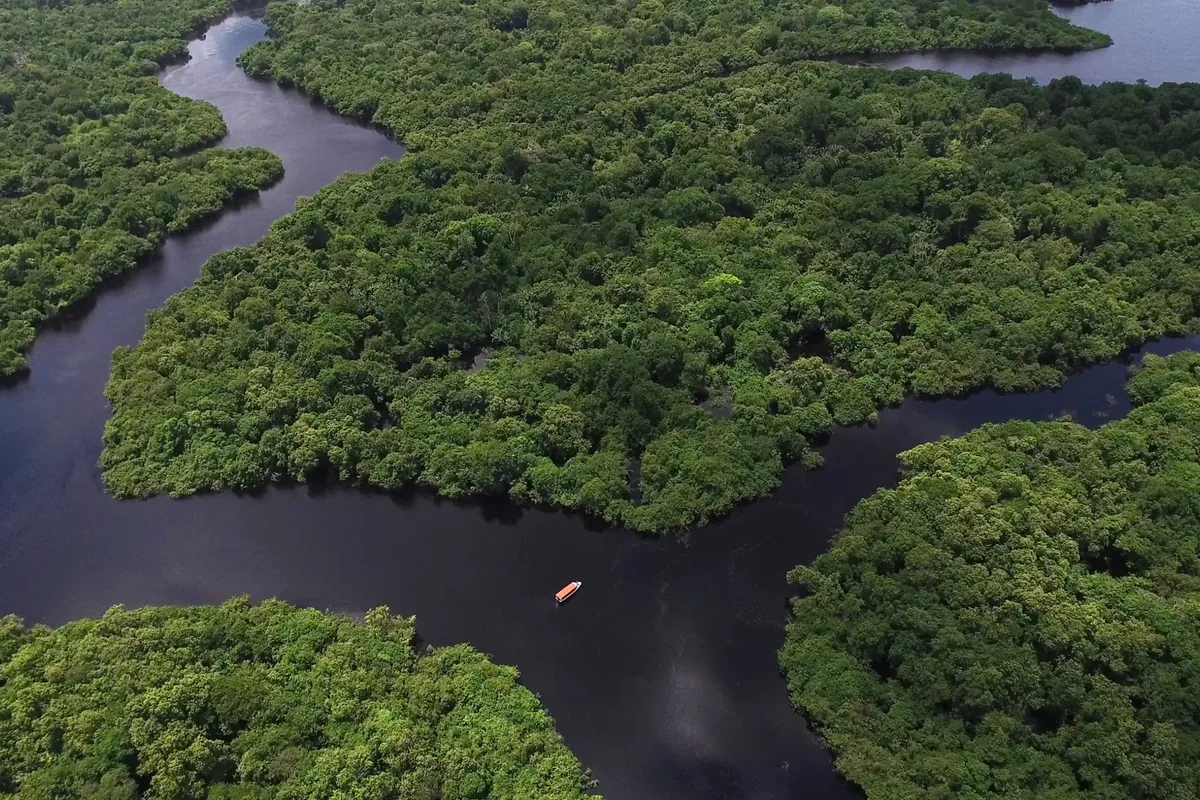
Compare gateways, overnight settings and usable exploration time. A longer route is only better when its connections serve the experience you want.
Choose your base
Make room for the city as well as the forest. Manaus connects an Amazon arrival with cultural landmarks, river outings and the next stage of your journey.
Explore the guideChoose time on the water with a clear purpose. Compare a forest base, a river journey and the Novo Airão area around the experiences that draw you to the Amazon.
Explore the guideGive the archipelago time to unfold. Shape your stay around forest observation, river journeys and a base that makes those experiences practical.
Explore the guideLeave room for the village as well as the river. Balance relaxed time, forest outings and local knowledge in the Tapajós region.
Explore the guideA consistent overnight base with guided outings. Compare the actual location, trail options and room arrangements.
Stay aboard a vessel and explore along its route. Compare excursions, cabins and time spent underway.
Combine a local base with selected excursions. Ask which experiences need longer transfers or an overnight stay.
The Brazilian Amazon is a broad travel decision rather than a single interchangeable destination. Begin with the environment you want to spend time in: forest paths, river landscapes or a river town with outings. This gives your search a practical focus before you compare accommodation photographs or package names.
Choose one main base when your time is limited. Two attractive places can still make an awkward combination if the connection consumes the days you hoped to spend exploring. Ask for an arrival-to-departure outline that shows where you sleep, when you move and which parts of each day are available for activities.
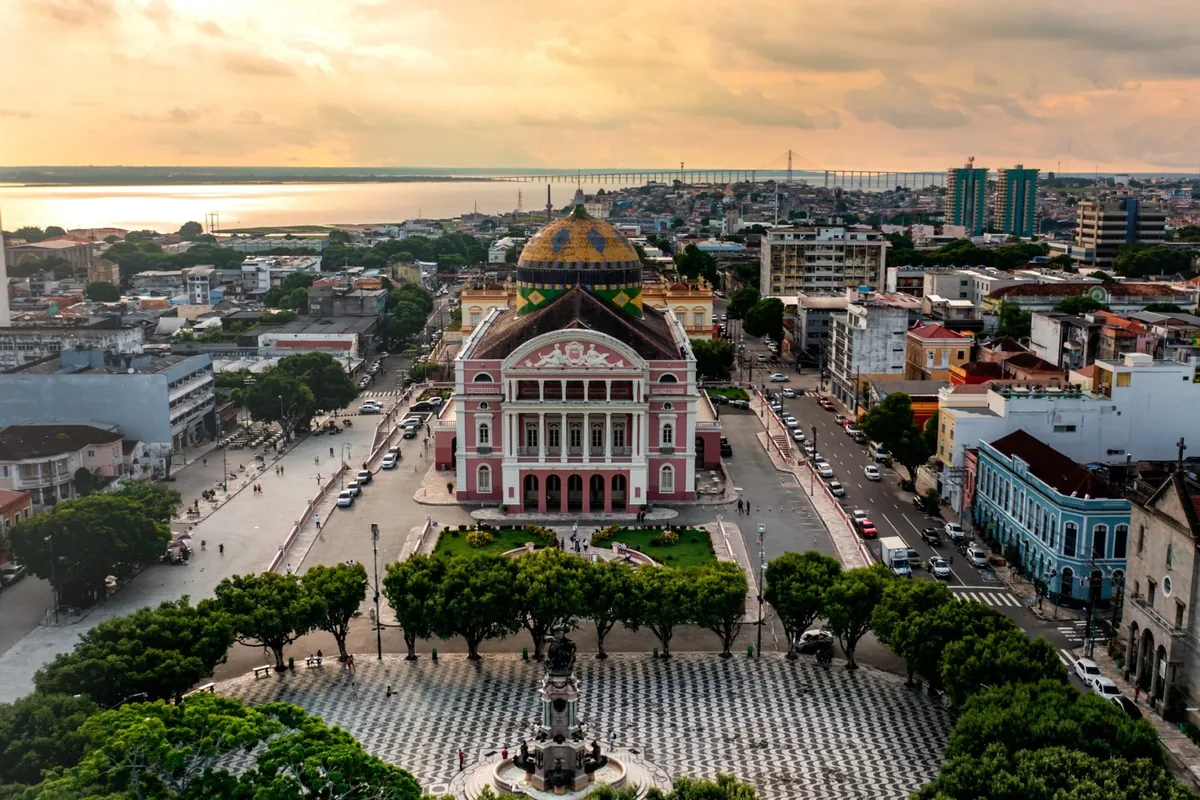
Manaus is the capital of Amazonas state. The Rio Negro and Rio Solimões meet nearby at the Meeting of Waters. Visit Brasil describes forest lodges and river cruises among the surrounding travel options. A city arrival and a forest stay are different parts of the journey; distinguish them in the proposal.
Use the gateway to organize practical questions rather than assuming every stay is close to town. Identify the collection point, river or road transfer and the overnight base. Ask whether the first day includes a meaningful outing or mainly travel. This helps you decide whether an additional arrival night would make your connections more comfortable.
Alter do Chão is near Santarém in Pará, with experiences connected to the Tapajós and Arapiuns rivers. Freshwater beaches are part of its appeal, but their exposure changes with water levels. A beach photograph should prompt a question about your travel dates rather than establish what will be available.
Compare a town-based stay with a route that travels farther along the rivers. Ask which outings return to the same base, which need overnight arrangements and how community hosts participate. Leave room for a slower day rather than treating every available excursion as essential. The right balance depends on whether you prefer a settled base or movement between places.
A lodge stay suits a traveler who wants to unpack once and return to the same overnight base after guided outings. Compare the terrain and activity format, not just the room. Ask how walking, river excursions and quiet observation fit together and whether shorter alternatives are available when your energy changes.
Comfort descriptions need specifics. Confirm bathroom arrangements, mosquito protection, electricity, drinking water, meals and access between rooms and common areas. Describe mobility needs or dietary requirements before booking. A photograph of a polished room cannot explain a steep path, a shared bathroom or the support available during an outing.
Travel aboard a vessel can make the changing river landscape part of the stay. The useful comparison is between time underway and time ashore or in smaller excursion boats. Ask for the proposed route, typical excursion format and the conditions that can require adjustments. Do not choose from the vessel photograph alone.
Compare cabin privacy, bathroom arrangements, cooling, noise and the way passengers join activities. Discuss whether the group follows one schedule or has options at different levels of effort. A quieter trip with fewer moves may fit patient observation better than a busy itinerary; the number of stops is not a reliable measure of value.
Describe the experience you want rather than requesting a guaranteed animal list. Birdwatching, photography and general natural-history outings can require different paces and group arrangements. Ask whether the guide can support your interests and how the day allows enough time to stop, listen and look without rushing the whole group.
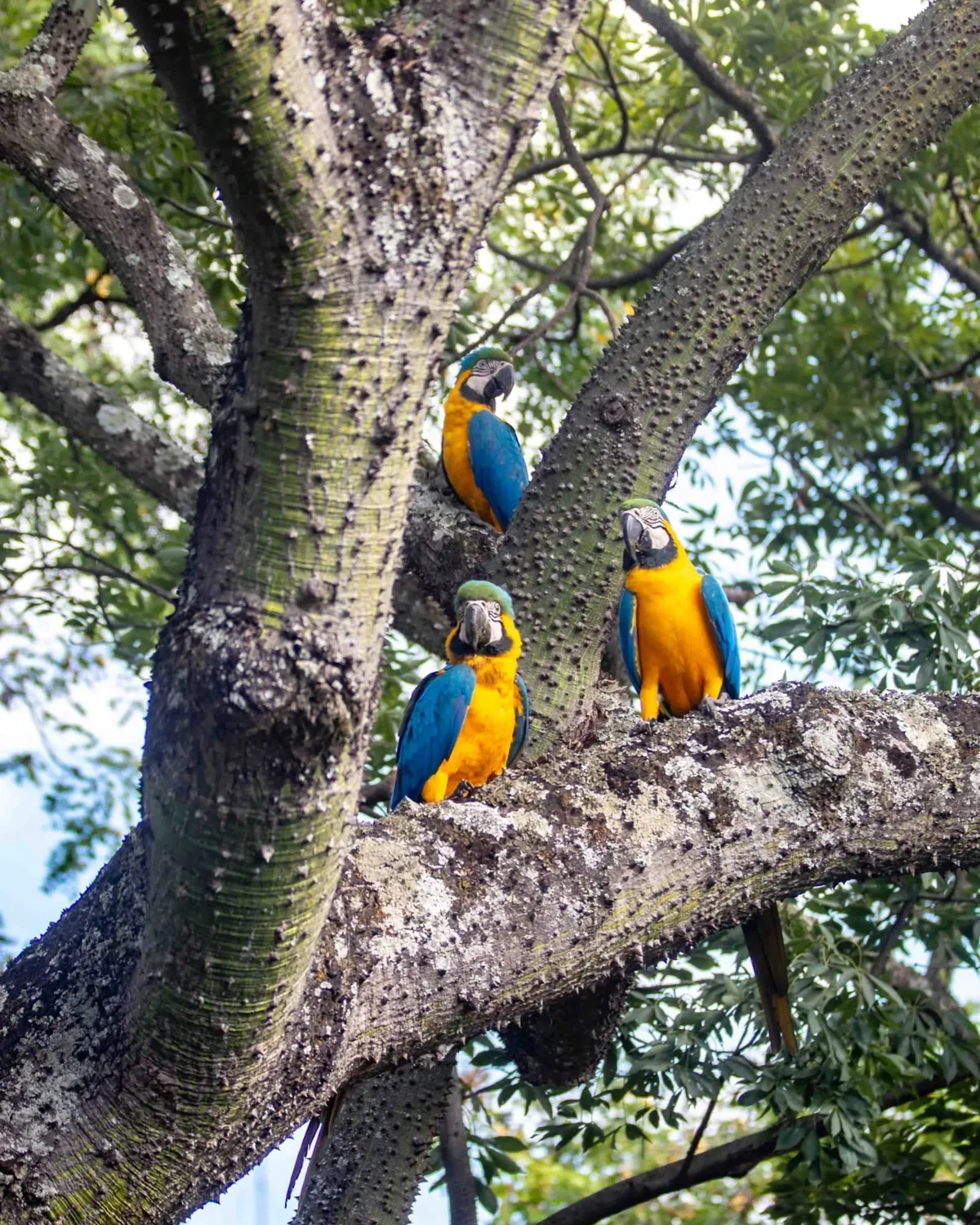
Wildlife remains unpredictable. Favor observation without feeding, handling or arranging animals for photographs. If a particular sighting matters greatly, discuss realistic possibilities and the alternatives that make the outing worthwhile on a quieter day. Enjoying the forest should not depend on one encounter happening exactly as imagined.
Community-hosted experiences should explain who welcomes visitors, what is offered and how participation benefits the hosts. Ask about the arrangements before treating a cultural visit as a routine inclusion. People should be able to decide what they share and whether photography is appropriate.
Approach a visit as an exchange rather than a performance. Follow the host guidance on photographs, purchases and access to places. If the proposal uses broad cultural language without identifying the host arrangements, request clarification. These questions help distinguish a thoughtful visit from a stop added only to make the itinerary appear more varied.
Request separate explanations of accommodation, meals, guiding, transfers and any additional activity charges. Check what happens if arrival arrangements change and which payments or cancellation terms apply. Compare the same room or cabin arrangement and group format before judging the headline price.
If you are comparing countries as well as routes, explore the Peruvian Amazon, Ecuadorian Amazon and Bolivian Amazon guides to understand other settings. The goal is to choose the experience that fits, not collect country names. Keep your preferred pace and comfort needs consistent across proposals so the comparison remains useful.
List your available dates, travelers, preferred overnight style and two or three interests. Add the comforts that matter most and how much walking you enjoy. You do not need a complete route before starting a conversation, but these details make the first proposal more relevant and easier to assess.
Use the Brazil planning guide to turn those priorities into a practical connection and accommodation checklist. Ask for a focused version of the trip before adding another region. Once the outline works, review the written inclusions, current operating arrangements and alternatives for changing conditions before committing to connected bookings. Compare the Anavilhanas guide for an archipelago-focused stay, or the Alter do Chão guide for a river-and-village option in the Tapajós region. Treat these regions as alternatives with their own connection plans. The Brazil lodge guide helps compare a fixed overnight base, while the Brazil river journey guide explains route choices and life aboard. Assess both formats by exploration time and the daily comfort you need. Use the Brazil timing guide to choose your dates and the Brazil wildlife guide to frame observation expectations. Use the Brazil access guide to coordinate your transfers and the Brazil packing guide to prepare your equipment.
BEYOND THE AMAZON
The Pantanal is a wetland biome distinct from the Amazon rainforest. Compare north and south, seasons and wildlife outings before deciding whether both destinations belong in your trip.
Explore the Pantanal guideManaus and Santarém serve different regional experiences. Choose the setting you want, then confirm the arrival gateway and complete transfer with the provider.
Compare the daily rhythm: a lodge uses an overnight base, while a vessel follows a route. Check activities, rooms or cabins and time spent transferring.
No. Beach exposure around Alter do Chão depends on seasonal water conditions. Confirm the outings available during your actual dates.
This is an editorial planning guide. A specific proposal must confirm current availability, inclusions, costs and operating conditions.
Share your dates, group size and preferred balance of forest, river travel and comfort.
Share your plansEditorial review: October 7, 2026. Regional facts are checked against Visit Brasil. Route comparisons and planning questions are editorial guidance, not confirmed packages. The licensed stock photographs illustrate Amazon environments and do not establish a Brazilian capture location, booked property or guaranteed sighting.