Experience
The Amazon
Ecuador›How to Get to the Ecuador Amazon

Ecuador trip guide

Plan the journey all the way to your forest base

Choose the destination first. Connect the regional gateway, meeting point and final transfer before booking your arrival or onward travel.

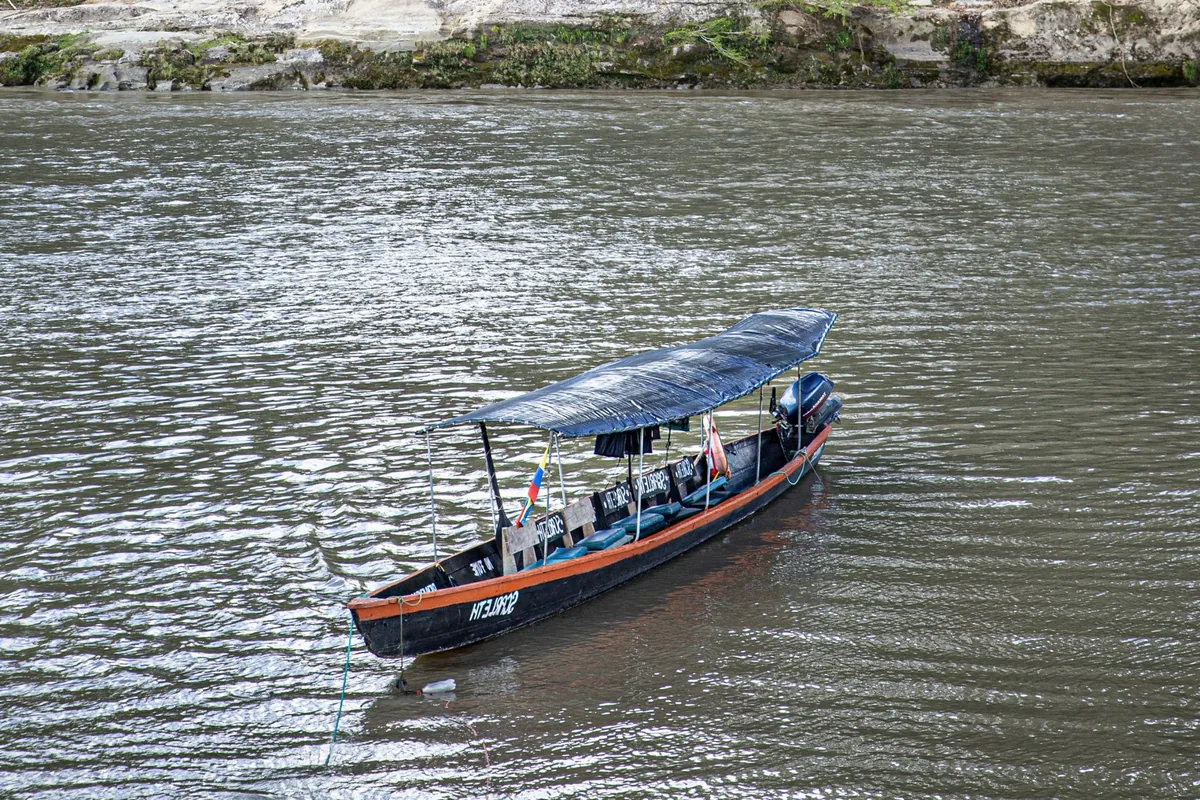
Boats riverbank
Boats riverbank
Destination firstName the exact property
Gateway and meeting pointKeep them separate
Road and water legsConfirm every segment
Onward travelCheck the return plan
Quick answer

Four starting points to compare

The Ecuadorian Amazon is a region, not a single arrival point. Start with your exact property and its confirmed transfer arrangements. Lago Agrio is a gateway for Cuyabeno; El Coca is a gateway to Yasuní; Tena connects the Andean and Amazon regions. Reaching a town is not the same as reaching a forest property. Request every road or water segment and the meeting instructions in writing.

Review current travel advice before choosing gateways and transfers →

Lago Agrio to Cuyabeno

Ecuador’s tourism ministry describes access from Lago Agrio by road toward the Cuyabeno River. Use that regional orientation to ask the provider for the exact meeting point, road segment and onward water transfer to your base. Confirm the route and departure arrangements for your own booking; this is not a transport timetable.

Read the regional guide →

El Coca for Yasuní and the Napo corridor

The tourism ministry identifies El Coca as an entrance to Yasuní. Locate the actual property and ask which road or river legs connect it with the meeting point. A lodge in the wider corridor is not automatically inside the national park. Confirm the full access and return plan rather than assume one route fits every property.

Read the regional guide →

Tena and Misahuallí

Tena’s municipality describes connections with Quito and Ambato and includes Puerto Misahuallí among the canton’s parishes. Distinguish reaching Tena from reaching your accommodation or outing. Ask for the departure point, local transfer and final leg to the property, especially where your stay is outside town.

Read the regional guide →

Puyo and Pastaza

Name the property or activity location before planning the final approach. A town-based stay and a journey farther into Pastaza can require different arrangements. Ask the provider to identify the gateway, meeting point and every road or water leg that belongs to the actual program, without assuming a flight or boat service.

Read the regional guide →

Practical decisions

Six checks for a clear arrival plan

Build the route around the actual booking, with each connection and responsibility clearly described.

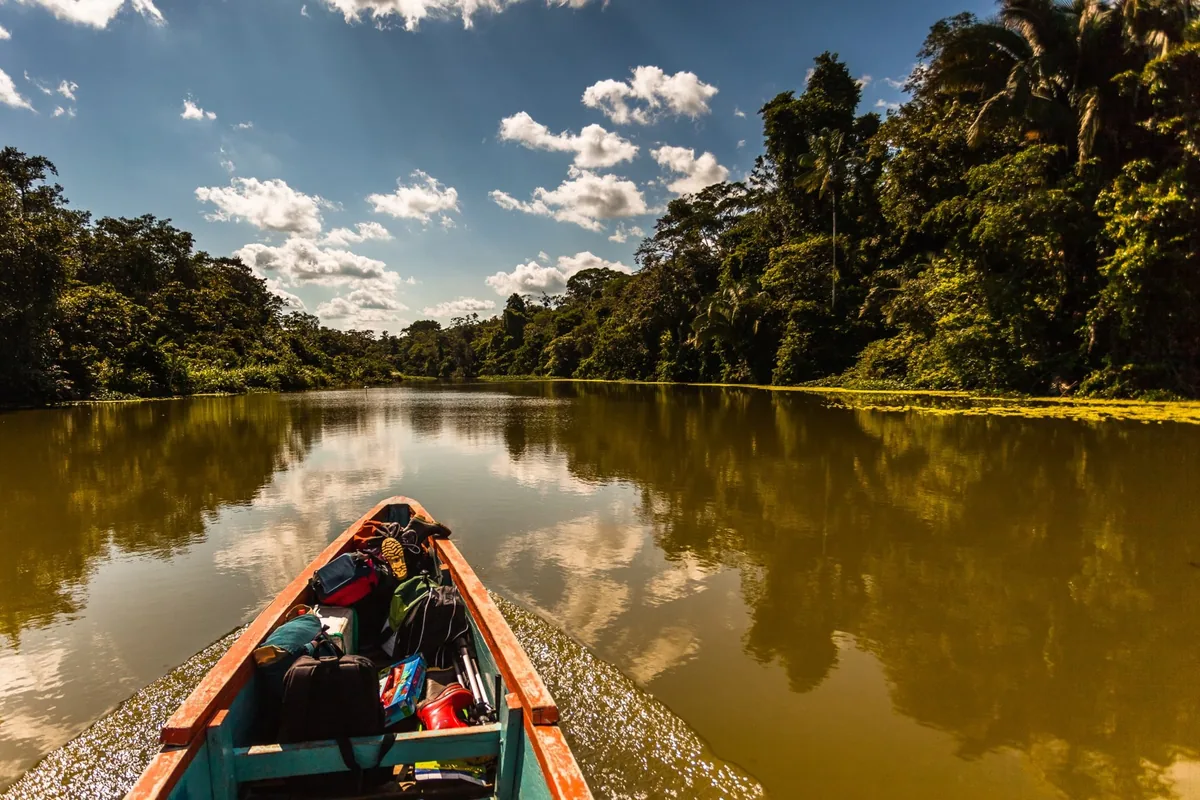
Covered canoe river
Covered canoe river
01

Actual Destination and Arrival Point

Name the exact property and distinguish it from the regional town or airport where you plan to arrive. Ask where the package begins and ends. Keep the meeting point separate from the final destination so you can see which legs still need arranging. A regional gateway is an orientation point, not a confirmation that your transfer starts there.

  • Please confirm the precise location where our party will arrive.
  • Ask the provider to specify the exact meeting point for our group.
  • Request written confirmation of the final destination we will reach.
02

Confirmed Transport Segments

Request the complete sequence of road and water segments, including the provider responsible for each one. Identify any independently booked transport and where the package takes over. Confirm arrangements for the actual dates rather than rely on a route name. A change from a vehicle to a boat can involve another meeting point, baggage handling and instructions.

  • Inquire which specific transport legs are included in this booking.
  • Ask the provider to list every vehicle or boat segment confirmed for us.
  • Request details on any transfers between different modes of travel.
03

Meeting and Boarding Arrangements

Get the meeting location and departure instructions in a form you can keep with the booking. Ask who will meet your group, how you identify the transport and which arrival time has been agreed. Explain any boarding requirements before accepting the plan. The details should describe the proposed arrangement rather than promise that every transfer works the same way.

  • Confirm the agreed arrival and boarding times for the actual departure.
  • Confirm if a guide or representative will be waiting for us upon arrival.
  • Request instructions on how to identify our specific transport group.
Canoe passengers calm river
04

Baggage and Equipment Transfers

Check baggage arrangements for each segment instead of assuming one rule applies to the whole journey. Ask what you carry yourself and what assistance is provided between vehicles, boats and the property. Confirm protection for equipment and any permitted sizes or weights with the relevant provider. If storage is needed, record its location, responsibility and collection arrangements separately.

  • Ask what items we are permitted to bring on each segment of the journey.
  • Confirm if personal gear must be transferred manually or by staff.
  • Request a written list of equipment included and items you bring yourself.
05

Onward Connections

Share the next stage of your journey before booking the return. Ask where the package finishes and how the proposed sequence relates to separately booked services. A return to a regional gateway may leave another leg for you to arrange. Keep timings as provider estimates and confirm what updates you will receive if the plan changes.

  • Ask how we will reach our next destination after this trip concludes.
  • Confirm where the return finishes and how it connects with independently booked transport.
  • Request information on any required steps to continue our journey.
06

Written Inclusions and Change Terms

Match the quoted inclusions with the complete route, meeting points and return arrangements. Clarify optional transport and any extra charges before comparing packages. Ask how changes or missed connections are handled, including who communicates updates. Written terms help you understand responsibilities; they do not turn a schedule estimate into a guarantee of arrival or onward connection.

  • Ask for a written list of everything included in our specific reservation.
  • Confirm the conditions under which we may alter our booking plans.
  • Request details on any fees associated with modifying our arrangements.

Read the journey in segments

Write down your starting point, regional arrival, meeting point, property and return destination. Add who provides each segment and where you make your own arrangements. This makes gaps visible: a package may start at a town or river departure rather than at your hotel in Quito. Ask for expected timings from the provider, then check the implications for independently booked travel without treating estimates as guarantees.

Keep the arrival instructions usable

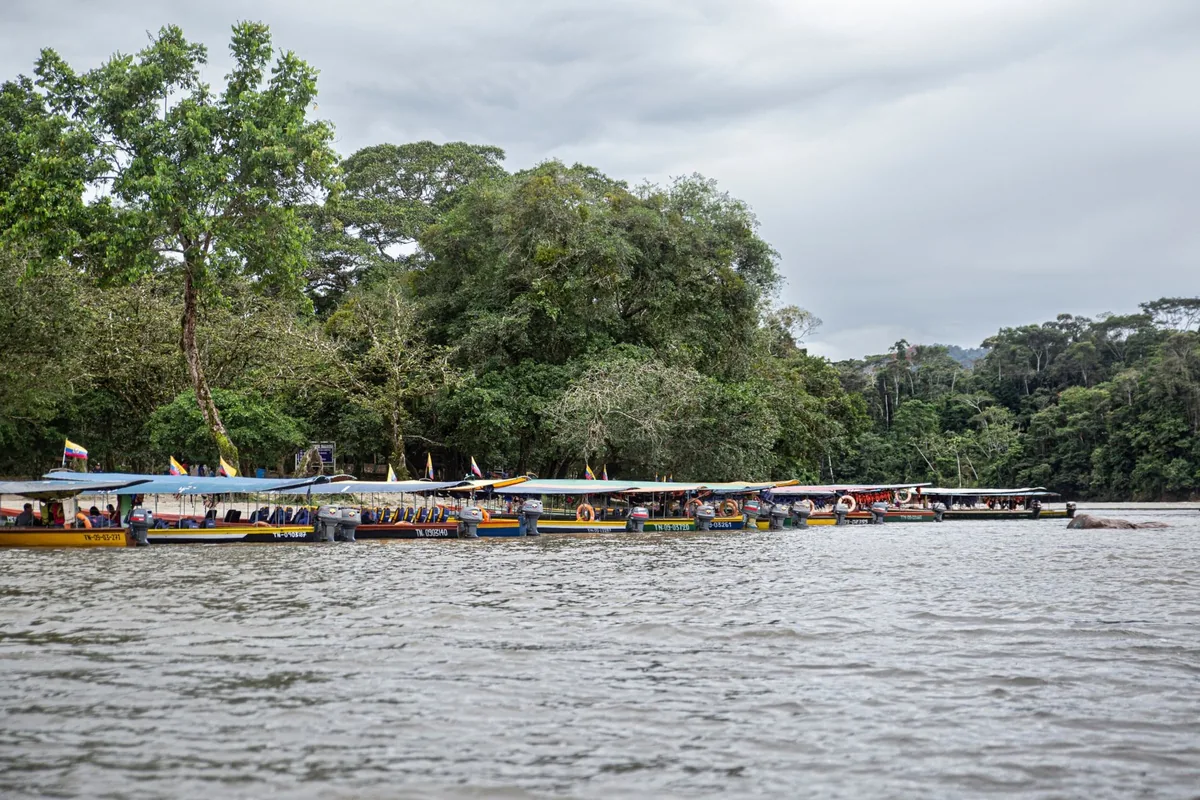
Save the meeting location, contact details, booking reference and the instructions for identifying your transport. Ask how you will receive an update if the plan changes and what to do if you arrive late. Confirm which instructions apply to the actual dates and group. A regional photograph can help you understand the setting, but it does not identify your pickup point or the boat you will use.

Your questions

Before you choose

Which gateway should I choose?

Choose it from the property’s confirmed route, not from an Amazon label alone. Lago Agrio, El Coca and Tena serve different regional journeys. Ask where the package starts, how you reach the base and where it finishes. Compare all segments before committing to a separately booked arrival or onward connection.

Does the tour include pickup from Quito?

Ask where the package begins and which transport legs are included. A tour advertised from Quito and a stay starting at a regional meeting point can have different arrangements. Confirm the exact pickup location, dates and provider responsibility. Do not infer a pickup, flight or road transfer from the title.

Can I use a published travel time to plan connections?

Use it as background, then ask for the timings and meeting requirements of the actual booking. A regional estimate does not confirm an arrival, departure or connection. Check current transport information with the relevant provider and discuss any proposed onward travel before buying separate tickets.

Will I need a river transfer?

That depends on the actual property and route. Request every road and water segment, including how you move between them. Ask about boarding, passenger arrangements and baggage handling. Do not assume that a town-based stay and a more remote forest property use the same access plan.

What happens to my luggage?

Confirm the permitted baggage for each segment and how it moves between vehicles, boats and accommodation. Ask what you carry, what staff handle and what protection is provided. If you need to leave bags behind, confirm storage, collection and responsibility explicitly; this guide does not establish that storage is available.

What should I confirm about the return?

Request the finishing point, expected sequence of transfers and what is included. Share onward plans and ask how changes are communicated. Check separately booked services and their terms as well as the package. The return to a gateway does not automatically include the next stage of your journey.

Your next step

Tell us what your journey needs

Share your dates, group, starting point, interests and onward plans to prepare a focused inquiry.

Access sources

Ecuador Travel: Cuyabeno · Ministerio de Turismo: El Coca · Municipio de Tena

Regional orientation; confirm current transport, meeting points and property transfers with the actual provider.