Ecuador›Best Time to See Wildlife in the Ecuador Amazon
Ecuador trip guide
Choose your time to explore the wild
A monkey in the canopy, birds along the water, a quiet moment with your guide. Plan around habitat, local conditions and time to observe, rather than a promised wildlife calendar.
There is no single month that guarantees the wildlife encounter you want. Begin with dates that work for your journey, then ask the actual provider how conditions affect the proposed habitats and outings. Yasuní climate guidance describes warm, humid conditions and rainfall through the year, with variation between months. That context helps you prepare; it is not a forecast or a timetable for animal sightings. Compare the setting, guiding and time available alongside the date.
Explore the animal guide
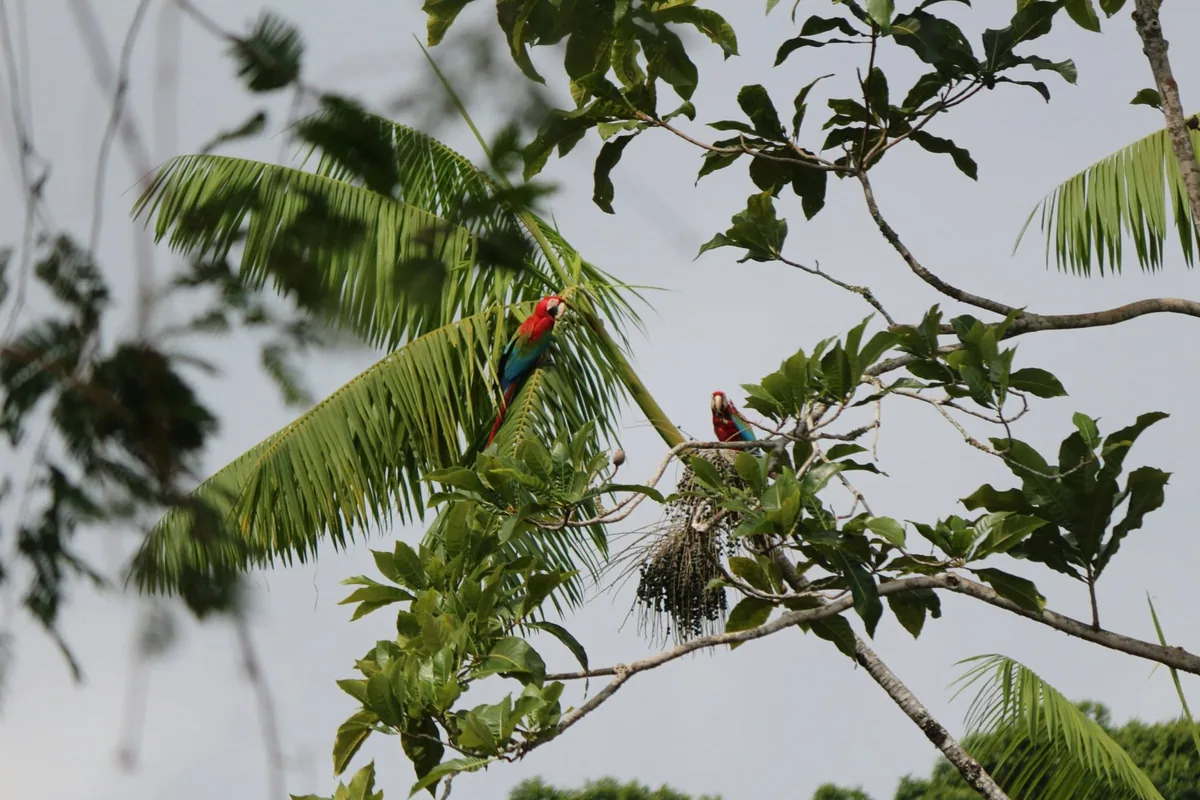
Begin with documented regional examples, then decide which habitats and forms of observation interest you. Read photographs as records of particular encounters. Carry a few questions into the inquiry so the provider can explain what the actual program supports without promising the same animals.
Use the bird guide to prepare an observation notebook and understand the value of identification and interpretation. Ask about guiding language, proposed habitats and time available, particularly if bird photography or identification is a main reason for the journey.
Read Yasuní and Cuyabeno together if you are choosing a base. Compare the actual forest and waterway outings, guiding, comfort and full journey. A regional label can introduce the choice; the written proposal should explain where your own activities would occur.
Compare three, four and five days through nights and usable activity periods. Ask what another night adds to your preferred kind of observation, and weigh that against the full travel plan rather than a larger promised species list.
Use the calendar as one part of the plan, alongside the place, people and pace of your actual booking.
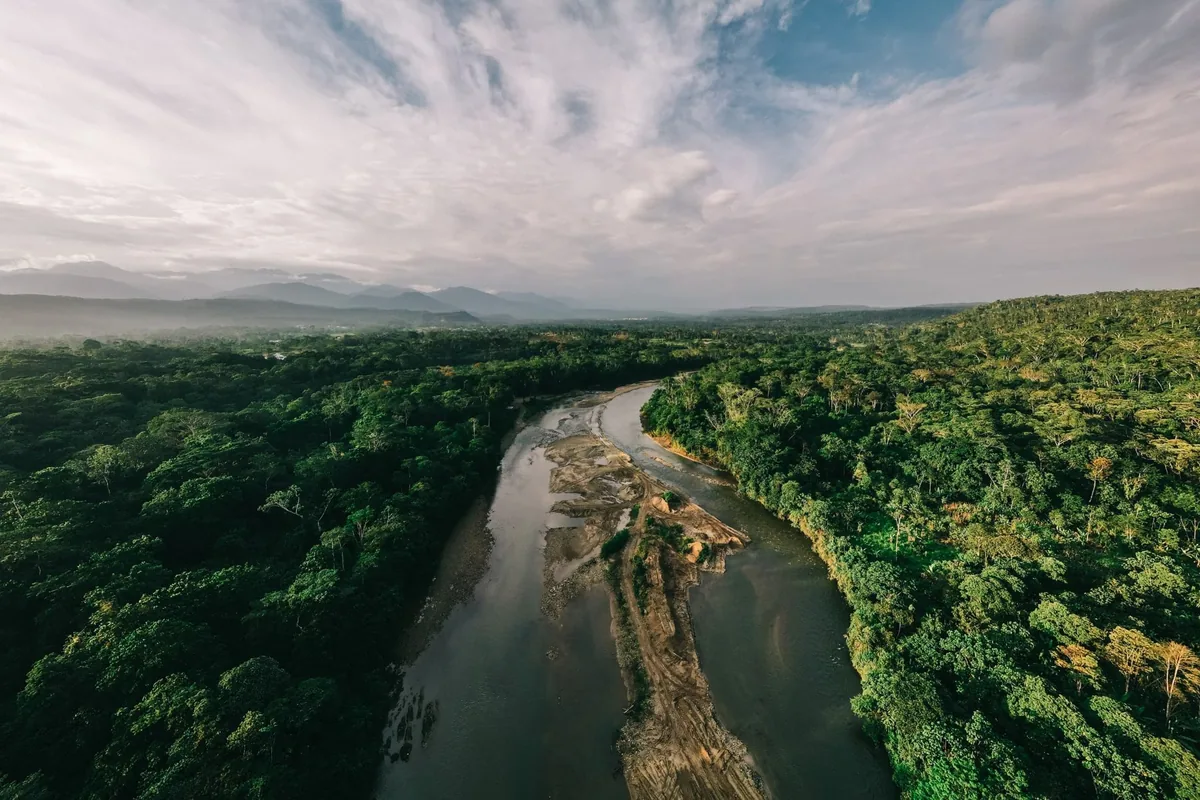
Aerial river forest01
Connect dates and the setting
Start with the place you would actually visit, then consider your available dates. A description of Ecuador’s Amazon is useful background, but it cannot tell you what a particular lagoon, trail or river route will be like during your stay. Give the provider your intended arrival date, departure date and main interests. Ask how the proposed base connects those interests to the available outings. This gives you a more useful answer than choosing a month from a regional calendar and expecting every habitat to behave alike. Keep the reply with the itinerary so your group understands what was discussed before paying a deposit.
Name the actual destination and base.
Share your dates and wildlife interests.
Ask what those dates mean for the proposed routes.
Separate the background climate from information about your departure. A description of typical rainfall is not a forecast for a particular morning, and an older travel article cannot confirm whether a route is currently operating. Ask the provider what they check before departure, what parts of the itinerary are flexible and how they communicate a change. The useful detail is the effect on your trip: a different meeting point, a changed outing or an alternative route. Record who will give you the final update and when to expect it. Avoid turning a general seasonal description into a promise about access or visibility.
Distinguish averages from current conditions.
Confirm how changes reach your group.
Keep the latest itinerary and meeting details together.
A wildlife wish list becomes more useful when you connect it to the proposed outings. Tell the guide whether your priority is birds, mammals, river life, photography or simply understanding the forest. Ask which parts of the program support those interests and how much time they allow for observation. A species mentioned in a regional guide is not a commitment that it will appear during your stay. Treat photographs as inspiration for what to learn about, rather than a checklist the guide must deliver. If your group has different interests, discuss that early so the itinerary does not revolve around one person’s preferred subject.
Choose a few priorities instead of a long target list.
Ask how the proposed day is organised rather than assuming that one hour is always best. The useful conversation connects the outing, its setting and the guide’s purpose: where the group will go, what it will look for and how long it will spend there. Explain whether early starts suit your group and whether an evening outing is something you want to consider. Confirm which activities are included and which are optional. If an outing changes, ask what the alternative would involve. This keeps the plan practical while leaving room for the guide’s judgement and the conditions encountered during the stay.
Look at how the itinerary uses your time, not only how many nights you book. Arrival, departure and transfers can take up parts of a day that appear generous on a calendar. Ask how much time remains for the outings you care about, whether the schedule includes rest and how the group will move between activities. Tell the provider if you prefer a slower pace or need time to handle camera equipment. A longer stay can create more opportunities to explore, but it does not turn wildlife into an appointment. Choose a rhythm you will enjoy even when an animal you hoped to see stays out of view.
Identify transfer time and observation time.
Allow room for rest and your preferred pace.
Compare the actual programs, not just their night counts.
Before departure, return to the details that affect your journey. Check the latest meeting arrangements, the activities in your confirmed program and the provider’s instructions for equipment. Make sure the people travelling with you have the same version of the plan. If you added a wildlife interest after booking, ask whether it fits the existing schedule rather than expecting a new outing to be included automatically. Keep current official travel advice alongside the provider’s operational information; they answer different questions. The aim is a clear, current plan with space for nature, not a calendar that promises the same experience to every traveller.
Reconfirm your departure instructions.
Share one current itinerary with the group.
Treat sightings as possibilities, never booking guarantees.
Napo Wildlife Center describes Yasuní as warm and humid throughout the year and explains that rainfall varies between months, influencing the landscape and river levels. Its climate page describes generally heavier rain from April through July and lower rainfall in December. These are published regional averages, not a forecast for your dates or a wildlife ranking. Sacha Lodge’s 2018 weather article also describes rainfall throughout the year and changing trail conditions. We use that older article for broad context, not current operations or a universal Ecuador season chart. Ask the actual provider what the current conditions mean for the proposed program.
Build an observation plan, not a species promise
Write down a few interests: birds beside waterways, forest walks, quiet canoe outings or time for photography. Ask which of those the proposed base and guide can support, and how the program allocates time. Keep the answer tied to the actual location and dates. A species list or photograph can introduce regional examples, but it cannot replace that conversation. If an outing changes, ask what alternative experience is proposed rather than expecting the same species elsewhere. After each outing, record what you noticed and what the guide explained. That creates a useful account of your own visit without turning another traveller’s observations into a checklist you must complete.
Your questions
Before you choose
Is there one best wildlife month?
No month guarantees your desired sightings. Compare local conditions, proposed habitats, guiding and observation time for the actual booking.
Does a less rainy month mean no rain?
No. The linked Yasuní climate guidance describes rainfall through the year. Monthly averages are context, not a forecast for your dates.
Can I apply Yasuní averages to every Ecuador base?
Do not treat one regional or property description as a universal calendar. Ask the actual provider about the proposed location and current conditions.
Are dawn and dusk always best?
Ask how the guide schedules each outing for its habitat and purpose. This guide does not prescribe one hour for every animal or activity.
Does staying longer guarantee a target animal?
No. More time may allow additional observation opportunities, but the program and wildlife encounters remain distinct questions.
How often should I recheck conditions?
Confirm the program while booking and ask for updates before travel. Review current official regional advice for the complete journey as well.
Your next step
Tell us what your journey needs
Share your dates, group, starting point, interests and onward plans to prepare a focused inquiry.
Reviewed October 5, 2026. Planning guidance and questions to confirm with the actual provider; operator descriptions are attributed to their own published information; no availability or prices are confirmed. Regional photographs do not depict the named properties. Check current official information and the actual provider before booking.