Experience
The Amazon
Ecuador›Is the Ecuador Amazon Safe?

Ecuador trip guide

Make informed choices before you go

Review the exact route, current advice and the people responsible for your journey. A guided booking is a starting point for questions, not a guarantee of safety.

Traveler rainforest trail
Exact itineraryReview every transfer
Current adviceCheck before booking
Named providerClarify responsibilities
Emergency planAsk how help is reached
Quick answer

Assess your actual journey, not a destination label

There is no single yes-or-no answer for the whole Ecuadorian Amazon. Review current official advice for your route, including arrival towns and transfers. Ask the provider to explain the itinerary, guiding, communication and response arrangements in writing. Then decide whether those details meet your needs; a lodge photograph or a general reassurance cannot answer that question.

Cuyabeno and northern gateways

Review the reserve, gateway and transfer route separately. Do not assume a destination name places every part of the journey outside an advisory area. Ask for the actual meeting point and road and river segments, then check current official advice before confirming travel.

Read the regional guide →

Yasuní and the Napo corridor

Ask for the exact property location and how you reach it. Compare communication and response arrangements for the base and the outings. A property in the Napo corridor is not automatically inside Yasuní National Park, and a familiar regional label does not establish the support available.

Read the regional guide →

Tena and Misahuallí

Separate the journey to town from the activity you intend to book. Review the responsible operator, guide, transport and equipment for each outing. Ask about terrain, boarding and activity requirements rather than assume that a town-based stay makes every excursion suitable for your group.

Read the regional guide →

Puyo and Pastaza

Identify whether the program stays near your base or travels farther into Pastaza. Ask what changes in communication, transfers and response arrangements along that route. Compare the actual plan with your group’s requirements and the latest advice, rather than rely on a broad description of the province.

Read the regional guide →

Practical decisions

Six checks before committing

Turn general reassurance into specific information you can review and keep with your booking.

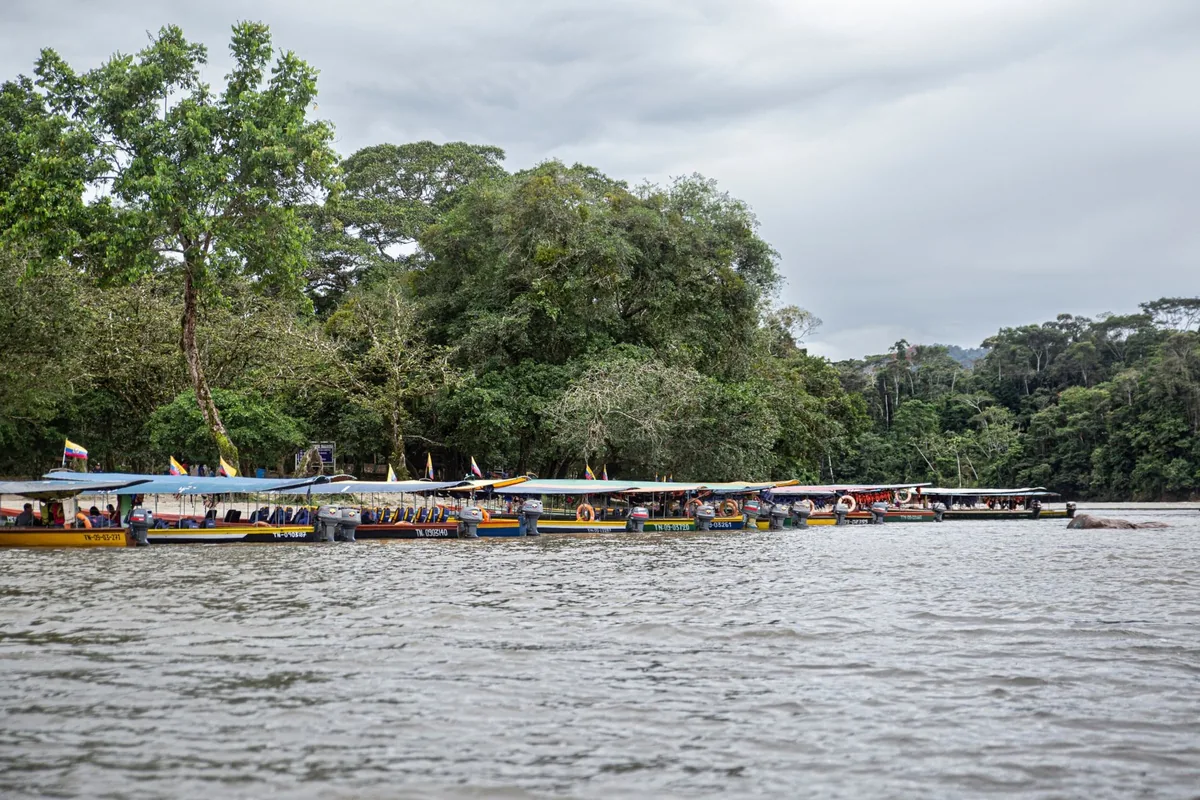
Boats riverbank
Boats riverbank
01

Know who is responsible

Ask for the operator’s name and the guiding arrangements for your actual booking. Distinguish the company selling the trip from the provider delivering it. Confirm qualifications relevant to the planned activities and who takes responsibility for transport. Staffing can change, so ask how substitutions are communicated rather than demand a promise that one named team can never change.

  • Confirm the operator delivering each part of the trip.
  • Ask about guiding qualifications for the planned activities.
  • Ask how staffing changes are communicated.
02

Review the whole route

Keep a route description that includes arrival towns, meeting points, road segments, river transfers and the base itself. Compare it with current official advice before confirming travel. Ask the provider what would change or cancel an outing. A useful itinerary identifies responsibilities and locations; a very detailed timetable does not establish the conditions you will encounter.

  • Ask for the actual gateway and transfer route.
  • Ask what conditions would change the program.
  • Confirm how route changes are communicated.
03

Clarify transport responsibilities

Treat each transport segment as part of the review, including any journey you arrange independently. Identify the responsible provider, agreed meeting instructions and arrangements for luggage. Ask about the activity-specific equipment and briefing before boarding. Clarify what happens during delays or a missed meeting. Do not assume that a package description transfers responsibility for every connection to one operator.

  • Identify who manages each transfer and connection.
  • Ask how bags travel when the vehicle or boat changes.
  • Clarify the arrangements for delays and missed meetings.
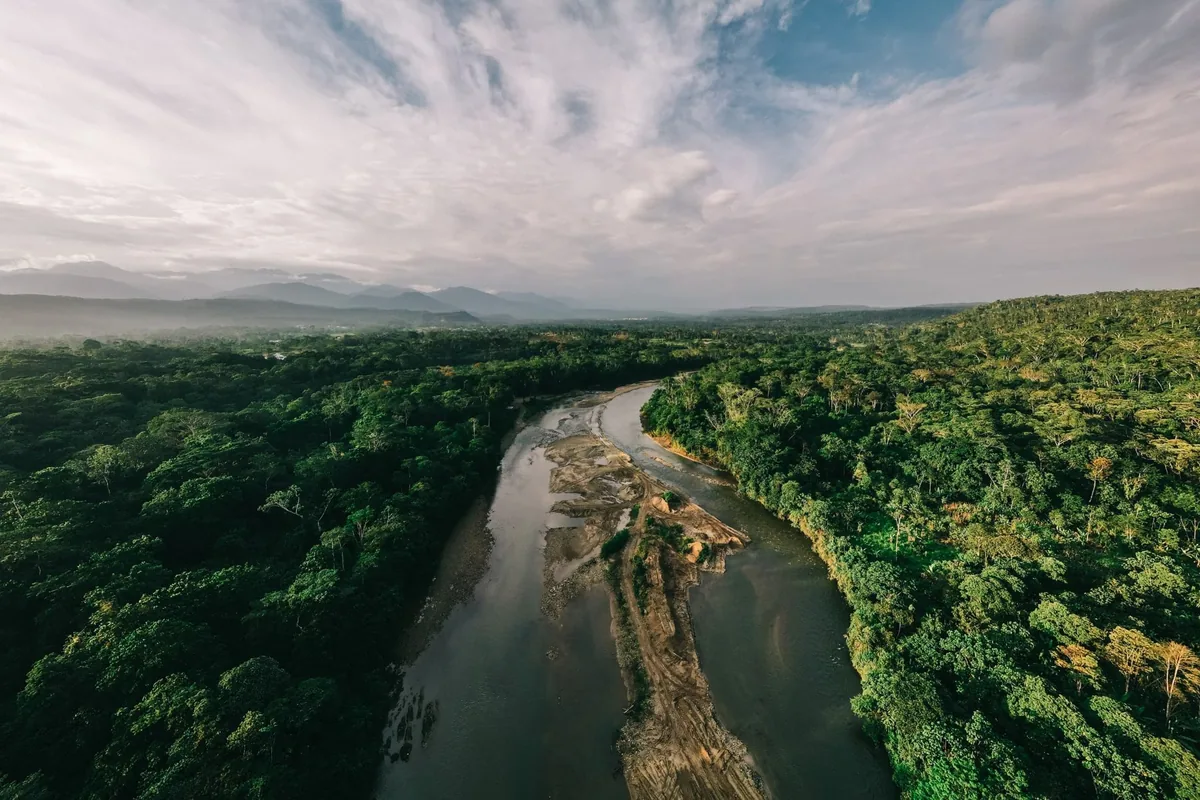
Aerial river forest
Aerial river forest
04

Understand the response plan

Ask for a practical explanation of how an urgent message reaches help from the base and from outings. Clarify the responsible contact and the alternatives when usual communication is unavailable. Ask how onward assistance is arranged and what limitations affect it. Focus on the usable plan; a device name, technical specification or precise-looking time estimate is not proof that assistance can reach every location.

  • Ask who receives urgent messages from each outing.
  • Ask what happens when normal communication is unavailable.
  • Clarify onward assistance and the plan’s limitations.
05

Match the activity to your needs

Ask what the planned activity requires in walking, boarding, balance or time away from the base. Describe relevant practical needs to the provider privately. Confirm the equipment supplied, sizes and instructions, and any available alternatives. Keep personal health decisions with a qualified clinician. A generic packing list or a photograph of another group cannot establish whether the program meets your requirements.

  • List personal items separately from supplied equipment.
  • Ask about requirements for each planned activity.
  • Confirm the alternatives before accepting the program.
06

Keep the change terms

Review written cancellation and change terms alongside the itinerary. Identify deadlines, charges and what happens if a provider cancels or changes a route. Ask how a delayed arrival affects the program and who you contact. Use the terms for the actual booking rather than assume a universal cutoff or refund. Keep those records accessible with the confirmed contact details.

  • Request the actual cancellation deadlines and charges.
  • Ask what happens when conditions change the itinerary.
  • Confirm the contact and process for a delayed arrival.

Current advice deserves its own check

Reviewed October 5, 2026: UK FCDO advice includes northern border restrictions and identifies Lago Agrio within its advised-against area. Read the linked regional guidance and your own government’s advice for every part of the route. Recheck before departure; this page is not a live advisory map.

Write down what would change the plan

Agree how the provider communicates a route change, cancellation or delay. Ask which alternatives can be offered, who makes the decision and what happens to costs. Keep the written terms and contact details with your itinerary. If the answers remain unclear, resolve them before paying rather than treat a reassuring description as a substitute for a workable plan.

Your questions

Before you choose

Can you call the whole Ecuadorian Amazon safe?

No. A regional label cannot establish the conditions on your dates, route or activities. Check current official advice and review the actual itinerary, responsible provider and response arrangements. This guide helps you ask questions; it does not certify a destination or operator.

Does a guided tour remove the risks?

No. Ask about the guide’s qualifications for the planned activities, the responsible operator, transport and emergency arrangements. A booking should give you information you can evaluate, rather than replace your review of current advice.

What should I check about Cuyabeno access?

Identify every gateway, meeting point and transfer on the proposed route. Read current regional advice before booking and check again before departure. A reserve visit and the journey to it need separate consideration.

How do I assess emergency arrangements?

Ask who receives an urgent message, how contact works from the base and outings, and how onward help is arranged. Clarify the limits of that plan, including when normal communications are unavailable. Do not assume reception or a particular response time.

What if my group has specific requirements?

Describe walking, boarding or other activity needs privately to the actual provider and ask what the program requires. Confirm equipment and alternatives. For personal health questions, seek advice from a qualified clinician before travel rather than use a destination guide as medical advice.

Should I check insurance before paying?

Review the proposed itinerary and activities with your insurer, including current travel advisories and any exclusions. Ask the provider for the details the insurer needs. Do not assume an operator’s own cover replaces your personal travel insurance.

Your next step

Tell us what your journey needs

Share your dates, group, starting point, interests and onward plans to prepare a focused inquiry.

Sources and review

Reviewed October 5, 2026. These are independent planning questions, not operator endorsements. Check current official information and the actual provider before booking.