
SURINAME RAINFOREST
Travel to Suriname’s rainforest
Choose a river-based stay, forest walks or a more remote reserve journey in Suriname’s Guiana Shield interior. Start with the experience you want, then work backwards through access, accommodation and time. Paramaribo is a useful planning base; a workable route depends on the specific destination and current arrangements.
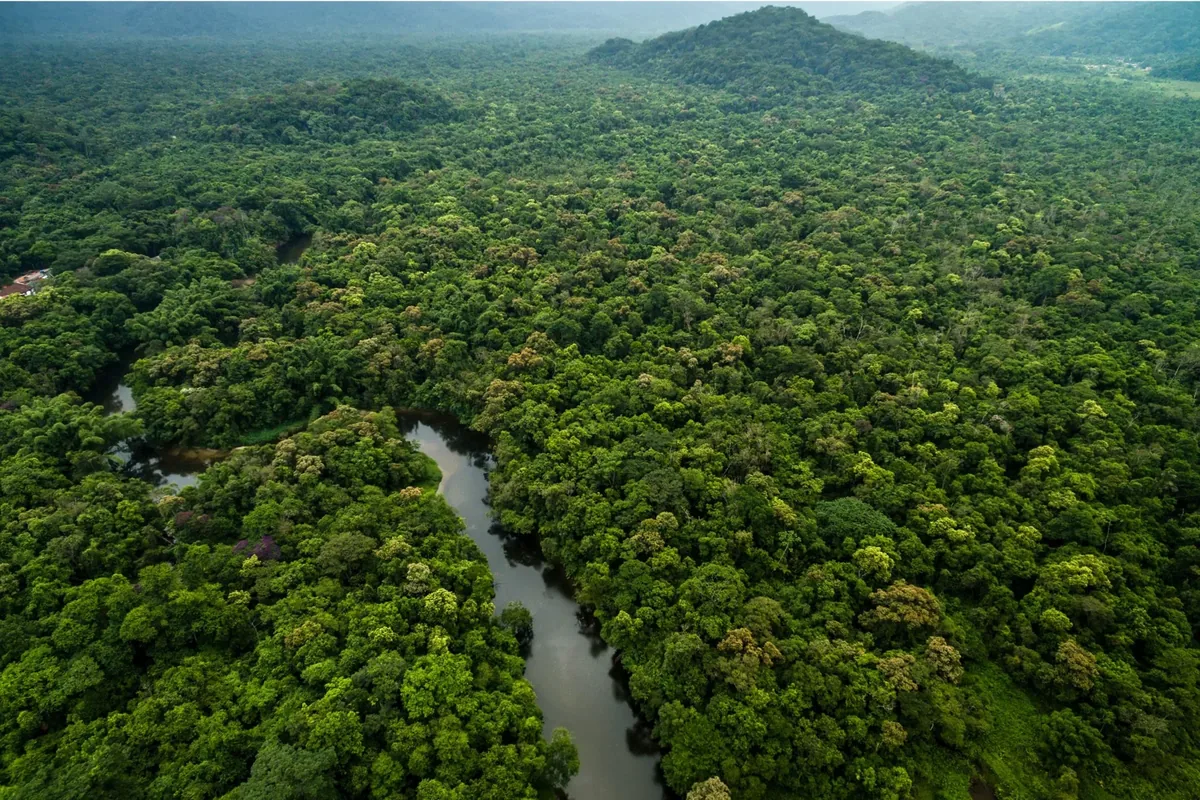
Which Suriname rainforest route fits your trip?
Upper Suriname suits travelers interested in river journeys and locally arranged community experiences. Brownsberg and Brokopondo bring forest walks and reservoir landscapes into the comparison. The Central Suriname Nature Reserve offers a different, more remote forest setting whose access needs careful planning. Choose one core area before adding another. Compare the complete transfer chain, walking demands, nights at your base and host arrangements rather than judging a trip only by how far inland it goes.
Choose your base
Compare the places and routes
Paramaribo: your gateway to Suriname’s interior
Give Paramaribo a clear place in your rainforest itinerary: a comfortable arrival, time in the historic center and a well-organized onward connection. The city stay and inland journey should work together. Choose a base that suits your transport plans while leaving room to enjoy the capital at your own pace.
Explore the guideUpper Suriname river journeys and locally hosted stays
Upper Suriname brings river travel, forest surroundings and locally arranged hospitality into one journey. Choose the base and the welcome offered before filling the itinerary with activities. The road-to-boat handover at Atjoni is part of the planning; so are comfort, guiding and respect for the people who host your visit.
Explore the guideBrownsberg and Brokopondo: forest walks or lake time?
Brownsberg and the Brokopondo reservoir offer different ways to spend time inland: a forest walking base and a lake-focused stay. Decide which experience matters most before combining them. Plan around your walking comfort, the actual transfer and time to settle into your accommodation.
Explore the guideCentral Suriname Nature Reserve: plan a focused forest journey
Explore the idea of a journey into Central Suriname Nature Reserve through a specific route, not the name of the entire protected area. This extensive Guiana Shield forest deserves a plan with a clear entry point, suitable activities and realistic expectations about comfort and wildlife.
Explore the guideChoose an interior route
Road-and-river travel and air access serve different interior routes; they are not interchangeable ways to reach every destination. Tourism transport guidance describes the road connection from Paramaribo to Atjoni followed by boats to Upper Suriname, alongside small-aircraft links from Zorg en Hoop to interior airstrips. Ask which connection actually serves your chosen base. Compare the whole door-to-door journey, including waiting, luggage handovers and the final arrival, before deciding that one option fits your group better.
Write down the experience you want most: guided forest walks, time on the river, a locally hosted stay or a quieter base for observation. Then ask how many days at the destination remain after transfers. A distant lodge can be worthwhile when it supports your priorities, but remoteness alone does not make a trip better. If a traveler finds boats or long road journeys difficult, explain that early so access is part of the comparison rather than a surprise.
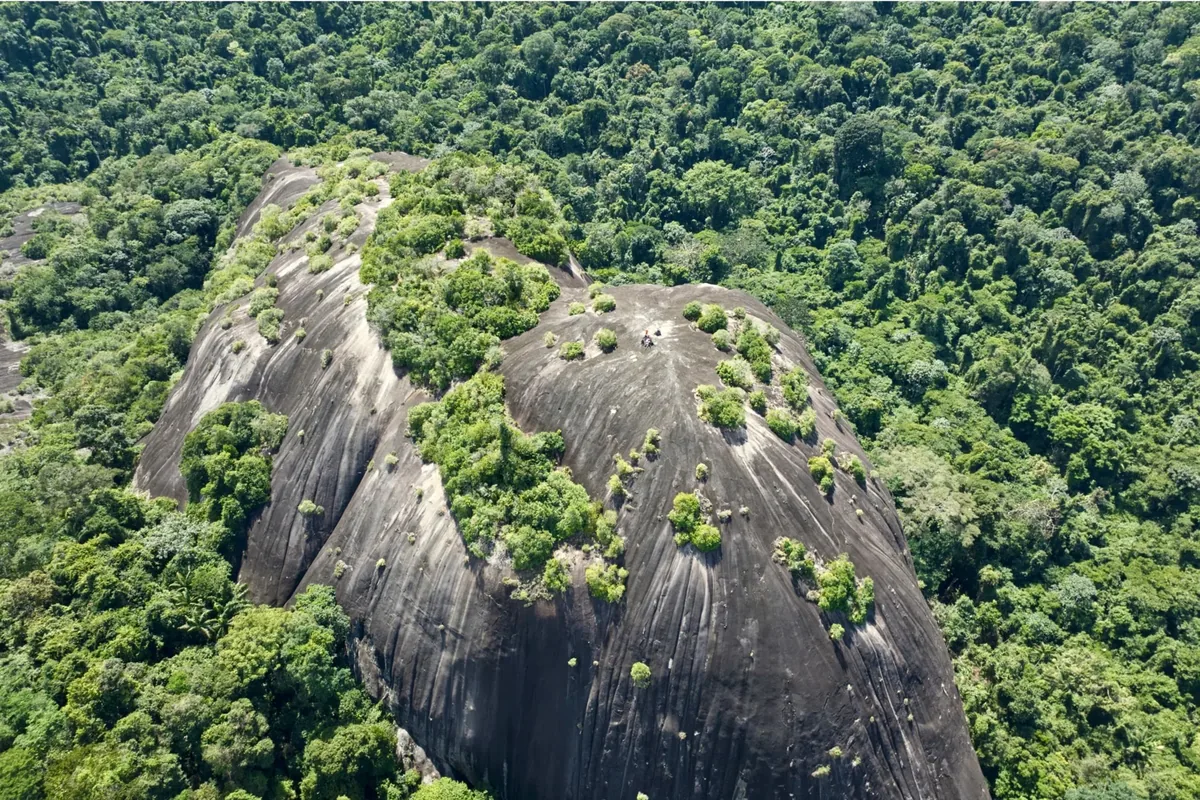
Paramaribo as a planning gateway
Paramaribo is a practical place to organize an interior journey, but the city, international arrival point and onward departure point should be treated as separate parts of the itinerary. Ask where your transfer begins, whether a city overnight is included and how you reach the meeting place. Check the connection against your actual flight arrival. Avoid building a plan that relies on an unconfirmed same-day handover between an international flight and a separate inland service.
Use your time in the city to settle the details that are harder to change once the inland transfer starts. Confirm luggage arrangements, dietary requests, payment balances and the contact responsible for the next departure. Keep the route summary available offline. If you want time in Paramaribo itself, protect it in the itinerary instead of treating every city night as spare time. A calm start can be useful even for experienced travelers who mainly want the forest.
Upper Suriname and community-led stays
Upper Suriname can bring river travel and community-led hosting into the same journey. The quality of that experience depends on the relationship between visitors, local hosts and the people arranging the stay. Ask who will welcome you, what the proposed visit includes and which spaces or activities are private. A community should not be treated as a set of attractions available on demand. Permission for a visit is separate from permission to photograph people or share their stories.
Look for a clear account of how local hosts and guides participate in the proposed trip. Ask whether conversations and walks are led by residents, whether interpretation is available when needed and how payment is arranged. You do not need to seek a staged performance to have a meaningful visit. Time to listen, respect everyday routines and accept a host’s boundaries can matter more than adding activities. Let the welcome offered determine the visit rather than arriving with a fixed script.
Brownsberg and Brokopondo
Brownsberg and the Brokopondo area offer a useful comparison for travelers drawn to forest walking and reservoir landscapes. National tourism guidance describes hiking trails and views toward the reservoir at Brownsberg. Treat each proposed outing as a specific route: ask about gradients, walking surfaces, return distance and the guide’s plan in wet conditions. A viewpoint, waterfall walk and overnight stay can involve different demands. Confirm the actual itinerary rather than assuming one description covers every visit.
Decide whether this part of the trip is mainly about walking, a change of scenery or spending more time at one forest base. Ask what happens if conditions make the planned walk unsuitable and whether an alternative is genuinely available. The reservoir setting differs from a narrow forest river, so choose the landscape that interests you instead of grouping every water-based outing together. Balance activity time with the approach and return transfers when comparing a short excursion against an overnight stay.
Central Suriname Nature Reserve
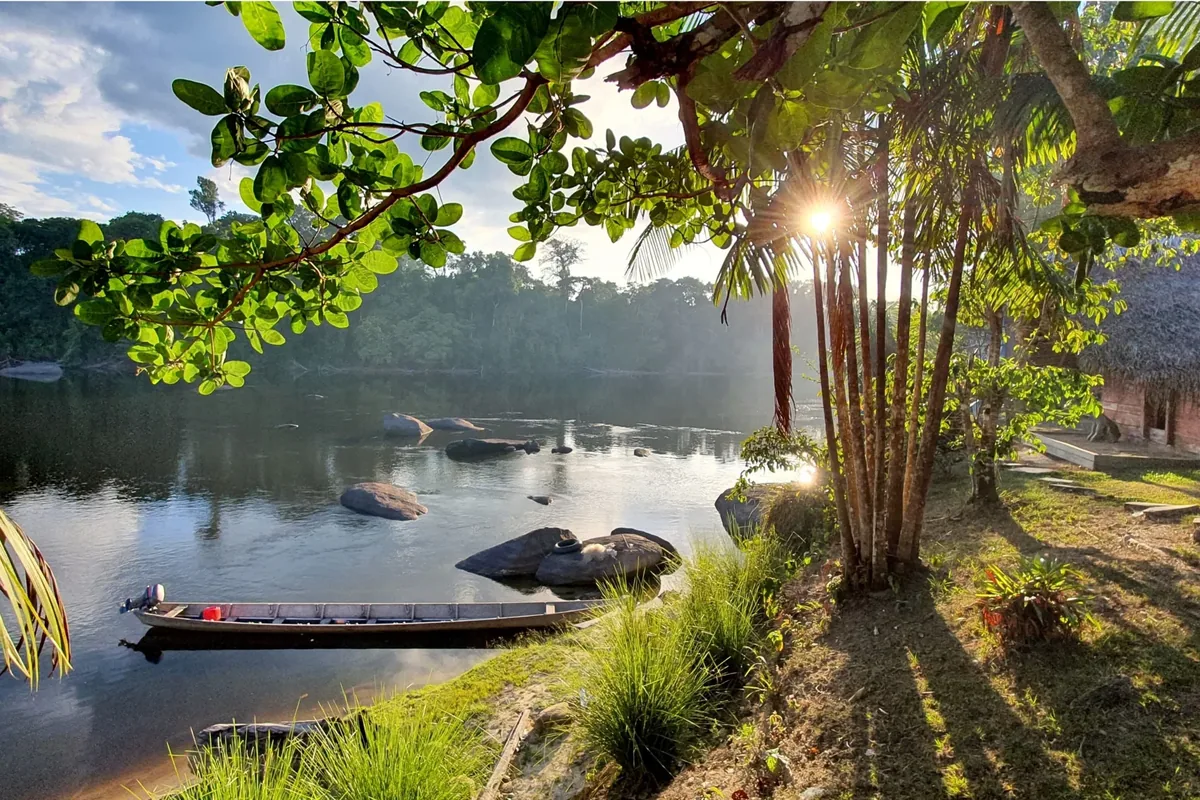
The Central Suriname Nature Reserve protects tropical forest and the upper Coppename watershed, with granite inselbergs among its distinctive features. Its UNESCO recognition explains the conservation significance of the landscape; it does not confirm that a particular route or visitor facility is currently available. If this is your priority, ask which part of the reserve the proposed journey reaches, how access is arranged and what the walking plan involves. A named reserve should translate into a clear, destination-specific itinerary.
For a reserve journey, compare how much time you spend observing the forest with how much time is needed to reach the base. Ask about guiding, communication arrangements, accommodation and the plan if a connection changes. Keep your interests specific: a photographer may want patient stops, while another traveler may prefer shorter walks and more time at camp. Both can value the same landscape without needing the same schedule. Wildlife encounters remain uncertain and should never be the condition on which the trip’s value depends.
River travel and wildlife observation
River travel changes the way you experience the forest: the journey can become part of the visit rather than simply a transfer. Ask whether the proposed boat leg is transport, a guided observation outing or both. Those distinctions affect seating, stopping time, shade and the attention available from the guide. Do not assume every boat connection provides opportunities for photography. Discuss how your group’s interests fit the actual boat and route, especially when carrying cameras or traveling with someone who needs extra support boarding.
Observation is most rewarding when expectations allow for quiet stretches as well as encounters. Ask how the guide chooses suitable stops and how the group keeps noise and disturbance low. For any named species, separate presence in the wider region from the likelihood of seeing it on your particular outing. Bring a plan for protecting equipment and keeping essential items accessible, and follow the crew’s boarding and seating instructions. River journeys should be selected for their landscape and pace as well as their wildlife possibilities.
Choose accommodation by practical needs
Compare accommodation through the details that shape everyday comfort: sleeping arrangements, bathrooms, insect protection, meals, drinking water and opportunities to charge devices. Ask for current photographs and a description of the room category in the quote. A label such as lodge, camp or community stay is not enough to establish those features. If privacy, step-free access or a particular diet matters, explain it before a property is chosen and ask for a specific confirmation rather than relying on a general comfort rating.
Look beyond the bedroom when choosing a base. Ask where activities depart, whether guides stay with the group and whether the daily plan can include rest time. Someone interested in photography may value time to dry and organize equipment; a family may prioritize sleeping arrangements and flexible meals. Compare only what is confirmed in the proposal. A property image used to illustrate forest accommodation is not evidence that the pictured lodge is included, and no facilities should be inferred from a photograph alone.
Build time for transfers and recovery
Build a route around usable days rather than counting every calendar day as an activity day. Arrival, changing transport and settling into a new base all take attention. Ask the operator to identify the expected transfer periods and which outings remain realistic around them. If the plan places a demanding walk immediately after a tiring connection, discuss a gentler first activity. The best pace depends on the people traveling, not on filling every morning and afternoon with something scheduled.
Keep enough flexibility for a connection change without relying on a universal number of buffer days. Ask how the return from the interior relates to your onward flight, what the recommended margin is and who helps if the route changes. If you have a fixed departure, share it before the itinerary is drawn up. A simpler route with more time at one base can protect the experiences you came for while reducing repeated packing, transfers and the pressure to move on. Also compare Brownsberg & Brokopondo and Central Suriname Nature Reserve against your priorities.
Turn your priorities into an inquiry
When you plan your Suriname rainforest trip, send a brief that explains your priorities in everyday language. Include dates, group size, how much walking you enjoy and whether boats, a hosted community stay or time in forest are the main draw. Mention the level of privacy and comfort you need, any dietary requirements and your arrival or departure constraints. A useful inquiry also states what would make the trip difficult, so an attractive proposal does not overlook a practical limitation.
Ask the resulting proposal to show the route, accommodation, transport, guiding and inclusions clearly. Compare quotations on that basis rather than assuming similar headlines mean equivalent trips. Check which items remain provisional, when confirmation is needed and what happens if an arrangement changes. Your first inquiry is a starting point for planning, not a commitment to book. Keeping the brief clear makes it easier to decide whether a proposed route genuinely matches the journey you want.
Planning questions
Is Suriname in the Amazon River basin?
Suriname’s rainforest interior is part of the Guiana Shield. This guide includes it within our wider South American rainforest travel coverage, without treating it as an Amazon River itinerary. Choose a destination by its actual rivers, access and habitats rather than assuming every country guide describes the same landscape.
Which region should I start with?
Compare Upper Suriname for river-based stays, Brownsberg/Brokopondo for forest walks and reservoir views, and the Central Suriname reserve for a more remote forest journey. Start with your interests and transfer tolerance; the right choice depends on current access, accommodation and the pace your group can comfortably sustain.
Can a community visit be included?
Discuss locally hosted visits in advance. Ask who welcomes guests, which activities are available, how local guides and hosts are paid, and what permission is needed for photographs. A stay does not imply access to private spaces, ceremonies or every village activity. Let hosts set the boundaries.
How many interior regions should one trip include?
One well-chosen interior base can provide a more satisfying trip than several short stops. Add a second region only after checking transfers and the number of usable activity days. Leave room for arrival, recovery and the return connection. Exact timing should come from the operator’s current route plan.
Let’s shape your Suriname journey
Tell us your dates, group size, preferred pace and the experiences that matter most. Include any concerns about boats, walking or accommodation. We can use that brief to discuss a route; an inquiry does not confirm availability or a booking.
Share your plansSources & scope
Editorial guide reviewed October 8, 2026. Access, accommodation and activities must be confirmed for the specific itinerary. Images illustrate forest and river settings; they do not identify specific Suriname properties or locations.