
Town and river outings
Use a gateway base with excursions and clear return arrangements.
COLOMBIAN AMAZON
Find your balance of river travel, forest exploration and locally hosted experiences. Start with Leticia and choose an overnight setting that gives your priorities time.
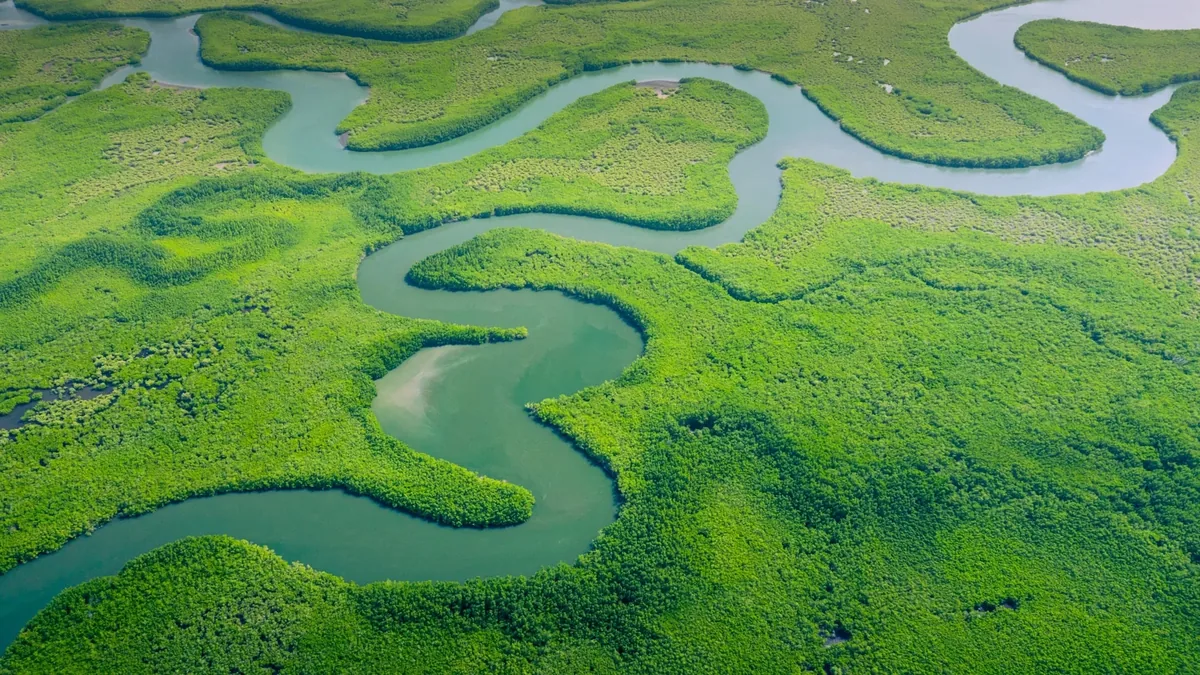
Start with one principal base, then compare transfer time, guiding and accommodation. Leticia and upstream stays serve different travel rhythms.
Choose your base
Choose Leticia as a town base for river and forest outings, or use it as the gateway to an upstream stay. Build the journey around the experience time each arrangement actually provides.
Explore the guideCompare a day visit with an overnight stay upstream from Leticia. Give river transfers, the Tarapoto lakes and locally hosted experiences enough room in a coherent travel plan.
Explore the guideBuild a forest visit around the receiving community, the guide and the route actually offered. Connect the river journey with enough time for interpretation and an agreed return.
Explore the guideGive this wetland outing time for observation and local interpretation. Compare a day visit from Leticia with staying upstream in Puerto Nariño, and confirm the actual boat experience.
Explore the guideUse a gateway base with excursions and clear return arrangements.
Compare an upstream overnight setting with the transfer it needs.
Prioritize guiding, agreed visits and time in the intended setting.
Colombia’s southern Amazon travel circuit is centered on Leticia and the river journeys that connect it with nearby communities and forest stays. The national tourism board places Leticia on the Amazon at the border with Brazil and Peru. That geography creates interesting combinations, but a three-country map is not automatically a practical holiday itinerary. Begin with the Colombian experience you want and add border crossings only when they have a clear purpose.
Think about where you will sleep, rather than collecting destination names. A town base with guided outings, an upstream community stay and a forest lodge can offer very different rhythms. Our Colombia trip-planning guide helps turn those choices into an arrival-to-departure outline. A useful proposal shows the overnight setting, transfer method and available activity time for each day, instead of listing attractions without their connections.
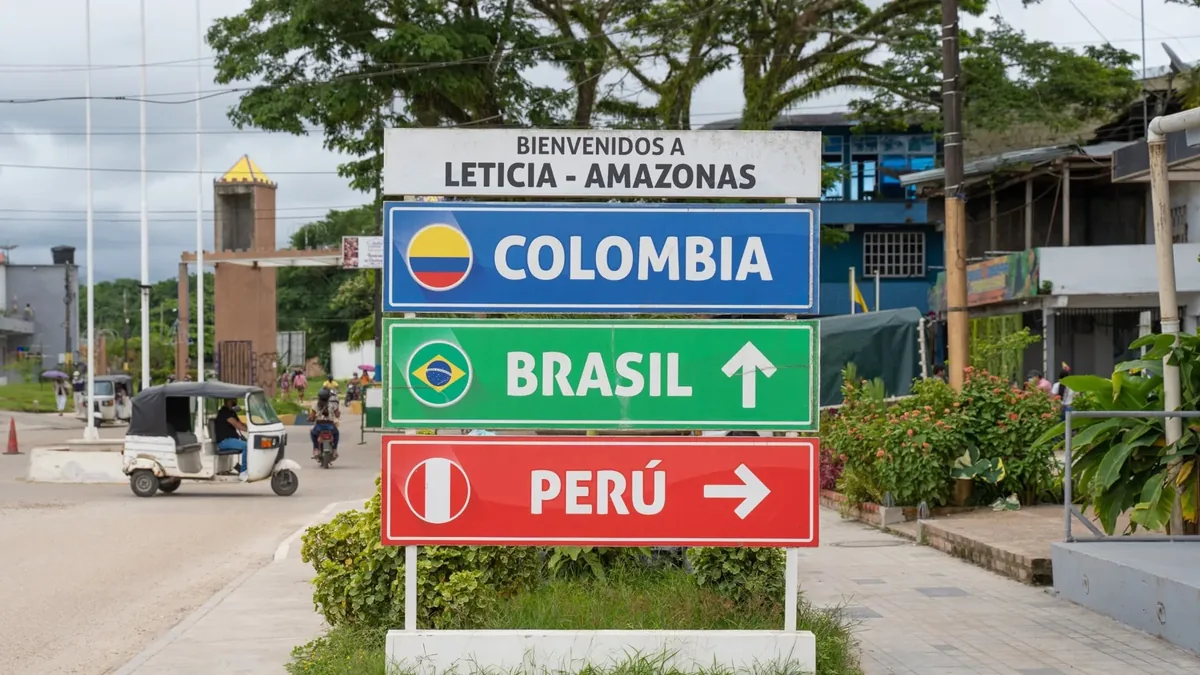
Leticia works as a gateway for organizing the river portion of the journey. For a traveler who values a town setting between excursions, staying there can make sense. For someone who wants more time away from the gateway, an upstream base may fit better. Compare the actual outing locations and return arrangements: the same activity label can mean a short nearby visit or a substantial river transfer.
Puerto Nariño is reached by boat upstream from Leticia, according to Colombia’s tourism board. Treat that transfer as part of the itinerary, with a named departure point and a confirmed pickup arrangement. Ask how luggage is handled and how you reach the accommodation after arrival. Choose the base that supports your priorities, not simply the accommodation with the most attractive photograph or the longest list of optional excursions.
Forest and river activities ask different things of a visitor. A guided walk gives time for interpretation of plants, sounds and smaller details; a boat outing changes the viewing perspective and can cover a different environment. Build a balanced day around the group’s interests and stamina. Ask whether the walk is primarily an interpretive stroll, a longer trail or an excursion involving steps and uneven ground.
Wildlife is an opportunity rather than a scheduled performance. A photograph of a monkey or river animal does not establish that a particular outing will encounter it. Tell the guide what interests you, then leave room for what the landscape offers. Photographers may prefer fewer transfers and longer observation periods; families may need shorter outings and reliable breaks. Those preferences should shape the proposal before payment.
Amacayacu National Natural Park lists forest walks, birdwatching and small-boat activities among its ecotourism experiences. The park authority identifies community ecotourism services in Mocagua and San Martín de Amacayacu and advises arranging visits in advance. A community visit is not interchangeable with entering any forest trail: the proposed activity, local interpretation and permissions all need to be clear.
Check the official park information when planning and ask the operator to reconfirm current arrangements before departure. Park entry and separately provided services are different costs; request a breakdown of transport, guiding, accommodation and meals. Agree on photography with hosts rather than assuming consent. The park’s visitor guidance also asks travelers not to feed wildlife or participate in activities exhibiting captive wild animals.

Compare town accommodation, community-based stays and forest lodges using practical questions. Where is the room relative to the river landing? Is the bathroom private? What are the arrangements for drinking water, electricity and meals? Ask about insect screens, ventilation and the group’s sleeping layout. Terms such as comfortable or authentic tell you much less than an accurate description of the room and everyday facilities.
A secluded setting can be an appealing part of the journey, but it also changes transfers and access to services. Confirm how an unexpected early departure would be handled and how you contact the operator during the stay. Our Ecuador and Peru guides can help you compare the broader differences between gateways and forest experiences, while keeping this itinerary focused on Colombia rather than stitching together unrelated lodge images.
Count the hours available for exploration as well as the number of nights. Arrival, river transfers and departure can occupy meaningful parts of a short visit. Before choosing a package, ask for the likely sequence of those movements and how activities fit around them. An extra overnight can be valuable when it creates a full day in the intended setting, rather than simply another stop along the route.
For a first visit, prioritize one principal base and a coherent set of outings before adding a second setting. A move is worth considering when it offers a distinct experience you want and the connection fits comfortably. Avoid judging value by attraction count alone. A day with fewer stops may leave more time for local interpretation, a quiet boat ride or a patient wildlife watch that better matches your reason for traveling.
A river itinerary depends on more than the calendar. Amacayacu’s official access guidance notes that low water can affect transfer times. Ask what conditions mean for the specific route you are considering and what alternatives the operator uses. A plan should explain whether an outing depends on a navigable channel, a landing point or a particular walking route, without promising that every activity will operate unchanged.
Keep your priorities clear but your daily order flexible. If an operator substitutes an outing, ask how the alternative serves the same interest and whether it changes effort, duration or cost. Prepare for rain during any visit rather than treating a seasonal label as a weather guarantee. Protect luggage and electronics, and discuss any mobility constraints before the route and accommodation are selected.
Look for experiences that give local hosts a meaningful role in deciding what is shared and how the visit runs. Ask who leads the interpretation and which activities are appropriate for visitors. Cultural knowledge is not an unlimited attraction list. Leave space for hosts to set boundaries around private places, personal photographs and subjects they do not wish to present as entertainment.
Wildlife observation should also respect boundaries. Do not request handling, feeding or close contact to improve a photograph. Use distance and patience, and follow the guide’s instructions around boats and trails. The most useful preparation is an honest discussion of the group’s interests: birds, forest interpretation, family travel and photography can each require a different pace without turning the visit into a checklist of guaranteed encounters.
If you are considering Brazil or Peru as well, distinguish a cross-border excursion from moving onward to another country. Documents, immigration formalities, transfers and luggage arrangements need their own confirmation. Geographic proximity does not establish a convenient connection or permission to travel. Compare the Brazil guide or Peru guide for the next destination’s planning context before trying to combine two otherwise separate journeys.
Share your start and end dates, traveler count, preferred overnight setting and any access needs when you make an inquiry. Mention whether onward travel is already booked and which experiences matter most. This information lets us discuss a route around usable time and priorities. An inquiry is a starting point for planning; it does not confirm accommodation availability, a price or a booking. Use the best time to visit guide to relate your dates to the route, and the wildlife guide to choose the habitats and observation pace you value. Check the how to get there guide for arrival connections and the packing guide for belongings needed during the actual route.
Leticia is the main gateway for the southern river circuit described here. Choose your overnight base after comparing the outings and transfers you want.
Puerto Nariño is reached by boat upstream from Leticia. Confirm the accommodation, collection point and current transfer arrangements for your dates.
No. Ask which community or park activity is proposed and confirm current permissions, local interpretation, entry charges and separately provided services.
No. It starts a planning conversation. Availability, prices, inclusions and booking terms need separate confirmation.
Share your dates, traveler count, overnight preferences and the experiences you most want to explore.
Share your plansPlanning guidance reviewed October 8, 2026. Confirm current transport, community and park arrangements with the relevant providers and authorities. This guide does not confirm availability, prices or a booking.