Experience
The Amazon
Ecuador›What to Pack for the Ecuador Amazon

Ecuador trip guide

Pack for the outings, not just the destination

Build a compact list around your actual program. Bring the essentials you use, confirm provider equipment and leave room for the way your luggage will travel.

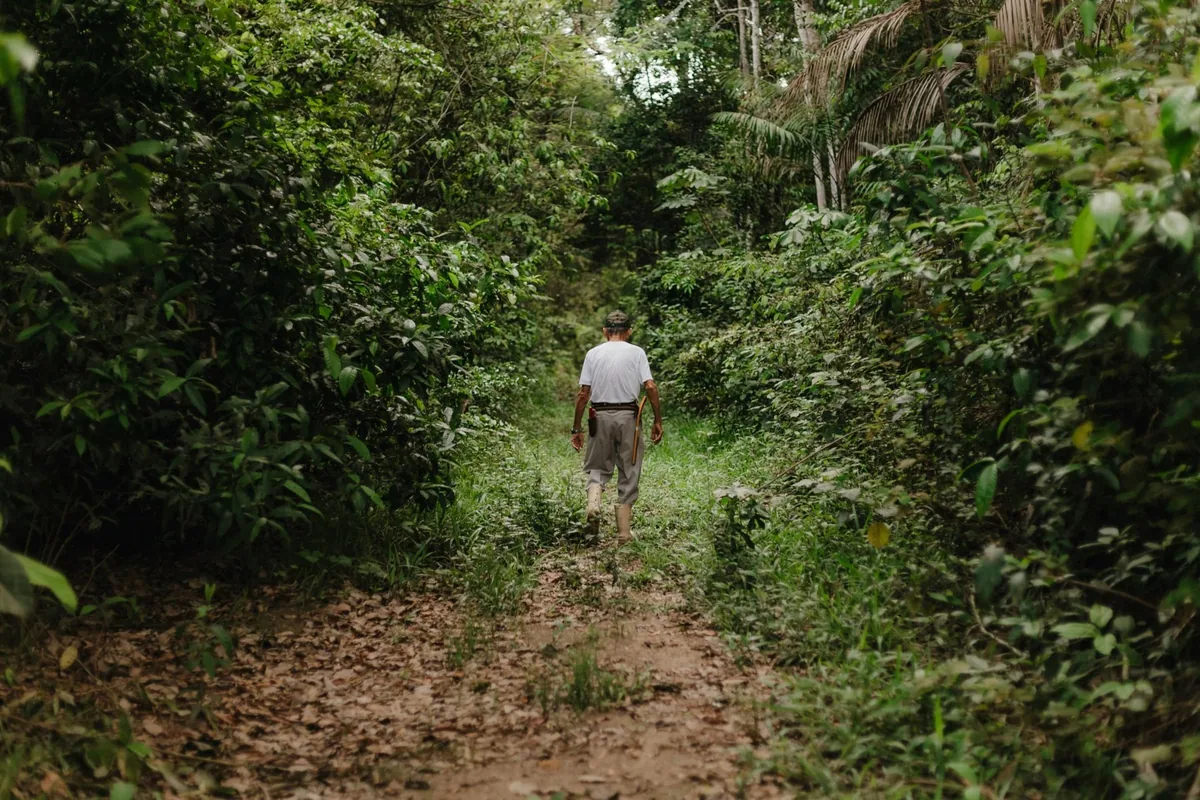
Traveler rainforest trail
Actual activitiesShape your clothing list
Footwear and sizesConfirm before packing
Rain and luggageProtect the essentials
Supplied equipmentAsk what is included
Quick answer

Choose the base, then refine the list

Start with comfortable clothing, spare socks, suitable footwear, a rain layer and protection for belongings that need to stay dry. Add the camera or binoculars you already use, their accessories and a small day bag. Then compare that starter list with the actual activities and written provider list. Ask about supplied equipment, sizes, charging, storage and baggage limits before buying extras.

Your starter list

Clothing
Comfortable activity layers and a dry change.
Footwear
Shoes for the planned terrain; spare socks.
Rain protection
A rain layer and protection for important belongings.
Day bag
A compact bag for the items used on outings.
Observation
Your camera or binoculars and their accessories.
Travel details
Saved meeting instructions and booking references.

Cuyabeno

Compare the provider’s list with the actual river transfers and outings. Ask how main luggage and a day bag are carried, what you need during boarding and which footwear is specified for walks. Confirm sizes and inclusions for any equipment offered; do not assume one reserve-wide packing arrangement.

Read the regional guide →

Yasuní and the Napo corridor

Use the exact property and program to refine your list. Ask about forest outings, water transfers, equipment protection and the charging arrangements at that base. A lodge in the corridor and a stay inside the national park may have different services; confirm your booking rather than pack from a label.

Read the regional guide →

Tena and Misahuallí

Distinguish travel clothing from clothing and equipment for each booked activity. Ask what the outing provider supplies and where you change or leave belongings, if those arrangements exist. Confirm the final transfer from your base and the requirements for any river activity before adding specialist equipment.

Read the regional guide →

Puyo and Pastaza

A town-based outing and a journey farther into Pastaza can need different luggage arrangements. Ask for the actual program, footwear requirements and equipment list. Confirm storage and charging where relevant. Compare those details with your onward plans so you carry what you need without assuming local services.

Read the regional guide →

Practical decisions

Six checks for a more useful packing list

Separate your own everyday essentials from items that depend on the activity and provider.

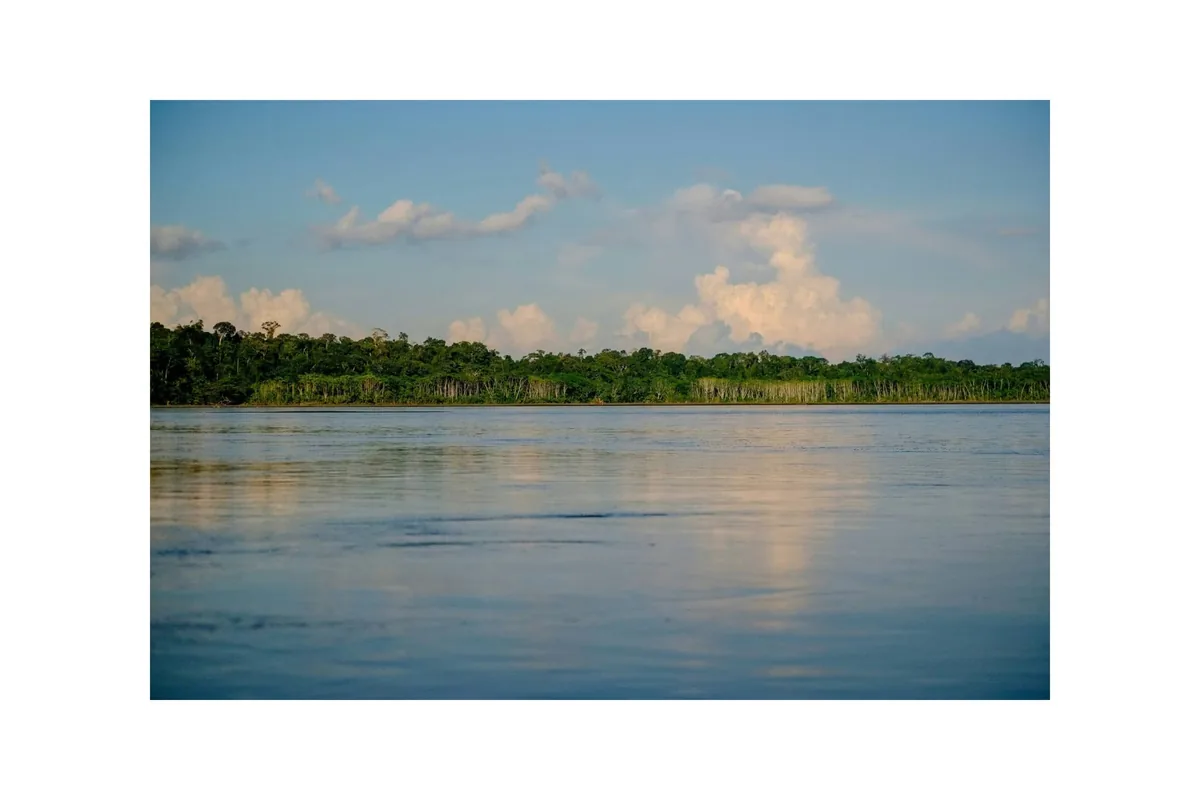
Calm river cloud reflection
01

Activity-Specific Clothing

Choose clothing around the actual outing and how you prefer to move, rather than a single forest image. Start with comfortable layers and a dry change, then ask what the provider specifies for each activity. Keep travel clothing separate from items used during walks or boat outings. Confirm any supplied clothing or special requirements before adding another item to the bag.

  • Please confirm if the provider supplies clothing suitable for the specific activity.
  • Ask what garments are required for the chosen excursion.
  • Request details on any special attire needed for the trip.
02

Footwear Arrangements

Match footwear to the planned terrain and the time you will spend walking. Ask which footwear the provider specifies and whether any supplied boots are included, rented or unavailable. If boots are offered, confirm sizes and fit arrangements. Pack travel footwear separately where needed rather than assume the same pair is suitable for every segment of the program.

  • Inquire if boots or specific shoes are provided by the operator.
  • Ask which footwear is specified for each planned activity.
  • Confirm whether personal shoes must be worn or if rentals exist.
03

Rain and Luggage Protection

Identify what needs protection: the items worn during an outing, the day bag and the main luggage. A rain layer and suitable protection for important belongings belong in your initial plan. Ask what the provider actually supplies and how bags travel on transfers. Do not treat a cover on a vehicle or boat as confirmation that your equipment remains dry.

  • Request information on rain gear availability for passengers.
  • Ask how luggage will be protected from moisture during the trip.
  • Confirm if waterproof covers are included in the booking.
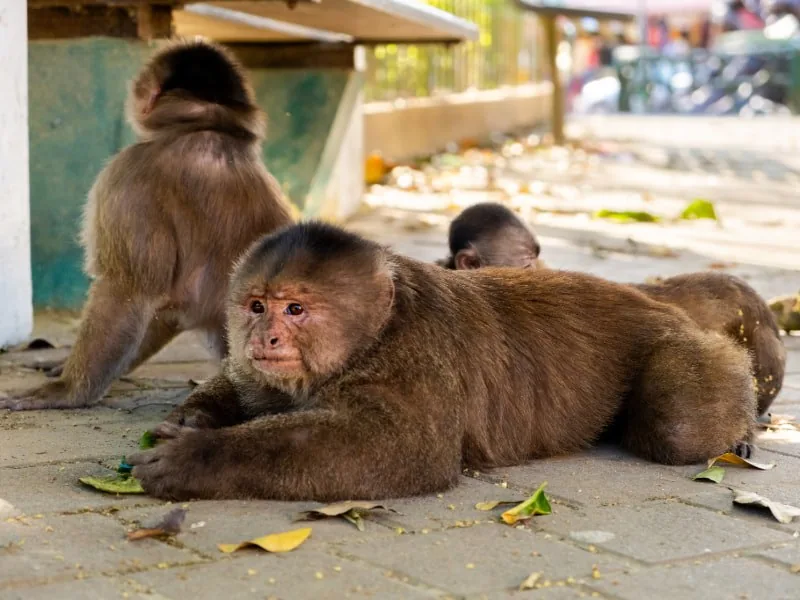
Monkeys resting town square
04

Observation Equipment

Bring the observation equipment you want to use, with the accessories needed to carry and protect it. Before buying extras, ask whether the guide supplies equipment, whether it is shared and whether there is a separate charge. Describe photography or birdwatching interests alongside the activity plan. More equipment does not guarantee sightings and can change what you need to carry.

  • Ask what binoculars or telescopes are available for viewing.
  • Inquire if optical equipment is provided or must be brought.
  • Request details on the quality and type of observation tools.
05

Charging and Baggage Storage

Ask about the actual charging and storage arrangements before planning around them. Confirm the property details, any limits and the equipment you need for your own devices. If larger bags must remain elsewhere, clarify who holds them and how they are collected. A destination name or general lodge description does not confirm outlets, charging availability or baggage storage.

  • Confirm if power outlets are accessible for charging devices.
  • Ask whether baggage storage exists, where it is and who is responsible.
  • Confirm the charging arrangements and any limits at the actual property.
06

Provider Equipment List

Compare your starter list with the provider’s written list for the booked activities. Separate required personal items from equipment that is included, optional or supplied only by arrangement. Check sizes and any extra costs before departure. Keep the baggage rules with the itinerary so the list works for transport as well as for your time at the base.

  • Ask for a complete list of all equipment included in the service.
  • Inquire about any additional gear that might be needed.
  • Request confirmation on what items are excluded from the package.

Keep the day bag simple

Use the day bag for items you want during the outing: a rain layer, personal observation equipment and the belongings you need to keep close. Choose a size and arrangement that suit the actual walking and boat program. Ask how bags travel during transfers and where they are placed on the boat. Do not assume a provided cover or storage area protects your own belongings.

Confirm before buying special equipment

Ask for the provider’s written equipment list and compare it with what you already own. Confirm whether boots, rain gear, binoculars or other activity items are supplied, shared, rented or something you must bring. Check sizes and any additional cost. A photograph of equipment or a general packing list does not establish availability for your dates, property and group.

Your questions

Before you choose

What should I pack first?

Begin with comfortable activity clothing, a dry change, spare socks, suitable footwear, a rain layer and protection for important belongings. Add the observation equipment and accessories you actually use. Refine the list against the specific outings, transfer arrangements and written provider requirements rather than treating it as a universal kit.

Should I bring boots or walking shoes?

Ask what the planned terrain and activities require. If boots are offered, confirm availability, sizes, fit and whether they are included or rented. Do not assume that supplied footwear replaces shoes for travel or every outing. Use the provider’s activity details to decide what to bring.

Are rain gear and dry bags included?

Confirm each item separately and ask whether it protects passengers, personal equipment or main luggage. A covered boat does not establish that your belongings remain dry. Bring appropriate protection for the items you need to safeguard, and check how bags are handled and placed during the actual transfers.

Do I need to buy binoculars or a new camera?

Start with your interests and the equipment you already use. Ask what is supplied, whether it is shared and what you are expected to bring. Consider carrying and protecting the equipment on the proposed outings. New equipment does not guarantee wildlife sightings or photographs; confirm the arrangements before spending.

Can I charge devices or leave larger bags behind?

Ask about the actual property and the transfer provider. Confirm outlets, charging arrangements, any limits and whether storage is available, where it is and how collection works. Do not infer those services from a destination name or a generic lodge description. Plan around the confirmed details.

How much luggage can I bring?

Request the baggage rules for every transport segment and the accommodation or outing requirements. Confirm dimensions or weight with the relevant provider rather than use a universal Amazon limit. Ask how items move between stages and who handles them. Keep the written conditions with the itinerary.

Your next step

Tell us what your journey needs

Share your dates, group, starting point, interests and onward plans to prepare a focused inquiry.

Sources and approach

Reviewed October 5, 2026. Regional facts draw on the destination sources below. Comparison questions and duration suggestions are editorial planning guidance; verify current facilities, availability and terms with the provider. Photos show documented regional settings, not endorsements of bookable properties.