Experience
The Amazon
Ecuador›Ecuador Amazon vs. Galápagos

Ecuador trip guide

Rainforest or islands? Choose your kind of discovery

Compare the setting, wildlife interests and shape of the journey. Start with what you want to experience, then look at the actual program and complete travel plan.

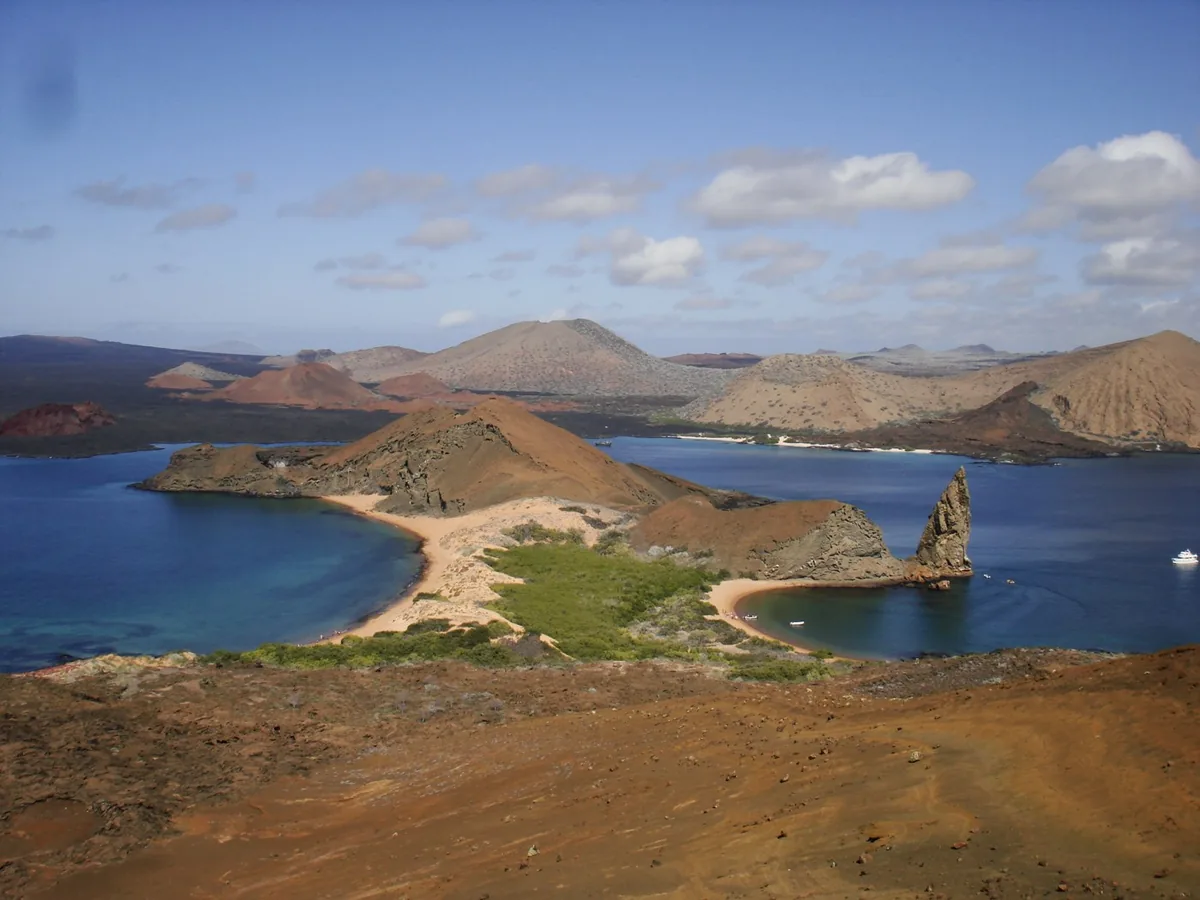
Bartolomé Island, Pinnacle Rock and surrounding sea in Galápagos, Ecuador
Photo: Pete / Peter Gene · CC BY-SA 2.0 · Edited
Forest and riversEcuadorian Amazon
Islands and oceanGalápagos
Actual programCompare the outings
Complete journeyAllow for transfers
Quick answer

Two different landscapes, two ways to plan

Choose the Ecuadorian Amazon for a forest-and-river focus. Consider Galápagos for an island-and-marine focus. Neither name describes a complete itinerary: compare the actual base, outings, guiding, transfers and total cost. If both appeal, plan the connection as a separate part of the holiday rather than squeeze two substantial experiences into the same limited time.

Forest and river discovery

The Amazon option suits a trip organized around a mainland forest base and river or walking outings. Compare the habitats reached by the actual program and how much time is spent exploring. A Cuyabeno lagoon itinerary and a Yasuní forest stay are different choices within the same broad region.

Read the regional guide →

Island and marine discovery

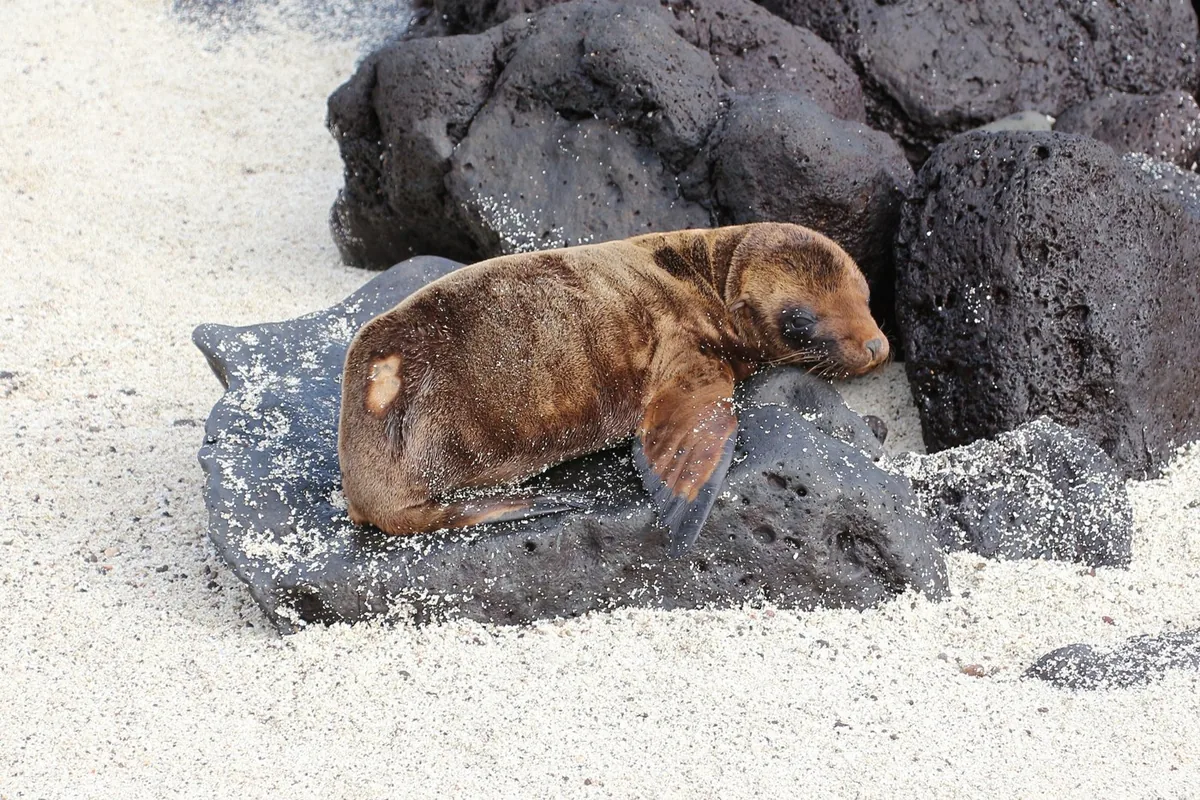
Galápagos is a Pacific archipelago with a marine reserve and distinctive island wildlife. Compare the specific islands, sites and land or water activities offered in a program. A sea-lion photograph illustrates the setting; it does not establish which animals you will see on a particular departure.

Galápagos National Park →

A closer look at guiding

Describe whether you want patient wildlife observation, photography or a broader introduction. Ask how outings are guided and how the program responds to your interests. In either destination, the guide and itinerary shape the visit; a long species list alone is not a useful comparison.

Read the regional guide →

Combining both

Start with the total time available and the connections between programs. Identify independently booked segments and who handles changes. Compare two complete plans before deciding whether a combined trip provides the pace you want. Keeping one destination for another journey can also be a good choice.

Read the regional guide →

Practical decisions

Six decisions that make the comparison useful

Compare the experience you would book, rather than two destination names or headline prices.

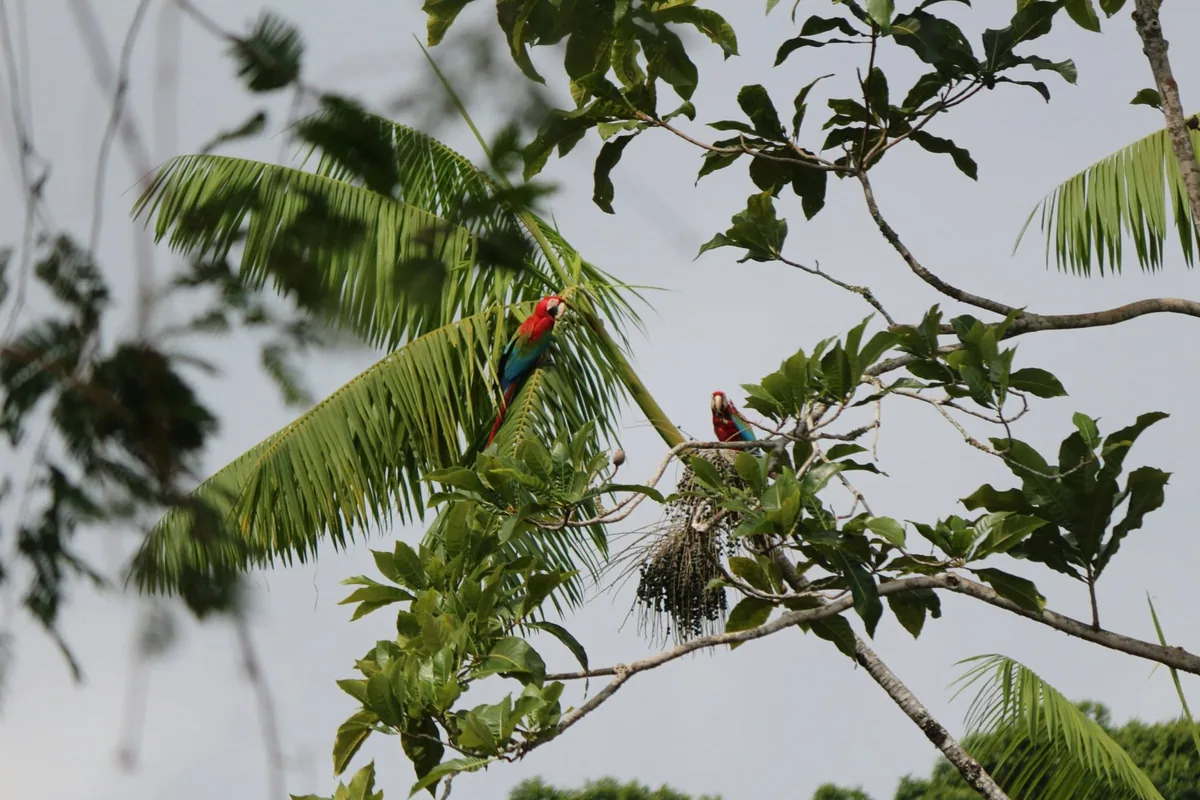
Bird on rainforest branch
01

Choose the setting that draws you

Imagine how you want to spend an outing: listening in the forest, following a river, looking across volcanic terrain or exploring a marine setting. Use those interests to compare the actual program. Ask where observation happens and how much time is available. Treat wildlife photographs as illustrations of the setting, never a list of encounters included with a ticket.

  • Ask which habitats and sites the itinerary reaches.
  • Ask how guided walks or boat outings are arranged.
  • Ask how much time is reserved for observation.
02

Compare the actual program

An Amazon itinerary should name the forest base and the outings it reaches. A Galápagos itinerary should identify the islands, visitor sites and accommodation arrangement. Compare those details rather than assume every mainland program or island visit works alike. Ask which transfers are included and which bookings are separate. That makes differences in travel style easier to evaluate.

  • Request the actual bases and visitor sites.
  • Clarify included and independently arranged transfers.
  • Compare accommodation and the sequence of outings.
03

Choose a pace you will enjoy

Compare time exploring with time moving between stops. Ask about walking, boarding and the requirements of water activities where they appear in the proposed plan. Find out whether there is flexibility for rest and what happens if you skip an outing. A trip can be appealing on paper yet feel too hurried for your interests; compare the day structure as carefully as the destinations.

  • Ask how much unplanned or rest time remains.
  • Ask what terrain and boarding requirements apply.
  • Clarify the options if you sit out an activity.
Young Galápagos sea lion resting among rocks on Santa Fe Island, Ecuador
Photo: Bernard Gagnon · CC BY-SA 4.0 · Edited
04

Count the journey around the visit

Place arrival, departure and all transfer segments around the activity program. Count the complete holiday, including any overnight stop or connection that must be booked separately. Ask for current arrangements rather than use a generic minimum duration. If combining destinations, compare a joined itinerary with the same programs booked independently and identify who handles a disrupted connection.

  • Ask how many days the complete itinerary occupies.
  • Request the proposed transfer sequence and estimates.
  • Identify waiting periods and separately booked segments.
05

Compare the complete quote

Put the two quotes into the same categories before deciding which gives you better value. Separate the program price from transport to its starting point, entrance charges and optional activities. Ask about meals, drinks and guiding arrangements rather than assume inclusions. Keep the quote for your actual dates and group; a headline offer is not a reliable total for a different itinerary.

  • Request all charges excluded from the quoted price.
  • Ask which entry fees are paid separately.
  • Confirm meals, drinks and optional activity costs.
06

Combine only when the plan works

If both landscapes interest you, compare a complete combined proposal with visiting only one this time. Ask what is added in transfers, cost and responsibility, not just how another destination appears in a brochure. Preserve enough time for the outings that matter to you. A clear single-destination journey can be more satisfying than a combined plan dominated by movement.

  • Ask whether one provider manages both programs.
  • Compare the total quote and transfer arrangements.
  • Ask what changes if one part of the trip is delayed.

The landscape is part of the experience

UNESCO describes Yasuní’s humid tropical rainforest in the upper Amazon basin, while its Galápagos listing describes volcanic islands and a marine reserve in the Pacific. That is a useful starting contrast. Build the rest of your decision around the actual activities: where you walk or travel by boat, how long outings last, and the time reserved to watch and listen.

Compare complete budgets, not labels

Request an itemized quote for the program you would actually book. Include arrival travel, transfers, accommodation, meals, guiding, entry charges and optional activities. Ask which charges are paid separately and what happens if a connection changes. There is no single price comparison that covers every Amazon base, island itinerary or travel style.

Your questions

Before you choose

Which is better for a first wildlife trip?

Start with the landscape and activities that interest you most. A forest-and-river program and an island-and-marine program offer different settings. Compare the actual outings, pace, guiding and requirements before deciding; neither destination is universally better.

Does Galápagos mean a cruise?

Ask about the format of the proposed itinerary, its accommodation and how you reach each visitor site. Compare that complete arrangement with other available programs. The destination name alone does not establish whether you stay on land or aboard a vessel.

Is the Amazon always cheaper?

No general label gives you a complete price. Compare itemized quotes for your dates and group, including arrival travel, transfers, guiding, accommodation, fees and exclusions. Different programs can vary widely within each destination.

Can I visit both on one Ecuador trip?

Build a complete itinerary with the actual connections and transfer days, then check the pace. Clarify who manages each booking and any change. Combining both is a planning option to evaluate, not a promise of a particular connection or minimum trip length.

Will I see the animals in the photos?

The photographs show documented wildlife and landscapes, not guaranteed encounters. Ask which habitats and visitor sites the program reaches. Follow guide instructions and current visitor rules; the animals and conditions determine what is possible.

What rules should I check for Galápagos?

Use the National Park’s official visitor guidance and confirm current requirements with the responsible provider. Ask which rules apply to your planned land and water activities. This comparison does not replace the park’s instructions or current entry arrangements.

Your next step

Tell us what your journey needs

Share your dates, group, starting point, interests and onward plans to prepare a focused inquiry.

Sources and review

Reviewed October 5, 2026. These are independent planning questions, not operator endorsements. Check current official information and the actual provider before booking.