Experience
The Amazon
HomePeru

PERUVIAN AMAZON

Travel to the Peruvian Amazon

River journeys from Iquitos. Forest stays around Tambopata. A deeper itinerary through Manu. Start with the setting, then choose the journey that fits your interests and time.

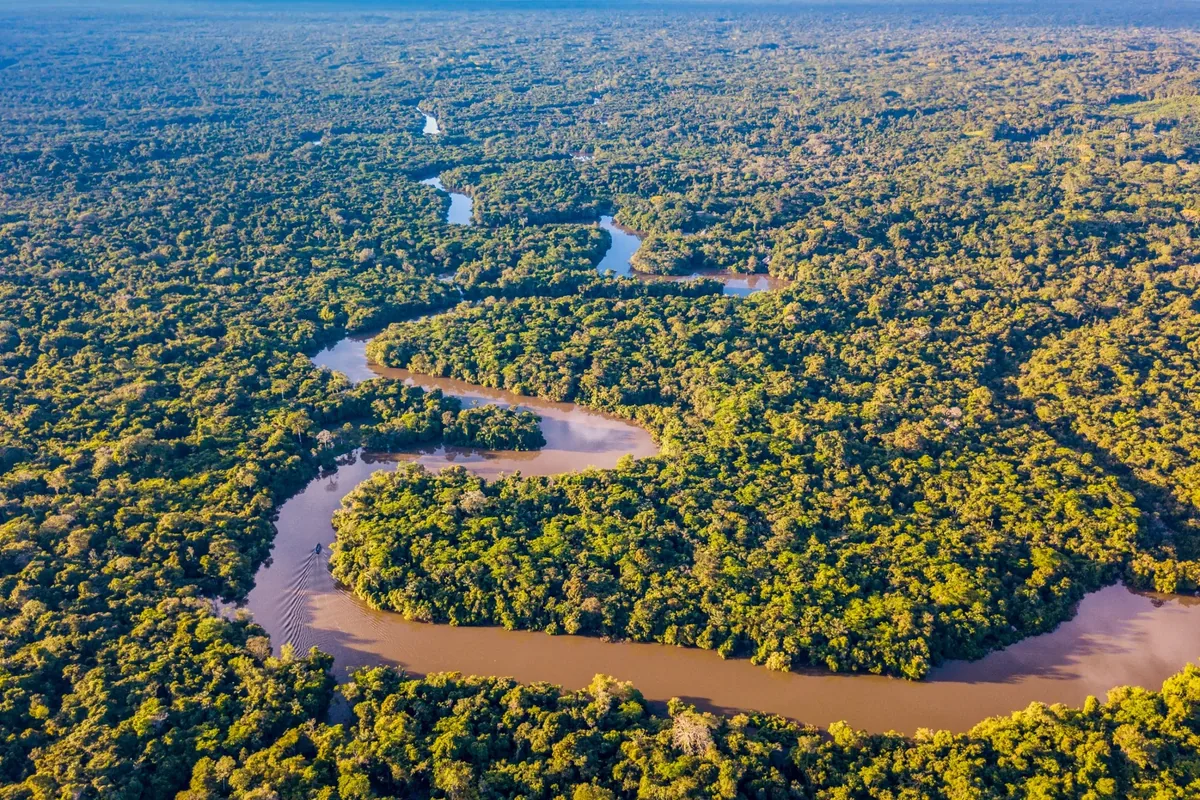
Aerial view of a winding river surrounded by forest
Iquitos · Tambopata · ManuThree regional starting points
Route-specificConfirm transfers and usable time
Guided observationWildlife is never guaranteed
Stay + routeCompare facilities and inclusions
Quick answer

Which Peru Amazon region should you choose?

Start with the setting: Iquitos and Loreto for northern river and forest travel, Tambopata for named lake and clay-lick sectors, and Manu for a journey through changing landscapes. Match the complete route to your available days and interests; no single region is best for everyone.

CHOOSE YOUR SETTING

Three starting points. Different journeys.

Iquitos & Loreto

A starting point for northern Amazon travel, with Iquitos as Loreto’s capital and regional reserves including Pacaya Samiria and Allpahuayo Mishana. A city stay, a forest lodge and a river itinerary offer different experiences. Ask where you sleep, which areas you visit and how much of each day is spent traveling.

Tambopata & Puerto Maldonado

Consider the specific lodge and reserve outings when comparing this southern Amazon route. Tambopata National Reserve includes visitor experiences around forest, rivers and lakes. The gateway, accommodation and protected-area visit are different parts of the journey: confirm their locations and which transfers and entrance arrangements your quote includes.

Manu

A Manu itinerary needs a clear route description. SERNANP identifies visitor circuits from Cusco through cloud forest and onward toward the river sectors. Tourist access is limited to designated areas. Ask which sectors your proposed trip actually reaches, who operates it and how the transport connects each overnight stop.

THE JOURNEY AT A GLANCE

Routes with a real sense of place

Illustrative route shapes; not fixed packages or transfer schedules.
RegionRoute shapeWhat gives it character
Iquitos · LoretoIquitos → chosen forest or river basePacaya Samiria’s river landscapes or Allpahuayo Mishana’s white-sand forest: choose the specific protected area, not just the city.
TambopataPuerto Maldonado → named lodge and reserve sectorSandoval’s lake setting and Tambopata’s clay-lick outings offer different observation experiences.
ManuCusco → cloud forest → onward river sectorsThe official circuit passes through Pilcopata and Atalaya toward the Alto Madre de Dios and Manu River sectors.
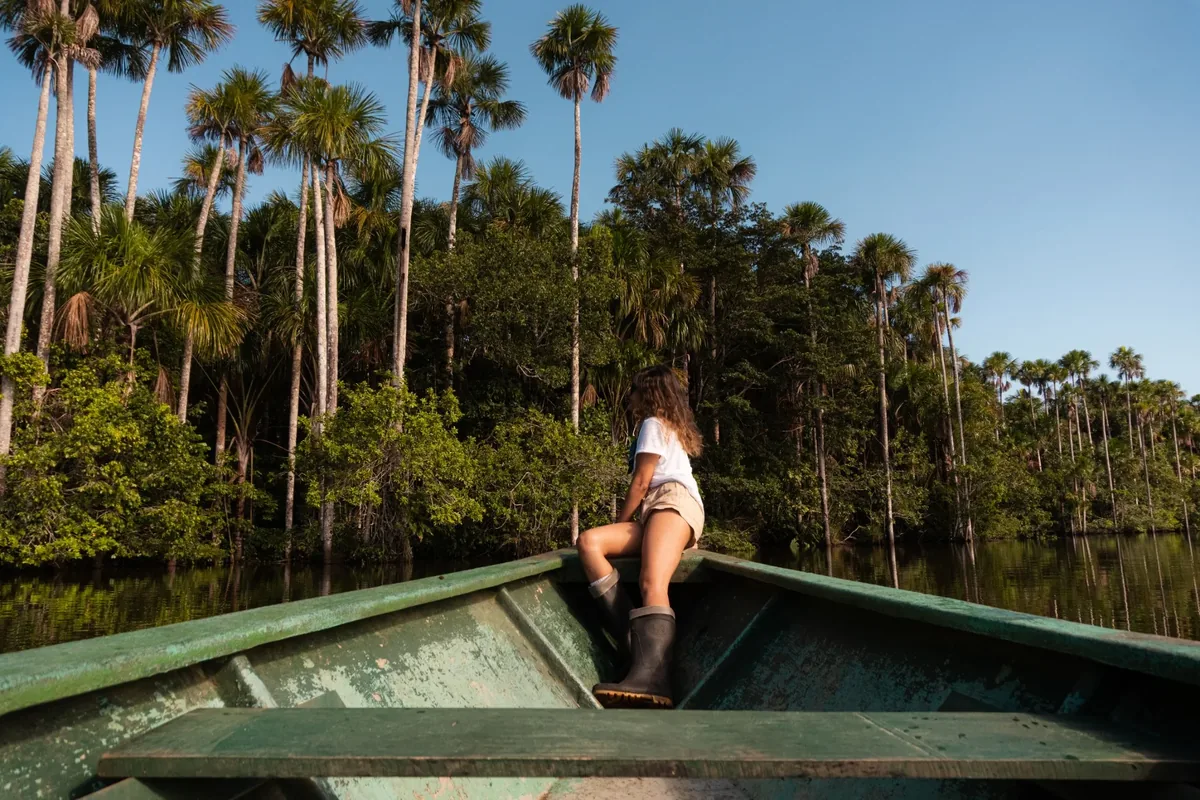
View from a canoe along a forest-lined river

Choose the experience you want to make time for

Wildlife & birdwatching

Describe the subjects that interest you and whether you want general nature outings, dedicated birding or patient photography. Ask about guide experience, group size and the actual habitats visited. Photos can inspire a trip, but they do not guarantee a sighting.

A stay that suits your group

Compare the room and daily rhythm as carefully as the destination. Ask about sleeping arrangements, meal options, power, communications and the demands of each outing. Give the provider your group’s practical needs before comparing prices.

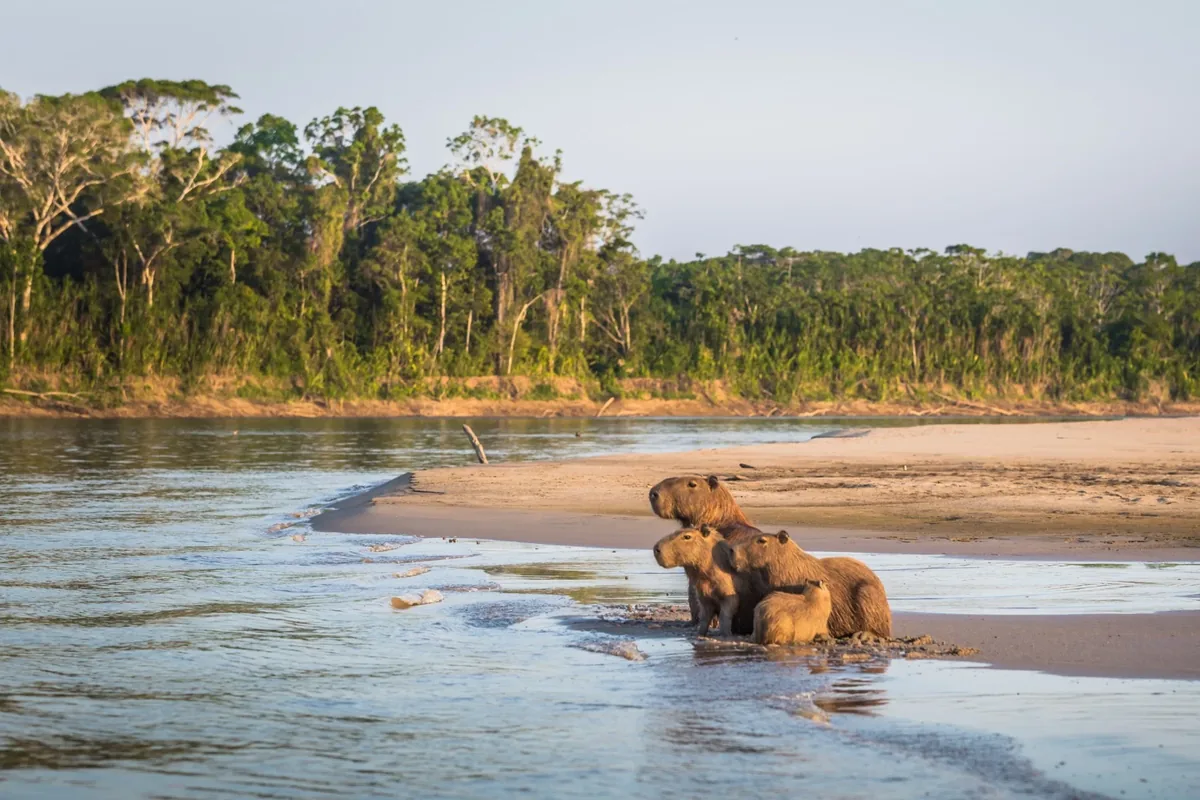
Capybaras resting on a sandy riverbank

River time or a forest base?

Look at the sequence of nights. Do you stay in one place and make outings, or move between locations? Check how much of the itinerary is transfer time and what happens if a connection changes. Neither format is automatically better; the right choice depends on what you want to experience.

Compare the whole journey, not just the headline

A useful proposal makes the route easy to understand. Put these details side by side before choosing a program.

Route
Arrival point, overnight locations, outings and final drop-off.
Time
Transfer days separated from time at your forest base.
Guiding
Language, interests, group size and shared or private arrangements.
Inclusions
Meals, entrance arrangements, transfers and optional activities.

What makes each region different?

Loreto: rivers, flooded forest and white-sand habitats

Loreto offers more than one version of an Amazon journey. PROMPERÚ highlights Pacaya Samiria and the white-sand forests of Allpahuayo Mishana. Those names describe different protected landscapes, not interchangeable outings from every lodge. A river itinerary, a reserve visit and a stay near Iquitos can have very different daily rhythms. Choose the landscape first, then check that the route actually reaches it.

Tambopata: choose the outing as well as the lodge

SERNANP describes visitor sectors with lakes, trails and clay licks. A clay-lick excursion and a lake visit are distinct experiences, and a lodge’s address alone does not tell you which is included. Ask for the named visitor sector, the outing schedule and the transport needed. For photography, consider whether the program leaves time to watch one setting patiently rather than simply collecting stops.

Manu: read the journey in stages

The official Manu visitor circuit connects Andean and cloud-forest landscapes with river sectors. That variety is part of the appeal, but it makes the sequence of travel especially important. A program using the name Manu may not reach the same visitor sector as another. Compare the overnight stops and named sectors, rather than assuming every journey enters the same part of the national park.

One country, several kinds of Amazon trip

A forest stay can give you a settled base for repeated outings. A moving river journey makes travel part of the experience. A route through changing landscapes places more emphasis on the journey between bases. Decide which rhythm sounds appealing before choosing a package length. You can still combine interests, but each extra destination needs its own arrival, departure and time to explore.

Choose how you want to experience the forest

Walks and quieter observation

Guided walks suit travelers who enjoy looking closely rather than covering distance quickly. Ask about the actual trail surface, pace, heat exposure and opportunities to pause. A general nature walk and dedicated birding can use the same forest very differently. Tell the guide whether you prefer broad interpretation, patient observation or a specific photographic focus.

River outings and lake visits

Being on the water changes your viewpoint and the rhythm of a day. Compare a short excursion with a longer transfer: both may be called a boat journey, but only one may leave much time for observation. Ask about boarding, seating, weather protection and flotation equipment. Discuss access needs in advance instead of assuming that every boat or landing works for everyone.

Families, couples and mixed-interest groups

Start with the least flexible needs in the group: sleeping arrangements, walking comfort, meal requirements and how early people want to begin. A good itinerary can balance focused outings with quieter time, but ask how that works in practice. Confirm whether anyone can opt out of an activity and what supervision or alternatives are available at the base.

Birding and photography with purpose

Share your interests before the itinerary is settled. Guide experience, time in suitable habitat and the willingness to wait matter more than a long wildlife checklist. Ask how the group handles noise and observation distance. Choose encounters that leave animals free to move; avoid feeding, baiting or handling wildlife for photographs. No species sighting should be treated as a booking guarantee.

Give the journey enough room

Count useful days, not only advertised nights

Put arrival and departure beside each overnight stop. A short stay with two substantial transfer days can leave little room for unhurried exploration. Ask which activities happen on travel days and what happens if your arrival is delayed. For a longer route, understand how many nights are spent in transit or at each base before adding another destination.

Plan around conditions, not a perfect-season promise

Ask how your proposed route changes with river conditions and rain: landing points, outings and access can matter more than a general month-by-month description. Tell the provider whether walking, time on the water or photography matters most. Build flexibility into the sequence and confirm the current arrangements for your specific travel dates. Weather and wildlife do not follow a guaranteed timetable.

Questions travelers ask about Peru

Should I choose Iquitos, Tambopata or Manu?

Choose by landscape, journey style and the route you can comfortably fit into your wider Peru trip. Loreto is a starting point for northern river and forest travel; Tambopata offers reserve sectors with different outings; Manu calls for particular attention to the multi-stage route. Our regional comparison is a starting point, not a claim that one region is best for every traveler.

Does a lodge stay include entry into a reserve?

Do not assume so. Ask which protected area and visitor sector the itinerary reaches, who arranges admission and what is included in the price. The accommodation, gateway and reserve outing may be separate parts of the program.

Can I combine the Amazon with the rest of Peru?

Yes, but plan the connections before filling the remaining days. Share your preceding and following destinations, flight reservations and any fixed commitments. Compare the complete transfer sequence and allow the provider to explain practical connections rather than treating the Amazon as an interchangeable add-on.

What should I send in my first inquiry?

Send your start and end dates, group size, preferred pace, main interests, room requirements and an approximate budget. Include onward plans and any access or dietary needs. The trip-planning guide helps you turn that outline into a useful conversation.

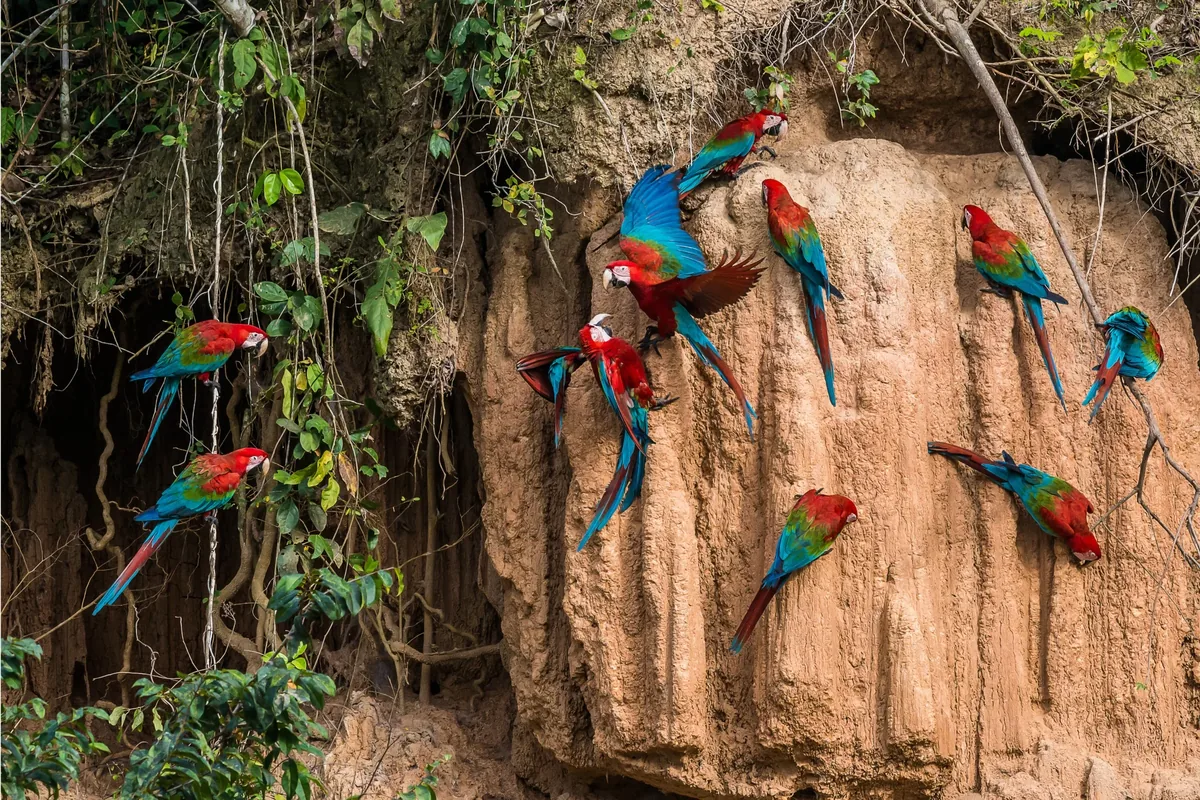
Colorful macaws gathered on a clay bank

A CLOSER LOOK

Wildlife encounters worth slowing down for

Tambopata’s clay licks bring color and movement to a forest journey. SERNANP also identifies lake and trail experiences: a day on Sandoval and time at a clay lick are different ways to observe the reserve.

Manu’s official visitor information describes lakes with giant otters and forest birding trails. In Loreto, river landscapes and white-sand forest offer another contrast in setting. Choose habitats and time for observation rather than a promised species list.

Build wildlife time into your plan →

Explore the regional guides

Iquitos & Loreto

Compare river journeys, forest bases and white-sand settings. Explore Iquitos →

Turn your ideas into a clear trip inquiry

Start with your dates, travel companions, interests and onward plans. Our planning guide helps you prepare the details that make different proposals easier to compare. Tell us what matters most; an inquiry starts a conversation and does not confirm a booking.

Plan your Peru journey

Sources & scope

Regional context reviewed October 7, 2026. The planning checklist is editorial guidance, not a verified package catalogue. Confirm current arrangements before booking.

Explore the next part of Peru

Match your priorities to a named route before choosing where to stay.

Define your next step

Choose the route and overnight format that support your priorities.

Shape your time in nature

Choose when to travel

Compare Tambopata and Pacaya Samiria seasonal guidance with your named route and available time.

Prepare the practical details

Prepare your packing list

Choose clothing and equipment for the actual stages and overnight setup, then check what is supplied.