Experience
The Amazon
Ecuador›Ecuador Amazon Birdwatching Tour

Ecuador trip guide

Birdwatching at your pace, with a clear plan

Choose a setting and a guide for the way you enjoy birds. Compare observation time, group size, equipment and the pace of each outing.

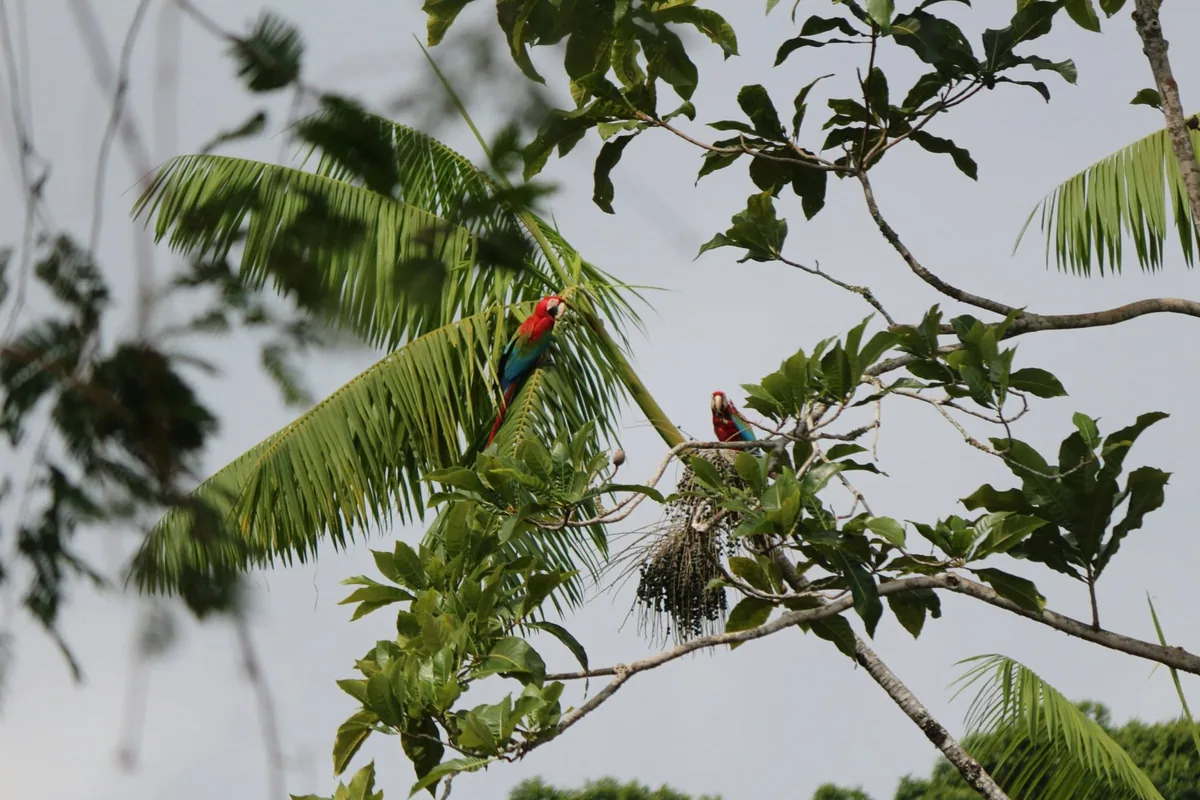
Bird on rainforest branch
Your birding levelBeginner or experienced
Relevant guidingConfirm skills and language
Observation timeSeparate it from transfers
Responsible approachAsk how outings are led
Quick answer

Compare the setting before the species list

Start with your birding experience and interests, then compare the exact base and guiding program. A general wildlife outing and a bird-focused outing can have different priorities. Ask how the provider organizes observation, what equipment is included and how much time is available after transfers. No itinerary guarantees a species list.

Yasuní and the Napo corridor

Confirm the actual property and its guiding program. A lodge in the corridor is not automatically inside the national park. Ask which forest or river outings it offers and how the guiding and observation time match your interests. Do not treat a regional wildlife photograph as a promised sighting.

Read the regional guide →

Cuyabeno

River and canoe travel, flooded forest and lagoon landscapes shape this reserve setting. Ask where the proposed base sits, which outings are offered and how much time is spent observing versus transferring. Compare the actual guide, group and requirements rather than relying on the reserve name alone.

Read the regional guide →

Tena and Misahuallí

Compare a road-access town base with a property beyond it. The exact location and the departure points of outings matter to the time you can spend observing. Ask the provider to explain the offered habitat, guiding and activity requirements for the specific base and dates.

Read the regional guide →

Puyo and the Pastaza gateway

A city base and a stay farther into the region create different practical arrangements. Locate each botanical or forest outing before comparing it. Ask about guiding detail, access and time at the activity rather than assuming every experience around Puyo has the same habitat or program.

Read the regional guide →

Practical decisions

Six decisions for a bird-focused journey

Use the provider’s actual program to compare guiding, pace and time in the field.

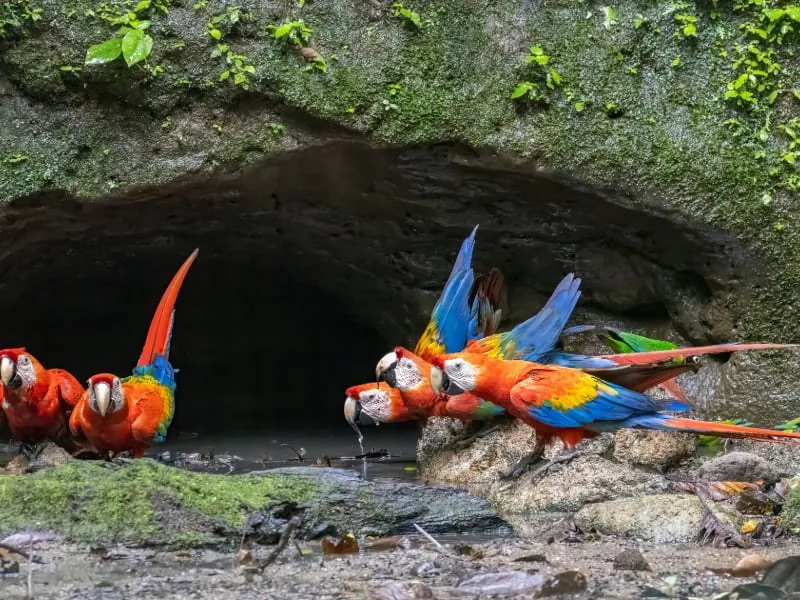
Macaws at clay bank
Macaws at clay bank
01

A guide for your interests

Tell the provider whether you are new to birdwatching, enjoy photography or already keep a species list. Ask about the guide’s local bird knowledge and the language used on outings. A bird-focused program should explain its priorities clearly; a general wildlife tour may divide attention among several interests. Neither format can promise a particular bird or a fixed species count.

  • What birding experience does the assigned guide have in this area?
  • Is identification and explanation available in your preferred language?
  • How does a bird-focused outing differ from the general program?
02

Compare habitats and outings

Compare the actual base and the places each outing visits, rather than choosing from a long list of possible species. Ask whether observation takes place from trails, boats or a viewing structure, and which activities are included. The descriptions should help you understand the setting and effort involved. Photos on this guide show Ecuadorian Amazon examples; they do not describe a guaranteed itinerary.

  • Which habitats and observation locations are included in the written plan?
  • Are boat outings or viewing structures included, optional or unavailable?
  • How does the program avoid disturbing birds during observation?
03

Make space for a slower pace

Birdwatching can involve waiting as well as moving. Discuss how long you prefer to stay at a stop and how much walking feels comfortable. Shared groups may have several interests, so ask how the guide balances them. If a private outing matters to you, confirm who shares the guide and transport, rather than assuming that a private room means private activities.

  • How many people share the guide on each outing?
  • How are observation stops balanced with walking and rest?
  • Which changes to pace can be confirmed before booking?
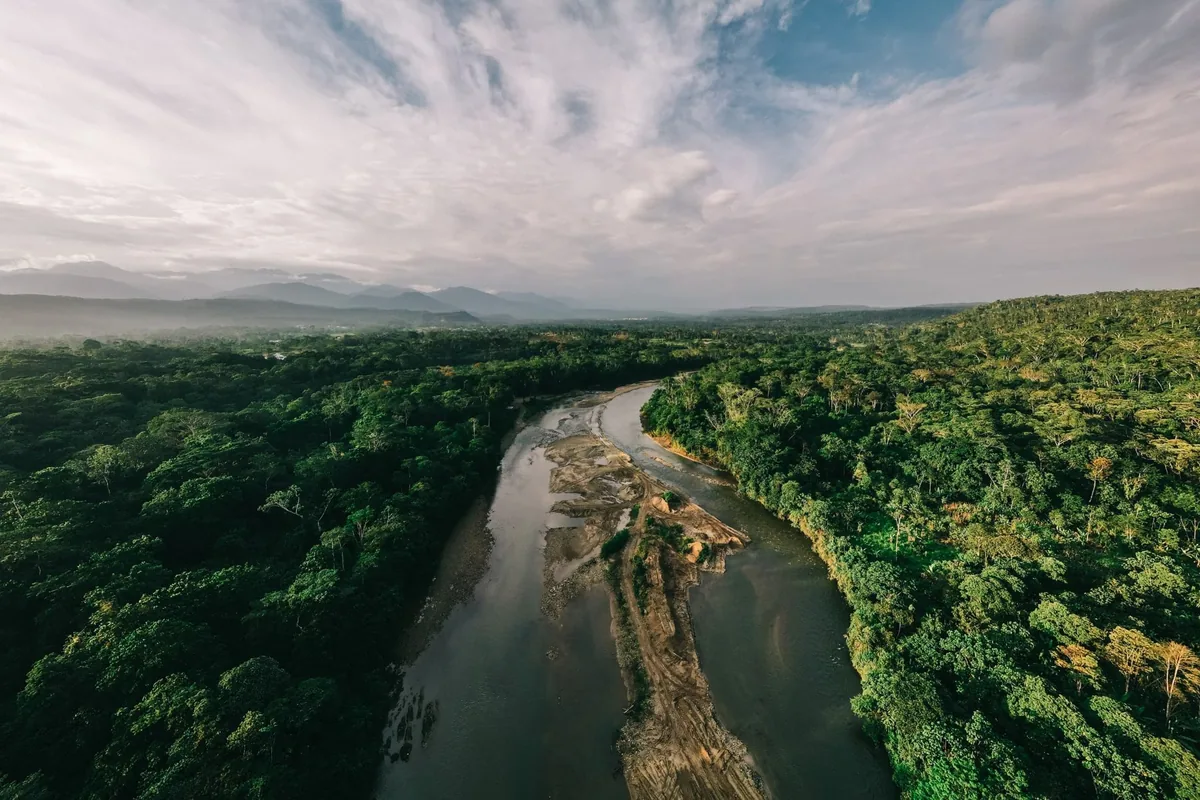
Aerial river forest
Aerial river forest
04

Know what to bring

Check the equipment list before buying or packing anything specifically for the trip. Ask whether binoculars are supplied, how many people share them and whether a scope is available. If you are bringing a camera, describe your needs without expecting close encounters. Confirm luggage arrangements for transfers and what protection you need for your own equipment in the conditions described by the provider.

  • Are binoculars included, shared or something you need to bring?
  • Is a scope available, and who uses it?
  • What equipment and luggage arrangements apply to the proposed transfers?
05

Look at the whole schedule

A trip length does not tell you how much time is devoted to birds. Read the arrival and departure days alongside the outings, transfer periods and rest breaks. Ask why activities are scheduled at their proposed times and what happens when conditions change. Compare a realistic daily rhythm with your interests instead of treating every hour away from the lodge as dedicated birdwatching.

  • How much of each day is planned for focused bird observation?
  • Why are the proposed outings scheduled at those times?
  • Which alternatives are offered when conditions change the plan?
06

Keep expectations in writing

Use the quote to connect guiding, equipment and observation time with the total trip plan. A useful proposal identifies the base, transfers, shared arrangements and optional activities. Keep room for the uncertainty of wild birds without accepting vague descriptions of what you are buying. Ask for clarification where a species list or promotional photograph could be mistaken for a promise of a sighting.

  • What guiding, equipment and outings are included in the quote?
  • Which activities cost extra or depend on availability?
  • Does the proposal clearly state that sightings are not guaranteed?

Describe the birding experience you want

Tell the provider whether you are beginning, enjoy patient observation, keep a list or want time for photography. Explain your preferred language and walking pace. Ask what relevant guiding experience is available for the actual location and dates. The answers should show how the outing meets your interests, rather than repeat a broad promise that the region has many birds.

Photography and observation may need different arrangements

Discuss whether your group wants to watch, identify, photograph or combine those interests. Ask how the guide handles time at an observation point and whether shared outings can accommodate your pace. Confirm any equipment, boat or walking arrangements that matter to your work. A private booking or longer stay does not guarantee better images or specific sightings; compare the services actually offered.

Your questions

Before you choose

Do I need previous birdwatching experience?

Describe your level and ask how the guide explains identification and observation during the offered outings. A beginner and an experienced birder may want different pacing or detail. Confirm the group and language arrangements so the program can be judged against your interests rather than a general birding label.

How do I compare birding guides?

Ask about relevant experience at the proposed location, the guiding language and how the outings are organized. Discuss the interests of your group and the time available for observation. If specialist or private guiding matters, confirm availability and inclusion for your dates; the page does not verify a particular provider.

Will I see the birds in the photos?

Not necessarily. These are geographically documented regional photographs, not an itinerary checklist. Ask the provider for realistic expectations at the actual location and avoid guaranteed sightings. A longer stay or specialist guide does not establish that a particular species will be observed.

Are binoculars or spotting scopes included?

Ask which equipment, if any, is provided, whether it is shared and what you should bring. Confirm the arrangements for the actual outing and your group. Do not infer equipment availability from the tour name, a photograph or the length of the program.

Should I choose walks or river observation?

Compare what the provider actually offers at the base. Ask about walking effort, boarding, observation time and guiding for each proposed outing. Choose the method that matches your interests and requirements rather than assuming one method always produces more birds or better views.

What should my birding quote include?

Request the exact property, nights, guide and activity-group arrangements, observation program, transfers, meals, equipment and exclusions. Keep the complete price and change terms in writing. Compare proposals for the same dates and group, and separate independently booked services from the package.

Your next step

Tell us what your journey needs

Share your dates, group, starting point, interests and onward plans to prepare a focused inquiry.

Sources and approach

Reviewed October 5, 2026. Regional facts draw on the destination sources below. Comparison questions and duration suggestions are editorial planning guidance; verify current facilities, availability and terms with the provider. Photos show documented regional settings, not endorsements of bookable properties.