Experience
The Amazon
Ecuador›Animals of the Ecuador Amazon

Ecuador trip guide

Meet the forest on its own terms

Monkeys in the canopy, hoatzins on a riverside branch and turtles at the water’s surface: discover the wildlife of the Ecuadorian Amazon through its forest and river habitats.

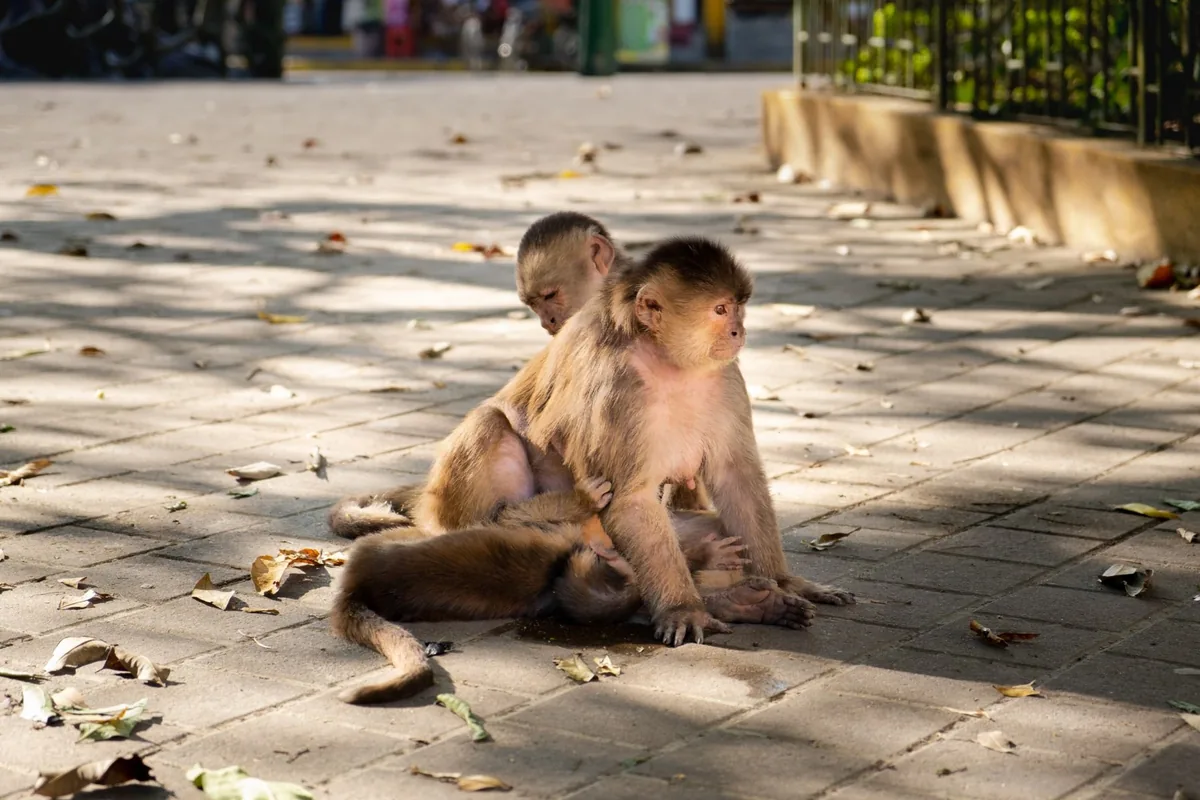
Monkeys town square pair
Forest and riverChoose the habitat
Guided observationLearn what you notice
Wildlife moves freelyKeep expectations open
Space and patienceObserve responsibly
Quick answer

A wildlife journey is more than a list of sightings

Start with a habitat, a regional base and the kind of observation you enjoy. The Ecuadorian Amazon supports many kinds of wildlife, but a biodiversity record does not predict an encounter on your trip. Use the examples below to begin a conversation with your guide, then compare the actual routes, time, interpretation and physical requirements of the proposed outings.

Monkeys in the forest

Woolly, spider and squirrel monkeys are among the mammals recorded by UNESCO for the Yasuní biosphere region. Their presence in a regional record does not establish a sighting opportunity at every base. Ask your guide about the local setting, what has actually been observed and how the group should respond to movement in the trees.

Read the regional guide →

Large and aquatic mammals

Tapirs, sloths, river dolphins and giant otters also appear in UNESCO’s regional account. Treat those names as examples of biodiversity rather than a checklist for a short tour. Ask for the context of any advertised observation and choose a program that remains worthwhile when an elusive animal does not appear.

Read the regional guide →

Birds and river reptiles

The hoatzins shown here were photographed in Cuyabeno; the arrau turtle was photographed in Ecuador’s Napo region. Together they introduce two different groups of animals and the waterside settings that shape an observation. Ask your guide which river edges and habitats the proposed route explores, and give animals space without feeding, handling or following them.

Read the regional guide →

Choosing a regional base

Compare Cuyabeno, Yasuní and the Napo corridor, or a town-based outing from Tena, Misahuallí or Puyo. Ask where each activity happens and how you reach it. A broad Amazon label cannot establish the habitat, guiding, facilities or wildlife observation approach of a specific program.

Read the regional guide →

Practical decisions

Build a journey around curiosity

Six ways to turn wildlife interests into a thoughtful, clearly described program.

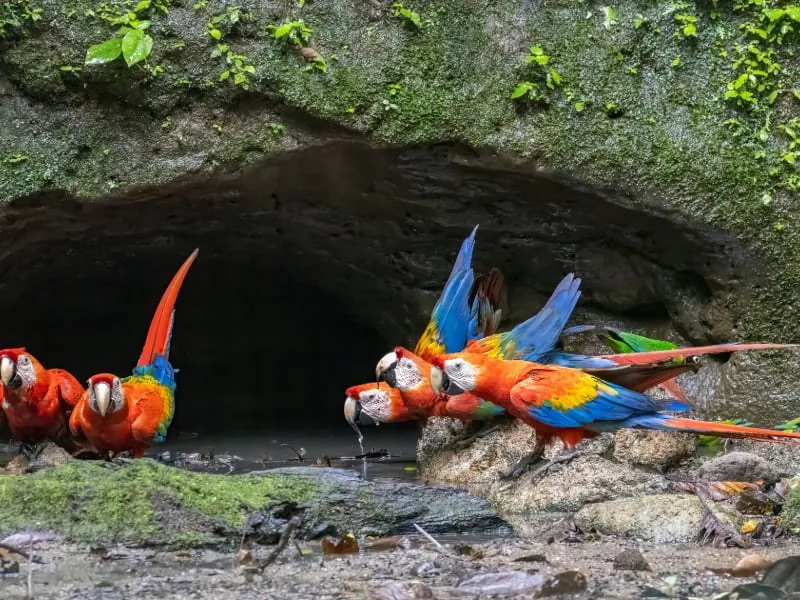
Macaws at clay bank
Macaws at clay bank
01

Let the habitat lead the journey

An animal wish list is a useful starting point, but the proposed habitat deserves equal attention. Ask where the outings take place and how each location relates to your interests. A river outing and a forest walk offer different ways to observe. Choose a coherent regional program rather than a collection of distant stops built around promises of particular animals.

  • Ask for the actual base and excursion locations.
  • Compare the time spent observing with the time spent transferring.
  • Keep an alternative outing in mind if the original plan changes.
02

Notice more than the headline species

UNESCO records monkeys, sloths, tapirs and aquatic mammals in the Yasuní biosphere region. That record describes biodiversity, not the likelihood of meeting an animal on a short visit. Leave room for smaller discoveries and the guide’s interpretation. A photograph, distant movement or sound may begin an interesting explanation without becoming a close encounter or a certain species identification.

  • Ask which observations come from the proposed area, with dates and context.
  • Treat a target animal as an interest, never a booking guarantee.
  • Enjoy the surroundings even when a particular species stays out of view.
03

Make interpretation part of the experience

A guide can help you connect an observation with its setting and explain the limits of an identification. Tell the provider whether you prefer a broad introduction, photography or more detailed natural history. Ask how the outing works for your group and which languages are available. The best fit is a clear match between your interests and the actual person guiding.

  • Request the guide’s relevant regional experience and language.
  • Ask how uncertain identifications are explained to guests.
  • Discuss the balance between walking, stopping and listening.
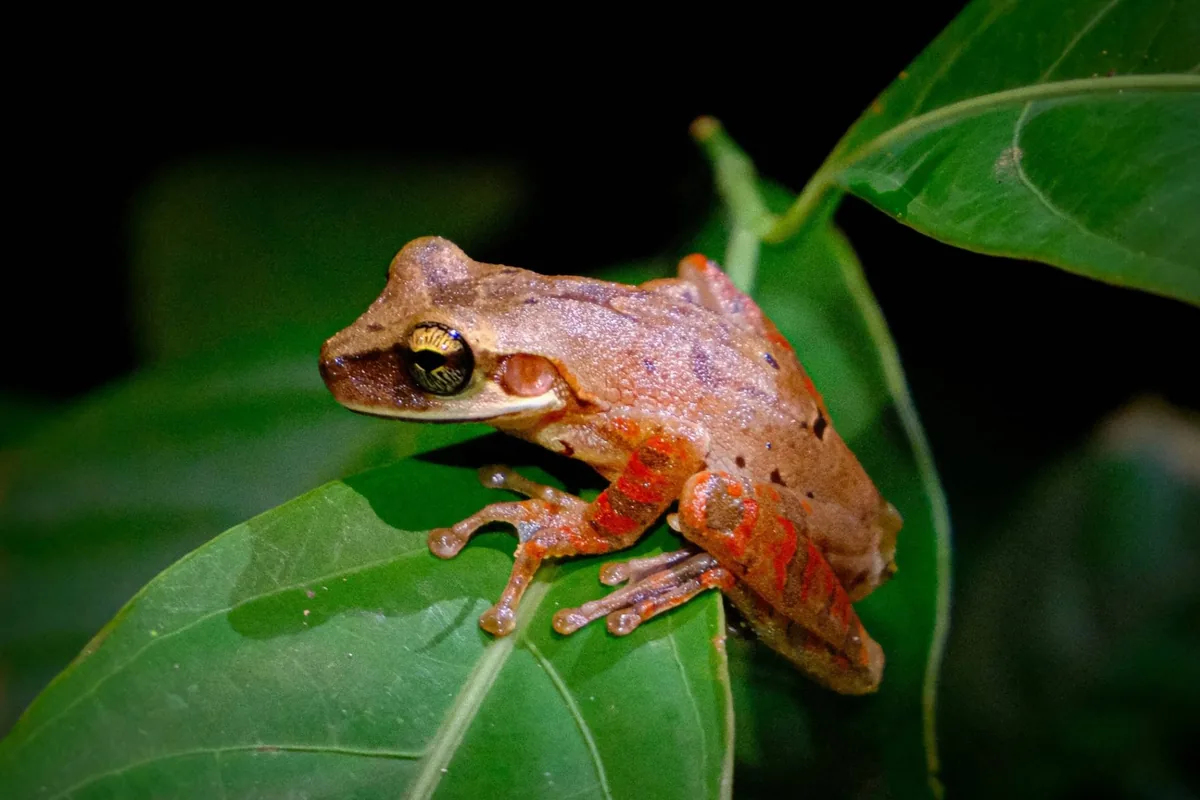
Orange frog on leaf
Orange frog on leaf
04

Give wildlife room

Plan to observe from the route and position your guide permits. Do not feed, handle or pursue an animal for a closer photograph. A quiet pause can be part of the experience; it does not need to turn into an encounter arranged for the camera. Ask how the provider responds when wildlife approaches or when the group is asked to move away.

  • Ask for the wildlife observation rules before the outing.
  • Keep food and personal belongings managed as the guide directs.
  • Let the animal move away without following or blocking it.
05

Plan for your own pace

Describe your mobility, balance and camera needs before choosing an outing. Ask about trail surfaces, boarding, walking length and opportunities to pause; the destination name alone does not answer those questions. If a boat or other equipment is proposed, ask what is supplied and what you need to bring. Confirm arrangements for your booking rather than assume every property offers the same support.

  • Ask for an explanation of terrain and boarding requirements.
  • Clarify camera storage and rain protection without assuming provision.
  • Agree what alternatives are available for your group.
06

Choose the program behind the photographs

A wildlife gallery can show what someone photographed, but it cannot describe your future itinerary. Request a written plan with the base, responsible provider, included outings and transfers. Review current regional advice for every part of the journey, not only the reserve. A focused inquiry gives the provider something concrete to answer and makes competing proposals easier to compare.

  • Confirm days, nights and actual observation time in writing.
  • Ask what changes if an outing cannot take place.
  • Keep the proposal, terms and contact details together.

Keep a useful wildlife notebook

Write down the date, place and what you actually observed. Separate a guide’s confirmed identification from a tentative one, and distinguish an animal you saw from a sound or track discussed during the outing. A short note can help you remember the experience without inflating a species list. Ask the guide before sharing precise locations that could draw attention to a sensitive observation.

Combine learning with practical planning

A rewarding wildlife trip still needs a clear itinerary. Ask how the lodge or base, road and river transfers, guiding and outings fit together. Share your dates, group, mobility requirements and photography interests. Review current advice for every gateway and ask what would change the plan. Choose the proposal whose details you understand rather than the one with the most dramatic collection of photographs.

Your questions

Before you choose

Which animals can I see?

The animals present and the ones you observe are different questions. Ask about the specific habitat and recent local observations. Regional examples include monkeys and aquatic mammals, but no animal on this page is promised for your itinerary.

Are wildlife sightings guaranteed?

No. A photograph or biodiversity record does not guarantee a future encounter. Compare the habitat, guiding and observation time, and choose a journey you would enjoy even if a target species remains unseen.

Is Yasuní the same as every Napo lodge?

No. Ask for the exact location of the property and outings. A Napo-corridor description does not mean the accommodation or all its activities are inside Yasuní National Park.

Can I feed or touch wildlife?

Do not feed, handle or pursue wildlife for an encounter or photograph. Follow the guide’s instructions and ask how the provider keeps animals undisturbed during the specific outing.

What should I bring for observation?

Ask the provider what is supplied and what you need for the agreed route. Discuss binoculars, camera protection, carrying equipment, clothing and mobility requirements without assuming gear is included.

How do I compare wildlife programs?

Request the base, outings, guiding, transfers and actual observation time in writing. Discuss your interests and physical needs, review current regional advice, and clarify alternatives and change terms before committing.

Your next step

Tell us what your journey needs

Share your dates, group, starting point, interests and onward plans to prepare a focused inquiry.

Sources and review

Reviewed October 5, 2026. Regional examples and planning questions; this is not a complete species inventory or an operator endorsement. Check current official information and the actual provider before booking.