Experience
The Amazon
Ecuador›4-Day Ecuador Amazon Tour

Ecuador trip guide

Four days: choose the rhythm that fits

Compare a stay built around two main days outdoors. Choose the setting, the guiding and the rhythm that make your available time worthwhile.

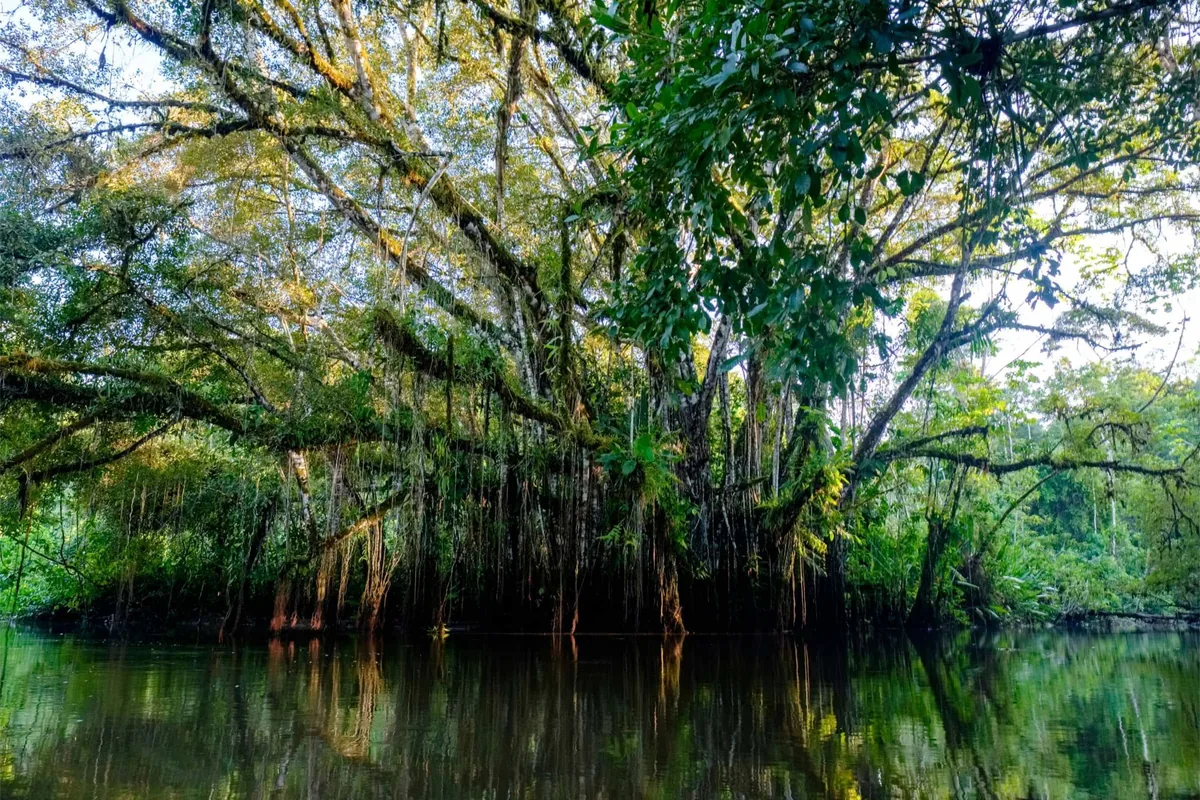
Flooded forest tree
Flooded forest tree
Four calendar daysConfirm dates and nights
Two main daysAn illustrative framework
A second interestVariety or a deeper focus
Complete routeInclude arrival and departure
Quick answer

Choose what the second day should add

An illustrative four-day sequence is arrival, two main activity days and departure. Actual nights and hours depend on the provider’s itinerary and the complete route. Compare what the second main day adds to a shorter stay: another interest, a return to a favorite activity or time to slow down.

Tena or Misahuallí

Compare road-access bases when exploring a short stay. The location of your accommodation and the departure point of each outing matter as much as the region name. Ask for a complete itinerary before deciding whether the travel leaves enough time for your priorities.

Read the regional guide →

Cuyabeno

River and canoe travel are part of the experience and also part of the clock. Check the regional pickup, onward transfer and departure arrangements against your available days. Do not assume a short package provides three full days of reserve exploration.

Read the regional guide →

Yasuní and the Napo corridor

The exact property and its transfer sequence determine what a short program can cover. Clarify whether the lodge is inside the park or elsewhere in the corridor. Compare the time at the property with the full journey before choosing a duration.

Read the regional guide →

Puyo and nearby outings

A city-based extension can differ from a lodge stay farther into Pastaza. Choose by the actual activities and their location. Ask how transport, guiding and invited visits fit your dates instead of treating all experiences near Puyo as the same short tour.

Read the regional guide →

Practical decisions

A four-day framework with two different decisions

Use one main day to explore your priority, then decide whether the next should add variety or deepen it.

Canoe paddler flooded forest
01

Count the time you actually have

A four-day label is only the beginning of the comparison. Write down the dates, nights and hours at the accommodation, then place arrival and departure around the two main activity days. Check where the included services begin. This separates the time you can spend on your interests from the wider journey and any independently arranged stays.

  • What dates, nights and starting point does the written four-day proposal actually cover?
  • How much time remains for activities on each day after all confirmed transfers are included?
  • Do any parts of your journey from Quito need a separate reservation or an additional overnight stay?
02

Day 1: a clear arrival

Use arrival day to understand the base and the proposed rhythm. Ask how the transfer, meals and orientation fit together before adding an outing. A comfortable start depends on the actual arrangements and your group’s needs. Describe your preferences and confirm what can change if arrival is delayed; do not treat every possible evening activity as an inclusion.

  • Which meeting point, final transfer and check-in arrangements are confirmed for your arrival date?
  • Does the arrival schedule leave time for the meals, orientation and rest your group needs?
  • If an outing is proposed, is it included and confirmed or subject to the actual arrival time?
03

Day 2: follow your main interest

Give the first main day a focus your group shares. Compare the offered activity with its duration, effort, guiding and travel to the starting point. Ask what equipment is supplied and what you need to bring. Agree on a pace before booking so that the program gives you time to engage with the setting instead of simply moving through a list.

  • Which offered outing best matches your main interest, and how much time is spent on the activity itself?
  • What guiding, group size and equipment arrangements apply to that specific outing?
  • Which adjustments can the provider confirm if someone needs a slower pace or skips the activity?
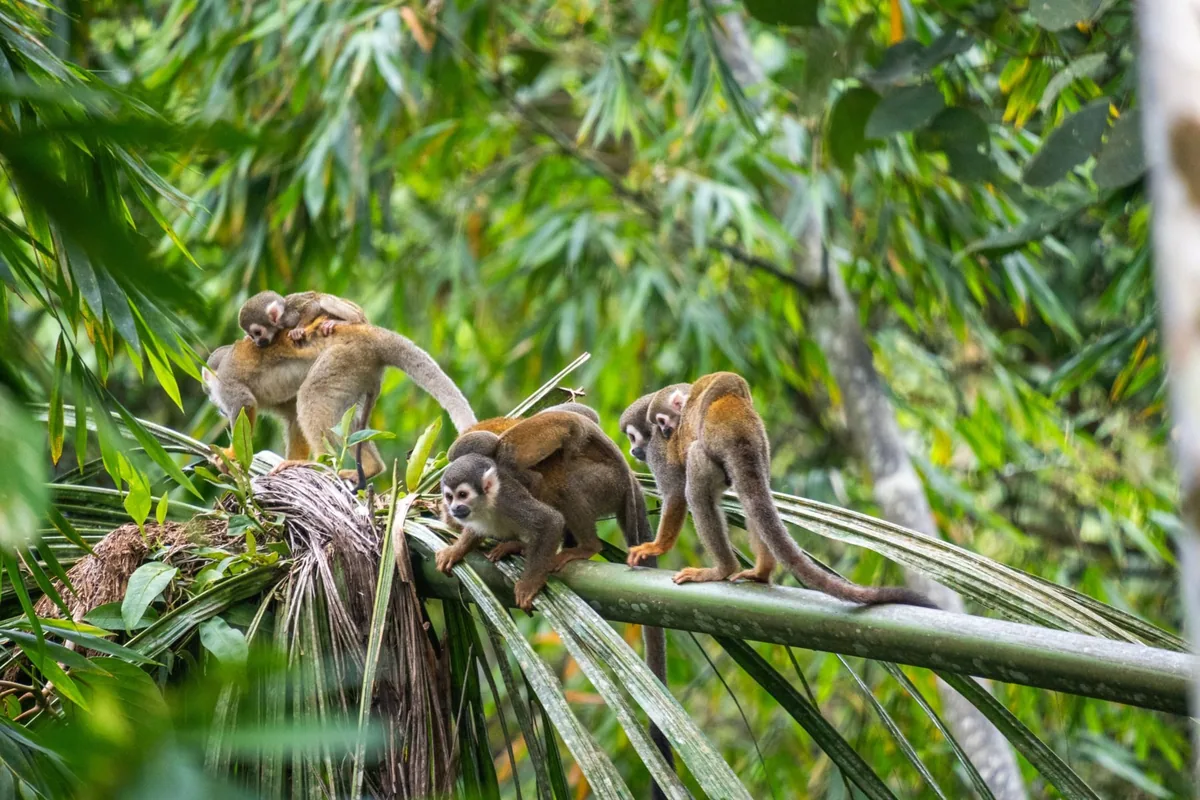
Monkeys on forest branches
04

Day 3: variety or a return visit

The second main day is the reason to compare this format with a shorter stay. You might value a different type of outing or another chance to pursue the same interest. Ask what the provider can offer at the exact base and how much transfer time each choice adds. Neither variety nor repetition is automatically better; choose the purpose that fits your group.

  • What would a different activity add compared with revisiting an outing that interests you?
  • Which alternatives are confirmed, and do shared group arrangements limit the choice?
  • How do effort, rest and transfer time differ between the proposed second-day options?
05

Day 4: connect the return journey

Departure should connect the stay to your next plans without relying on assumptions. Ask when the included services end and which segments you arrange separately. Compare the final drop-off with your onward commitment and discuss delays. Any proposed morning activity must fit the confirmed transfer plan, rather than become another item added to an already uncertain departure schedule.

  • Where does the booking end, and how do you continue from that point to your next destination?
  • Does any departure-day activity fit the provider’s confirmed return arrangements?
  • Who should you contact if a delay changes the return, and what written terms apply?
06

Choose the duration by what changes

Compare the same route in three-, four- and five-day versions. Mark what each additional night changes: actual activity time, rest, guiding, meals and transport. Keep the group and dates comparable so the difference is clear. Ask for complete prices and exclusions. The aim is to understand the value of the added time, not to choose the largest day count.

  • What does the fourth day add to a shorter proposal, and what would a fifth day change?
  • Are the quotes based on the same group, dates, room arrangements and meeting point?
  • Does the additional cost cover activities you value, rest you want or services you otherwise need to arrange?

Make the second day earn its place

Ask for the two main activity days side by side. If they repeat the same route, understand why: you may want another chance to observe, photograph or move more slowly. If they offer different activities, check the effort and the transfers between them. More entries on a schedule do not necessarily mean more time enjoying the place.

Compare three, four and five days on the same route

Request comparable proposals with the same starting point, dates and group. Mark the added nights, full activity hours, included meals and changes to transport. A four-day stay may offer a useful middle ground, but the title alone cannot establish that. Decide whether the additional time matches your interests and whether the complete cost fits your plans.

Your questions

Before you choose

Does a four-day tour always include three nights?

No. Confirm the actual dates, accommodation nights and where the services begin and end. Package descriptions can count days differently. Your journey from Quito and any overnight stay before or after the program may fall outside the advertised duration.

What is the four-day itinerary on this page?

It is an illustrative framework: arrival, two main activity days and departure. It is not a bookable offer or a confirmed operator schedule. Use it to compare written proposals and ask which activities are available at the actual location for your dates.

What should the second main day add?

It can offer a different activity, another opportunity to focus on an interest or a less hurried pace. Ask what changes from the first day, how much time is spent transferring and whether the guiding suits your priorities. Do not assume another day guarantees additional sightings.

Which destination should I choose for four days?

Compare the exact base, journey and available activity time. Cuyabeno, the Yasuní/Napo corridor, Tena, Misahuallí and Puyo have different settings and access arrangements. The regional guides help narrow your interests; the provider must confirm how a proposed stay fits the complete route.

Can one traveler choose a slower second day?

Ask what flexibility the provider can confirm before booking. Discuss walking demands, shared versus private activities and alternatives for someone who skips an outing. A spare space in an illustrative itinerary does not establish that a separate guide or activity is available.

How do I compare the total price with a shorter stay?

Use the same dates, group and meeting point. Compare nights, meals, guiding, transport, equipment and applicable charges, then mark exclusions and independently booked services. Ask for the change terms in writing. This guide does not publish live prices or verified package availability.

Your next step

Tell us what your journey needs

Share your dates, group, starting point, interests and onward plans to prepare a focused inquiry.

Sources and approach

Reviewed October 5, 2026. Regional facts draw on the destination sources below. Comparison questions and duration suggestions are editorial planning guidance; verify current facilities, availability and terms with the provider. Photos show documented regional settings, not endorsements of bookable properties.