Experience
The Amazon
Ecuador›Best Time to Visit the Ecuador Amazon

Ecuador trip guide

Choose dates for the journey you want

Start with your destination and priorities. Compare local conditions, outing flexibility and travel connections without expecting a rain-free month.

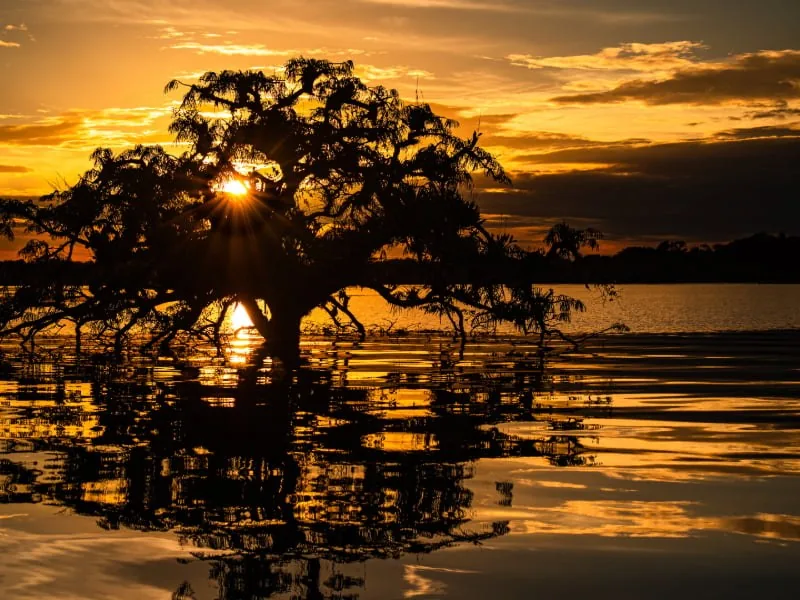
Flooded tree sunset
Flooded tree sunset
Destination firstName the actual base
Rain throughout the yearAllow for changing weather
Activity prioritiesCheck the proposed program
Current conditionsConfirm near departure
Quick answer

A useful date choice starts with the place

There is no single best month for every Ecuadorian Amazon trip. Ecuador’s national climate assessment describes rainfall throughout the year in the Amazon region, while climate patterns vary across the country. Treat that as broad background, not a forecast for your stay. Choose your destination and interests, then check recent local conditions, activity arrangements and change terms with the provider.

Cuyabeno

Start with the exact base and water route rather than a regional season label. Ask the provider what recent conditions mean for the proposed outings, arrival and departure. Keep the route and any alternative arrangements in writing; a lagoon photograph does not establish the water conditions for your dates.

Read the regional guide →

Yasuní and the Napo corridor

Locate the property and distinguish a national-park stay from the wider corridor. Check the actual combination of road, river and forest activities. Ask what can change for your dates and which alternatives are included, without treating all properties under the same destination name as one itinerary.

Read the regional guide →

Tena and Misahuallí

Use the exact activity location when comparing dates. A town-based stay, a forest property and a river outing can have different arrangements. Ask about recent local information, confirmed departures and transport from your accommodation. Do not apply a coast or Quito seasonal description to the proposed Amazon activity.

Read the regional guide →

Puyo and Pastaza

Specify whether you are planning town-based outings or a journey farther into Pastaza. Ask how the route and activities are reconfirmed, and how changes affect your onward plans. The conditions at one regional base are not a confirmation of access or activity availability at another.

Read the regional guide →

Practical decisions

Six checks for choosing your travel dates

Combine climate context with the actual route, available program and recent local information.

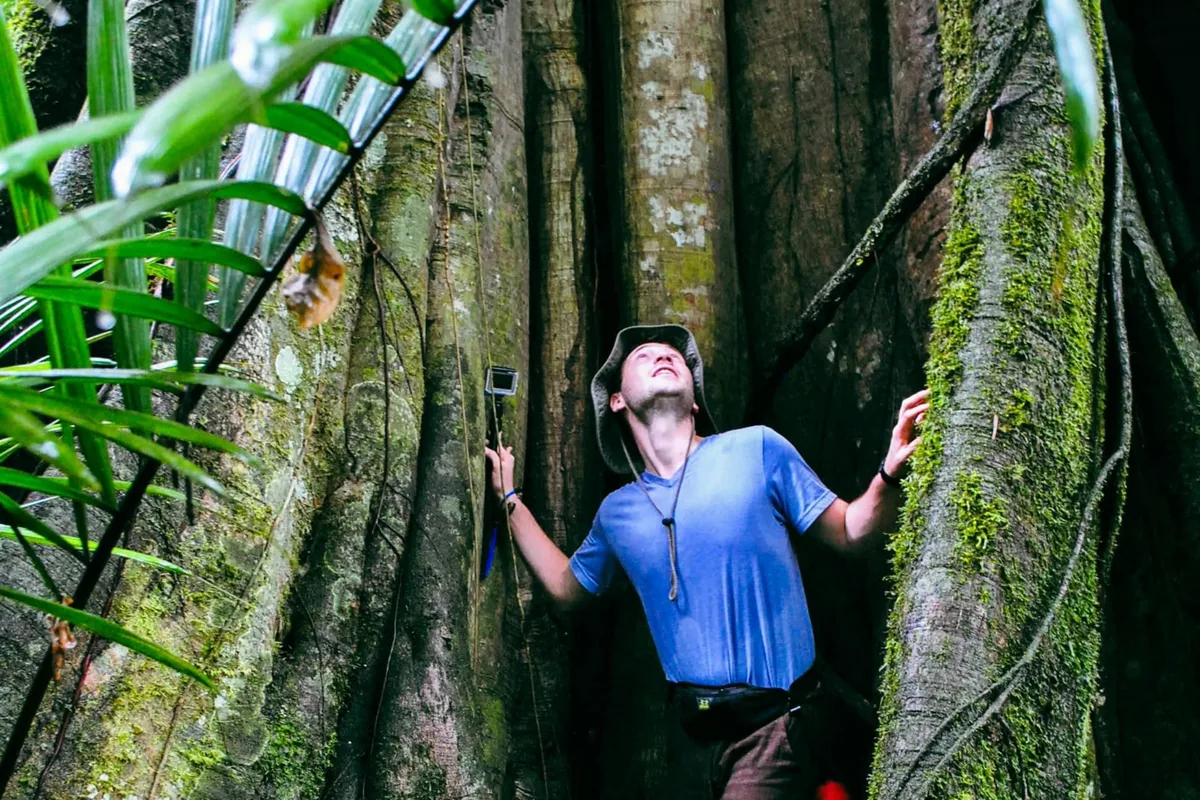
Traveler buttress tree
01

Exact Destination

Start with the exact base and your possible dates. A country-wide seasonal description is too broad to settle a particular forest journey. Identify what matters most to you, such as observation, walking or time on the water. Ask how the provider’s actual program addresses those interests at that location and during the stay you are considering.

  • What is the exact base and which locations does the program visit?
  • How far is the trip from our starting point?
  • What is the precise location of our final stop?
02

Recent Local Conditions

Use current local information alongside the broad climate background. Ask when the provider last checked the proposed route and what recent conditions mean for its outings. Distinguish an update about a specific place from a general statement about the Amazon. Record the date of the information and plan how you will receive further updates before departure.

  • Are there any current restrictions on access to the area?
  • Have recent rains affected the water levels significantly?
  • Is there any local news we should know about before leaving?
03

Weather Flexibility

Ask how the program responds when conditions change, rather than assuming activities always run as advertised. Confirm which alternatives are available, whether they cost extra and who makes the decision. Flexibility should be described in the proposal. It does not guarantee a replacement with the same duration, a preferred route or a particular wildlife experience.

  • Can we change our departure time if the forecast worsens?
  • How are changes to planned outings decided and communicated?
  • How much extra time do you need for weather delays?
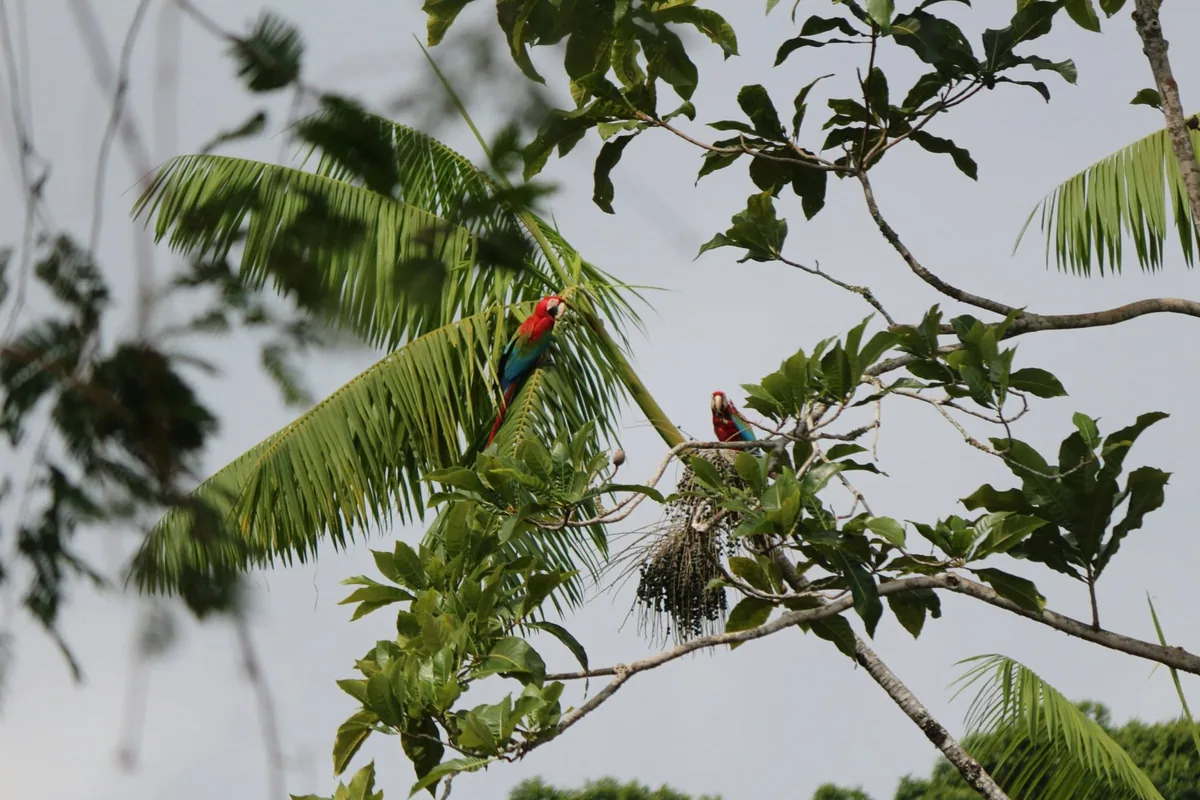
Bird on rainforest branch
04

Arrival and Onward Connections

Compare the complete journey from your arrival point to your onward plans. Ask which road or water segments the package includes and where separately booked services begin. Review meeting arrangements and how a delay is communicated. Avoid assuming a provider controls every connection, or that a scheduled departure means you can make a tight onward booking.

  • What meeting and transfer arrangements are confirmed for our arrival?
  • Is there a direct way to reach our next destination?
  • How long is the wait if the connection is delayed?
05

Activity Availability

Confirm the activities and guiding available for the actual dates, property and group. A regional highlight or a general program description does not establish what is included in your stay. Ask which outings are confirmed and which depend on conditions or availability. Keep optional activities separate from the core itinerary when comparing different proposals.

  • Are all planned activities possible on our chosen dates?
  • Can we skip certain parts if conditions are not right?
  • What happens if a specific guide or boat is unavailable?
06

Written Change Terms

Keep the itinerary and change terms together when you decide on dates. Ask what notice is needed, what costs may apply and how adjustments are agreed. Check separately booked transport and accommodation as well as the package. A clear written proposal helps you understand the arrangements; it does not remove the uncertainty of weather or wildlife.

  • Where are the booking and itinerary change terms recorded?
  • How much notice is needed to modify our booking?
  • Are there fees if we must cancel or reschedule?

Use climate context without turning it into a promise

Ecuador’s First National Communication to the UNFCCC describes Amazon rainfall throughout the year and regional climate differences. INAMHI publishes climate products and information on weather and hydrology. These are different kinds of evidence: historical climate context does not confirm tomorrow’s weather, a river level or an operator’s departure. Read the relevant dates and locations, and ask how current conditions affect the specific program you are considering.

Build flexibility into the whole journey

Look beyond the forest stay when choosing dates. Compare the arrival point, road or river legs, check-in arrangements and onward travel. Ask what happens if an outing or transfer changes and whether any proposed alternative is included. Keep those terms in writing. Flexibility is an arrangement to confirm, not a promise that weather will improve or that every missed activity can be replaced.

Your questions

Before you choose

Is there one best month for the Ecuador Amazon?

A single month cannot answer every destination, activity and travel preference. Use the regional climate context alongside the exact location and recent information. Ask the provider how the proposed dates affect the actual program. This guide does not offer a monthly forecast, a rain-free period or guaranteed wildlife.

Does a drier period mean no rain?

Do not read a relative seasonal description as a rain-free promise. Ecuador’s national climate assessment describes rainfall throughout the year in the Amazon region. For your actual dates, check current information and ask about outing flexibility. A historic pattern or a regional label does not predict the weather during one stay.

Can I judge river access from the month alone?

Ask for current information about the exact route and departure point. A calendar label does not confirm water conditions, a particular landing or the itinerary a provider can operate. Request the proposed route, possible changes and how the provider will communicate them before and during your journey.

Which dates are best for wildlife?

Start with your observation interests and the actual destination. Ask the guide or provider for realistic, location-specific expectations and how outings are organized for your dates. A seasonal label, a photograph or extra nights does not establish that a particular animal will appear. Avoid sighting guarantees.

How close to departure should I check conditions?

Ask the provider when it will reconfirm the route, meeting point and activities, and which current information it uses. Consult dated official weather information for the relevant area rather than relying on an old screenshot. Keep a way to receive updates; the appropriate timing depends on the actual arrangements.

What should I confirm before booking fixed connections?

Compare arrival and onward travel with the complete written itinerary. Ask what happens if a transfer or activity changes, which alternatives are offered and what the change terms cover. Confirm separately booked services as well as the package; do not assume one provider controls the whole journey.

Your next step

Tell us what your journey needs

Share your dates, group, starting point, interests and onward plans to prepare a focused inquiry.

Climate sources

Ecuador: First National Communication to the UNFCCC · INAMHI

Historical climate context, not a forecast; provider and route conditions require current confirmation.