Experience
The Amazon
Ecuador›Birds of the Ecuador Amazon

Ecuador trip guide

A closer look at the birds of the Amazon

Colour in the treetops, a shape on a branch, a sound you cannot yet name. Discover the birds of the Ecuadorian Amazon and choose an outing that suits your curiosity.

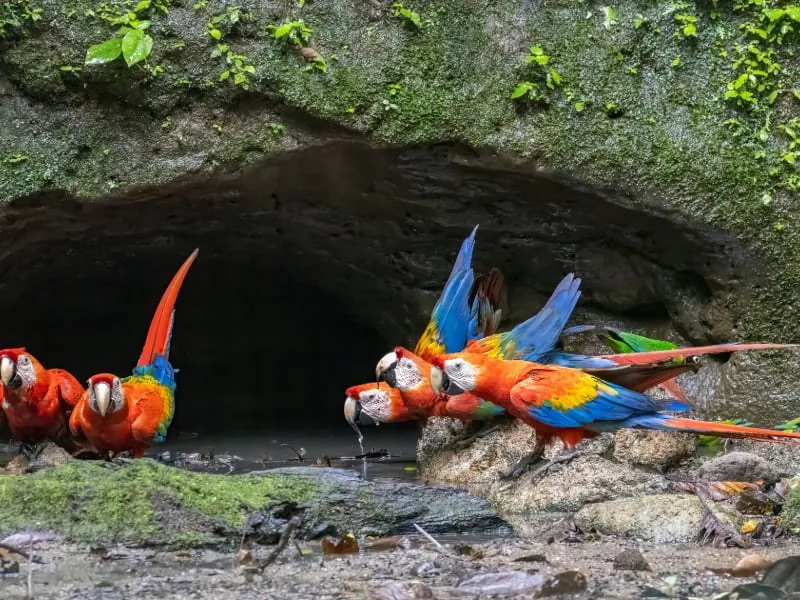
Macaws at clay bank
Macaws at clay bank
First look or field listDefine your interests
Forest and river edgesAsk about habitats
Seen or heardRecord clearly
Guide and equipmentConfirm the details
Quick answer

Begin with observation, then build your list

You can enjoy Amazon birds without knowing every name. Start with your interests and the proposed habitat, then ask about the guide, equipment and pace. This is an introduction to regional bird life and thoughtful trip planning, not a complete field guide or a promise of sightings. Confirm the exact location and scope of a bird list before using it to compare programs.

Macaws and parrots

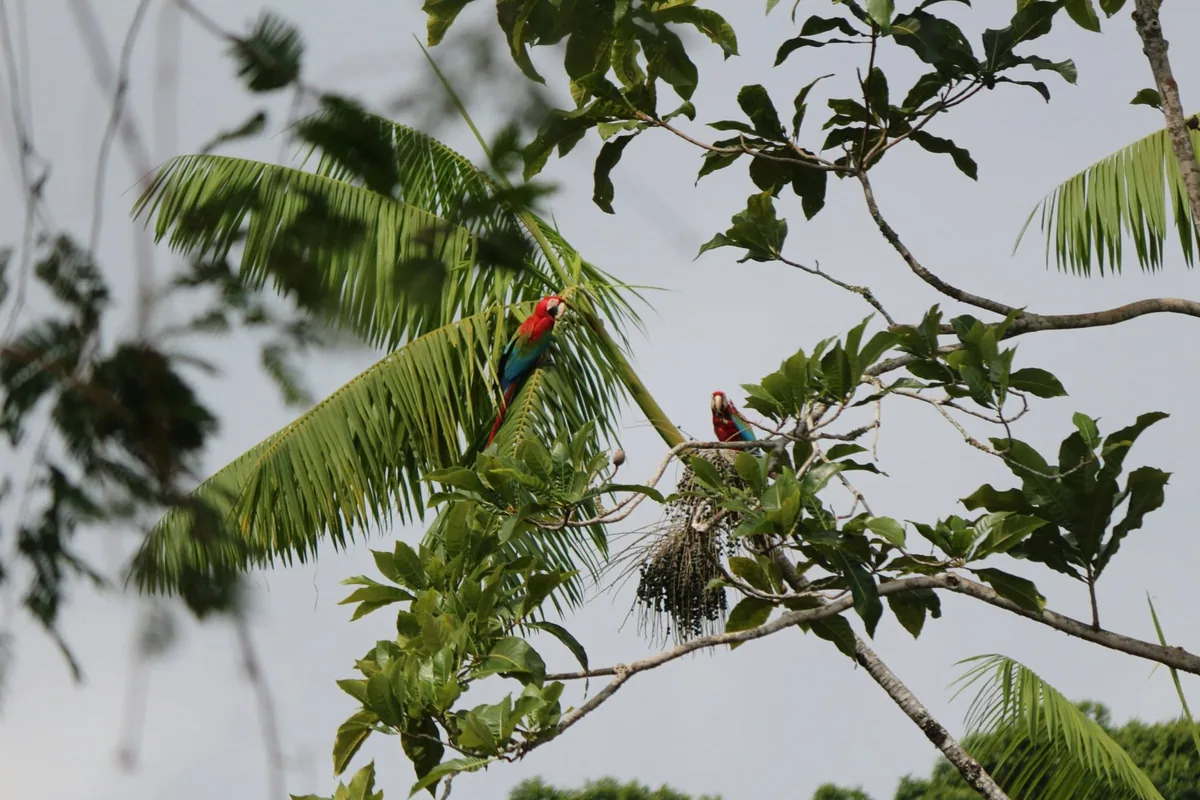
UNESCO includes macaws among the birds of the Yasuní biosphere region. The scarlet macaw photographed here was documented near the Tiputini River in Yasuní. That image records one observation, not a scheduled encounter. Ask about the places and conditions behind any advertised photograph, and avoid treating a promotional gallery as the list for your trip.

Read the regional guide →

Toucans and aracaris

Toucans appear in UNESCO’s regional description; this page also shows a many-banded aracari photographed in Yasuní. The photograph can introduce an interest, while the guide can explain what supports an identification in the field. Ask whether the proposed program allows time to observe and learn instead of moving on as soon as a bird receives a name.

Read the regional guide →

Guans and other forest birds

The piping guan shown here was photographed in Yasuní National Park. UNESCO’s regional account also includes guans and several other bird groups. A record from one location cannot establish what you will see at another base. Ask for a checklist tied to the proposed routes, with dates and a clear distinction between documented presence and visitor sightings.

Read the regional guide →

Learning the local context

INABIO reports a collaborative illustrated guide to birds recorded in a study area of the Yasuní biosphere reserve. Use that resource as a starting point for learning rather than a complete inventory of your journey. Ask the provider how local observations are recorded and what kind of identification and explanation the actual guide offers.

Read the regional guide →

Practical decisions

Find your way into bird observation

From first-time curiosity to a focused field interest, make the proposed outing clear before booking.

Bird on rainforest branch
01

Start with the kind of birding you enjoy

You do not need a long species list to enjoy an outing. Tell the provider whether you are learning to use binoculars, hoping to photograph a few birds or pursuing detailed identifications. Those interests can call for different explanations and pacing. A shared nature excursion may suit a beginner; a more focused request needs a specific discussion about the guide and proposed program.

  • Describe your experience level and the interests of everyone travelling.
  • Ask how the outing balances beginners and experienced observers.
  • Discuss the pace before booking a specialist program.
02

Choose a setting, not a promised checklist

The INABIO-supported Yasuní field guide documents birds in a particular biosphere-reserve study area. A regional record does not mean every lodge or trail offers the same observations. Ask which habitats your proposed outing visits and request a local checklist with its date and scope. Compare the actual base and routes instead of treating an entire destination as one observation point.

  • Ask where the list’s observations were recorded.
  • Clarify which routes and habitats are included in your program.
  • Keep target species separate from guaranteed outcomes.
03

Learn how an identification is made

A useful guide explains what supports an identification and what remains uncertain. Ask about experience with the proposed region, spoken languages and the way beginners are included. If sound identification matters to you, make that interest explicit. Leave room for a bird heard but not seen, or a brief view that cannot be named confidently, rather than insist on filling every line of a checklist.

  • Ask about the guide’s experience with local birds and calls.
  • Request clear distinctions between seen, heard and uncertain records.
  • Discuss how you will review observations after an outing.
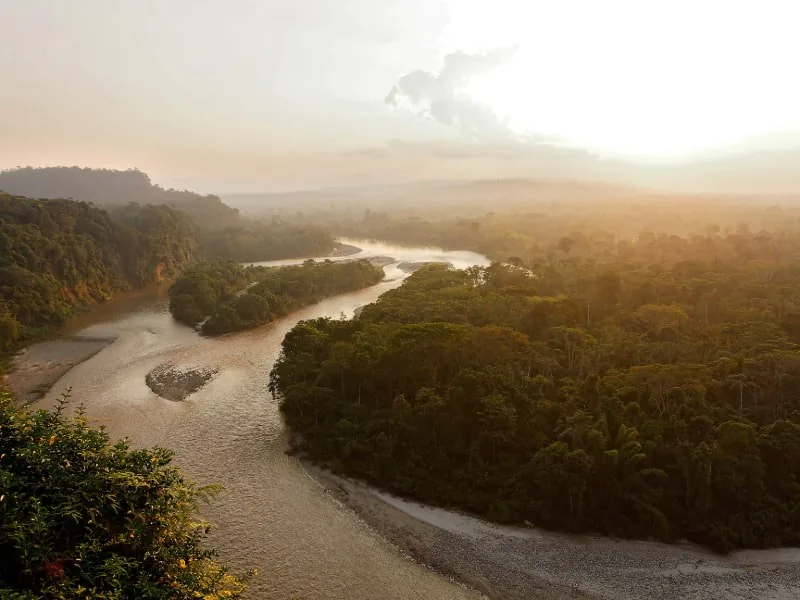
Aerial river golden light
04

Keep equipment simple and confirmed

Ask whether binoculars or a scope are provided and whether you can practise using them before leaving the base. If you bring your own camera, explain the equipment and ask how it fits the route and group pace. Storage, rain protection and carrying assistance need confirmation for the actual booking. Equipment should support a comfortable outing rather than dictate every stop.

  • Confirm which observation equipment is included and shared.
  • Ask about walking, standing, boarding and resting opportunities.
  • Plan how to carry your own equipment on the agreed route.
05

Observe without staging the scene

Choose an observation approach that gives birds space and respects the guide’s instructions. Do not approach a nest, chase a bird or move vegetation to improve a photograph. Ask about the provider’s policy on feeding, recorded-call playback and other methods used to attract birds. A quiet look at ordinary behaviour can be more meaningful than a photograph obtained by disturbing the scene.

  • Ask how the provider avoids disturbance during observation.
  • Let the guide choose where the group stops and when it moves on.
  • Put wildlife behaviour ahead of a closer camera position.
06

Build an itinerary with room to observe

Ask for the full program, including the base, transfers and the time available for observation. A short package name does not explain how much of each day is spent travelling. Confirm what happens if weather or route conditions change an outing and review current regional advice for the gateways. Select a plan you understand, with space for the interests and physical needs of your group.

  • Request the proposed outings and transfer responsibilities in writing.
  • Clarify what can change and how alternatives are agreed.
  • Keep arrival and onward connections within the planning conversation.

Use a field guide with its context

Check the geographic area, publication date and purpose of a guide or checklist. A research inventory, a personal trip list and a lodge gallery describe different kinds of evidence. Keep those distinctions when choosing a base. If you have target species, share them as interests and ask the guide to explain what is known about the proposed area, without converting past observations into future promises.

Connect the birds with the journey

Choose the base and observation program together. Ask how much time remains after arrival and departure transfers, how the route suits your mobility and equipment, and what alternatives are discussed if plans change. A clear proposal can accommodate curiosity without forcing every hour into a species hunt. See the birdwatching program guide when you are ready to compare the practical details of an outing.

Your questions

Before you choose

Do I need birdwatching experience?

No specialist knowledge is needed to begin learning. Tell the provider your experience and interests, then ask how the guide introduces observation and equipment. Confirm the physical demands and pace of the specific outing.

Will I see macaws or toucans?

These birds are part of the regional biodiversity described by UNESCO, but their presence does not guarantee a sighting. Ask about the exact habitat and recent observations, and avoid choosing a program solely for one promised species.

Is the regional checklist my trip checklist?

No. Check where and when its records were collected. A regional or research list is useful context, while your own list should describe what you actually saw or heard on your visit.

Are binoculars included?

That depends on the provider and booking. Ask what equipment is supplied, shared or required, and whether you can practise using it. Do not assume a lodge photograph establishes an equipment inclusion.

How should I photograph birds?

Follow the guide’s instructions and give birds space. Do not approach nests, chase a bird or rearrange vegetation. Ask about the provider’s observation and attraction policies before choosing an outing.

How is this different from a birdwatching tour?

This page introduces birds and how to think about observation. The birdwatching tour guide helps compare program details, including guiding, pacing, equipment and transfers. Neither page describes a confirmed bookable departure.

Your next step

Tell us what your journey needs

Share your dates, group, starting point, interests and onward plans to prepare a focused inquiry.

Sources and review

Reviewed October 5, 2026. Regional examples and planning questions; this is not a complete species inventory or an operator endorsement. Check current official information and the actual provider before booking.