
Setting
Yasuní / Napo
ask for the forest and river locations of the proposed stay.
Cuyabeno
ask which lagoon and waterway outings the program covers.
Ecuador trip guide
Two compelling starting points for an Ecuadorian Amazon stay. Compare the actual setting, program, guiding and complete journey before choosing yours.
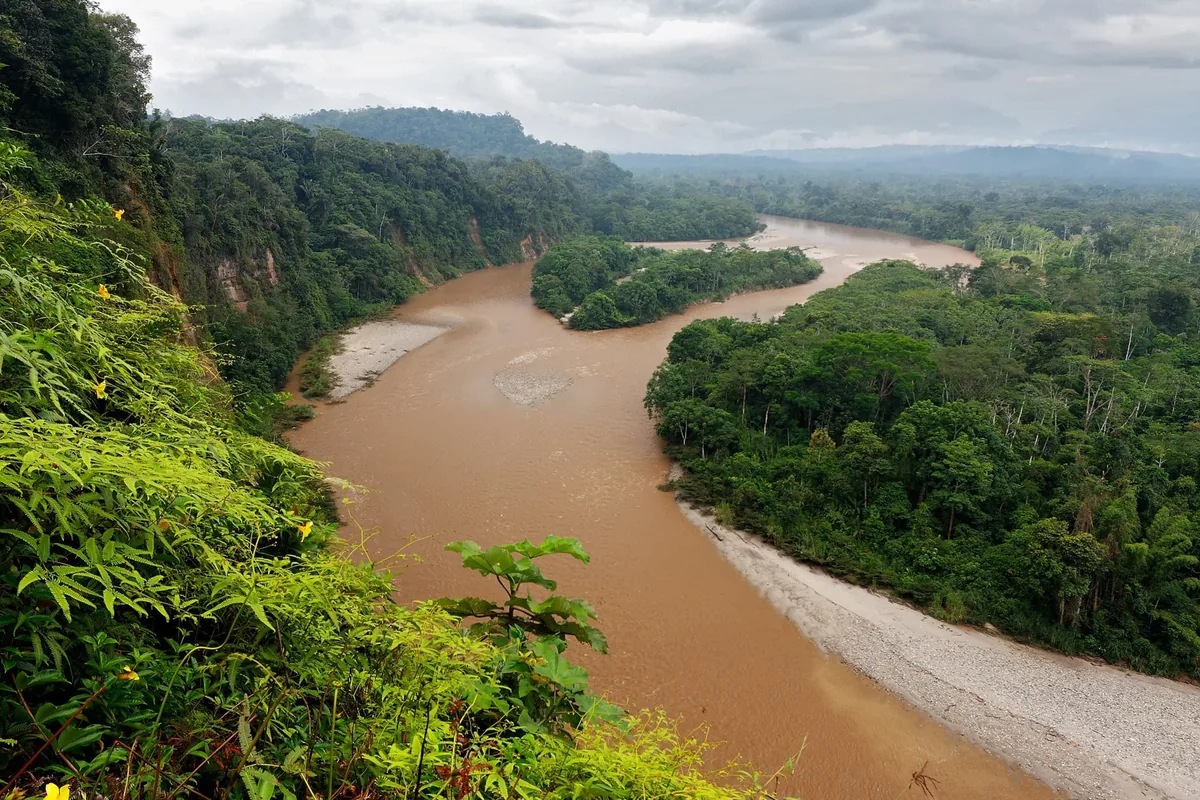
Start with Cuyabeno if a flooded-waterway and lagoon setting draws your interest; explore Yasuní and the Napo corridor if you want to compare a forest-and-river stay around a specific base. Then assess the actual accommodation, activities, guiding and transfers. Neither name alone establishes your comfort, total price, wildlife encounters or activity time.
Yasuní / Napo
ask for the forest and river locations of the proposed stay.
Cuyabeno
ask which lagoon and waterway outings the program covers.
Yasuní / Napo
Confirm the actual property’s rooms, meals and facilities.
Cuyabeno
Use the same property-level questions for this proposal.
Yasuní / Napo
Compare guiding, habitat and time; no sightings promised.
Cuyabeno
Compare guiding, habitat and time; no sightings promised.
Yasuní / Napo
Request the full outward and return transfer plan.
Cuyabeno
Request the full outward and return transfer plan.
Read the destination guide to connect the regional setting with property location, excursions and the full proposed journey. Ask which activities take place inside the national park and which are elsewhere. The Napo label should introduce a question about the actual base rather than settle it.
Read the guide →Use the Cuyabeno guide to compare the proposed waterway outings, accommodation and transfer sequence. Discuss the location and pace of activities for your group. A lagoon photograph can help you imagine a setting, but the provider’s written program establishes what your booking would cover.
Read the guide →Put both properties through the same questions about rooms, meals, guiding, excursions and physical requirements. Compare confirmed arrangements rather than broad lodge categories, and identify what is optional or paid separately. Use the lodge guide to keep the inquiry consistent.
Read the guide →Share dates, group, starting point, preferred duration and three priorities. Ask each provider for a complete proposal rather than a destination summary. Keep onward travel and any requirements visible so you can assess the whole journey on the same basis.
Read the guide →Practical decisions
Use the same questions for both proposals so the comparison rests on arrangements you understand.

Cuyabeno’s flooded waterways and lagoon setting are described in IUCN’s regional account; UNESCO describes Yasuní’s humid tropical forest. These are useful starting points for imagining a journey, but they are not complete descriptions of every visitor program. Ask each provider for the location of the accommodation and activities before deciding how much of that regional picture applies to your stay. A Napo-corridor proposal also needs a clear explanation of its relationship to Yasuní National Park. Compare the actual map, not only the place name. If a lodge is outside the park, that fact should be clear without implying the experience has no value.
Look at how each itinerary divides your time between travel, guided observation and rest. For a Cuyabeno proposal, ask which waterways and lagoon outings are actually included. For a Yasuní or Napo proposal, ask which forest and river activities the specific base offers. Neither regional name establishes your schedule. Put both daily programs beside one another and mark the full activity periods. Ask how an outing may change with local conditions and what the alternative would involve. If you enjoy slow observation, a clearly described pause can matter more than another activity title. If walking is important, discuss the actual terrain and pace before accepting the program.
UNESCO’s Yasuní account records a range of mammals and birds; it is regional evidence, not an itinerary promise. The same distinction matters when a Cuyabeno provider shows a wildlife gallery. Ask how observations from the proposed area are recorded, who guides the outings and how the guide explains uncertain identifications. Share birding or photography interests as interests rather than a demand for a guaranteed encounter. Compare the language, group arrangement and time to observe. A journey can remain worthwhile when a target animal stays unseen if you enjoy the setting and interpretation. Do not rank the regions by the most dramatic photograph or assume a longer checklist describes your own short visit.
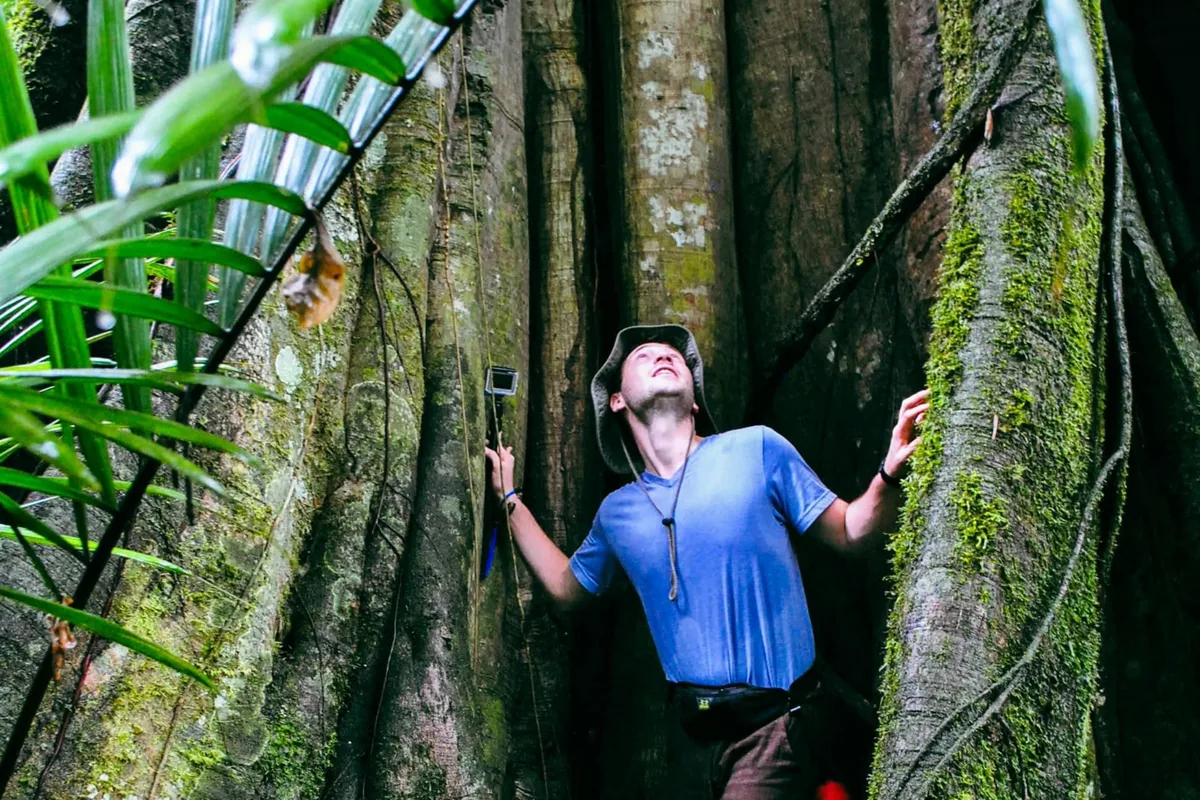
A region cannot settle your room preferences. Request the room arrangement, bathroom details, meals and any communications or power arrangements that affect your choice from each actual property. Mark what is confirmed, what is requested and what remains unanswered. Explain mobility, balance, dietary or equipment requirements early so the provider can assess the specific plan. Compare boarding and trail demands alongside accommodation rather than judging suitability from the room alone. Ask which activities are shared and which, if any, are private for your booking. If the answer refers to a different property or a general lodge category, return to the precise proposal. A clear reply is more useful than a broad comfort label.
Start both comparisons at your real departure point and end them where your next travel plans begin. Ask for the full transfer sequence, meeting points, responsibility for each segment and timing for your dates. Count nights and the activity time left after arrival and before departure. Keep the quote beside that schedule, including accommodation, meals, guiding, excursions, equipment and optional items. Do not assume one region is always cheaper or easier to reach; the actual proposal determines the comparison. Check the current official regional advice for gateways and transfers as well as the destination. Ask the provider to clarify any route change, without treating a general itinerary as confirmation that the route is suitable for your dates.
Write down your three most important priorities and score each proposal against the same questions. You might focus on water-based observation, guiding language, activity time, physical demands or the arrangement of the stay. Use written answers rather than a destination’s reputation to fill in the comparison. If one proposal leaves an essential requirement unresolved, ask for clarification before accepting it. If both fit, compare the complete price and change terms alongside the experience you prefer. There is no universal winner for every traveller, and visiting both regions is not necessary to justify a first Amazon stay. A coherent program with a base you understand can be a better fit than adding transfers simply to collect both names.
Put the two proposals beside your priorities. For each question, record the written answer, what is included and what remains uncertain. Keep the dates and accommodation names at the top so details from different properties do not merge into one imaginary itinerary. Mark an unanswered essential requirement clearly; do not fill it from a photograph or another lodge’s website. Once the gaps are resolved, compare the complete price with the experience you prefer.
You do not need to include both destinations to make the trip worthwhile. Compare what a second regional stay would add against the transfer time and the pace your group wants. If one coherent program meets your priorities, spending time there can be a sensible choice. If you are considering both, request a complete combined journey rather than joining two unrelated schedules yourself. Confirm every connection and leave the final decision tied to your own dates and requirements.
Your questions
No universal choice fits every traveller. Compare the actual base, activity program, guiding, physical demands and journey against your priorities.
Ask for the exact location. A Napo-corridor description does not itself establish that the property or every activity is inside the national park.
Neither guide promises sightings. Compare habitat, guiding and time to observe, and treat regional records and photographs as examples rather than itinerary guarantees.
Use complete written quotes for your dates and group. Match transfers, accommodation, meals, guiding, outings and exclusions before comparing the total.
Ask what the combined itinerary adds and how its connections work. Compare that plan with a coherent stay in one region that meets your priorities.
This page was reviewed on October 5, 2026. Check current official advice again before booking and travel, including every gateway and transfer route.
Your next step
Share your dates, group, starting point, interests and onward plans to prepare a focused inquiry.
Reviewed October 5, 2026. Planning guidance and questions to confirm with the actual provider; no availability, prices or operator endorsements are stated. Check current official information and the actual provider before booking.