Our planning suggestion is to compare four- and five-day proposals first, then consider a three-day option if its actual schedule covers your priorities. This is an editorial starting point, not a universal minimum. Count nights at the base, usable arrival and departure time, full activity periods and travel before or after the package. The right length comes from that complete picture, rather than the largest number of excursions.
Three-day guide
Explore a short stay if your time is limited and your main interests fit a focused program. Look closely at the arrival and departure days; they are not automatically full excursion days. Ask which activities are omitted compared with the longer option and which connections you arrange separately.
Use a four-day proposal as a useful point of comparison, then count its nights and full activity periods. Check whether the program adds an outing you want or simply offers a different schedule. Compare the demands of walks and transfers with the pace your group prefers.
Read the longer program to see what the additional night changes. It might offer another excursion, time to return to a setting or more room between outings; ask which applies to this booking. Additional time can support your interests without turning sightings into a guarantee.
Duration and accommodation work together. A base that fits your interests can make a coherent stay easier to plan, while a property chosen only for its room photograph may leave important activity questions unanswered. Compare location, guiding and everyday comfort alongside the schedule.
Use the actual itinerary to see where the time goes and what an extra night would add.
Calm river cloud reflection01
Separate travel from time at the base
Begin with the exact start and end of the package. A day listed in a brochure can include getting to the lodge, settling in or returning to a gateway, so it should not automatically count as a full day of outings. Ask for the sequence for your dates and identify which arrangements you book separately. Put each overnight on a simple calendar and mark the proposed activity periods around it. This makes two similarly named packages easier to compare. A shorter arrival journey might leave different usable time than another proposal, but you need the written details to assess that. Keep unconfirmed connections visible and avoid using another operator’s timetable to fill the gaps in your own plan.
A three-day option is worth examining when your travel window is limited and your main interest fits the proposed schedule. Ask how many nights are included rather than reading the day count as a night count. For example, Tucán Lodge labels its short option three days/two nights; that example does not establish the terms of every other provider. Look for the full activity period between arrival and departure, then ask what changes compared with the longer program. If an activity you care about is absent, decide whether the shorter stay still meets your priorities. Compare the complete journey, including travel outside the package, before judging whether the option is convenient for your group. Keep the confirmed itinerary beside the quote.
A four-day proposal gives you a useful middle point for comparing the short and longer options from the same property. Count the nights and inspect where full activity periods fall. Ask what changes from the three-day version: an additional outing, another setting or a different allocation of time. Those differences matter more than adding one to the package title. Read the activity demands alongside the sequence so the schedule fits your group, and ask what arrangements can be adjusted for the booking. A published example is helpful for understanding the structure, but the confirmed proposal should establish the details for your dates. Compare the complete total and exclusions with the other options before deciding whether the added time meets your priorities.
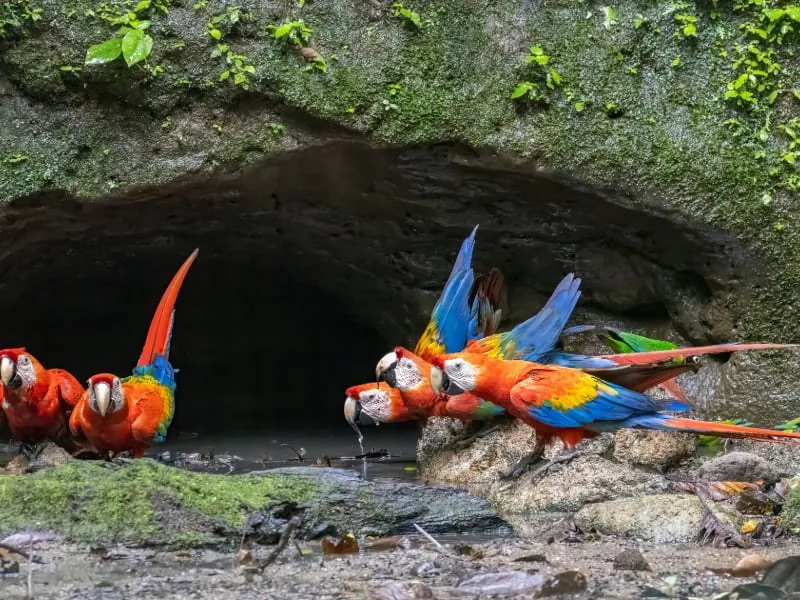
Use the five-day proposal to ask what an additional night actually contributes. It might mean another outing, returning to a setting or more space between activities, depending on the program. Ask the provider to show the difference in the schedule rather than assuming every longer option offers all three. If quiet observation, photography or simply spending more time at the base matters to you, explain that interest and compare the proposed allocation of time. The bird image here records a particular encounter; more time does not guarantee the same encounter for you. Read guiding and habitat alongside duration. Once you understand the changes, weigh the extra night against its complete cost and the time available for the rest of your Ecuador journey.
What changes with the additional night?
How much time is available for observation and rest?
Describe a few priorities instead of asking for every possible activity. A group interested in photography might value time to remain in one setting, while another may prefer a mix of outings and time at the base. Ask how the proposed program supports those interests and which parts are shared with other travellers. Discuss walking and boarding requirements early, especially if they influence how much you want to do in a day. An itinerary can look impressive on paper while leaving little room for the pace you prefer. Review the sequence together and ask which adjustments are possible, without assuming a private guide or unlimited flexibility. Choose the duration that supports a coherent experience for the people travelling, rather than treating a long checklist as the goal.
How does the program support our main interests?
Which outings are shared or private?
What adjustments are possible for the agreed booking?
Work backwards from the next part of your journey and make the return arrangements visible. Confirm the provider’s endpoint and the onward transport you book separately, including who is responsible for each connection. Ask what happens if an arrangement changes and keep the relevant contact details with the written plan. Do the same for travel before the package so the lodge stay does not become an isolated block on the calendar. You may decide to keep time between travel segments; choose that through the actual connections rather than an invented universal buffer. Check current official advice for every gateway and transfer route. The duration decision is complete only when the nights, activities and adjoining journeys fit together in a plan you understand.
Where does the return journey finish?
Who arranges each onward connection?
How are changes communicated for the actual booking?
The operators’ published programs illustrate why duration needs context. Sacha Lodge lists four days/three nights and five days/four nights, and recommends at least four nights for its off-site activities such as the Community Encounter. Tucán Lodge compares three-, four- and five-day Cuyabeno programs, describing differences in outings and time at the lodge. These are examples from those properties, not a timetable shared by every operator. Ask what your chosen program includes for the actual dates. A second property may allocate the same number of days differently, so compare the written schedule rather than borrowing activities from another website.
Sketch the complete trip before booking
Draw one line for each date, starting with departure from your previous base and ending with arrival at the next. Add lodge nights, transfer periods, proposed outings and time you want to keep free. Mark arrangements that still require confirmation and distinguish the provider’s package from transport you book separately. If an extra night adds an outing you care about or a less crowded schedule, compare that value with its full cost. If it only shifts travel without adding useful time, ask whether another program is a better fit. Keep the final decision tied to confirmed arrangements and the people travelling with you.
Your questions
Before you choose
How many days do you recommend starting with?
Start your research by comparing four- and five-day proposals. A three-day option can fit a focused trip if the actual schedule and connections work for your priorities.
Does four days mean four full days of outings?
Not necessarily. Separate arrival and departure from full activity periods, and confirm where the advertised package begins and ends.
Is three days always too short?
No. Assess the written schedule against your main interests. A short program can fit a limited window, while leaving less room for additional activities or a slower pace.
Does five days guarantee more wildlife?
No. More time can create additional opportunities to observe, but wildlife encounters remain uncertain. Compare habitat, guiding and time rather than promised species totals.
Should I combine two regions?
Compare what the second stay adds with the transfers it requires. Ask for the complete combined itinerary instead of joining unrelated schedules yourself.
What about flights or travel before the tour?
Ask which connections are included and which you arrange separately. Count that travel in the complete journey and check current official regional advice before booking.
Your next step
Tell us what your journey needs
Share your dates, group, starting point, interests and onward plans to prepare a focused inquiry.
Reviewed October 5, 2026. Planning guidance and questions to confirm with the actual provider; operator descriptions are attributed to their own published information; no availability or prices are confirmed. Regional photographs do not depict the named properties. Check current official information and the actual provider before booking.