
GUYANA RAINFOREST
Travel to Guyana’s rainforest
Forest, rivers and savannah: choose a journey shaped around your interests, with the connections and comfort thought through.
Where should I start?
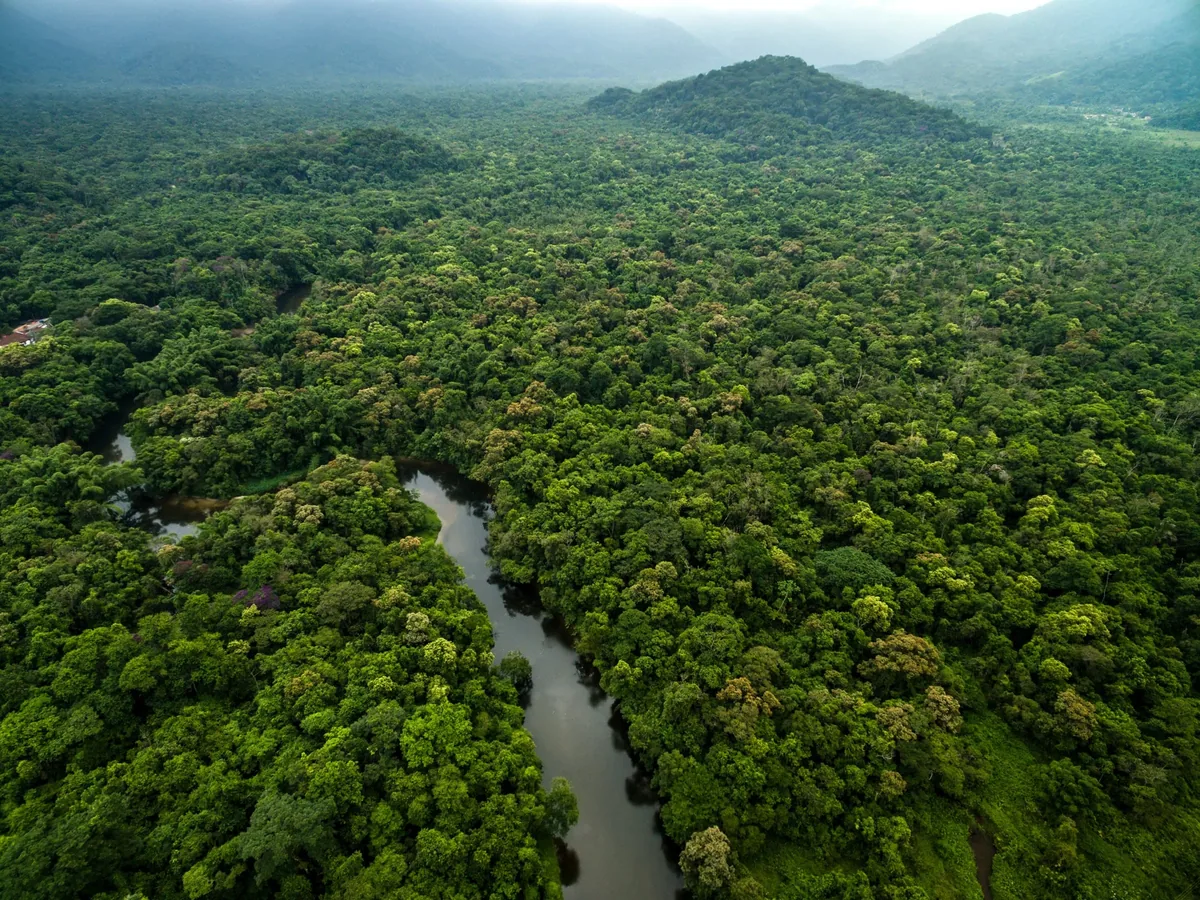
Choose your principal landscape and overnight base first, then confirm connections, usable activity time and comfort. Guyana forest and Rupununi routes need different practical arrangements.
Choose a rainforest journey that fits your interests
Georgetown
Arrange airports, connections and transit nights.
Explore the guide →Iwokrama
Compare a forest base and canopy experiences.
Explore the guide →Rupununi
Explore savannahs, rivers and community-hosted stays.
Explore the guide →Guyana combines extensive forest, rivers and the Rupununi savannahs with travel that often depends on several connected transfers. Begin with the experience you want to spend time on: patient birdwatching, guided forest walks, river outings or a community-hosted stay. A short list of priorities is more useful than a long list of lodges. It helps identify which overnight base gives you actual time in the habitat that interests you.
Guyana belongs to the Guiana Shield, and its rainforest should not be presented as though every river were part of the Amazon River basin. Our wider rainforest collection includes Guyana because its nature journeys complement the Amazon countries. Compare landscapes and travel styles while keeping the geography clear. The Guyana trip-planning guide turns that distinction into decisions about access, accommodation and the pace of a route.
Georgetown and the transition to the interior
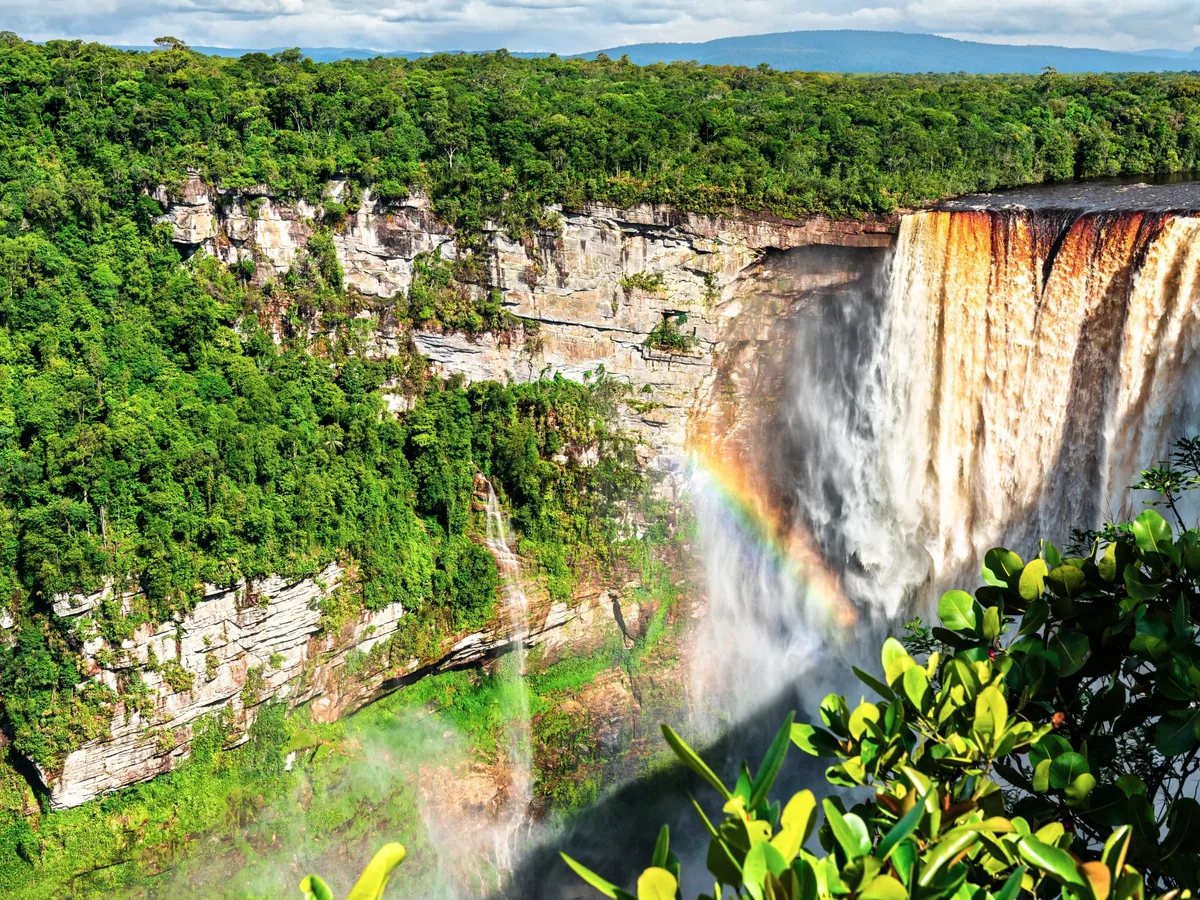
Treat the coastal arrival and the interior journey as separate parts of the itinerary. Guyana Tourism identifies Eugene F. Correia International Airport as a hub for domestic flights into the interior. Confirm the airport used for each flight, rather than assuming your international arrival and domestic departure share a terminal. Your proposal should explain ground transfers, check-in arrangements and where you sleep between connections.
A gateway night can create useful space for regrouping and sorting luggage, but the right arrangement depends on the actual flight schedule. Ask what happens if arrival is delayed and who rearranges the onward connection. Plan the return with the same care: an interior outing that ends just before an international departure leaves little flexibility when weather or a transfer changes. The Georgetown gateway guide helps review airports and transit nights.
Iwokrama as a forest-focused option
The Iwokrama International Centre manages a rainforest landscape with conservation, research and tourism roles. It offers a useful starting point for travelers who want a forest-centered journey. Distinguish the river lodge setting from the canopy walkway experience when reading a proposal. A reference to Iwokrama does not tell you where you sleep, which activities are included or how you move between them.
Ask for the accommodation name, the outing location and the transfer arrangement in the same document. A canopy perspective and a riverside base can complement one another, but they need time and practical connections. Confirm whether any proposed walk suits your balance, mobility and comfort with heights. Guides should help you understand the habitat without suggesting that a particular animal will appear on schedule. Use the Iwokrama guide to compare the riverside base and canopy experiences.
Rupununi: consider more than forest alone
The Rupununi adds a different landscape dimension to a Guyana journey. A route through savannah and river settings should have its own purpose, rather than being added simply to increase the number of places visited. Decide whether you are seeking a change of habitat, a community-hosted experience or a slower stay with repeated outings from one base. Each choice affects how many transfers are sensible.
For a combined forest and savannah route, ask where the landscape changes and how the accommodation supports your interests. Time spent moving between bases is not the same as time exploring them. Compare two proposals by their usable mornings and afternoons, including recovery after travel. An itinerary that visits fewer places can allow better observation and more room for changing conditions. The Rupununi guide helps compare landscapes and regional bases. Use the rainforest-accommodation guide to compare room facilities and included services at the proposed base.
Community-hosted stays and respectful visits
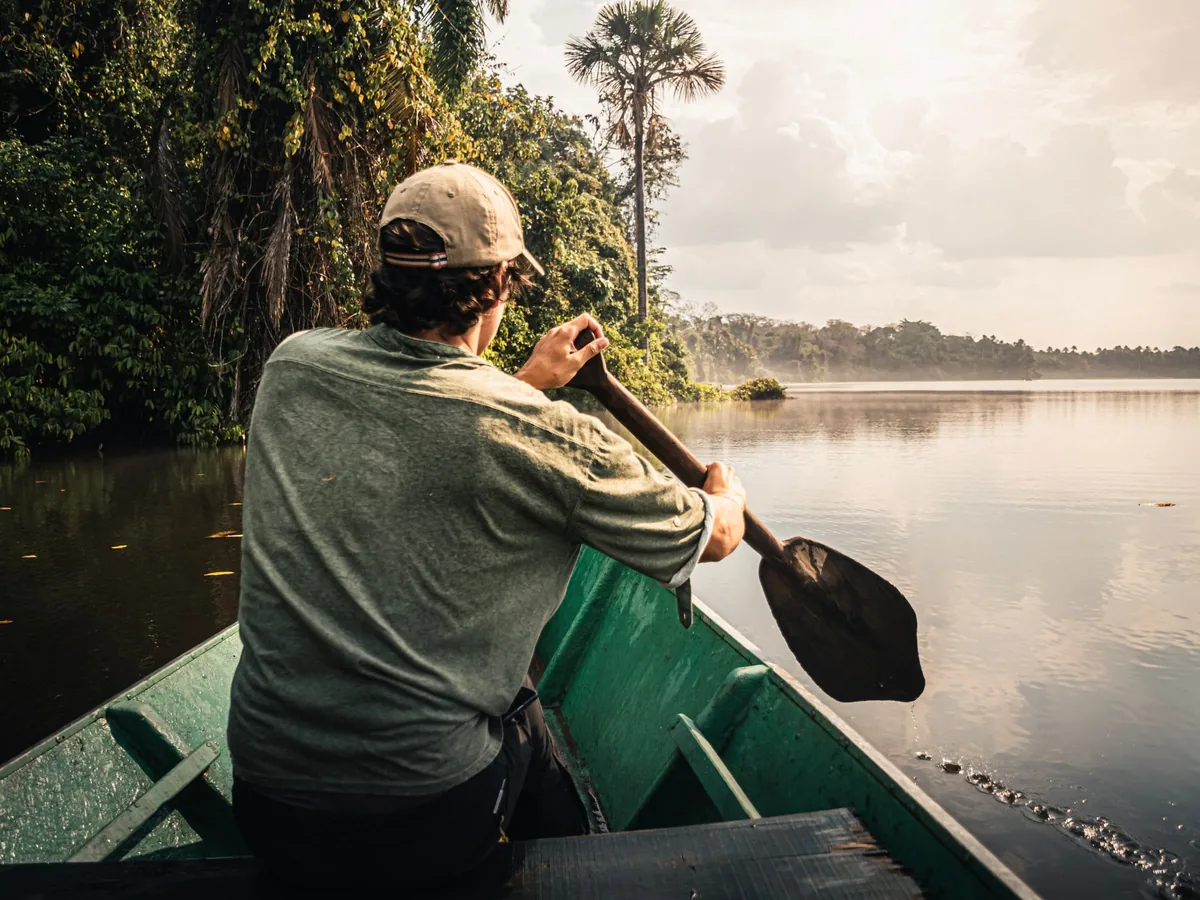
A community-hosted experience deserves more planning than a stop on a sightseeing list. Ask who hosts the visit, how it is arranged and which activities the hosts have agreed to offer. Photography, participation and access should follow local guidance. Do not assume that a village appearing on a map is open for an unarranged visit or that residents wish to be photographed.
Discuss your interests before the route is confirmed. A conversation about crafts, food or the surrounding landscape works best when the hosts choose how to share it. Ask how your payment reaches the people providing the experience and whether a local guide is included. Keep any personal donations separate from promised tour inclusions so that the arrangement remains clear to everyone involved.
Match accommodation to your daily rhythm
A riverside lodge, a forest base and a community stay can support very different days. Compare the setting together with practical comfort: bathroom arrangements, ventilation, electricity, charging hours and how far you walk between your room and activities. A beautiful photograph does not answer whether you can charge camera batteries overnight or return easily to your room between outings.
Ask how meals and drinking water are provided and whether dietary needs can be accommodated for the full stay. Explain any mobility or sleep requirements early. For nature photography, the position of the base and the outing schedule may matter more than decorative room details. Accommodation names and room availability must be confirmed in a proposal; this guide does not represent a live booking inventory. The getting-there guide helps you review airports, handovers and the complete connection to your base.
Choose dates for the route, not one national label
Guyana Tourism describes different seasonal patterns for the coast and interior, so a single best-month answer is too blunt for a varied route. Use your proposed region and activities to discuss dates. Road access, river outings and the atmosphere of a forest stay may respond differently to rain. Ask the operator to explain the likely tradeoffs for your itinerary rather than presenting dry weather as a guarantee.
Build flexibility around activities whose conditions can change. A sensible plan explains which outings can be rearranged and which connections require a firm departure. Higher river levels may change boat access, while wet road conditions may alter an overland segment. These are planning considerations, not a daily forecast. Confirm current conditions with the people responsible for the actual transfer and accommodation. Use the community-stays guide to review hosting arrangements and practical needs. The river-journeys guide helps you distinguish a boat transfer from an observation outing.
Wildlife observation without a checklist promise
Choose outings by habitat, guide knowledge and the time available for observation. A wildlife-focused journey should leave space for quiet watching, repeat visits and changes to the day when conditions warrant them. Tell us whether birds, mammals, landscapes or photography are your main interest. That helps shape the pace without turning the trip into a promise of particular sightings.
Avoid feeding, handling or approaching animals to secure a photograph. Follow the guide’s instructions about distance, noise and lights, and discuss any specialist photographic equipment beforehand. A good briefing covers the behavior expected from visitors as well as what they might observe. For a mixed-interest group, balance focused outings with comfortable breaks so that everyone understands the rhythm before booking. Use the best-time-to-visit guide to compare coastal and interior seasonal guidance with your proposed route.
A practical starting point for your itinerary
Begin with one principal landscape and an overnight base that serves it. Add a second region when the connection supports a clear interest and fits your available time. Share your travel dates, number of guests, preferred comfort and any activities that matter especially to you. Describe what a satisfying day looks like, including how much time you are comfortable spending in vehicles or boats.
Use the Guyana trip-planning guide to organize those priorities into an arrival-to-departure outline. Request a proposal that identifies transfers, accommodation, guide services, included meals and any optional costs. For travelers comparing countries, the Peru overview and Colombia overview offer different gateway and river-travel settings. Compare the practical route as well as the destination photograph before choosing where to spend your holiday. The wildlife guide explains how habitat, local guiding and observation time support realistic expectations. Use the packing guide to match clothing and essential equipment to the confirmed activities and transport rules.
Planning questions
Is Guyana part of the Amazon River basin?
Guyana is part of the Guiana Shield. Its rainforest complements our wider Amazon-country collection, but a Guyana itinerary should not imply that every river belongs to the Amazon River basin.
Should I choose one base or several?
Choose one principal base when time is limited. Add another landscape when the connection serves a clear interest and still leaves meaningful activity time.
Are flights and lodge transfers included?
Inclusions depend on the proposal. Confirm domestic flights, airport transfers, ground or river connections, accommodation and guide services separately.
Can you guarantee wildlife sightings?
No. Plan by habitat, guide knowledge and observation time; wildlife behavior and conditions vary.
Shape a journey around your interests
Tell us your dates, group size, landscape interests and preferred comfort so we can discuss a practical Guyana route.
Share your plansExplore the Guyana guides
Sources & scope
Planning information reviewed October 8, 2026. Accommodation, activities, availability and transport require confirmation in an individual proposal. Guyana is part of the Guiana Shield; these guides do not classify all its rivers as Amazon-basin rivers.