Experience
The Amazon

PERUVIAN AMAZON

Plan a Peru Amazon journey around you

Bring your dates, interests and comfort preferences together. A clear brief makes it easier to choose a regional base and compare the route, guiding and stay.

Tell us about your trip
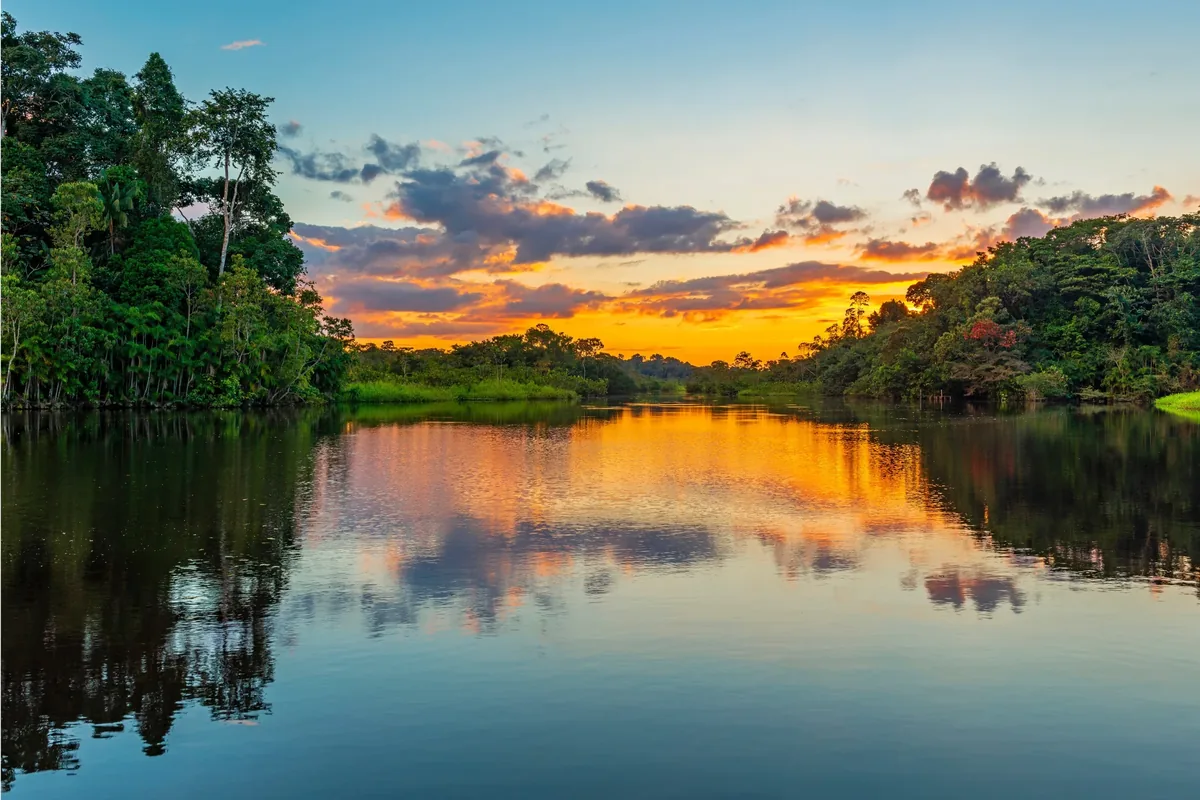
Sunset reflected in a quiet forest river

AT A GLANCE

How do you start planning a Peru Amazon trip?

Start with your travel dates, group size, main interests and essential comfort needs. Choose a regional setting, count the complete transfer sequence, and compare a written proposal with accommodation, guiding, inclusions and booking terms made clear.

A useful plan starts with four decisions

01 · Start with your interests

Choose a few priorities rather than a long list of promised sightings. You might want forest time, birdwatching, river scenery or a quiet base. Explain how active you want the days to feel, and whether everyone in your group wants the same pace.

02 · Count the whole journey

Include arrival and departure arrangements, not only the days advertised for a tour. Ask for pickup and drop-off locations, every connection and how much time remains for activities on transfer days. Keep onward flights and other reservations visible when reviewing a proposal.

03 · Match the stay to your needs

Describe the sleeping arrangements and practical features that matter to you. Ask the property about meals, power, communication, access and the demands of walking or boat outings. A photograph does not confirm a facility, and a private room does not imply private guiding.

04 · Compare a written proposal

Ask for a dated itinerary with the responsible provider, total price, inclusions, exclusions, payment schedule and cancellation terms. Identify optional outings and anything you arrange separately. Resolve unclear wording before paying rather than assume every activity pictured is included.

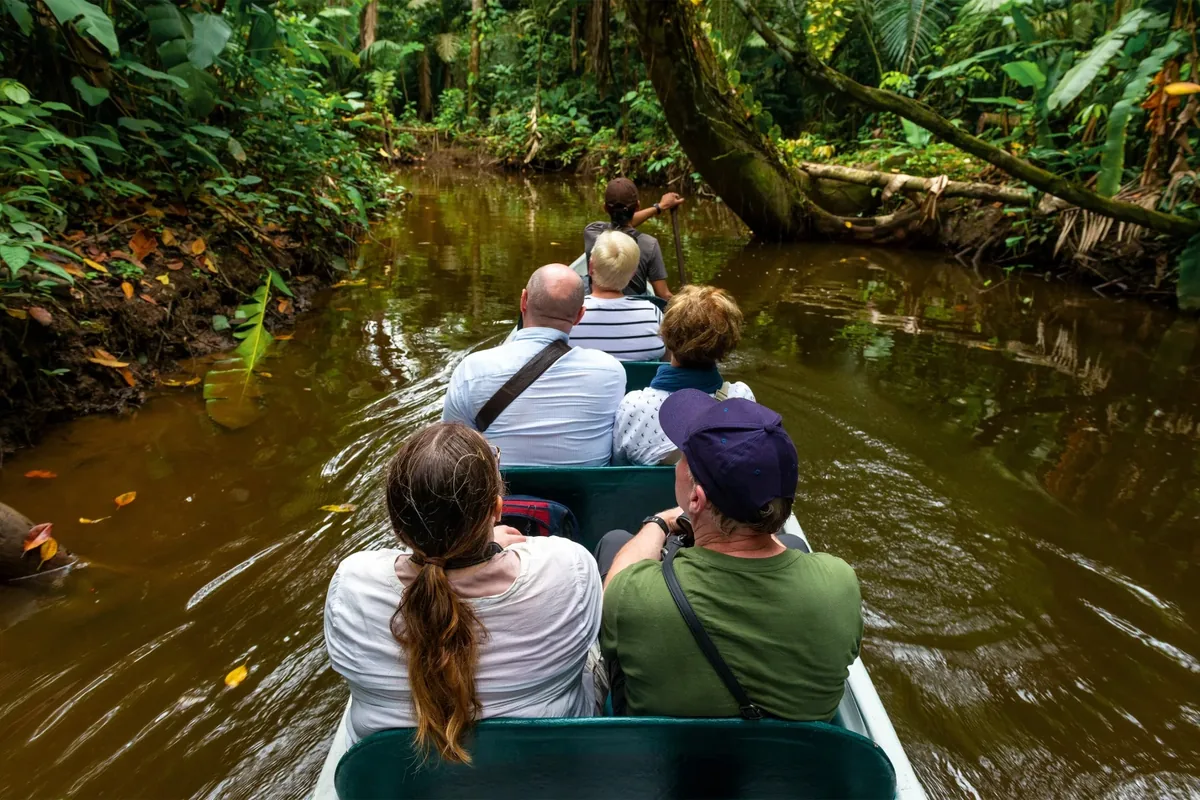
Travelers on a canoe journey through a forest waterway

Connect the plan to a place

The country overview compares Iquitos/Loreto, Tambopata and Manu. Start there if you are still choosing a setting. Once you have a proposed base, ask for the exact route and overnight locations: a broad regional name is not enough to compare two programs.

Explore the Peru guide →

Questions to send with your inquiry

  • What dates are you considering, including arrival and onward travel?
  • Who is traveling, and what pace works for the group?
  • Which interests matter most: wildlife, birding, photography, river travel or a forest stay?
  • Which room, meal, access or communication needs should a provider confirm?
  • Do you prefer shared or private guiding, and in which language?
  • What budget range and level of flexibility should guide the options?
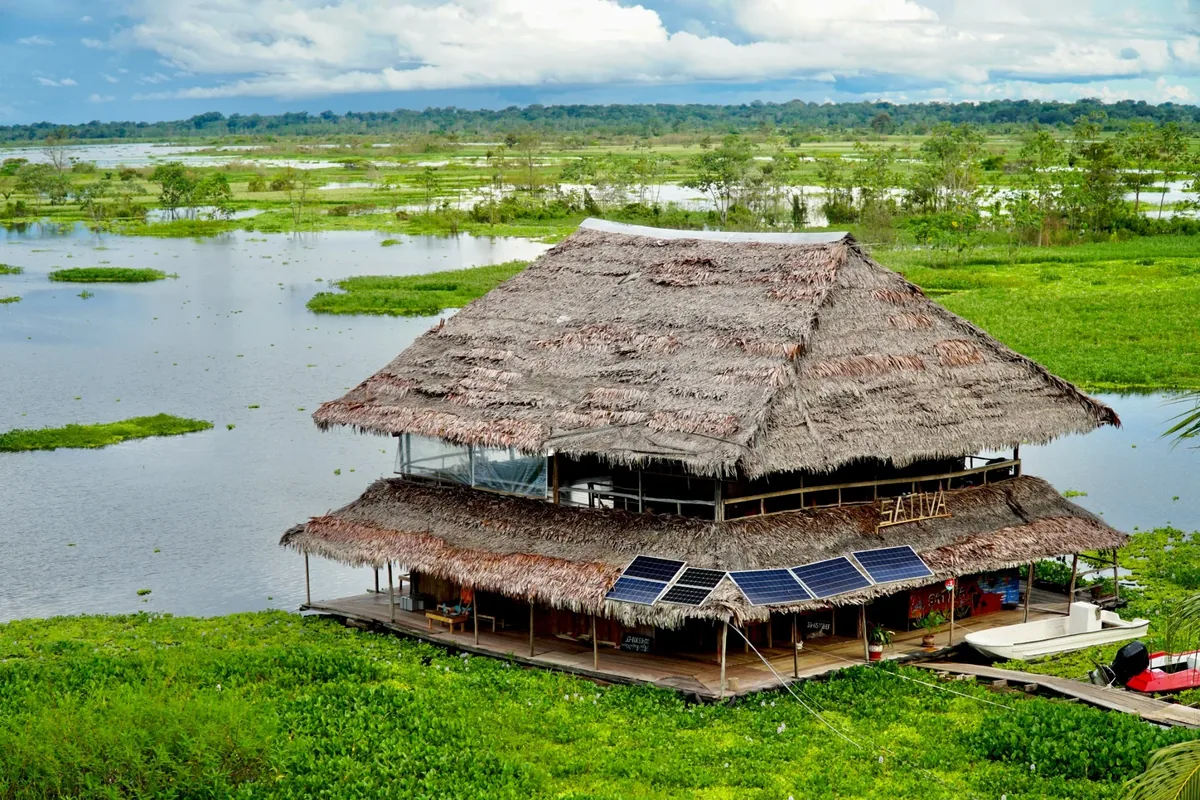
Thatched lodge beside a wetland waterway

Leave room for the forest to be itself

Choose wildlife observation that gives animals space. Ask how guides manage distance and group behavior; avoid feeding, baiting or handling animals for photographs. If a program includes a hosted visit, confirm that the hosts have invited visitors and understand what is arranged. Keep sightings and weather as possibilities, not promises.

Before you send the brief

Does this page confirm a booking?

No. It helps you prepare an inquiry. Availability, operated services, prices and booking terms need a written proposal from the responsible provider.

Do I need to choose a lodge first?

You can start with your interests and dates. Then compare proposed bases and routes. Ask where the accommodation is and which outings are included before deciding.

Can a wildlife photo tell me what I will see?

No. An image shows a place or a previous moment. Wildlife is unpredictable; choose a program for its setting, guiding and opportunity to observe.

Where should I check current conditions?

Consult official advice relevant to your nationality and Peruvian authorities before booking and departure. Ask the actual provider about the complete route and any current access requirements.

Build a travel outline you can actually compare

Start with the fixed parts of your trip

Write down your arrival in Peru, onward flights and any reservations that cannot move. Then mark the days genuinely available for the Amazon, including transfers. If the dates are flexible, say how much. This gives a provider a clearer starting point than a package duration alone and helps prevent a proposal that looks attractive but fits poorly around the rest of your journey.

Separate priorities from preferences

Choose two or three things that would make the journey worthwhile: unhurried forest time, dedicated birding, river landscapes or a comfortable base for the family. List the practical needs that must be met separately. A preferred view and an essential access requirement should not carry the same weight. Tell us what you can compromise on and what needs explicit confirmation.

Describe a day you would enjoy

Would you like an early outing followed by a quiet afternoon, or a fuller day of exploration? Do you enjoy long walks, or would shorter activities work better? Include the group’s different preferences. The goal is to understand the rhythm you want, not to promise a fixed daily schedule before the route, conditions and provider are confirmed.

Name the regional base before comparing price

Use the Peru overview to narrow down the setting. A quote for a stay near Iquitos, a specific Tambopata reserve outing and a multi-stage Manu journey do not cover the same experience. Request the gateway, overnight locations and named visitor sectors. Once those are clear, you can compare the price against the actual route rather than the destination label.

What a useful proposal should make clear

The daily route and responsibility

Look for a dated sequence with the arrival point, each night’s accommodation, planned outings and final drop-off. Identify the provider responsible for the trip and who coordinates transfers. If a flight or connection is separate, make that visible. Ask how changes are communicated and which arrangements need reconfirmation before travel.

The full cost and payment conditions

Compare the total for your group and the basis of that price: shared or private guiding, room arrangements and included services. Check meals, admissions, transfers and optional activities explicitly. Ask for payment deadlines and cancellation conditions in writing. A low headline price is difficult to assess if the necessary extras and separate bookings remain unclear.

The practical details of your stay

Ask about beds, bathroom arrangements, meal options, power and communications using your actual needs. If you require dietary support or accessible boarding, ask for a concrete description rather than a general assurance. Tell the provider which needs are essential before paying. Where facilities matter to your decision, request current confirmation for the named accommodation.

Changes, alternatives and unused activities

Ask what happens when conditions affect an outing or a connection changes. Understand whether the proposed alternative changes the price, route or overnight stop, and how you will be informed. For a group with different activity levels, check what happens when someone stays behind. A clear explanation makes it easier to assess flexibility before committing.

Prepare for the journey without overcomplicating it

Pack for the activities you have chosen

Ask for the provider’s packing guidance once the route is clear. Check footwear for the planned terrain, rain protection, sun protection and how luggage is handled during transfers. For photography, think about keeping equipment dry and the practical charging arrangements. Avoid buying specialist gear solely because it appears in a generic Amazon packing list.

Leave time for the final confirmation

Before departure, reconfirm pickup details, the first overnight stop, provider contact and any separate connection. Review current official travel advice and entry requirements relevant to your own itinerary. Seek appropriate professional travel-health advice for your circumstances. Keep the written proposal available so that everyone has the same understanding of what is included.

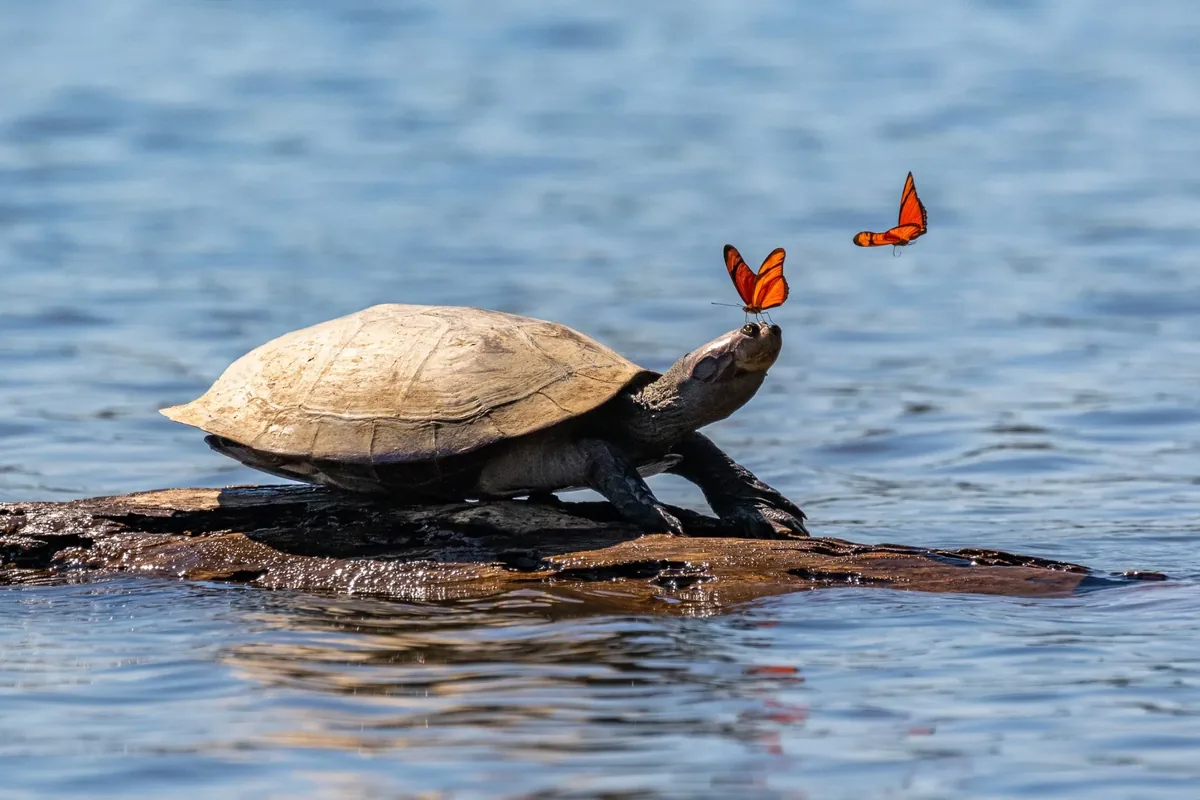
Turtle on a log with butterflies beside the water

A CLOSER LOOK

Make room for observation, not a checklist

A clay-lick outing, a lake visit and a forest walk each deserve a different pace. Give your favorite experience enough time in the plan instead of fitting all three between transfers.

  • Dedicated birding: prioritize guide experience and time in suitable habitats.
  • Photography: include pauses, equipment protection and a manageable group rhythm.
  • General nature: balance interpretation, walks and time on the water.

The photograph shows wild birds at a Tambopata clay lick; it illustrates a setting, not a guaranteed encounter or an included activity.

Explore the regional guides

Iquitos & Loreto

Compare river journeys, forest bases and white-sand settings. Explore Iquitos →

Share the outline. We will help with the next questions.

Send your dates, group and priorities through our planning form. You can select Peru without having decided on a particular property.

Tell us about your trip

Sources & scope

Regional context reviewed October 7, 2026. The planning checklist is editorial guidance, not a verified package catalogue. Confirm current arrangements before booking.

Explore the next part of Peru

Match your priorities to a named route before choosing where to stay.

Define your next step

Choose the route and overnight format that support your priorities.

Shape your time in nature

Choose when to travel

Compare Tambopata and Pacaya Samiria seasonal guidance with your named route and available time.

Prepare the practical details

Prepare your packing list

Choose clothing and equipment for the actual stages and overnight setup, then check what is supplied.