
PERUVIAN AMAZON
Getting to the Peruvian Amazon
Your forest journey begins before the first trail or boat outing. Choose a gateway that fits the region, then make every onward stage and the return clear before booking.
Plan this journey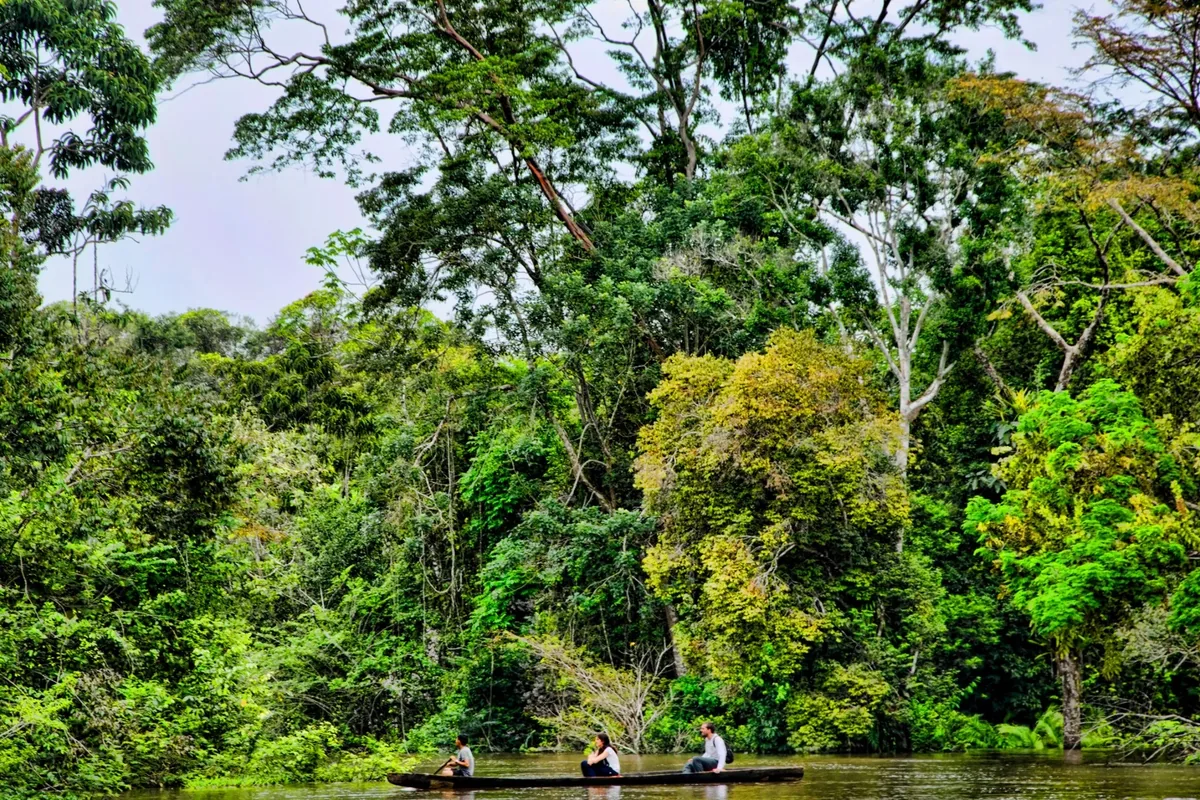
AT A GLANCE
How do I reach Peru’s Amazon destinations?
Choose the region first. Iquitos is the gateway discussion for Loreto; Pacaya Samiria routes may continue via Nauta or start from Lagunas, depending on the sector. Tambopata visitor routes are approached through the Puerto Maldonado area. Manu needs a named itinerary and confirmed starting point. A gateway arrival does not complete the transfer to your forest stay.
Choose the region before the gateway
Iquitos and Puerto Maldonado serve different Amazon journeys. Start with the habitat and itinerary you want, then match the arrival point to that plan. Avoid booking a flight simply because it is described as an Amazon gateway without establishing where the actual exploration begins and how you reach it.
Use the regional comparison guide to narrow down Loreto, Tambopata or Manu. When requesting options, identify the area, overnight format and wider Peru itinerary. Ask the organizer to name the meeting point, onward stages and final return point. A clear sequence makes competing proposals easier to compare than a destination label alone.
Iquitos: arrival is only the first stage
For a Loreto journey, keep arrival in Iquitos separate from the onward trip. A city stay, forest lodge and Pacaya Samiria itinerary are different arrangements. Request the transfer sequence for your actual destination, including the pickup point, road or river stages and any overnight stop before exploration begins.
Confirm what your arrival time permits. Ask whether the first day includes an outing or mainly onward travel, and whether a gateway night is part of the proposal. Do not treat a city arrival as a reserve entrance. The Iquitos guide explains the regional choices; the access plan should turn your selected option into a workable journey.
Pacaya Samiria: name the sector and approach
SERNANP describes approaches through Iquitos and Nauta for named Pacaya Samiria routes. Its sector information also identifies Tibilo Pastocha as a route from Lagunas on the Huallaga. These are different sequences, so ask which sector, landing and overnight locations your proposed journey uses before making your own transport bookings.
For a Nauta-based route, understand the connection between the road stage and the boat journey. For a Lagunas-based route, request the complete arrival and return arrangement rather than inserting it into an assumed Iquitos circuit. The reserve requires an authorized operator. Confirm that entry arrangements belong to the named route, not merely to a general regional excursion.
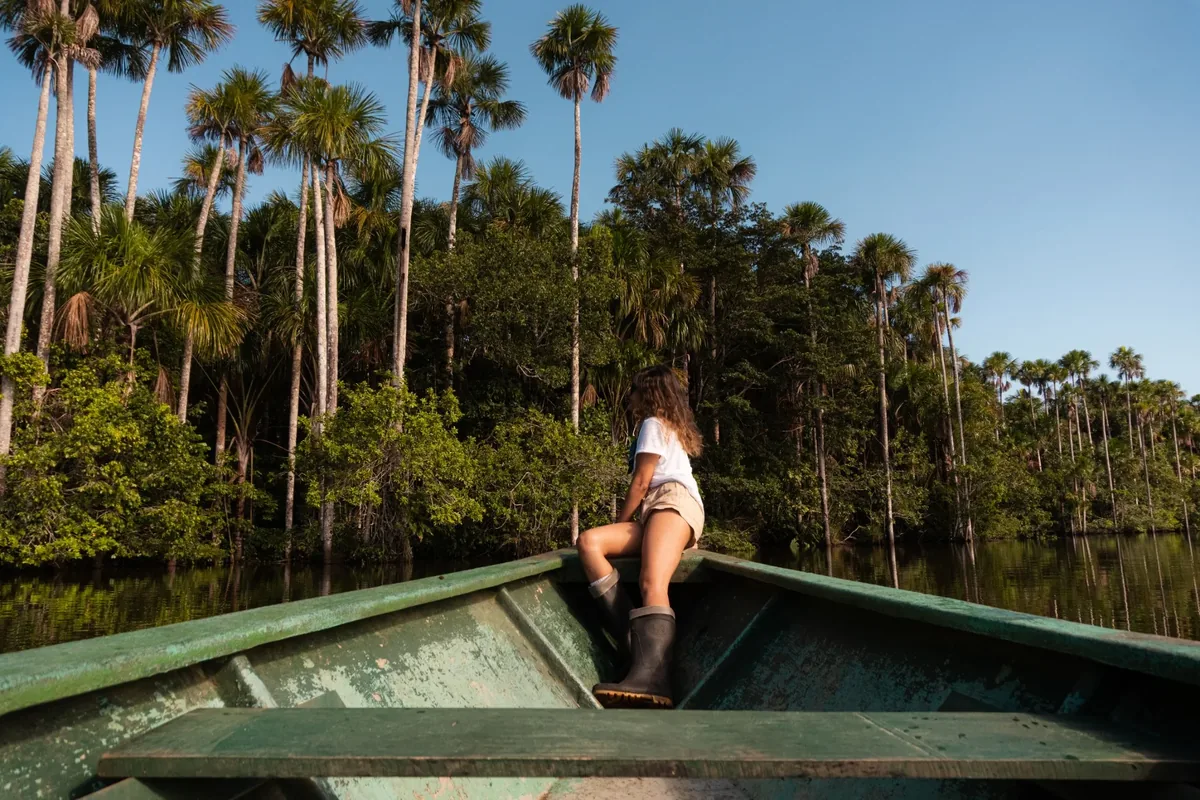
Tambopata: connect Puerto Maldonado with the route
SERNANP lists visitor settings including Sandoval and the middle and upper Tambopata sectors. Reaching the Puerto Maldonado area is the start of the access discussion; the onward journey depends on the chosen location. Ask how pickup, river travel, any walking and arrival at the overnight base fit together.
A lake outing and a longer upper-river journey should not inherit the same transfer assumption. Compare the actual route and usable exploration time after travel. If an itinerary includes several locations, ask where luggage travels and how each move supports the experience. The reserve requires an authorized operator; verify the operator and entry arrangements before booking.
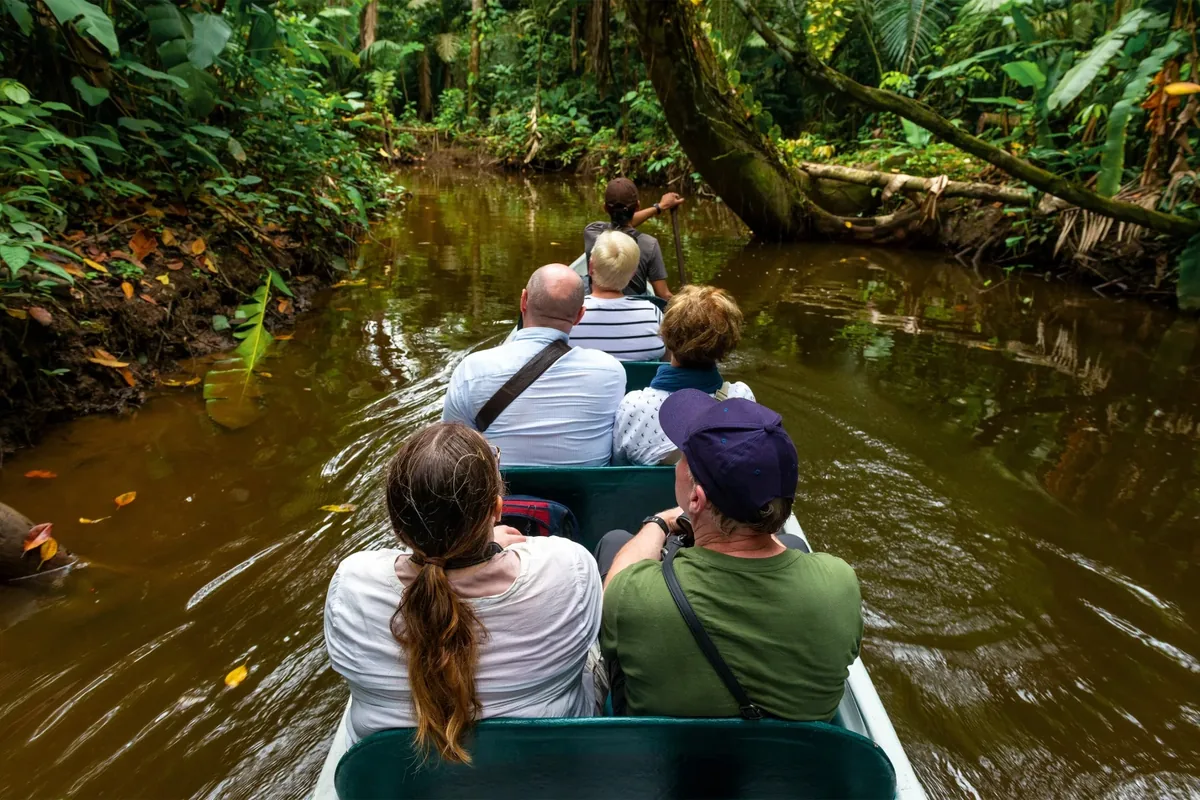
Manu: confirm each stage of the itinerary
Manu spans highland and lowland environments in Cusco and Madre de Dios, as described by PROMPERÚ. That range makes a named route essential. Ask the organizer for the actual departure point, road and river stages, overnight stops and return. Do not assume that every Manu itinerary shares the same approach or reaches the same area.
Compare a shorter journey with a wider circuit using the time spent at each location. Understand changes in elevation and what they mean for your personal preparation. Current operational details belong to your specific proposal. Official park information is a starting point, not confirmation that a particular transfer or departure is available on your dates.
Put transfers and outings on one timeline
List arrival, meeting, each transfer, nights, outings and return in sequence. Mark which days are mainly travel and which provide useful time in the forest. Ask about shared or private transfers, stops, meals during the journey and who coordinates each connection. Keep those details in writing alongside your inclusions.
For a short window, a focused route can protect more observation time than adding distant stops. If you have extra days, decide whether they support another morning at one base or a moving journey. Total nights alone cannot tell you how much time you will spend exploring after reaching the gateway and completing the return.
Prepare for baggage, boarding and mobility
Confirm baggage allowances with both the transport provider and itinerary organizer; they may describe different stages. Ask whether a smaller forest bag is needed and whether unused luggage can be stored at the gateway. Establish the storage arrangement, return collection and what remains with you throughout the trip.
Explain any boarding, walking or mobility needs before choosing the route. Ask about the actual landings, steps, assistance and walking involved rather than relying on a broad accessibility description. Keep essentials reachable during transfers and consult the packing guide for practical preparation. The specific boat, trail and overnight setup should guide your decisions.
Confirm the return before onward travel
Identify the final landing or meeting point and when the organizer expects the trip to finish. Ask how that connects with your next booking and what happens if the sequence changes. Avoid building a tight connection around a generic transfer estimate borrowed from another route or an older program description.
Keep the responsible contact details and agreed pickup information accessible without depending entirely on connectivity. Review change and cancellation terms before paying. This guide does not prescribe a universal connection buffer: ask for current advice based on the named journey and decide whether a gateway night makes the wider itinerary easier to manage.
Request a complete access plan
Send your dates, arrival and onward plans, group details and preferred region. If travel is already booked, share the relevant arrival and departure information with the organizer before accepting the forest itinerary. Ask for one joined-up outline that identifies responsibilities at every stage, including entry arrangements and the return transfer.
Use the accommodation, timing and destination guides to check that the proposed access serves the experience you want. Reconfirm meeting points and current arrangements before departure. A well-planned journey makes the transitions understandable while preserving time for the forest, rather than leaving essential connections hidden behind a package title.
Planning questions
Is arriving in Iquitos the same as entering Pacaya Samiria?
No. Iquitos is a gateway city. The reserve journey needs its own sector, onward transfer and entry arrangement. Ask for the complete sequence and return for your route.
Do all Pacaya Samiria trips use Nauta?
No. SERNANP describes different approaches, including Tibilo Pastocha from Lagunas. Confirm the sector and starting point before arranging transport.
Can I use the same transfer estimate for every Tambopata stay?
No. The onward stages depend on the named lake, river sector and overnight location. Request current arrangements for the actual itinerary rather than borrowing another program’s timing.
How much time should I leave before an onward flight?
Ask the organizer about the return point, expected completion and contingencies for your route. Choose your onward booking with that information; there is no single buffer that fits every Amazon journey.
Make the whole journey clear
Share your arrival, dates, onward plans and preferred region. Start with the complete access sequence so the itinerary protects useful time in the forest.
Share your plansPeru overview · Plan your journey · Iquitos & Loreto · Tambopata · Manu · Packing guide
Sources & scope
Editorial review: October 7, 2026. Official references and practical planning guidance; confirm services, transfers and equipment for the named route. This guide does not confirm availability or replace individual medical advice.