Experience
The Amazon

PERUVIAN AMAZON

Iquitos & Loreto: choose your Amazon setting

A river journey, a forest base or time in white-sand habitat. Start in Iquitos and look beyond the gateway to the part of Loreto you want to experience.

Plan this journey
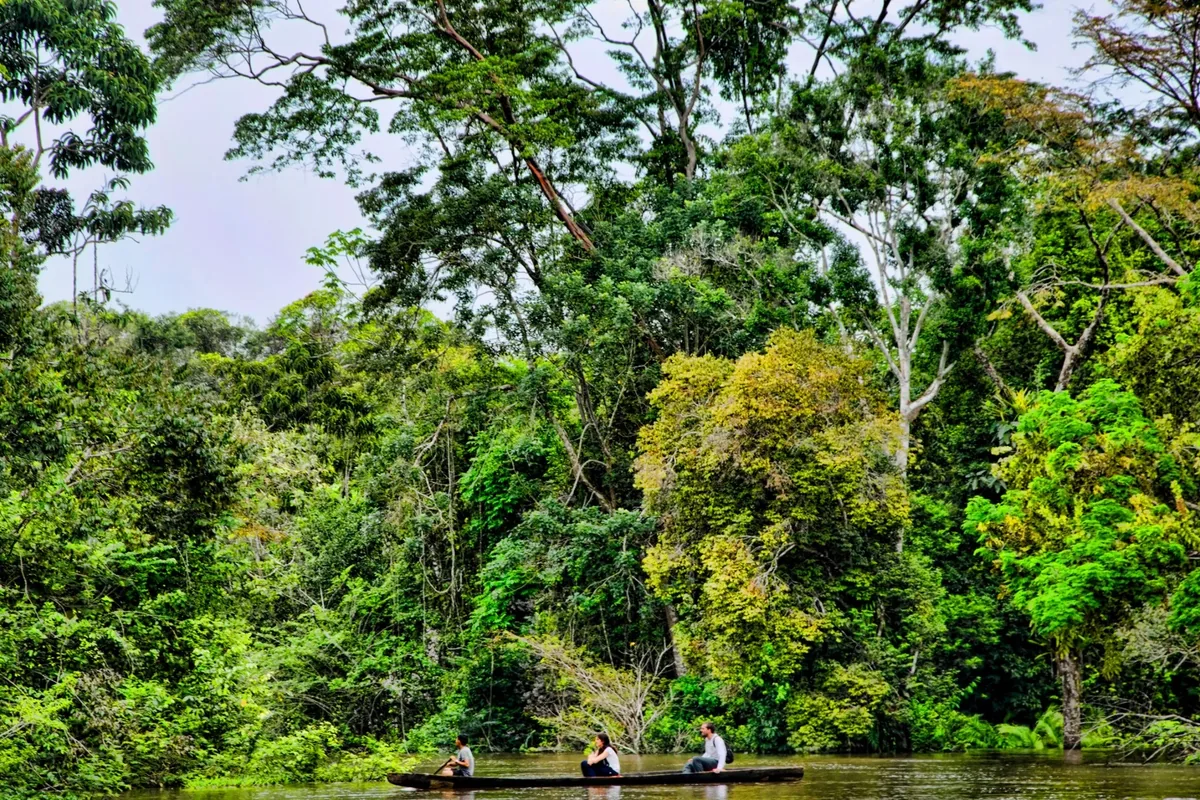
Small canoe beside dense riverside forest

AT A GLANCE

What is the difference between Iquitos and Loreto?

Iquitos is Loreto’s capital city; Loreto is the wider region. A visit to Iquitos does not automatically include Pacaya Samiria or Allpahuayo Mishana. Choose the reserve or forest setting you want, then check the named base and access route.

Understand the setting

Iquitos is the starting point

The city and the forest are different parts of the trip. Iquitos is Loreto’s capital and a useful point of reference when comparing arrival arrangements, accommodation and onward journeys. A city hotel can give a different rhythm from a forest stay. First decide where you want to spend your nights; then look at how the route connects those nights with the landscapes you came to explore.

Choose a landscape, not a regional label

PROMPERÚ highlights Pacaya Samiria and Allpahuayo Mishana among Loreto’s protected areas. They offer different settings, and neither name should be treated as a generic excursion included with any stay near Iquitos. A proposal becomes much easier to understand when it names the protected area, visitor sector and overnight base. Keep those details beside the planned activities when comparing options.

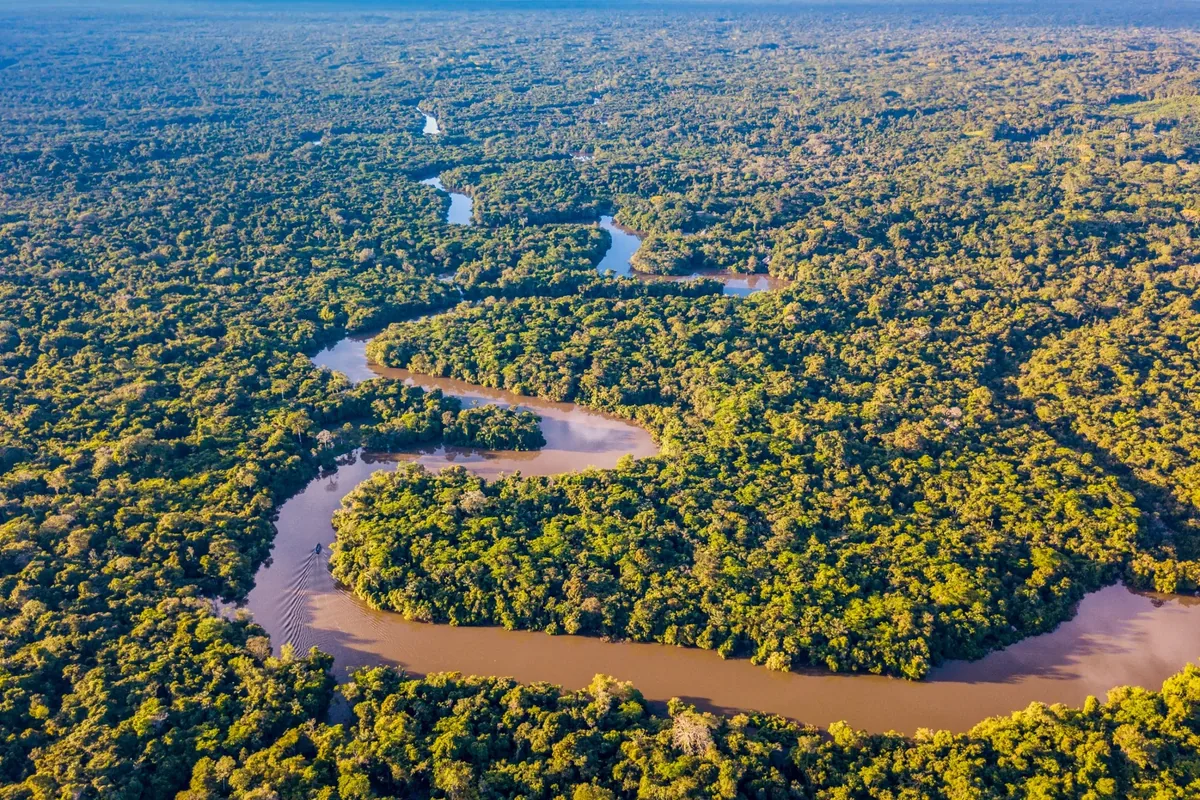
Aerial view of a winding river surrounded by forest

Two landscapes to explore more closely

Pacaya Samiria: let the river lead

Pacaya Samiria offers a starting point for thinking about a river-centered journey. The attraction is the setting as much as any individual sighting: water, forest margins and the opportunity to watch patiently from the route you choose. Identify the actual reserve access and the time spent exploring rather than transferring. A longer river itinerary and an outing from a lodge are different formats, even when both are advertised as Amazon travel.

Choose the pace of your time on the water

Consider whether moving between places appeals to you or whether you would prefer repeated outings from one base. Both can leave room for nature observation when the itinerary is thoughtfully arranged. Keep travel days visible and choose a manageable activity rhythm. The photograph illustrates a reserve landscape, not the boat type or accommodation included in a particular booking.

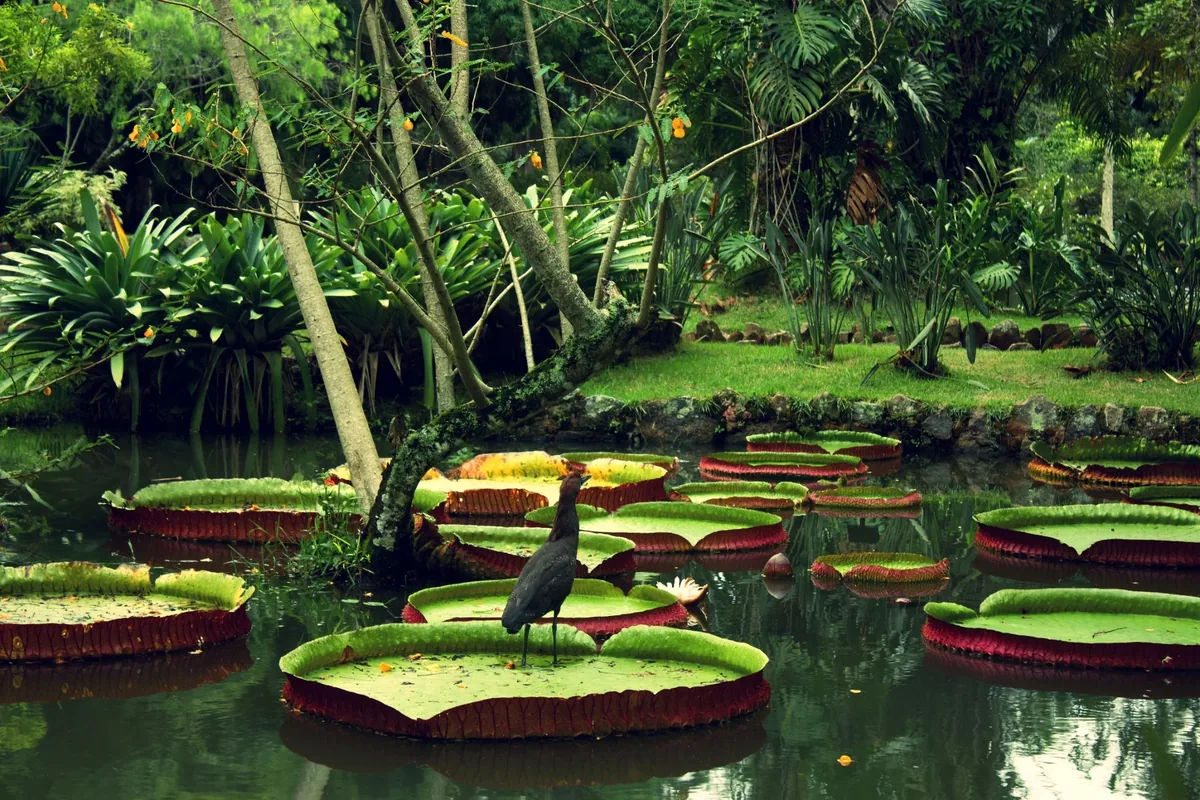
Giant water lily leaves on a forest pond

A different forest experience

Allpahuayo Mishana: white-sand forest

PROMPERÚ describes Allpahuayo Mishana’s white-sand forest as a distinctive regional ecosystem. SERNANP highlights birds associated with its varillal forests. For a traveler interested in habitat and birding, this is a reason to look beyond a general river itinerary. A dedicated forest visit should identify the sector and guide focus so that the experience matches your interests.

Look closely, rather than cover more ground

Forest observation rewards a pace that allows interpretation and pauses. Tell the guide whether you are interested in birds, plants, photography or a broad introduction to the landscape. Discuss the walking surface and duration in relation to your group’s comfort. A trail visit and a long river day ask different things of a traveler; choose the combination that you will enjoy.

Make the practical details clear

Arrival and onward plans

Start with your arrival point and the location of your first night. The name Iquitos alone does not describe the remaining transfer to a forest or river base. Keep the complete pickup and drop-off sequence in your plan, especially if you already have another reservation. Confirm the arrangements for your own dates before treating a connection as fixed.

Time at the base

Separate nights from useful exploration time. Count the arrival and departure activities, the days at your chosen base and any move between accommodations. A shorter program can be enjoyable when its scope is clear; it becomes frustrating when too many settings are squeezed between transfers. Give your favorite part of Loreto room in the itinerary.

Rooms and daily comfort

Choose the practical details that matter to your group before comparing properties. Sleeping arrangements, meals, communications and the demands of outings can shape the trip more than a photograph of the room. Request current details for the named accommodation. If you have dietary or access needs, make them part of the initial outline.

Rain and river conditions

Treat the proposed route as the basis for seasonal questions. The important issue is how conditions affect the actual landings, walks and outings, not a blanket claim that one month is perfect. Build flexibility around your main interests and understand the alternatives if a planned activity changes. Current conditions should be reconfirmed before travel.

Who might enjoy this journey?

Birding and habitat interests

Choose a route for its settings and guiding focus. If white-sand forest is a priority, include Allpahuayo Mishana explicitly rather than assuming any forest stay covers that habitat. Give dedicated birding time its own place in the itinerary and keep sightings as possibilities.

River scenery and a quieter pace

A water-focused journey can be appealing when you enjoy watching a landscape unfold. Compare moving journeys with outings from a settled base. Decide how much travel feels enjoyable and how much time you want for resting or simply observing.

A mixed-interest group

Combine the strongest shared interests first. A group may enjoy shorter walks, river outings and quiet time without wanting a specialist birding itinerary. Discuss the activity rhythm together and make essential needs clear before selecting the accommodation.

Planning questions

Is Iquitos the same as Pacaya Samiria?

No. Iquitos is the city gateway; Pacaya Samiria is a protected area in the region. Check the specific access route and visitor area named in your proposal.

Can I include both river and white-sand forest settings?

Use them as separate priorities in your outline. The practical combination depends on the route, available days and transport arrangements; this guide does not promise a fixed combined package.

Will I see the wildlife in photographs?

Photos illustrate places and previous moments. Choose habitat, guiding and time for observation rather than a guaranteed sighting.

Should I book a city hotel or a forest stay?

Decide whether you want a city base with outings, nights in the forest or a moving river journey. Then compare the actual location and schedule rather than only the room description.

Start with the journey you want

Share your dates, group, interests and wider Peru plans. Use the planning guide to prepare your outline, or compare the other region before narrowing down the route.

Prepare your trip outline

Explore Tambopata →

Sources & scope

Regional facts reviewed October 7, 2026. Route comparisons are editorial guidance, not a confirmed package or current availability.

Explore the next part of Peru

Match your priorities to a named route before choosing where to stay.

Define your next step

Choose the route and overnight format that support your priorities.

Shape your time in nature

Choose when to travel

Compare Tambopata and Pacaya Samiria seasonal guidance with your named route and available time.

Prepare the practical details

Prepare your packing list

Choose clothing and equipment for the actual stages and overnight setup, then check what is supplied.