
PERUVIAN AMAZON
What to pack for Peru’s Amazon
Pack for the days you will actually spend in the forest and on the water. A smaller, well-organized bag starts with the route, your overnight setup and what is already supplied.
Plan this journey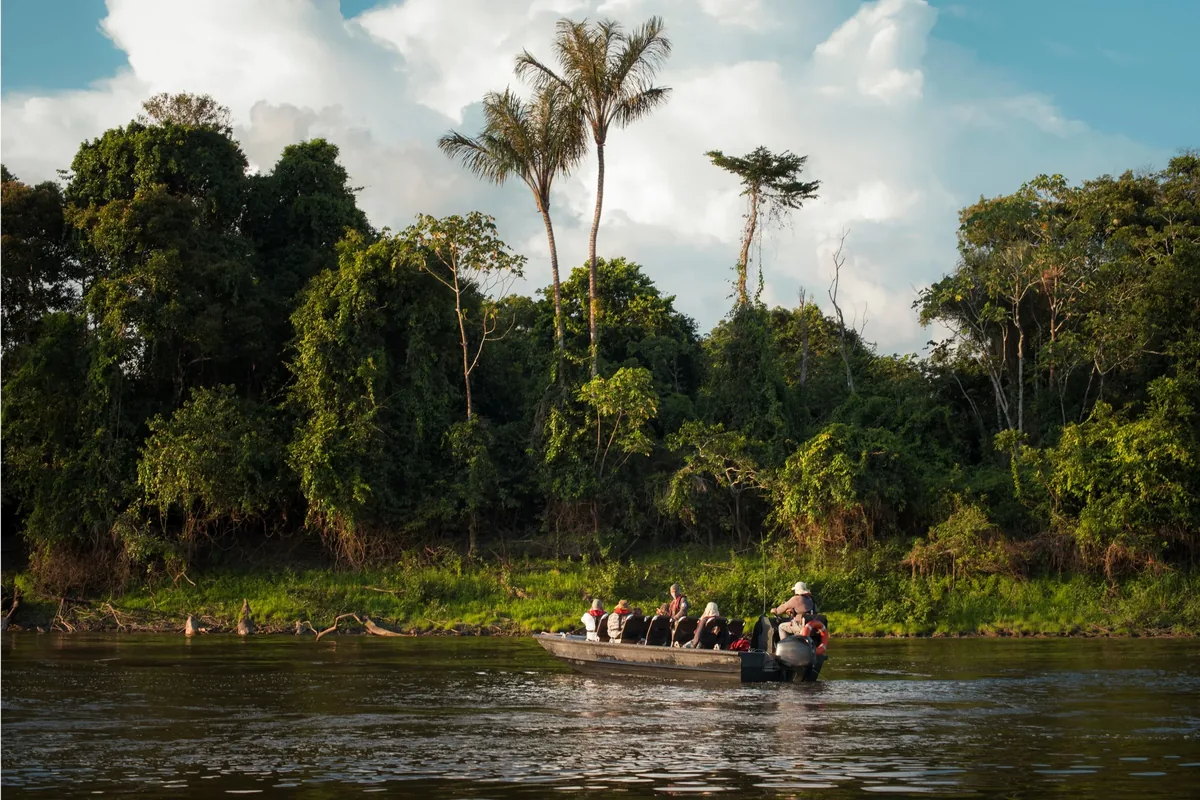
AT A GLANCE
What should I bring to the Peruvian Amazon?
Build a practical kit around comfortable clothing, route-appropriate footwear, rain protection and a small bag for essentials during outings and transfers. Add your documents, personal necessities and observation equipment. Confirm what the organizer supplies, baggage arrangements, charging and laundry before packing. Manu routes spanning different elevations need clothing suited to every stage, not only the lowland stay.
Pack for the route and overnight setup
Start with the itinerary: river transfers, walking, nights at one base or a moving journey. Ask which activities require your own equipment and which items are supplied. A lodge, overnight vessel and campsite can call for different luggage choices. Keep the packing conversation tied to the actual setup rather than a general destination photograph.
Write down the length of the forest stay separately from the rest of your Peru trip. Confirm whether unused luggage can be stored at the gateway and how you collect it afterward. Make a small essential kit for the journey itself. The access and accommodation guides help you identify the questions before turning them into a packing list.
Choose clothing for movement and layers
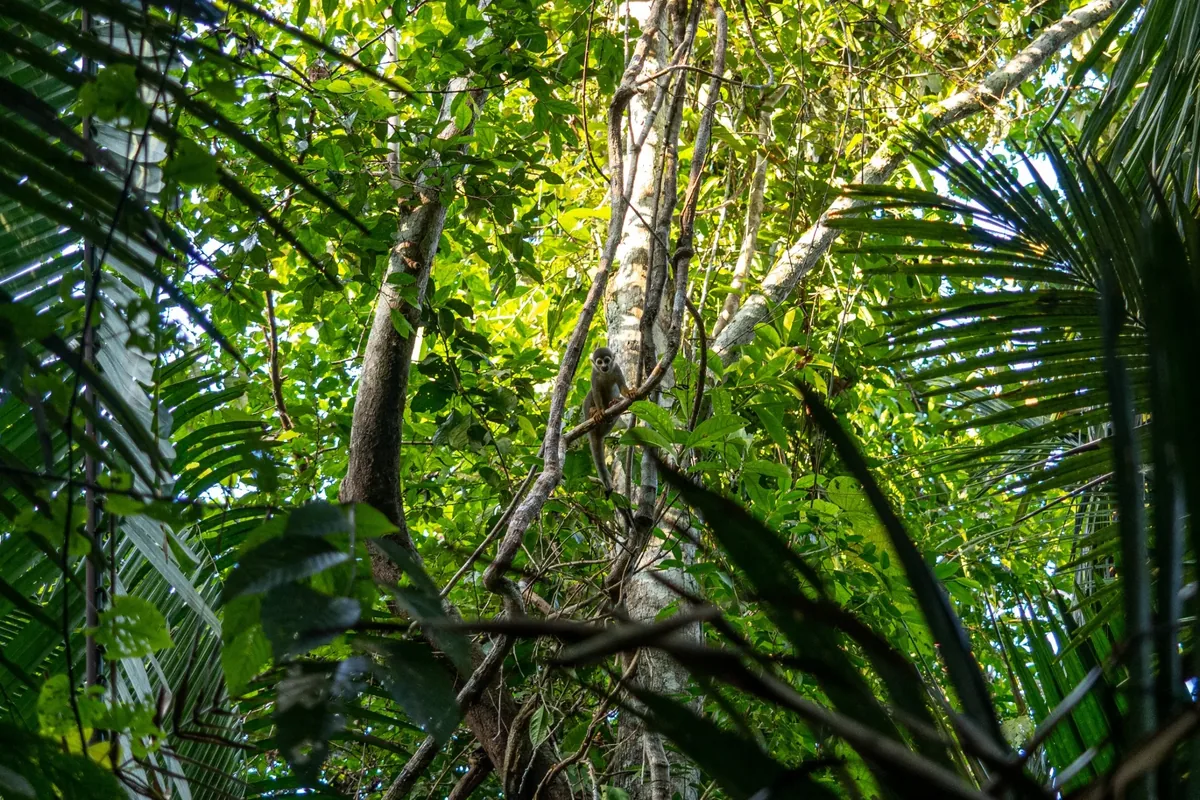
Bring comfortable clothing you can move in, with lightweight long sleeves and trousers as practical options for forest outings. Choose pieces that work together and allow a change after getting wet. Ask whether laundry is available on the actual itinerary before using it to reduce the number of changes you bring.
For a Manu route, account for every elevation and overnight stop. PROMPERÚ describes the park’s range from highland environments to lowland rainforest; a lowland clothing list alone may not suit the journey. Discuss warmer layers with the organizer for your named stages. Pack for the proposed route and dates rather than treating all Amazon travel as one climate.
Separate rain protection from dry storage
Bring rain protection that you can reach without unloading your main bag. Consider how it works while sitting in a boat as well as walking. Check coverage, freedom of movement and how it fits with the bag you carry. A published recommended season does not remove the need to prepare for rain or splashes.
Use suitable protective storage for documents, electronics and a dry clothing change. Check closures before the trip and keep those items organized inside your luggage. Do not assume that a boat roof or an advertised waterproof bag protects every item in every situation. Ask the organizer how baggage is handled during boarding and river transfers.
Match footwear to the actual walking
Ask what the trails, landings and planned walking require before choosing shoes. Bring footwear you have already used comfortably and include suitable socks. If rubber boots are offered, confirm sizes, condition and the activities for which they are supplied. A statement that equipment is included does not establish that it will fit your group.
Consider a practical change of footwear for your overnight setting, subject to the organizer’s guidance. Keep wet footwear separate from dry clothing when packing. Explain any fit or mobility needs early, especially for moving itineraries where replacing equipment may be difficult. The specific walking and boarding arrangement matters more than a universal shoe recommendation.
Keep essentials within reach
Use a small outing or transfer bag for the items you need during the day: rain protection, drinking water as arranged, personal necessities, documents where appropriate and observation equipment. Confirm how water is provided and where you can refill. Choose a setup that leaves your hands available when boarding or following the guide.
Keep the bag manageable rather than carrying every possession on each outing. A spare clothing layer and protection for sensitive items may be useful when the route keeps you away from your main luggage. Ask what happens to the rest of your bag during transfers. Pack the accessible kit before leaving the gateway, not while preparing to board.
Bring observation gear you can use comfortably
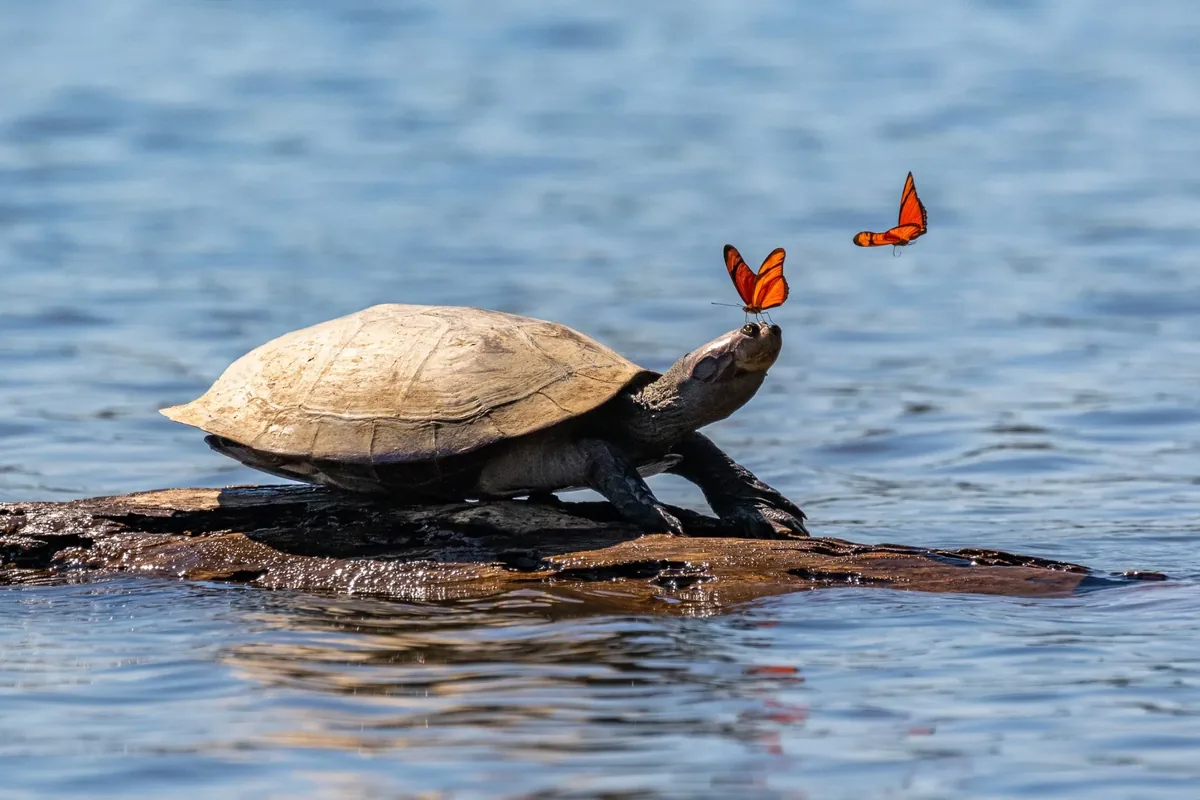
If wildlife or birding is a priority, consider binoculars and confirm whether the guide supplies equipment. For photography, bring a familiar camera setup rather than more gear than you can manage. Think about carrying comfort, protection from rain and the time needed to operate it without slowing or disrupting the group.
Keep spare batteries and storage organized and confirm whether charging is available at each overnight stop. Choose equipment that supports observation at an appropriate distance. The wildlife guide explains why patient viewing matters more than forcing close contact. A notebook can also help record habitat, behavior and uncertain identifications without making every encounter depend on a photograph.
Check power, documents and connectivity
Ask about sockets, charging hours and power availability in the actual room, cabin or camp. Do not infer these features from a destination or comfort label. If you bring a power bank, check current transport-provider rules before travelling. Plan enough usable storage and battery capacity for outings between confirmed charging opportunities.
Keep the meeting details, responsible contacts and relevant booking information accessible offline. Protect travel documents and retain copies in a way appropriate to your own needs. Confirm where connectivity is available, rather than assuming the forest stay offers constant service. A clear plan for essential information is more useful than relying on one device or an internet connection throughout the route.
Prepare personal care before departure
Pack your regular personal-care items and discuss individual health preparation with a qualified professional before travel. For personal medicines, organize the supply, storage and any documentation relevant to your journey with appropriate advice. This equipment guide does not prescribe treatments or replace current official entry and health information.
Ask the organizer which practical toiletries, towels and other supplies are included at your overnight locations. Choose sun and insect protection with suitable guidance for your own needs, and confirm any relevant site rules. Bring necessities rather than assuming that a remote itinerary has the same replacement options as a city stay. Explain essential requirements before accepting the proposal.
Finish with an operator-specific checklist
Before departure, confirm baggage size and weight for every stage; boots and other supplied equipment; rain and dry-storage arrangements; charging; laundry; water provision; and your meeting information. Keep this checklist alongside the itinerary, because different overnight formats and routes can change the answers. Resolve missing details before reaching the gateway.
Remove items that do not serve your actual activities, while preserving essential personal supplies. Keep the accessible transfer kit separate from luggage stored for the wider trip. Share any unresolved preparation needs with the organizer. Good packing supports an unhurried experience: enough to stay organized and comfortable, without letting unnecessary equipment take over the journey.
Planning questions
Do I need rubber boots?
Ask about the actual trails and whether boots are supplied. Confirm sizes and condition before relying on them, and bring familiar footwear suitable for the other walking and overnight stages.
Can I leave a large suitcase at the gateway?
Ask the organizer about a specific storage arrangement, responsibility and collection on return. Do not assume storage is included, and confirm baggage limits for the onward route separately.
Will I be able to charge my camera every night?
Confirm power, sockets and charging hours for each overnight location. A lodge, vessel or campsite description does not establish uninterrupted power. Plan batteries around the confirmed arrangement.
Is the same packing list suitable for Manu and Loreto?
Not automatically. Manu may include different elevations, while river-based Loreto routes have their own boarding and baggage needs. Use the named itinerary and overnight setup to adapt the list.
Prepare for the journey you chose
Share your route, overnight preferences and any equipment or mobility needs. We can identify the preparation questions that belong to your actual itinerary.
Share your plansPeru overview · Access & transfers · Accommodation · Choose your dates · Wildlife guide · Manu
Sources & scope
Editorial review: October 7, 2026. Official references and practical planning guidance; confirm services, transfers and equipment for the named route. This guide does not confirm availability or replace individual medical advice.