
Understand access and transfers
Connect your gateway with the named route and confirm the return before booking onward travel.
PERUVIAN AMAZON
Your overnight base shapes the whole trip. Look beyond room photographs to the route, daily rhythm and comfort details that matter to your group.
Plan this journey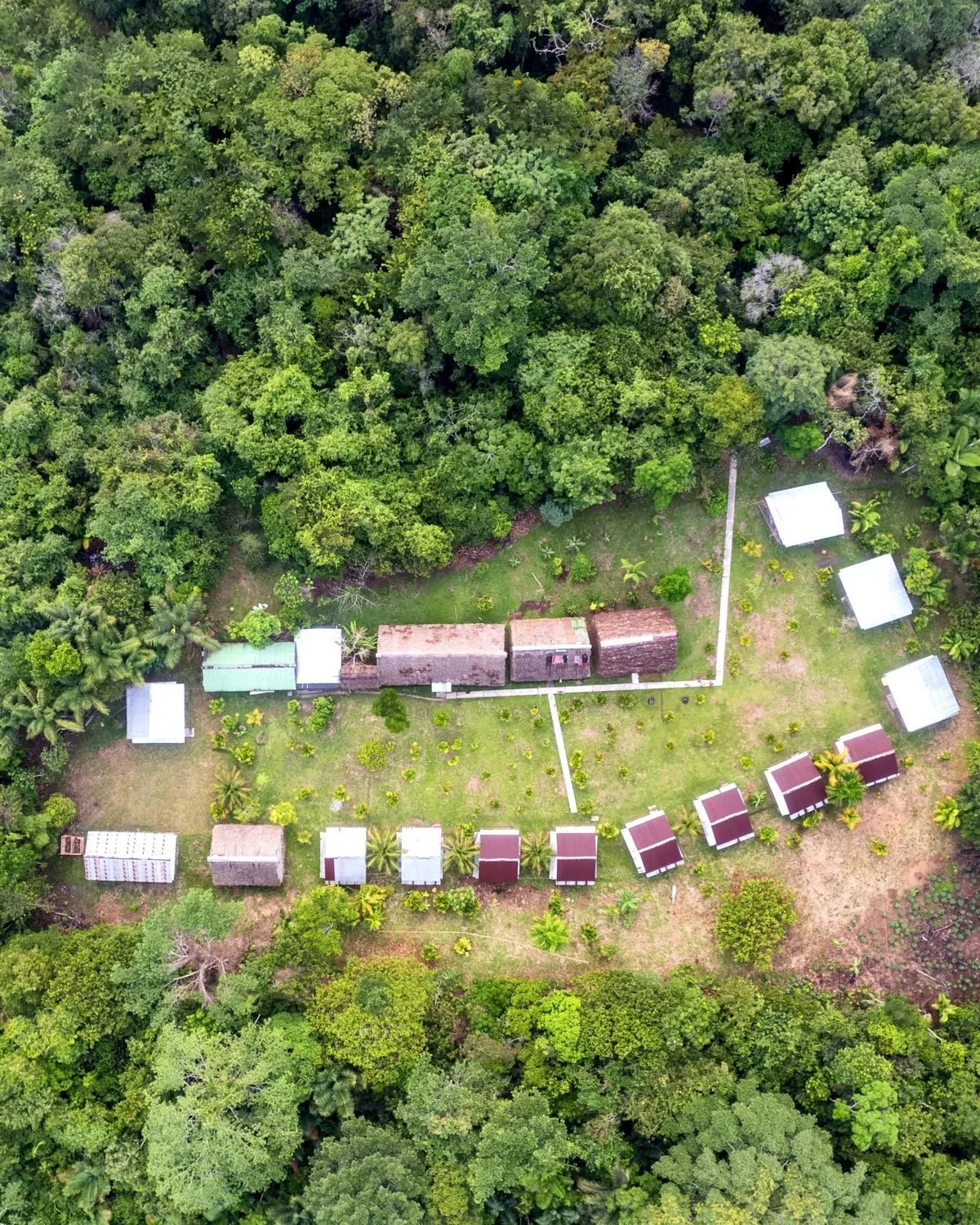
AT A GLANCE
Choose your region and main interest first, then compare the actual overnight arrangement. A lodge provides a settled base; an overnight river journey combines travel and accommodation where offered; camping is a route-specific option. Ask about the named room or sleeping setup, meals, utilities, activities and complete transfers. These are selection criteria, not claims about every property or a list of bookable stays.
Put the proposed accommodation on the route map. A gateway-city hotel, a forest lodge and a stop within a protected-area itinerary serve different purposes. The broad labels Iquitos, Tambopata or Manu do not establish where you will sleep or which visitor area you will explore.
Begin with the setting you want, then assess how the base reaches it. If a particular lake, habitat or visitor circuit is the reason for the trip, connect it to a named outing. A beautiful room is useful only when the surrounding itinerary also delivers the experience you chose.
A settled base can suit travelers who prefer to unpack once and build a daily rhythm. Compare how outings leave and return, where free time fits and which excursions require additional travel. Staying at one place does not mean every desired activity is nearby or included.
Evaluate the room you would actually receive and the spaces your group would use. If quiet rest, a private bathroom or a particular bed arrangement is essential, state it before narrowing the options. Ask for current details rather than treating photographs from different room categories as interchangeable.
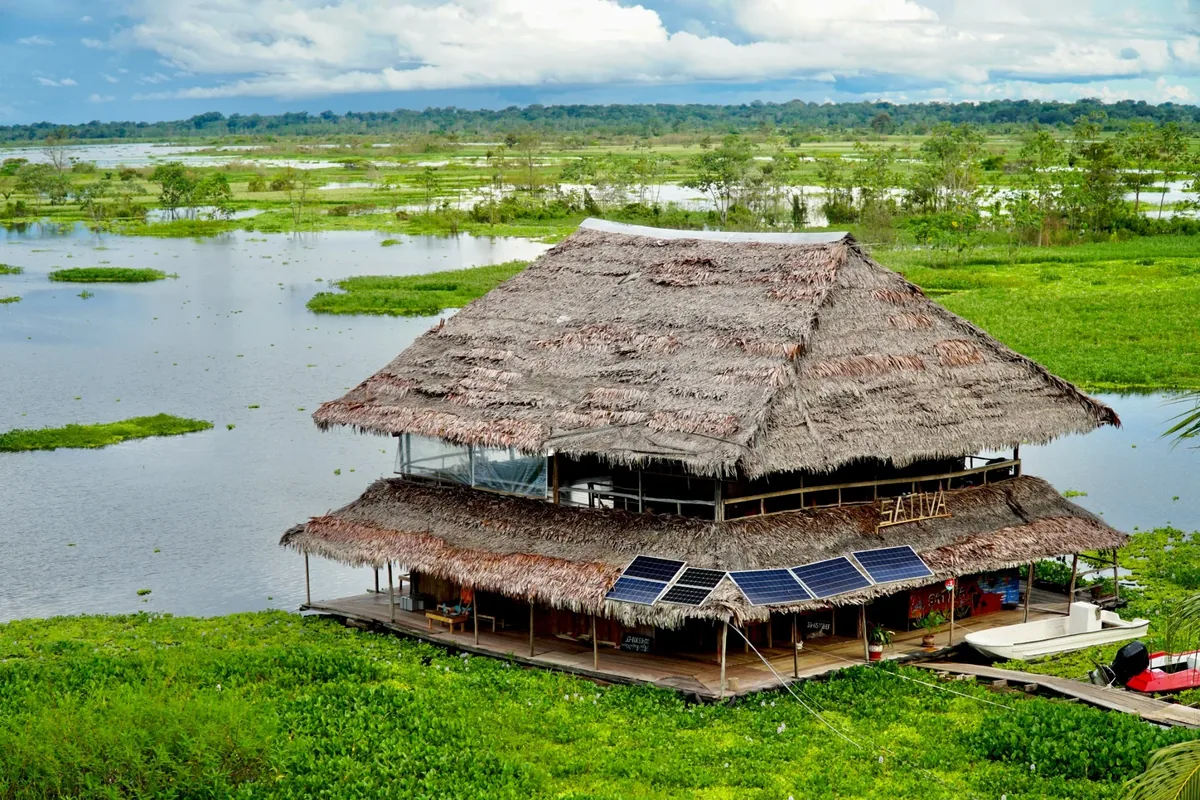
An overnight river journey combines accommodation with movement where that format is offered. Distinguish the vessel you sleep aboard from smaller boats used for daytime outings. The cabin, common spaces and daily landing arrangements should be described separately so you can understand the experience.
Ask when navigation happens in relation to resting and outings, and discuss noise, stairs, cabin access and boarding if these matter to you. A moving itinerary does not automatically eliminate separate transfers. Identify the boarding location, final disembarkation point and connection with your next reservation before choosing by a cabin photograph.
Camping belongs to a particular route and support arrangement, rather than a universal accommodation category. Establish who provides and carries the sleeping equipment, how camp is organized and what bathroom and meal arrangements apply. Do not assume that a photograph of a tent describes all nights.
Choose the format with an honest view of your preferences and needs. Discuss bedding, protection of belongings, luggage limits and support during the day. If you want a simpler stay without camping, say so early. A traveler can enjoy focused forest observation without choosing the most demanding overnight format.
List who is traveling and how you want to share sleeping space. Bed configuration, privacy and the location of bathrooms can affect a family or mixed group differently. Request details for the booked category and each overnight stop rather than relying on the property’s general comfort description.
If you have access needs, ask about the route between arrival, room, meals and activities. Steps, surfaces, boat boarding and assistance deserve specific answers. A room described as comfortable does not demonstrate that the entire journey is suitable; consider the practical sequence you will follow each day.
Make dietary needs part of the initial discussion and establish which meals and drinks are included. Ask how requirements are handled for the actual itinerary, especially if you change bases. Keep any essential personal requirements distinct from preferences so the organizer can respond clearly.
For cameras or other devices, ask when and where charging is available and whether your equipment can be accommodated. Discuss communications if you need contact during the trip. Treat electricity, internet and phone access as property-specific questions. Neither a remote setting nor a premium label establishes those facilities.
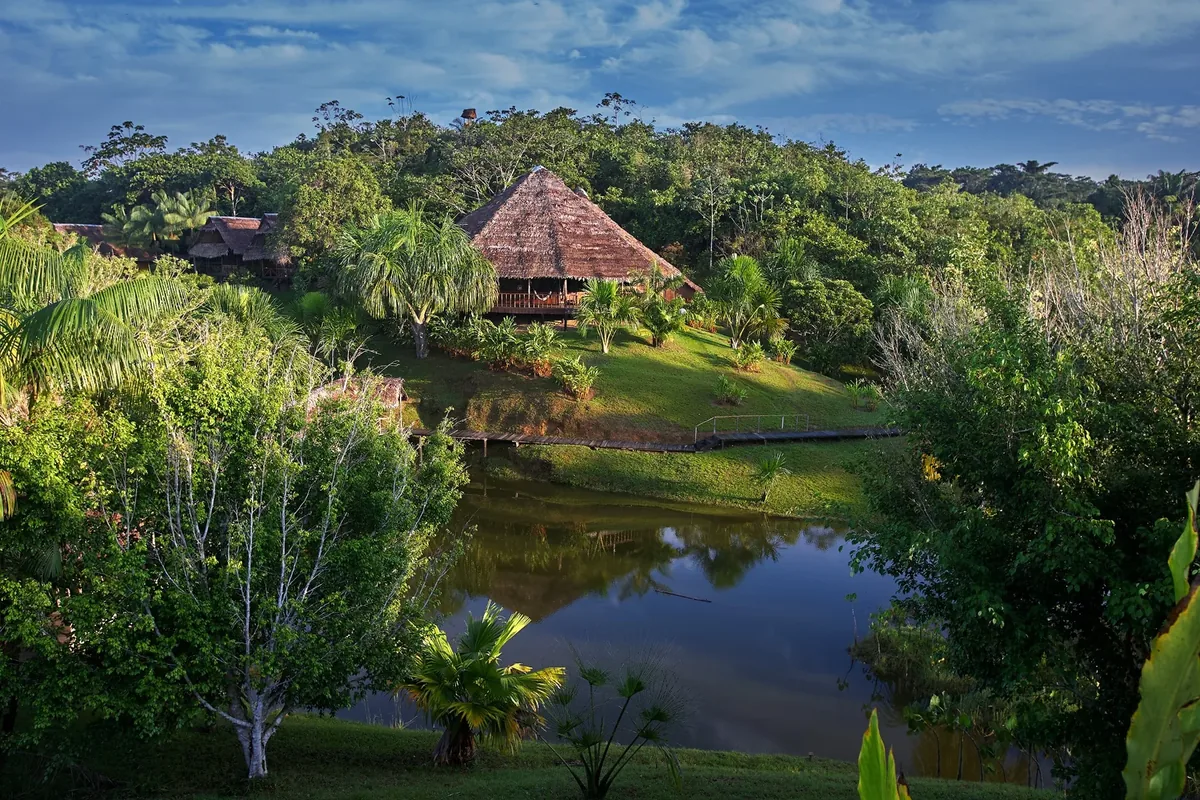
Compare the daily program alongside the accommodation. For birding or photography, identify time for focused observation and the guide’s role. For a mixed-interest group, consider shorter outings, interpretation and room for rest. A good match is about how the days unfold, not only how the room looks.
Clarify which outings are included, whether guiding arrangements fit your language needs and how group activities are organized. If a desired protected-area visit is central to the trip, check that the proposal includes that named route. A lodge location and a reserve visit should not be treated as identical promises.
Request an itemized proposal covering accommodation, meals, guiding, entry arrangements, transfers and optional activities. Compare the same group, dates and room requirements. Avoid judging value by a starting price that leaves major parts of the journey unspecified. This guide publishes no unverified property rates or rankings.
Read cancellation terms and how changes to activities or transport are handled. Identify anything paid separately and the complete return arrangements. Keep the response in writing so you can compare like with like. A quieter, simpler stay can be a good choice when its scope matches your priorities.
Choose one primary experience and the comfort details you need to enjoy it. Use the region guide to decide the setting, then the destination guide to identify the route. Pacaya Samiria, Tambopata and Manu can involve different overnight choices; the best shortlist is one you can explain.
Send dates, group size, wider Peru plans and essential requirements. Include whether you prefer a settled stay, a moving journey or are open to camping. You do not need to select a property before contacting us. Clear priorities are enough to begin comparing practical options without invented promises.
Do not assume it does. Ask whether the named visitor route, entry arrangements and required guiding are included. The accommodation’s location and the activities in the proposal are separate details.
No universal guarantee applies in this guide. Request current details for the specific room or sleeping arrangement, including bathroom access and charging times if these are essential to your group.
Compare the actual daily program, guiding focus, room arrangements and activity demands. Different travelers can share a stay when the proposed rhythm works for the group; a marketing category alone cannot establish that fit.
No. This guide is a framework for selecting a stay and comparing proposals. It does not list verified inventory, prices or availability. Share your route and requirements to begin a specific inquiry.
Share your preferred region, dates and the comfort details your group needs. We can begin with the experience and compare overnight options that support it.
Share your plansPeru overview · Plan your journey · Iquitos & Loreto · Compare regions · Pacaya Samiria
Editorial selection guide reviewed October 7, 2026. This is not a directory or an endorsement of particular properties. Photographs show landscapes; overnight arrangements must be confirmed for each route. SERNANP describes visitor services in Pacaya Samiria; this guide does not verify accommodation inventory or facilities.
Connect your gateway with the named route and confirm the return before booking onward travel.
Choose clothing and equipment for the actual stages and overnight setup, then check what is supplied.