
PERUVIAN AMAZON
When to visit the Peruvian Amazon
A good travel window belongs to a place and a route. Compare regional guidance, the experience you want and time on the ground before choosing your Amazon dates.
Plan this journey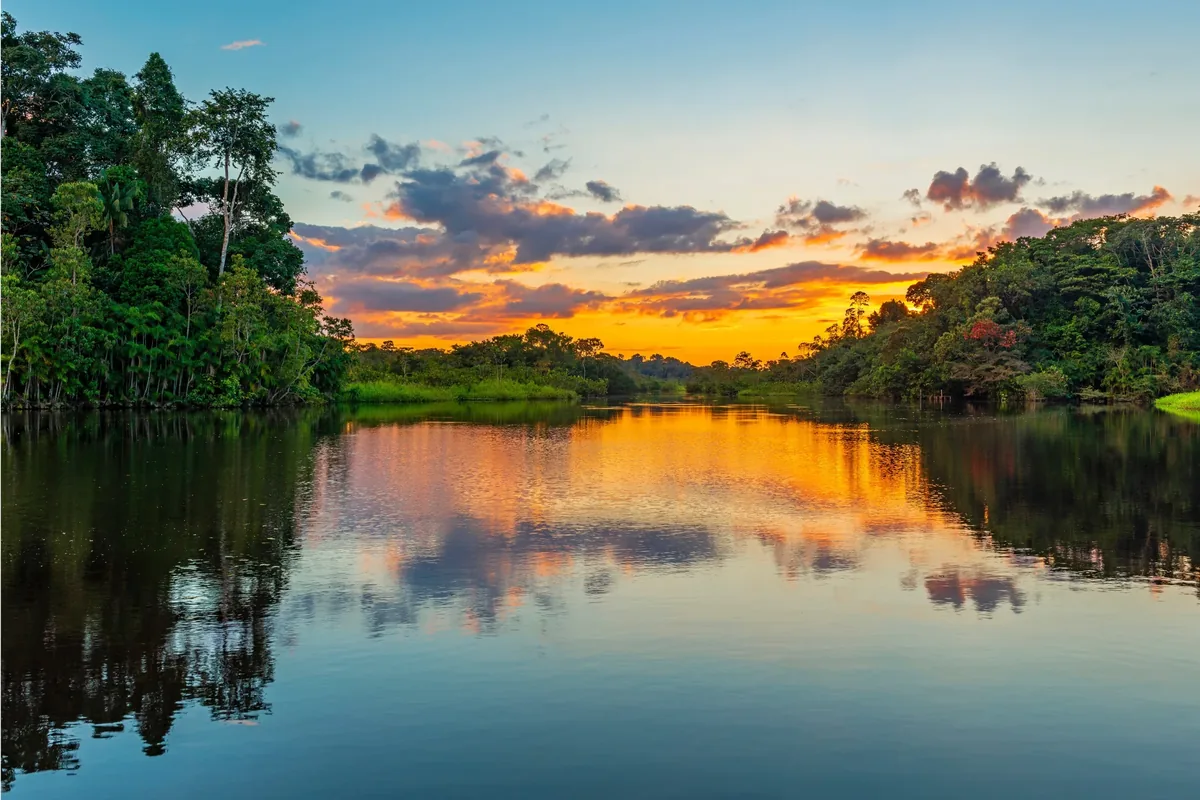
AT A GLANCE
Is there one best month for the Peruvian Amazon?
There is no single window for every route. SERNANP recommends May–October for Tambopata and May–September for Pacaya Samiria. Use these as regional starting points, then confirm the waterways, trails and overnight arrangements in your proposal. Manu’s varied elevations need a route-specific conversation. No calendar window guarantees clear weather or wildlife sightings.
Match your dates to a named route
Begin with the area you want to explore: Tambopata, a particular Pacaya Samiria sector, or a named Manu route. A country-wide weather label tells you less than the combination of habitat, approach and activities. Decide whether your priority is a lake outing, river exploration, walking or focused birding before comparing travel months.
If your dates are fixed, ask what the proposed route can realistically offer during that window. If they are flexible, compare two options with the same overnight format and exploration time. This helps you choose for the experience rather than chasing an apparently perfect month that may not suit the rest of your journey.
Tambopata: a published May–October window
SERNANP’s visitor page recommends May through October for Tambopata and identifies December through March as its rainy season. This is a useful reference for the reserve, not a promise about each day. Ask which visitor sector and activities your itinerary includes before applying that seasonal guidance to the entire Puerto Maldonado area.
A Sandoval Lake visit and a journey toward the upper Tambopata clay licks are different plans. Compare the transfers, time at each location and alternatives if conditions change an outing. Do not assume that travelling within the recommended window removes the need for rain protection, flexible scheduling or a clear return arrangement.
Pacaya Samiria: water shapes the journey
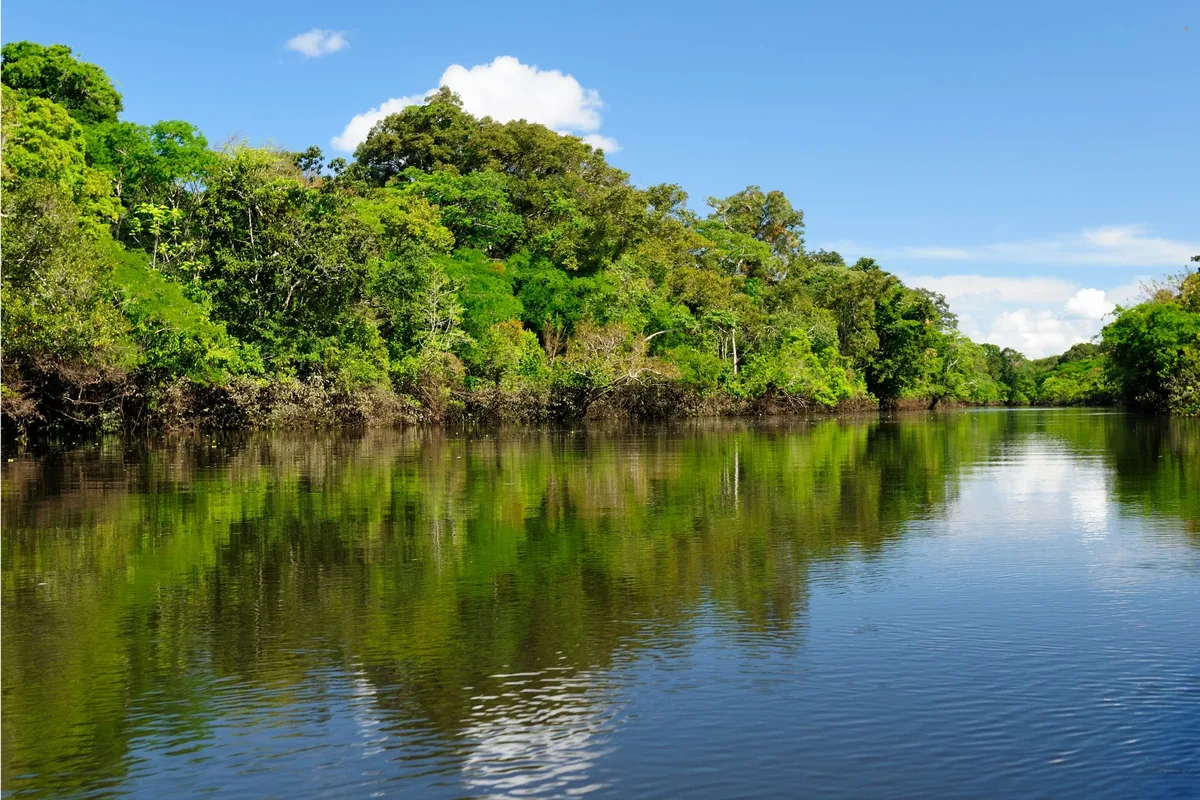
For Pacaya Samiria, SERNANP recommends May through September and lists October through April as the rainy season. Its visitor information also describes aquatic-bird concentrations during receding water on particular routes. These details belong to that reserve and those settings; they should not become a universal claim about all Loreto wildlife or waterways.
Ask about the named sector, expected boat access and the balance of river outings and walking for your dates. A proposal should explain how the journey adapts if a landing or activity changes. Choose the flooded-forest experience with that flexibility in mind rather than treating a high-water or low-water label as a complete itinerary.
Manu: consider elevation and the route
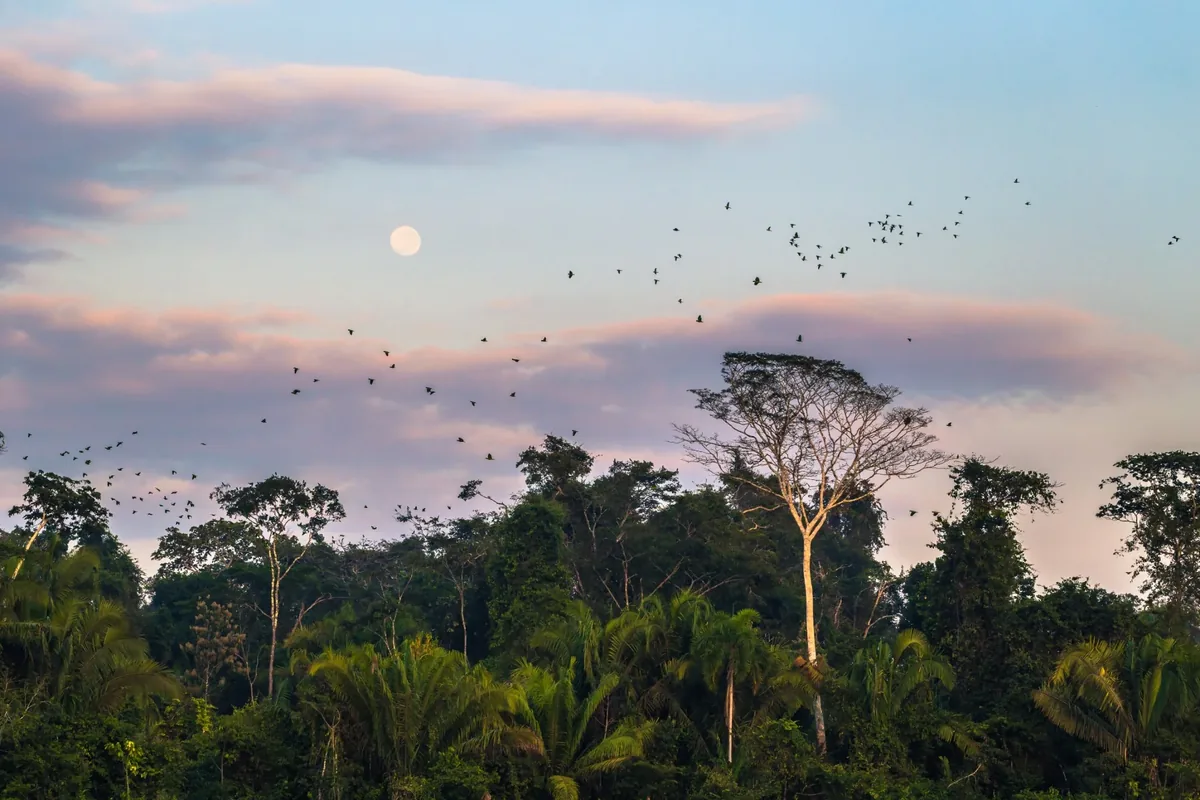
PROMPERÚ describes Manu across high Andean environments and Amazonian lowlands. A journey through that range is not the same weather question as staying at a lowland base. Ask where each night and outing takes place, how the route changes elevation and which clothing and travel arrangements are appropriate for those locations.
This guide does not assign Manu the seasonal window published for another reserve. Request current, route-specific guidance from the organizer and check official visitor information before committing. Compare a shorter route and a more extensive journey on their actual stages, not simply on the number of nights or the park name in the title.
Rainfall and river level are different questions
Ask separately about rain during outings and the conditions affecting waterways, trails and landings. A broad seasonal recommendation does not establish the water level on a particular departure. You need to know what the organizer expects for that route and what alternatives are available if the planned activity cannot run as described.
Keep this practical: can the route still serve your main interests, and what would change? A river outing, forest walk and lake visit are not interchangeable for every traveler. Understand the alternative before booking, especially when a particular activity is the reason for choosing that area. Keep written inclusions and change terms alongside the itinerary.
Wildlife interests need time as well as dates
A published season is not a sightings calendar. Tell your guide whether your interests are birds, mammals, photography or general forest interpretation. Ask which habitats and observation opportunities the route actually includes. Avoid choosing a month solely because an advertisement pairs it with a photograph of an animal you hope to see.
Give observation room in the schedule. Compare usable mornings and afternoons after arrival and transfers, not just total trip length. Repeated opportunities in a suitable setting can be more useful than a packed list of stops. Enjoy behavior, calls and the forest itself while keeping any particular encounter a possibility rather than an expectation.
Build breathing room into arrival and departure
Put your gateway arrival, onward transfer, first outing and return on one timeline. Check whether your arrival day offers exploration or mainly travel. Ask how the final transfer connects with your onward booking and what happens if the planned sequence changes. Use the organizer’s current arrangements instead of borrowing a transfer estimate from another itinerary.
For a short visit, choose a focused route with a clear start and finish. With more time, decide whether you want additional observation from one base or a moving journey. Extra nights should earn their place through useful time in the area, not simply add travel stages that leave you less time outdoors.
Choose accommodation for the conditions you expect
Ask how the actual room, cabin or camp supports your trip: ventilation, rain protection, bathroom access, charging and dry storage are useful questions. Do not infer these features from a destination name or a promotional image. Explain personal needs early so that the organizer can describe the specific arrangement rather than a general comfort category.
Keep essentials accessible during transfers and confirm baggage handling and equipment supplied. The accommodation guide helps compare a settled lodge, overnight vessel and camping itinerary. For health questions, use qualified individual advice and current official information; choosing a recommended season does not settle personal medical needs or replace preparation for your route.
Make a decision you can explain
Write down three priorities, your available dates and the journey format you prefer. Compare regional guidance with a proposal that names the places, activities and overnight stops. If an option falls outside a published recommended window, ask for a clear explanation of the experience and adjustments instead of assuming it is either unsuitable or automatically equivalent.
Before paying, reconfirm the route, inclusions, entry arrangements, return and booking terms. SERNANP requires authorized tour operators for Tambopata and Pacaya Samiria. Keep official information and your organizer’s current details together. The aim is a well-understood journey that fits your dates, with enough flexibility to enjoy the forest on its own terms.
Planning questions
Is May–October best everywhere in Peru’s Amazon?
No. That is SERNANP’s recommended window for Tambopata. Pacaya Samiria’s published recommendation is May–September. Check the specific region and route rather than applying one reserve’s calendar across the country.
Does a recommended season guarantee dry days?
No. Treat the recommendation as a broad planning reference. Confirm current conditions, rain protection and the alternatives for outings on your named route.
Can I plan a visit outside the recommended window?
Ask an authorized organizer to explain whether the route is available, what changes and how the experience fits your interests. A broad seasonal label alone cannot confirm an individual departure.
Should I choose dates or a destination first?
If dates are fixed, compare routes that can serve your priorities then. If you have flexibility, choose the habitat and journey style first and compare regional timing guidance with the actual itinerary.
Find a window that fits your journey
Share your dates, preferred region and main interests. We can start with the places and experiences that matter to you, then discuss the route and time to explore.
Share your plansPeru overview · Plan your journey · Compare regions · Tambopata · Pacaya Samiria · Wildlife guide
Sources & scope
Editorial review: October 7, 2026. Published seasonal windows are broad references, not forecasts or confirmation of access. Confirm conditions and services for your named route before booking.