
PERUVIAN AMAZON
Choose your Peru Amazon region
Three starting points for a very different journey. Choose the landscape and travel rhythm you want, then give that choice enough time.
Plan this journey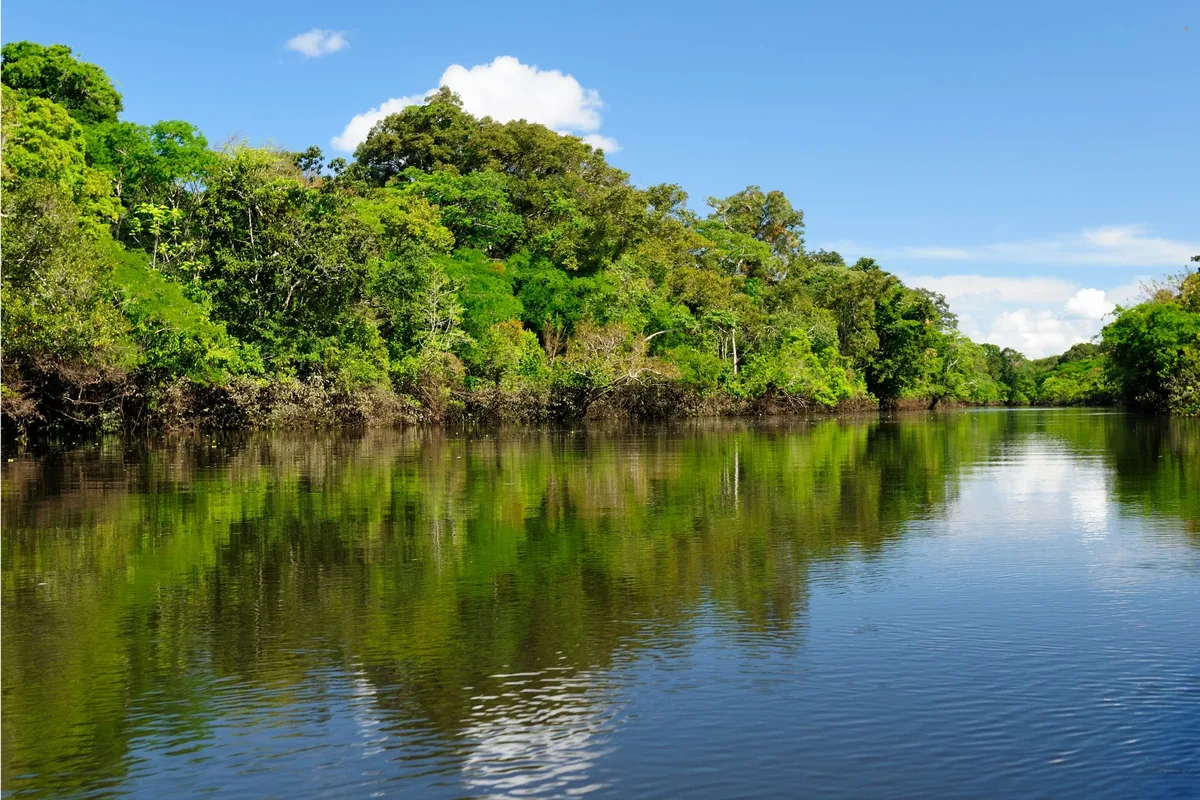
AT A GLANCE
Iquitos, Tambopata or Manu: where should you start?
Start with Iquitos and Loreto for a river-focused inquiry or a specific white-sand forest interest; compare Tambopata for named lake and clay-lick routes; consider Manu for its mountain-to-lowland landscapes. These are planning directions, not rankings. The visitor area, overnight base and complete transfer sequence determine the trip you actually take.
Three names, different kinds of places
Iquitos is a city gateway in Loreto. Tambopata is a national reserve in Madre de Dios. Manu is a national park spanning Cusco and Madre de Dios. Comparing the names alone mixes a city, a reserve and a park; compare the actual visitor routes instead. A hotel in a gateway city and a forest base answer different needs.
Use the three options to build a shortlist, then ask for named areas and accommodation. A broad Amazon label can conceal important differences in the setting and daily rhythm. The destination guides explain each option in more detail, while this page focuses on the decisions that help you choose between them.
| Option | Interest to explore | Detail to confirm |
|---|---|---|
| Iquitos / Loreto | Rivers; white-sand forest | Named reserve and overnight base |
| Tambopata | Lakes; forest; clay licks | Sector and included activities |
| Manu | Mountain-to-lowland transition | Visitor circuit, access and overnight stops |
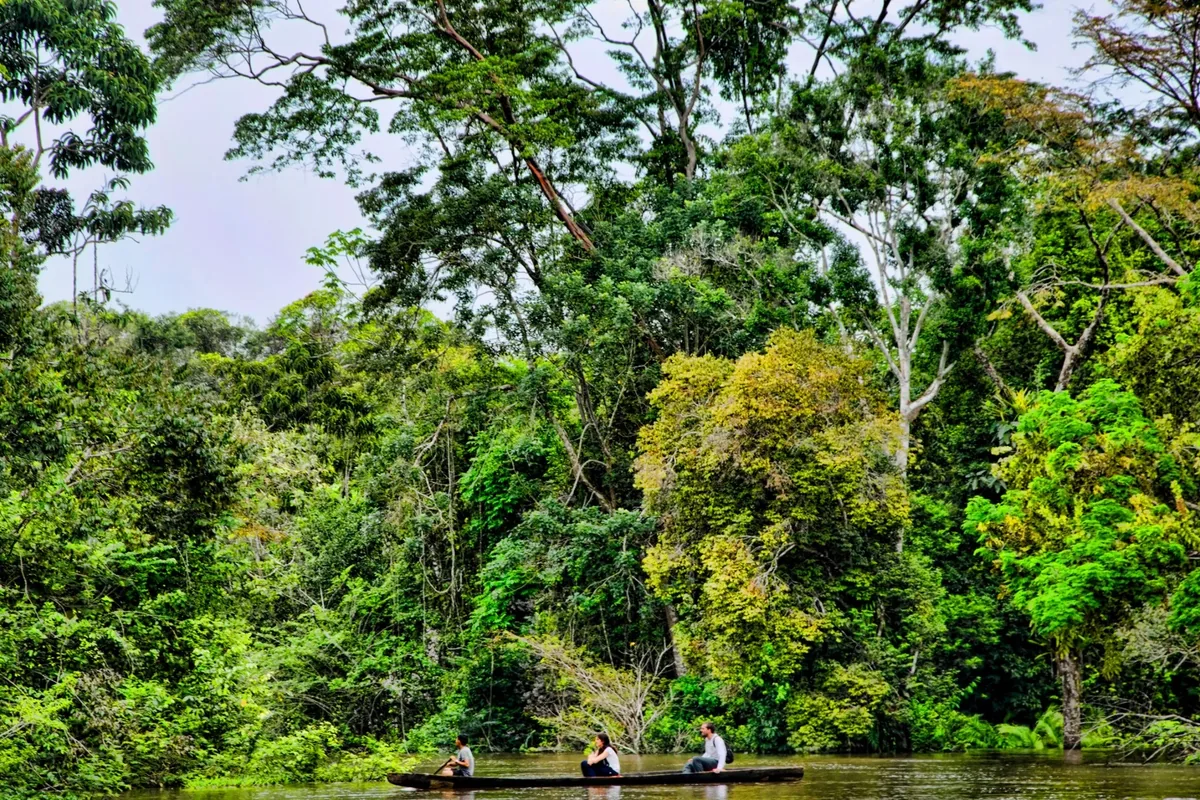
Iquitos and Loreto: choose your river setting
PROMPERÚ identifies Iquitos as Loreto’s capital and highlights Pacaya Samiria and Allpahuayo Mishana among the region’s protected areas. If rivers are central to your idea of the Amazon, begin by comparing a moving journey with outings from one base. Name the protected area you want to explore, rather than assuming every Iquitos program reaches it.
Allpahuayo Mishana adds a different interest: white-sand forest. A visitor who wants habitat-focused birding should make that preference explicit. A city stay, a river journey and a dedicated forest visit can involve different arrangements. The useful question is which setting receives your time, and how it connects with the place where you sleep.

Tambopata: lakes, forest and clay licks
Tambopata is a starting point for comparing lake, forest and clay-lick interests in Madre de Dios. Puerto Maldonado is the regional city reference, but it does not identify your overnight base or every excursion. Ask which reserve sector the route visits and which activities are part of that particular proposal.
A photograph of macaws is a reason to explore a clay-lick itinerary more closely, not evidence that every Tambopata stay includes the same location or sightings. If a lake is your priority, name it. Compare the time at the desired site, the guiding approach and the rest of the journey before selecting a property from its room pictures.
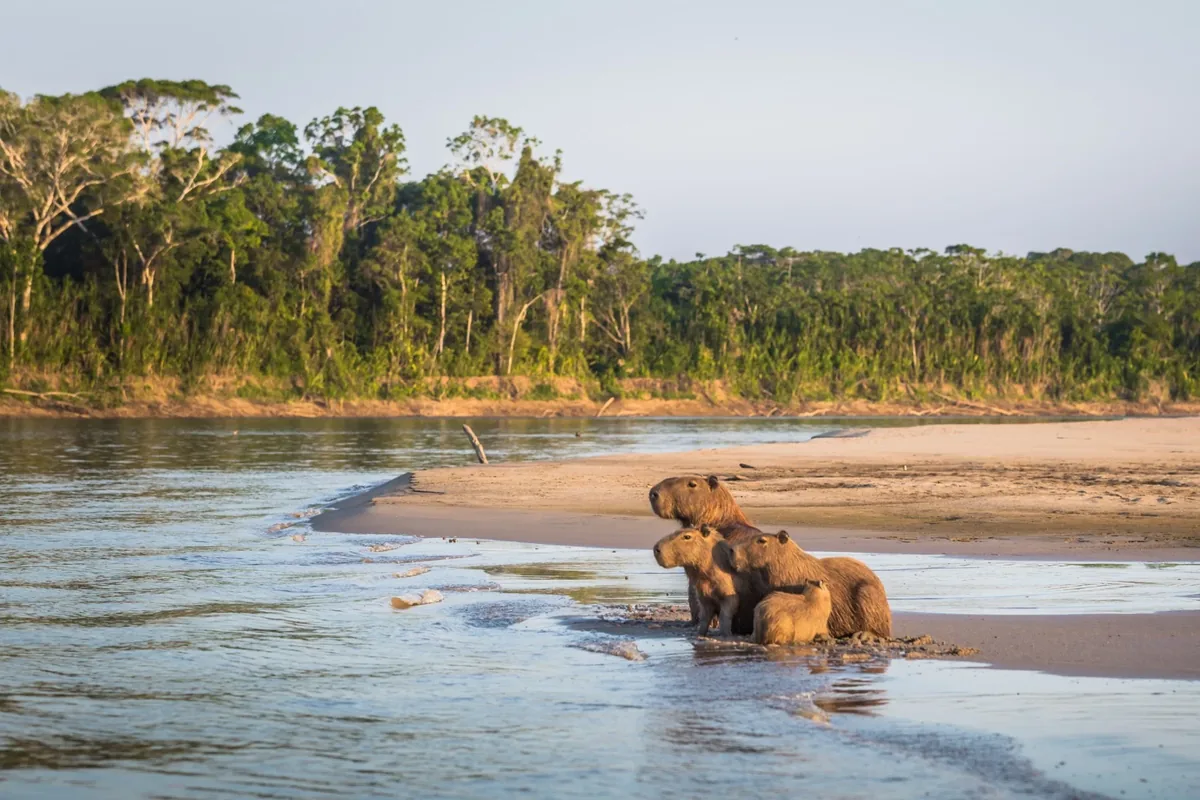
Manu: make the changing landscape part of the trip
Manu’s protected landscape includes high Andean terrain and lowland Amazon forest. Consider it when the transition between environments is part of the experience you want. First establish which part of that landscape a proposal covers: an itinerary with Manu in the title does not automatically include all habitats or a visit inside the national park.
Ask for the visitor circuit and entry arrangements, especially when comparing different zone labels. A journey with several overnight bases has a different rhythm from repeated outings at one lodge. Give the landscape transition time in the plan; do not treat the movement between stops as though it were already forest observation.
Compare useful time, not advertised days
Write down arrival, transfers, exploration and departure for each shortlisted option. Count full mornings and afternoons at the places that matter to you. Two programs with the same number of nights may leave very different amounts of time for your main interest. This is a more useful comparison than the package title.
If your window is limited, reduce the scope before increasing the pace. Choose one region and one clear priority, then see what fits around it. With more days, consider an extra night at a strong base before adding another destination. Switching regions should have a purpose beyond collecting another name on the itinerary.
Match the format to your group
A settled forest stay can make it easier to establish a daily rhythm; a moving journey can offer changing scenery. Compare how often you pack, board transport and change rooms. These are travel-style preferences, not measures of how authentic a trip is. Ask everyone in the group what they would enjoy on an ordinary day.
Keep essential needs beside the preferred activities. Explain mobility requirements, dietary needs and the amount of walking or boat travel your group is comfortable with. Request the details for the named accommodation and outings. A general comfort category cannot tell you whether every stage of the proposed journey works for you.
Choose guiding for the interests you share
For birding or photography, ask how much time the itinerary allows for focused observation and what the guide’s role includes. For a mixed-interest group, choose a balance of interpretation, activity and quiet time. A specialist focus should be visible in the daily plan, rather than appearing only in a marketing headline.
Wildlife remains unpredictable across all three choices. Avoid choosing a region on the basis of a promised rare animal. Habitat, patience and the quality of the proposed experience give you useful criteria without turning a photograph into a guarantee. Community visits, where offered, should be host-led and clearly explained.
Compare the whole proposal
Ask each organizer to itemize accommodation, meals, guiding, transfers, park entry and optional activities. Compare like with like and identify anything paid separately. This guide does not publish a universal cheapest region because the route and inclusions change the comparison. A lower starting price may cover a narrower experience.
Check how changes to conditions or activities are handled, together with the cancellation terms. Review current official travel advice for the route before booking and again before departure. Keep those live checks separate from the landscape comparison here: a region description is not confirmation that a particular itinerary is operating.
Make a shortlist you can explain
Choose one main interest and one essential comfort requirement. For example, a river-focused traveler might shortlist Loreto routes, while a lake-focused traveler might compare named Tambopata options. Someone interested in the landscape transition might request a clearly mapped Manu journey. These examples organize an inquiry; they do not prescribe a fixed package.
Next, prepare dates, group size, wider Peru plans and any non-negotiable needs. Use the trip-planning guide to make the outline easy to respond to. You do not need to decide every outing before contacting us, but a clear priority helps the discussion move toward the right setting and pace.
Planning questions
Which region is best for a first Amazon trip?
There is no universal best. Choose your main interest and preferred travel format, then compare the named route, overnight base, useful exploration time and comfort requirements.
Can I combine all three in one trip?
Treat them as separate route choices with their own transfers. Decide what a second region adds before combining them, and confirm the complete journey for your dates.
Which option is cheapest?
Compare itemized proposals for the same group, dates and inclusions. This guide does not rank whole regions by price or publish unverified package rates.
Where will I see the most wildlife?
This comparison cannot predict sightings. Choose suitable habitat, focused guiding and time to observe. A regional species count or photograph is not a forecast for your itinerary.
Choose a direction, then shape the journey
Tell us the landscape you imagine, your available time and what your group needs to travel comfortably. Start with a clear outline rather than a long list of destinations.
Share your plansPeru overview · Plan your journey · Iquitos & Loreto · Tambopata · Manu
Sources & scope
Regional facts reviewed October 7, 2026. Comparisons are editorial guidance; they do not confirm packages, availability or current conditions.
Define your next step
Choose the route and overnight format that support your priorities.