
PERUVIAN AMAZON
Wildlife in the Peruvian Amazon
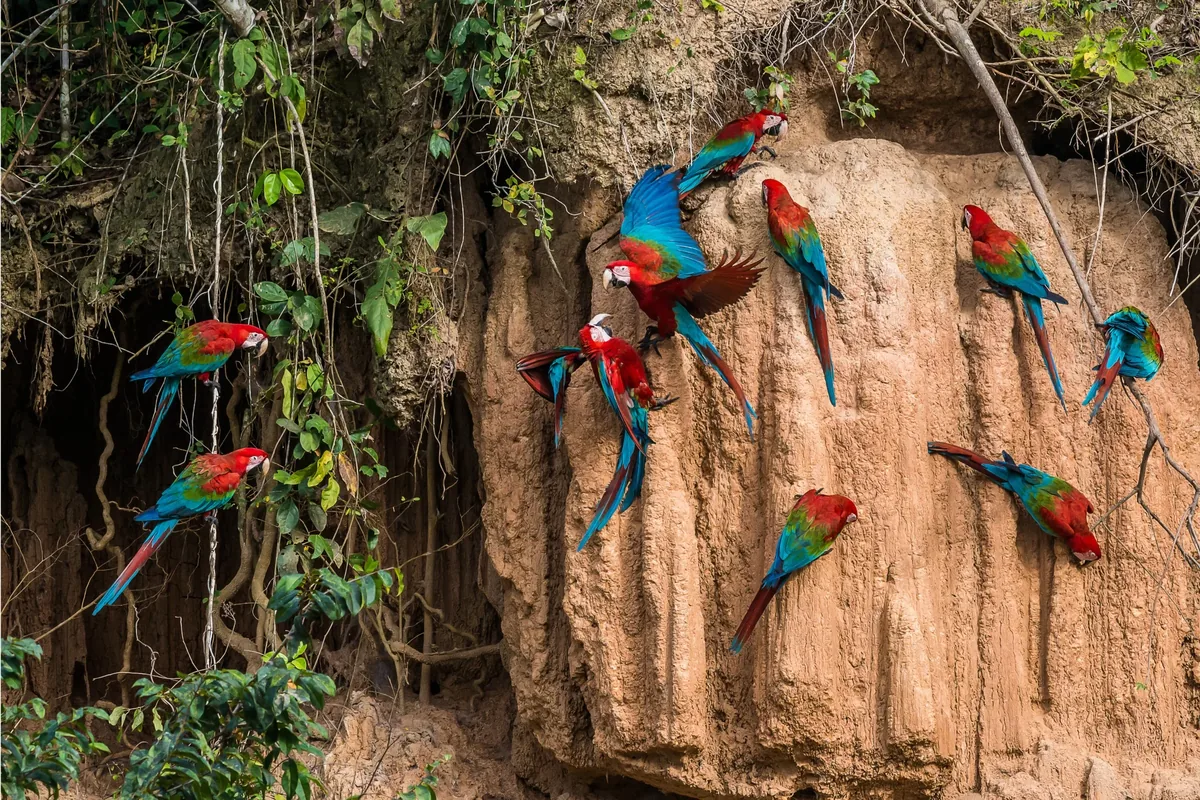
Macaws at a clay lick, movement in the canopy, a pause beside a quiet channel. Build a journey around habitat and patient observation, with time to notice more than a checklist.
Plan this journey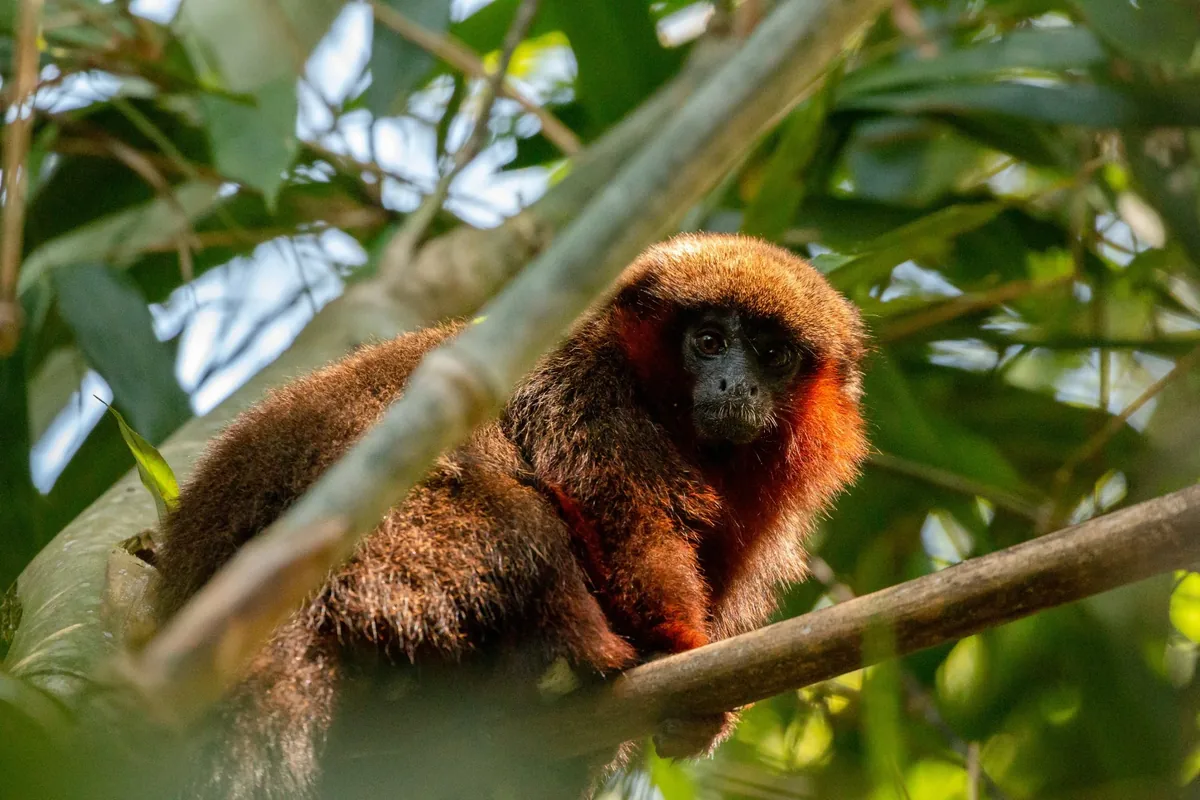
AT A GLANCE
Where should I go for Amazon wildlife in Peru?
Start with the habitats you want to explore. Tambopata’s official visitor information includes lakes and macaw clay licks; Pacaya Samiria offers flooded-forest and river routes in Loreto. Manu spans environments from highlands to lowland rainforest. Choose a named route with appropriate guiding and observation time. Wildlife photographs illustrate possibilities, not guaranteed encounters on your departure.
Plan around habitat and observation
A river margin, a lake, a clay lick and a forest trail offer different ways to watch wildlife. Choose the settings that interest you before compiling animal names. Ask how your route reaches those places and whether the time there supports patient observation or mainly a quick stop between transfers.
Start with one or two priorities, such as bird behavior, mammals or photography, and stay open to what the forest reveals. A destination’s species list describes the area, not what a visitor will see in a few days. A useful itinerary explains habitat, guiding and observation opportunities without turning biodiversity into a personal sightings promise.
Tambopata: lakes, forest and clay licks
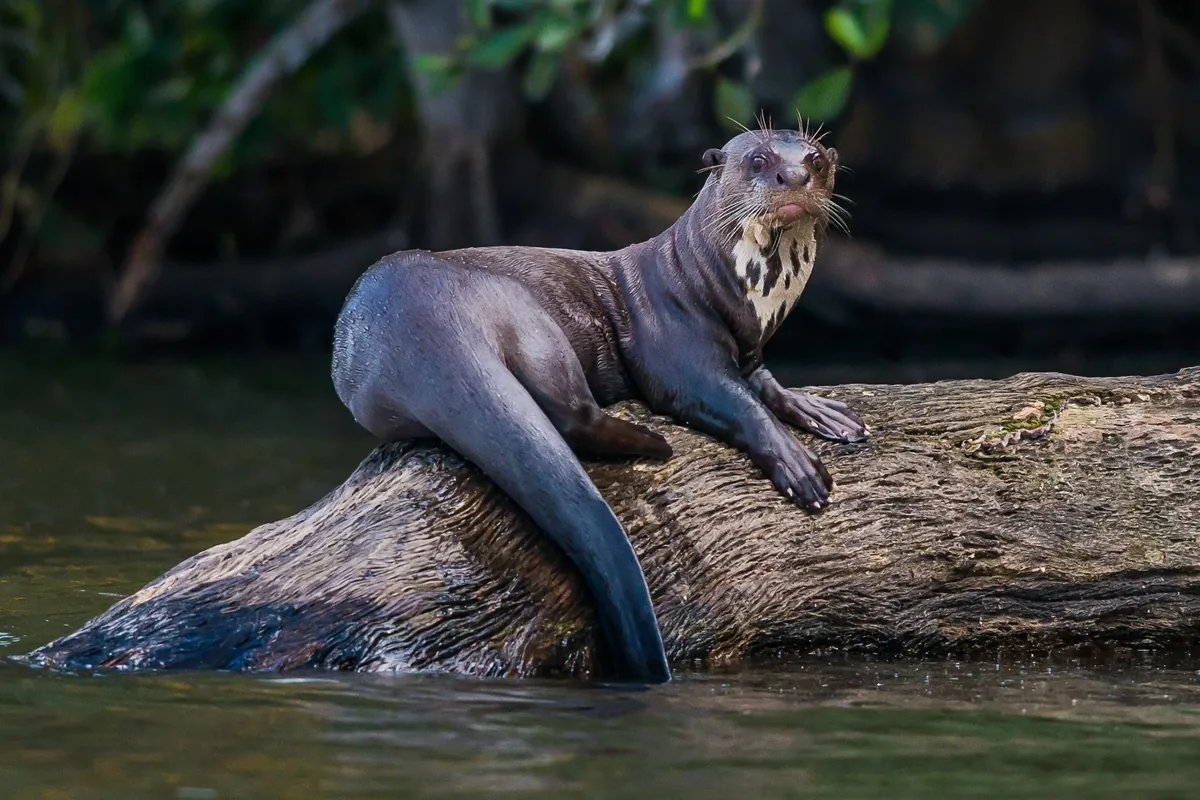
SERNANP describes Tambopata’s monkeys, giant otters and macaws, and identifies lake and clay-lick visitor settings. These are reasons to explore the reserve’s habitats, not assurances that each animal will appear. Ask whether your proposal visits Sandoval Lake, an upper-river clay lick or another named sector; they should not be treated as interchangeable outings.
For a lake-focused visit, discuss time observing from the route and any quiet pauses. For a clay-lick outing, ask where you watch, how much time is allowed and how the plan changes if activity is limited. The Tambopata guide helps connect these interests with access and overnight location, so a wildlife objective becomes a realistic journey.
Birds deserve their own rhythm
Watching birds can mean appreciating a conspicuous flock, learning common calls or spending time identifying less obvious forest species. Explain which style fits you. Ask about guiding language, shared-group interests and whether an outing allows slow observation. A general nature excursion and a focused birding session need not move at the same pace.
Binoculars can help you watch without approaching; confirm whether equipment is supplied or bring your own. Keep notes of location, behavior and identification confidence. If a bird is heard but not seen, that can still become part of your understanding of the forest. Avoid making a high species total the only measure of a worthwhile morning.
Mammals: watch behavior without pursuing it
Monkeys and giant otters appear in Tambopata’s official wildlife information, while Pacaya Samiria’s route descriptions include monkeys and river dolphins. Their presence in an area does not establish a particular encounter or viewing distance. Discuss the habitat you will visit and how the guide handles an observation while respecting the animal’s movement.
When something appears, give yourself time to watch what it is doing before reaching for another photograph. Stay with the guide’s instructions and avoid pressing for closer contact. Do not turn a quiet observation into a pursuit. A missed encounter need not erase the value of the route, especially when you have time to notice other animals and habitat.
Loreto: distinguish waterways from white-sand forest
Pacaya Samiria’s official routes describe flooded forest, aquatic birds and river wildlife. Choose the visitor sector and waterways in the proposal, rather than assuming that every excursion from Iquitos reaches the reserve. Discuss the balance of observation from a boat, stops and any walking included for your dates.
PROMPERÚ identifies Allpahuayo Mishana’s white-sand forests as a different Loreto setting. If forest habitats are central to your interests, compare that option separately through the Iquitos guide. Do not merge every Loreto location into one assumed itinerary. A route that focuses carefully on a particular setting can be more meaningful than one that merely lists several reserve names.
Manu: wildlife across changing landscapes
Manu spans highland and lowland environments, as described by PROMPERÚ. That range matters when choosing a wildlife journey: ask which elevations, forests and waterways your route actually covers. A photograph taken somewhere in Manu does not mean that the same setting or animal is included in every program bearing the park’s name.
Compare observation time with travel time at each stage. If your interests are concentrated in one environment, explain that before choosing a more extensive circuit. Use the Manu guide to understand the journey’s scope and confirm current access with an authorized organizer. Keep park-wide biodiversity separate from the experience offered by the particular route you are considering.
Observe without changing the encounter
Keep distance, stay on the permitted route and follow the guide’s instructions. Avoid feeding, handling or drawing animals toward you. Ask how photography and any specialist observation are managed. These are practical choices you can make during a trip, rather than a reason to assume that every nature activity follows the same standards.
Amphibians, reptiles, insects and plants can be part of a rich forest outing alongside birds and mammals. Let the guide explain what can be observed appropriately in that setting. If a night outing is proposed, confirm its location, equipment and approach beforehand. Do not request manipulation of an animal to obtain a clearer view or photograph.
Choose guiding that fits your interests
Ask whether the guide’s approach matches general interpretation, focused birding or photography. Explain your experience with identification, equipment and walking, and whether your group shares those interests. Clarify the guiding language, group arrangements and available time before comparing proposals only by their wildlife images or destination names.
Keep expectations specific but flexible. A patient explanation of habitat and behavior may be more valuable than an unverified identification offered too quickly. Ask how observations are recorded if you want a trip list, and distinguish confirmed identifications from possibilities. The aim is a better understanding of the places visited, not a longer list created to satisfy an expectation.
Leave room for another quiet morning
Count usable outings after the gateway arrival and transfers. If wildlife is the main reason for travelling, compare another morning in a suitable habitat with adding a distant stop. Ask how much flexibility the itinerary has to revisit an area or spend longer observing when an opportunity arises, without assuming any activity can be repeated on demand.
Share your main interests, dates, group and preferred overnight format when requesting options. Read the timing, regional comparison and accommodation guides together with the named destination. A strong plan combines appropriate habitat, realistic time and attentive guiding. The animals remain free to appear or stay out of view; the journey should still offer something worth experiencing.
Planning questions
Are wildlife sightings guaranteed?
No. A species recorded in a reserve or shown in a photograph may not be seen on your visit. Choose suitable habitat, guiding and time to observe while keeping each encounter a possibility.
Is Tambopata or Pacaya Samiria better for wildlife?
Compare the experience you want: Tambopata’s lake and clay-lick settings differ from Pacaya Samiria’s flooded-forest and river routes. A named sector and itinerary are more useful than a universal ranking.
Do I need a specialist birding guide?
Discuss your goals first. General nature interpretation may suit a broad-interest trip; focused identification and a slower birding rhythm need an appropriately matched guide and itinerary. Confirm language, group interests and equipment.
Can I photograph animals at close range?
Let distance and animal behavior determine the opportunity. Follow the guide’s instructions, avoid feeding or handling, and choose equipment that supports observation without requiring closer contact.
Build a journey around what you want to notice
Tell us the habitats, animals or photographic interests that draw you to Peru. Include your dates and travel style so that the route has time for patient observation.
Share your plansPeru overview · Iquitos & Loreto · Tambopata · Manu · Pacaya Samiria · Choose your dates
Sources & scope
Editorial review: October 7, 2026. Habitat and wildlife examples are grounded in official sources. Images illustrate their photographed locations; they do not guarantee sightings or describe a bookable departure.