
VENEZUELA RAINFOREST
Venezuela wildlife: habitats and observation
Understand habitats and the evidence behind wildlife claims before considering a journey. Use this guide to organize a focused inquiry and distinguish your interests from confirmed arrangements.
Ask a research question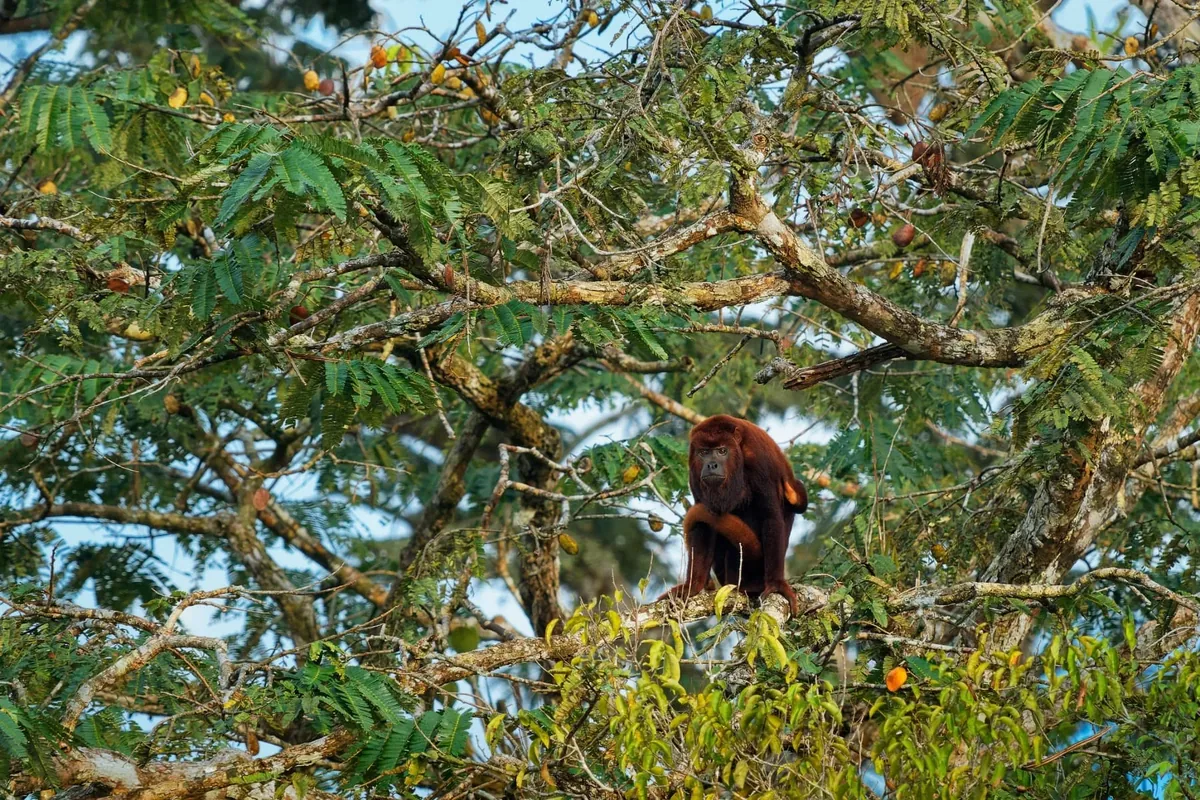
AT A GLANCE
Where should your comparison begin?
Start with a named habitat and the observation style you want. Separate species records from activity descriptions and guaranteed sightings.
Begin with a habitat, then an animal
Venezuela wildlife research becomes more useful when you identify the habitat behind the animal photograph. The Orinoco Delta combines river and coastal environments; UNESCO describes mangroves, swamp forest, moist forest and shallow-water ecosystems there. These are different settings for observation. Start by asking which environment interests you and which named location a description refers to, rather than assembling one countrywide list of hoped-for sightings.
Our Orinoco Delta guide explains that landscape distinction in more detail. For a future proposal, ask how the activity relates to the habitat: time beside water, a permitted walk or observation from a confirmed base. A photograph cannot tell you which of those is included. Write down the place and activity together, so a broad ecological description does not quietly become a promise about a particular excursion.
Read species records at the right scale
A species recorded in a conservation area is evidence about that area, not a guarantee of a visitor encounter. UNESCO’s Alto Orinoco-Casiquiare description reports river dolphins, giant otters, caimans, turtles and tapirs, while also noting limitations in the available inventories. The same source states that tourism is not allowed in the reserve. Its wildlife interest therefore does not justify presenting it as a sightseeing route.
Separate three questions in your notes: whether a species has been reported, whether the activity location is confirmed and whether the observation opportunity is supported by recent evidence. None is a substitute for the others. Avoid transferring a record from one protected area to another simply because both are in Venezuela. A useful guide should show the limits of the information alongside the reason a habitat is interesting.
Choose an observation style before a checklist
Describe what would make observation rewarding for you: identifying birds, watching behavior, understanding vegetation or spending time with a landscape. A beginner may want explanation and time to ask questions; an experienced observer may value a more focused discussion of habitat and identification. Put that preference in the brief before asking how many species might be encountered.
Ask how the proposed activity supports your style. What time is actually reserved for looking and listening? Is movement between bases being counted as observation time? How are the group’s interests agreed? These are questions about a particular future arrangement, not claims that one standard wildlife schedule operates in Venezuela. A clear activity description is more informative than an impressive but unexplained species total.
Keep a notebook that separates certainty from interest
For your research notes, record the species name, the location associated with the claim and the source. If a photograph is involved, retain its caption and publication date. Mark uncertain identifications as uncertain rather than turning an attractive image into a definitive record. This helps you ask focused follow-up questions and avoids repeating a countrywide claim as though it were local evidence.
For observations during an appropriately confirmed activity, note what you actually saw or heard and how an identification was reached. A guide’s explanation, a field reference and your own photograph may offer different levels of support. The purpose is not to produce a long list at any cost. It is to understand what the evidence supports and leave room for unanswered questions.
Consider guiding as explanation, not a guarantee
Ask a prospective provider how guiding is arranged and what kind of interpretation is offered. Explain whether you prefer broad natural-history discussion, bird identification or photography support. Request the language of the activity and the expected group format. The word expert is less helpful than concrete information about the person’s role, the proposed setting and the time available for your interests.
A guide can help explain a habitat and evaluate a possible identification without guaranteeing an animal encounter. Ask how the experience is adapted when the hoped-for subject is not found. Be cautious about comparing providers solely by promised sightings. A realistic description should remain worthwhile when the activity produces interesting habitat observations, behavior or questions rather than the one photograph you initially imagined.
Make room for respectful observation
For any future wildlife activity, ask how the provider avoids disturbing animals and how participants are expected to behave. Keep the brief focused on observation rather than handling or provoking a subject for a photograph. Follow the rules for the confirmed location and the responsible guide’s instructions. A close encounter should not be treated as inherently better than a well-explained observation at a distance.
Discuss photography priorities before the activity. Explain equipment needs and ask whether there is time to pause without disrupting others. Do not make a particular image the condition for enjoying the experience. A flexible plan allows the activity to respond to what is present while respecting the setting. This page offers a research framework, not site-specific instructions for approaching wildlife.
Understand what images can and cannot establish
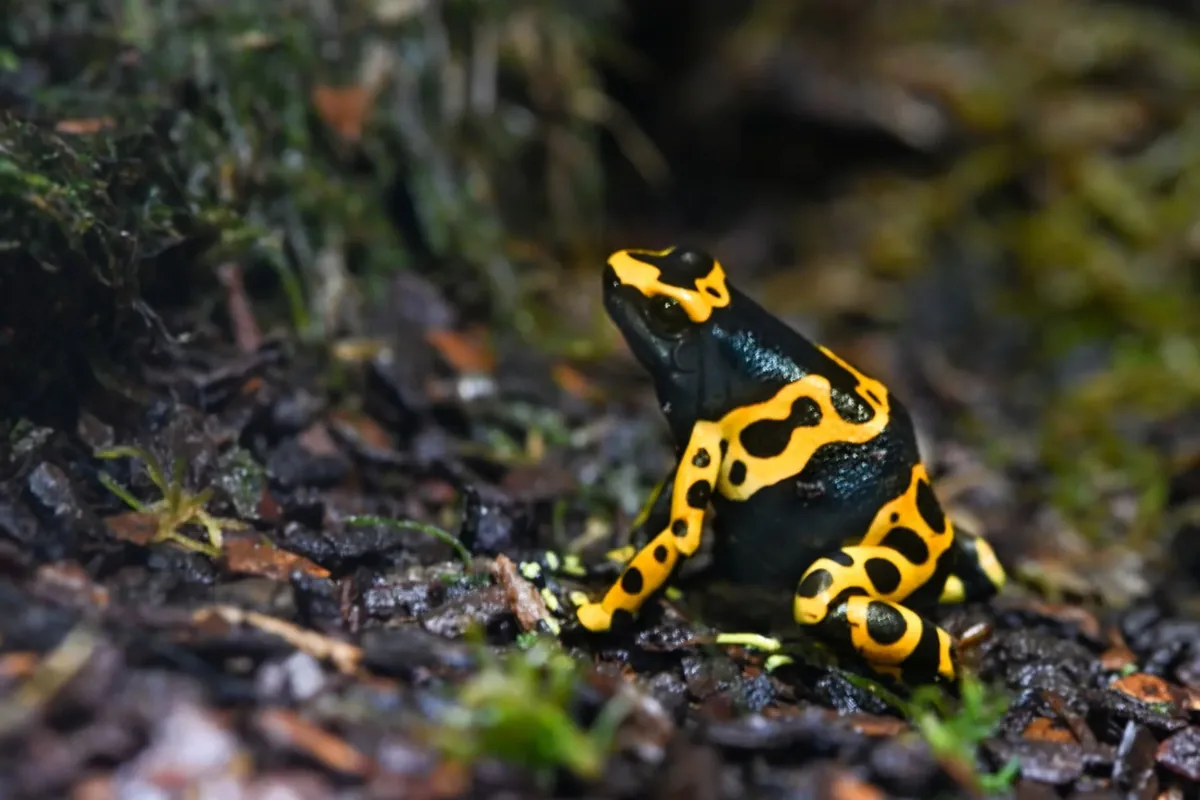
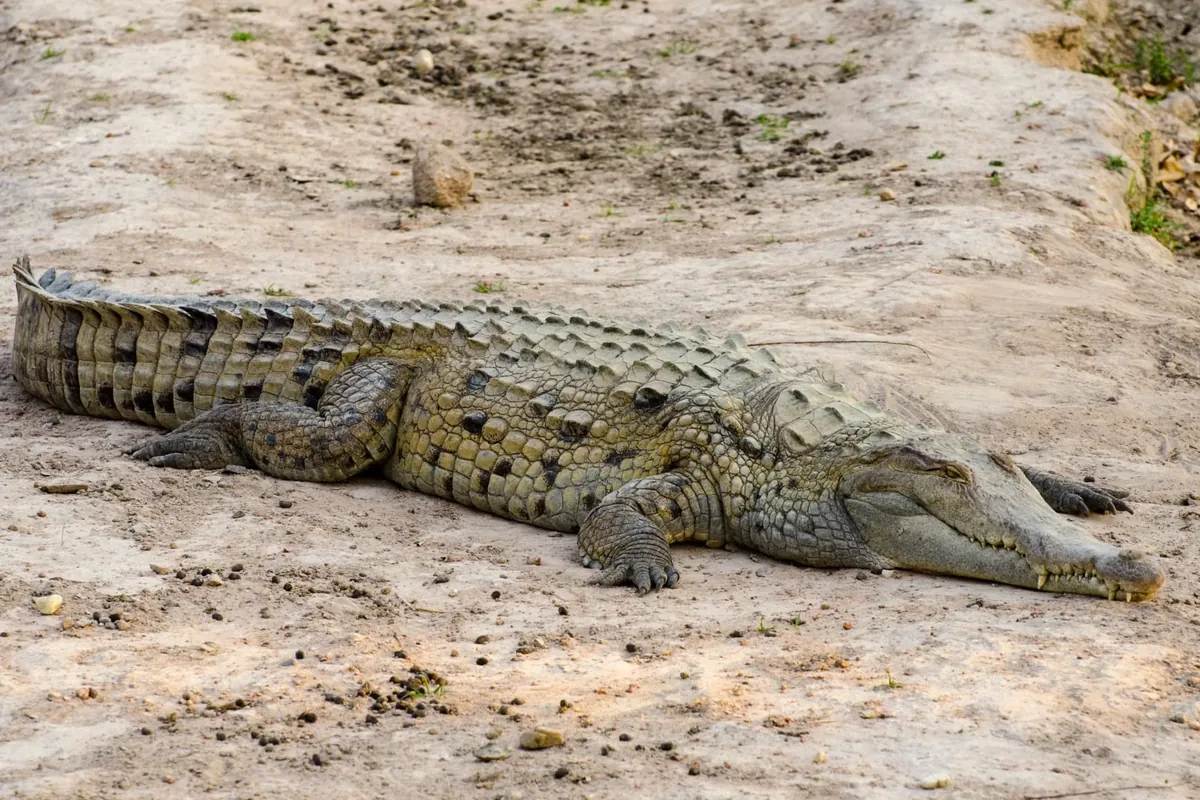
The licensed wildlife photographs on this page illustrate animals without asserting an exact Venezuelan capture location. They provide visual context without asserting a species record, a property or a route. Apply the same distinction when reviewing a provider’s gallery: ask which pictures belong to the proposed location and whether a caption supports the identification being presented.
A recognizable animal photograph may still leave the place and circumstances unresolved. Save provenance information with the image instead of relying on a filename or visual resemblance. If wildlife is the main reason for selecting a route, ask for a clear explanation of the relevant habitat and observation approach. Image quality alone does not establish that a promised opportunity is credible.
Compare countries using the experience you want
The Peru rainforest guide and Ecuador rainforest guide offer useful starting points if your main interest is forest observation. Compare the type of activity, time at a base and the clarity of the guiding description. Keep the species you hope to learn about separate from the arrangements that are actually confirmed. Similar scenery does not mean identical habitats or wildlife opportunities.
If Venezuela’s specific landscape is the central interest, retain that distinction while considering alternatives. The Canaima guide focuses on tepui and waterfall landscapes rather than a generic wildlife itinerary. Your research can have more than one outcome: a clearer habitat question, a different destination for now or a decision to revisit the idea later. Current advice remains part of that decision independently of the wildlife appeal.
Turn curiosity into a concise observation brief
Finish with a short list of habitats, observation styles and questions that matter to you. State your experience level, language preference and whether photography is a priority. Include what you would find rewarding beyond a single target species. This allows a discussion to begin with realistic interests and makes unsupported guarantees easier to recognize.
Use the Venezuela trip-planning guide for the separate questions about advice, access and arrangements. This page does not advertise an available wildlife itinerary or confirm that travel is appropriate. Research can continue without a booking commitment. If the relevant advice conflicts with a leisure journey, postponement or another country can be the useful result of a well-informed comparison.
Planning questions
Does a species record guarantee a sighting?
No. A record describes evidence for a location; it does not establish a sighting on a particular activity or date.
Is Alto Orinoco-Casiquiare offered as a wildlife tour here?
No. UNESCO states that tourism is not allowed in the reserve. Its species records are discussed for context only.
Are the photographs Venezuelan wildlife records?
No. The images are labeled illustrative and do not establish a Venezuelan location or species record.
What should I include in a wildlife inquiry?
Describe the habitat and observation style, your experience level, language preference and questions about guiding. Avoid treating target species as guaranteed encounters.
Share your observation interests
Tell us what interests you and which practical questions remain unanswered. Your inquiry starts a discussion and does not establish available services.
Discuss your researchVenezuela overview · Trip-planning guide · Canaima · Orinoco Delta · Compare accommodation · Getting there · Packing list · When to visit · Responsible travel · Trip costs · Itinerary planning
Sources & scope
Reviewed October 9, 2026. This page provides research and comparison guidance, not a confirmed itinerary or property endorsement. UK FCDO advises against all travel in specified areas and all but essential travel elsewhere in Venezuela. Review the full current advice relevant to your circumstances before any commitment. Licensed photographs illustrate the subjects described; captions identify recognizable landmarks and distinguish other scenes from verified sites or bookable properties.