
VENEZUELA RAINFOREST
Venezuela rainforest itinerary planning: shape a useful outline
Start with a clear interest and compare how a proposed outline allocates time, travel and activities before turning it into a programme.
Ask a research question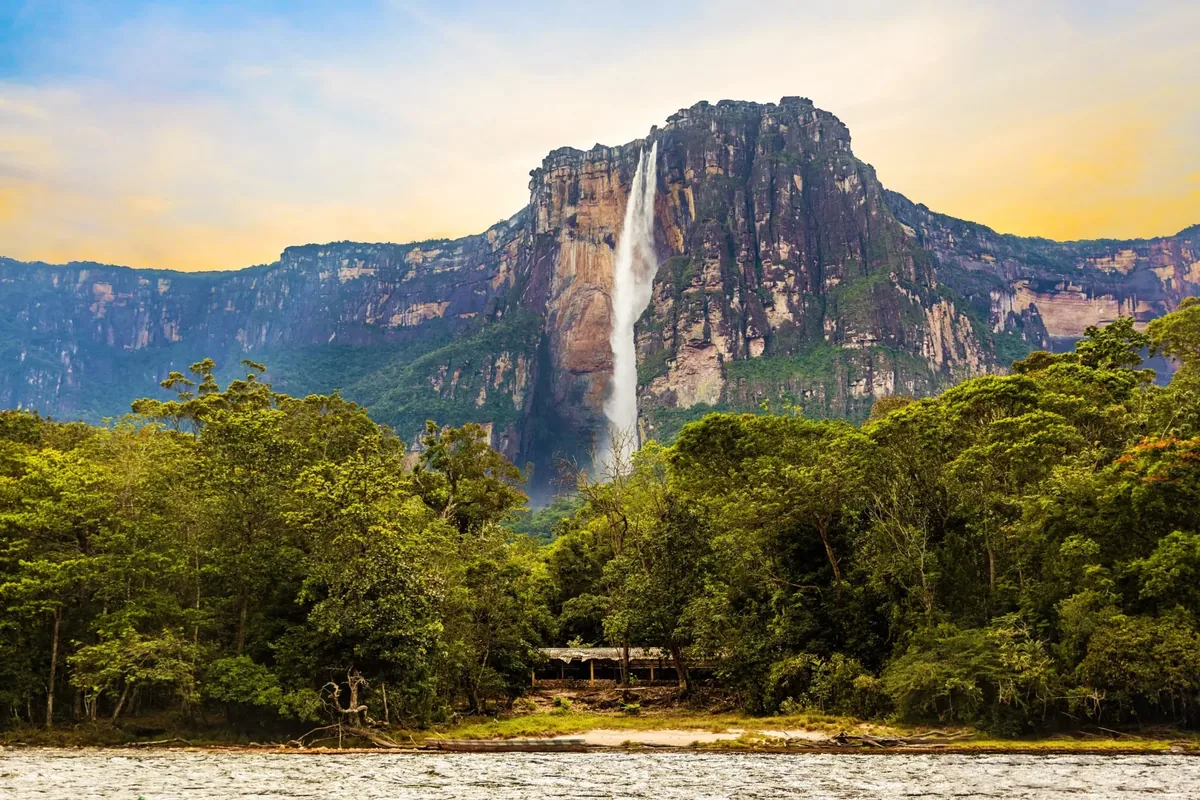
AT A GLANCE
How do you start an itinerary?
Choose a destination interest, identify the base and transfer stages, and compare usable activity time. Verify feasibility before treating an idea as an available journey.
Choose one clear purpose before adding destinations
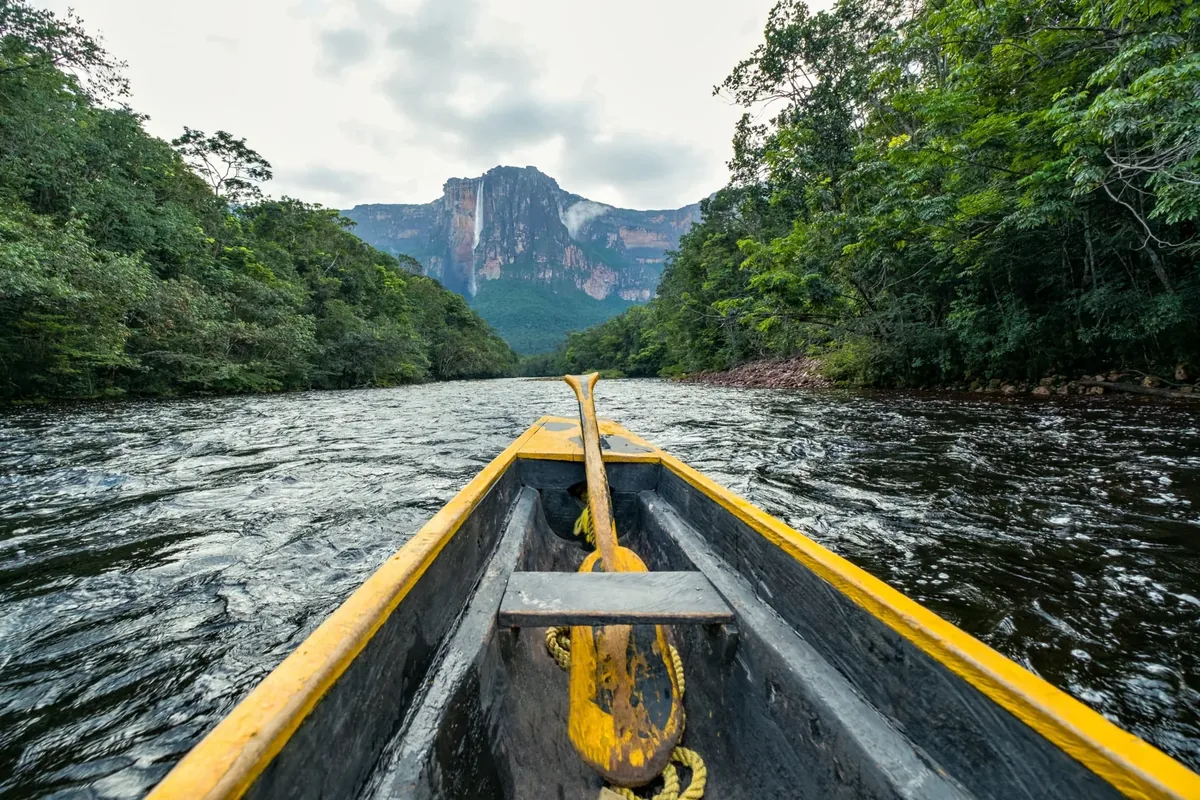
Use the Venezuela rainforest overview to distinguish the landscapes that interest you, then state what you hope to learn or experience. A plan centred on river observation asks different questions from one centred on a named waterfall or a photographic subject. Rank your interests so a proposal can allocate time to the most important one instead of combining every appealing place name into a rushed list.
At review, UK FCDO advises against all travel in specified areas and all but essential travel elsewhere in Venezuela. These itinerary ideas are comparison frameworks, not recommended departures or confirmed routes. Consult the Venezuela trip-planning guide and current advice before deciding whether to proceed. Interest in a landscape does not establish that a journey is appropriate, accessible or available for your dates and circumstances.
Use a single-base outline to test depth
A single-base outline gives you a useful starting comparison: arrival and handover, time for your main interest, another opportunity for observation, and the return journey. Ask how much usable time remains at the base once transfers are accounted for. Identify the actual location and the activities proposed from it. A quiet-looking map or a short list of destinations cannot establish the duration of a transfer.
Compare adding time at one base with adding another destination. An additional night might create more observation time, or it might mainly serve a connection; ask which applies. Use the rainforest accommodation guide to clarify the practical base, room arrangement and facilities. This outline does not prescribe a number of nights. Its purpose is to help you see whether the stated length supports the experience you are trying to research.
Frame Canaima around the named activity
The Canaima guide describes a tepui landscape rather than labelling every Venezuelan natural area as Amazon basin. For a Canaima concept, begin with the exact site or activity you want to understand. Ask what transport, walking or other participation the proposal involves and where the outing starts. Keep a landscape description separate from a promise that a specific excursion can proceed under current conditions.
Build the outline around verified arrival and return arrangements, then ask how the activity fits between them. Identify the alternative if it cannot happen and whether that changes the base, schedule or price. Avoid treating a waterfall photograph as a description of your personal experience. A useful proposal explains the activity’s scope and limitations; it does not need to promise that every scenic feature will be accessible on a chosen day.
Frame a delta concept around waterways and a base
The Orinoco Delta guide provides a separate starting point for a river and wetland interest. Ask which named waterways, boarding points and accommodation base the proposal concerns. Identify what time would be spent travelling compared with observing from the base or joining an outing. A broad delta label is insufficient to understand the geographic scope of a plan, particularly when evaluating the regional detail of current travel advice.
Keep the outward journey, activities and return handover visible in the outline. Ask about operating conditions and what changes when the intended activity cannot proceed. Do not combine a description from one channel with an offer for another without checking the relevance. The concept should help a provider explain a specific arrangement; it should not turn a whole region into an assumed network of interchangeable, available excursions.
Give wildlife and photography their own time
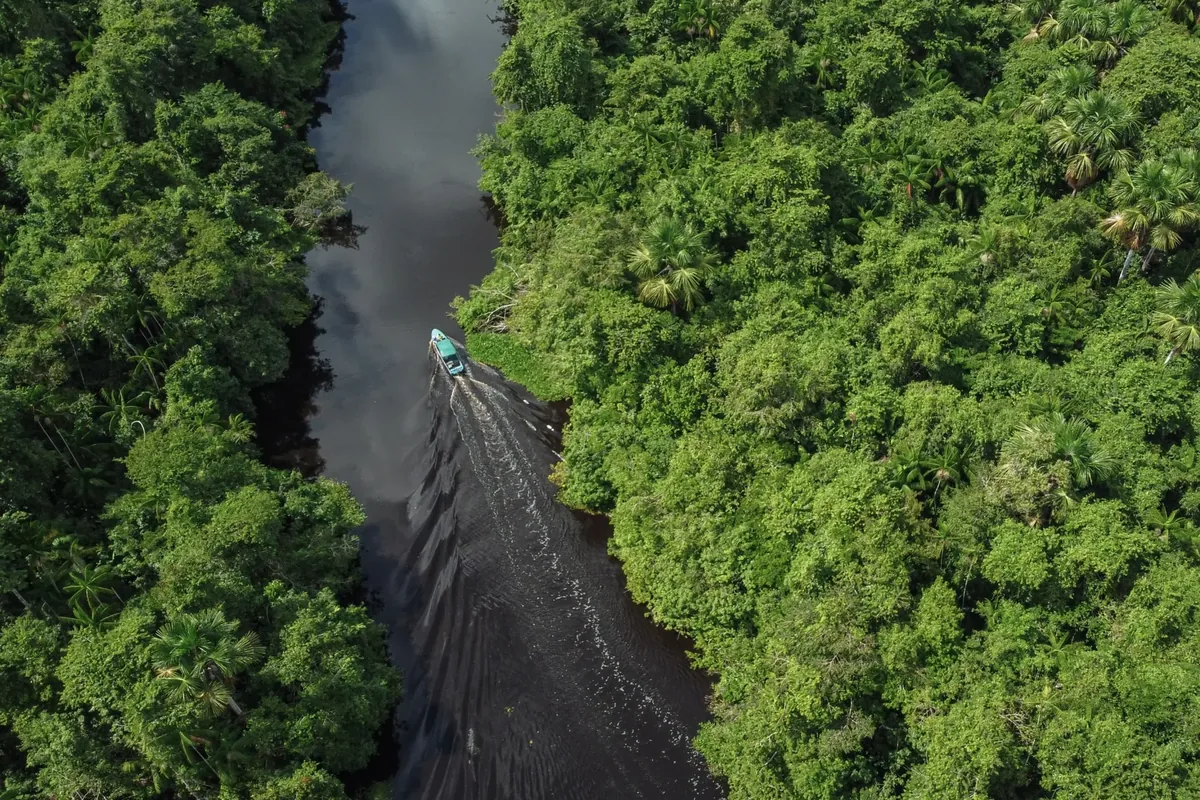
Read the wildlife guide before choosing an outline around a particular animal. Separate a record that a species occurs in a region from the chance of observing it on an outing. Describe your preferred habitat, observation style and photographic interests. Ask how guiding and time are allocated to those interests, and whether your party shares outings with travellers whose priorities differ from yours.
Compare a plan with repeated observation opportunities against one with frequent changes of base. Ask what happens after an unsuccessful outing and what can reasonably be varied. Additional time cannot guarantee a sighting, but the allocation of that time is a meaningful comparison. Avoid evaluating a wildlife proposal only through its species list. You need to understand the activities and the limits of the claim before deciding whether the outline suits your interests.
Count travel stages as part of the itinerary
Use the getting-there guide to map the sequence from arrival through onward transport to the final handover. Record the proposed start and end of each stage and who is responsible for it. Place intermediate overnight stays on the outline rather than hiding them in a note. Compare the return arrangements with the outward plan; an itinerary ends when the relevant connections and responsibilities have been accounted for.
Ask which services are confirmed and which remain dependent on an updated check. Describe how an earlier change affects later bookings and who communicates the revision. Do not fill unknown intervals with guessed driving times or flight schedules. A useful outline can leave a leg unresolved while clearly identifying the missing information. A polished day-by-day programme is less useful if its apparent precision is unsupported by current arrangements.
Compare pace and participation honestly
Describe what your party can comfortably participate in and which facilities are essential. Ask about walking terrain, boarding arrangements, time on transport and opportunities to rest for the actual activities proposed. Do not infer accessibility from a general accommodation label. Keep the questions specific to the person’s needs while sharing only the information necessary for the provider to explain the arrangement being considered.
Use the when-to-visit guide to connect dates and conditions to activity choices, then review the packing guide for preparations appropriate to those choices. A slower outline should mean a clearer allocation of time, not simply an extra night without a purpose. Likewise, an ambitious outline should explain its transfer demands. Comparing pace helps reveal where a plan suits your priorities and where it asks you to accept an avoidable mismatch.
Treat community visits and access as specific arrangements
The responsible travel guide helps you ask about consent, photography, guiding and the visitor practices behind a proposed encounter. Do not add a community visit simply to complete an itinerary checklist. Ask who has agreed to host, what visitors are invited to do and how the arrangement benefits the hosts. Respect an answer that an activity is not offered rather than assuming it can be created on request.
For geographic scope, retain the important distinction that UNESCO states tourism is not allowed in Alto Orinoco-Casiquiare. This guide does not turn that reserve into a visitable extension. A place can be relevant to understanding Venezuela’s rainforest without appearing in a travel programme. The itinerary should identify permitted and actually offered activities through the appropriate sources, not use a biosphere label as evidence that a tourism product exists.
Turn the outline into questions before a commitment
Use the trip costs guide to compare the financial consequences of each outline on equal terms. Record the named base, proposed activity time, transfer stages, party arrangement and what still needs checking. Mark an exploratory idea separately from a confirmed service. The comparison should make it easy to see why two plans differ, including the time one spends in transit and the practical limitations attached to its activities.
Send your tentative dates, party size and two or three leading interests when discussing a concept. Explain the pace you prefer and any essential arrangements. Ask for written details that resolve the outstanding questions before considering a commitment. We do not list a fixed departure programme or certify current provider availability here. A clear outline is the beginning of a more useful conversation, while the decision to travel requires its own current assessment.
Planning questions
How many days should I allow?
There is no universal length. Account for the actual transfer stages and usable activity time, then compare whether the proposed length supports your interests.
Can I combine Canaima and the Orinoco Delta?
Treat them as separate destination concepts until current access, connections, advice and provider arrangements have been checked. This guide does not confirm a combined route.
Are these bookable itineraries?
No. They are research frameworks for evaluating a proposed journey, not departures, schedules or confirmation of supplier availability.
Can Alto Orinoco-Casiquiare be added as an excursion?
No tourism itinerary is offered here for that reserve. UNESCO states that tourism is not allowed in Alto Orinoco-Casiquiare.
Tell us what you want the outline to achieve
Share your leading interests, tentative dates, party size and preferred pace so the discussion starts with a clear purpose.
Discuss your researchVenezuela overview · Trip-planning guide · Canaima · Orinoco Delta · Wildlife & habitats · Compare accommodation · Getting there · Packing list · When to visit · Responsible travel · Trip costs
Sources & scope
Reviewed October 9, 2026. Original comparison guidance, not a confirmed itinerary, market-price survey or provider certification. UK FCDO advises against all travel in specified areas and all but essential travel elsewhere in Venezuela. Review current advice for your circumstances before a commitment. Licensed photographs illustrate the subjects described; captions identify recognizable landmarks and distinguish other scenes from verified sites or bookable properties.