
VENEZUELA RAINFOREST
Responsible travel in Venezuela’s rainforest
Look beyond labels to the access, consent and visitor practices behind an itinerary. Ask clear questions and keep claims proportionate to evidence.
Ask a research question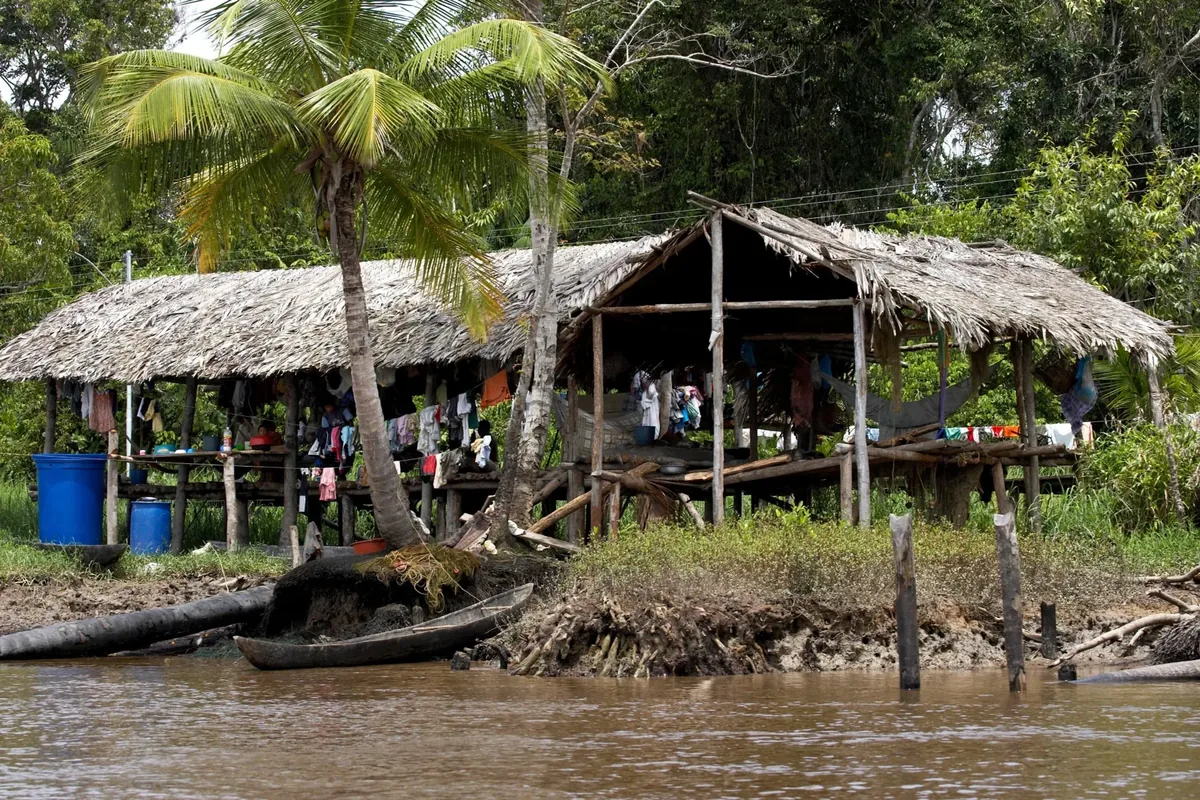
AT A GLANCE
Where should you start?
Identify the exact place and proposed activity, then verify access, participation and the practices being claimed.
Define responsible travel in practical terms
Responsible travel starts with the decisions behind an itinerary: whether access is permitted, whether people have agreed to participate and whether the activities respect the setting. A green label or a forest photograph does not answer those questions. Begin with the Venezuela rainforest overview to identify the named place, then ask what is actually proposed there. Keep the provider’s claims, evidence and unanswered questions separate when comparing an arrangement.
Use the Venezuela trip-planning guide to assess the wider context before considering any commitment. At this review, UK FCDO advises against all travel in specified areas and all but essential travel elsewhere in Venezuela. Environmental interest does not remove that advice. A responsible decision can include postponing a journey or choosing another destination when access, current conditions or essential arrangements remain unresolved.
Respect conservation access boundaries
A conservation designation is not permission to visit. UNESCO’s Alto Orinoco-Casiquiare description states that tourism is not allowed in the reserve. Its ecological interest should therefore be understood through research rather than advertised as an excursion. Do not treat an animal photograph, a reserve name or an invitation to explore as evidence that visitor access is authorised. Ask for the exact place and applicable access requirements before interpreting a proposal.
For another named destination, confirm the rules that apply to the particular site and activity rather than copying conditions from a different protected area. Ask who is responsible for checking permission and what documentation supports the proposed access. We do not supply a blanket permit list or certify an operator’s authority. If the access basis cannot be established, keep that part of the itinerary out of a confirmed plan.
Keep habitat descriptions geographically accurate
The Orinoco Delta guide introduces a landscape UNESCO describes through river, coastal and forest ecosystems. A description of one habitat should not be applied to every stop in a delta proposal. Ask where the activity occurs and how the description relates to that place. A large region may contain different settings, and a national wildlife list does not prove the presence of a particular species at a proposed visitor site.
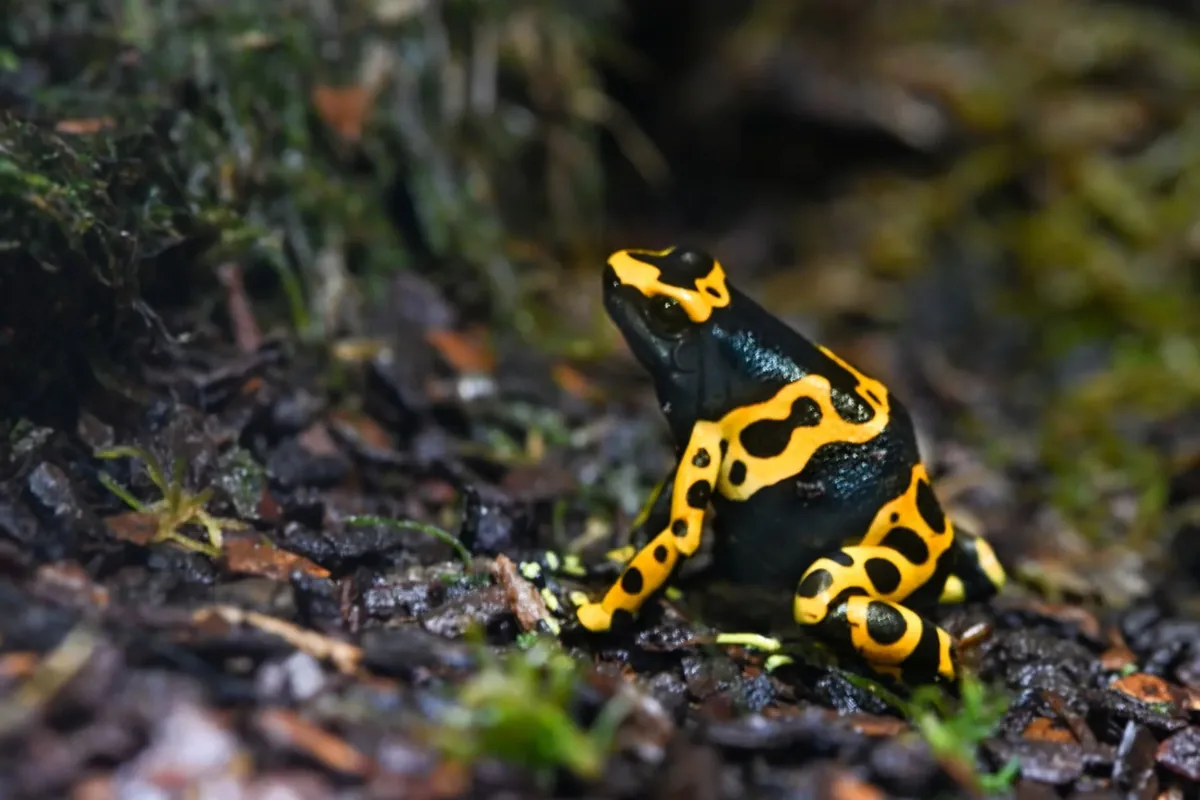
Similarly, use the Canaima guide for the landscape it actually describes rather than assuming all Venezuelan destinations belong to one Amazon-basin category. Geographic precision helps make conservation discussion meaningful. Ask for the source behind a habitat or species claim and distinguish a documented record from a marketing image. Our licensed illustrative pictures are not presented as evidence of a Venezuelan capture location.
Observe wildlife without manufacturing encounters
The wildlife guide distinguishes observation opportunities from guaranteed sightings. As a general visitor practice, favour patient watching that does not involve feeding, touching, trapping or moving animals for a photograph. Ask how the proposed activity is conducted and what happens if animals are not encountered. The answer should explain the observation approach rather than promise that a close interaction will be arranged.
Ask whether a guide will explain how to behave around the habitats and animals involved, and follow applicable site rules. Keep noise and movement appropriate to the activity and allow other participants space to observe. Avoid demanding a particular image if obtaining it would require interference. A worthwhile outing can include learning about habitat and field signs, even when the animal you hoped to see remains out of view.
Treat community participation as a choice
If a proposal includes time with a community, ask who has invited the visit, how the activity is agreed and who decides what visitors may see or photograph. Do not assume that a transfer through an inhabited area includes permission to enter homes, attend a ceremony or take portraits. People should be able to decline participation without the itinerary turning that refusal into a problem to be overcome.
Ask for a plain description of the visit, its duration and any payment or purchase arrangement. Avoid interpreting a community name or an authenticity claim as a guarantee that the activity is community-led. Seek clarity about who hosts and benefits from the specific arrangement. We do not advertise an unverified community programme or infer current invitations from general cultural information about a region.
Ask consent before making or sharing images
Photography should begin with permission, especially where people, homes or community activities are involved. Ask before taking the image and discuss intended use when that matters. Consent to one photograph is not automatically consent to unrestricted publication, advertising or a filmed interview. Respect a request not to photograph, and avoid publishing identifying details that the person has not agreed to share.
Ask the guide about the site’s rules, and consult current restrictions around sensitive installations. Keep photography equipment manageable so that it does not obstruct boarding or other participants. When sharing your journey, caption images accurately: distinguish the place visited from an illustrative picture and avoid claiming a species identification you cannot support. Honest imagery helps future readers understand what the experience actually involved.
Reduce waste through confirmed arrangements
As practical preparation, ask how drinking water is supplied, whether refilling a reusable bottle is feasible and how waste is handled at the proposed base. A reusable item is most useful when the arrangement supports its use. Do not assume that a remote accommodation has recycling or waste treatment simply because its marketing discusses nature. Ask which procedures exist and what visitors are expected to do.
Use the packing guide to bring only items that serve the agreed journey. Keep packaging and personal waste contained, and follow the provider’s disposal instructions where these are appropriate. Avoid removing natural objects or leaving items behind as informal donations. If a provider requests supplies for a specific agreed purpose, clarify that request rather than deciding independently what a community or conservation project needs.
Test accommodation and conservation claims
The rainforest accommodation guide provides questions about rooms, facilities, transfers and written inclusions. Apply the same precision to environmental claims. Ask what an assertion such as conservation support means in practice, which activity receives support and whether the provider can show an identifiable programme or reporting. A promotional slogan is not a substitute for a description that can be checked.
Compare claims without assuming that price, luxury or remoteness predicts responsible practice. Ask who delivers the services, which parts of the payment cover the stated activities and what visitor behaviour is expected. We do not award sustainability certification or endorse an unverified project. Keep conclusions proportionate to the evidence: a clearly explained practice can be useful without being presented as proof of every aspect of a business.
Make your expectations part of the inquiry
Tell us the interests you want to pursue and the principles important to you, such as avoiding animal handling, obtaining photography consent or understanding conservation access. Include your party size, tentative dates and any proposed community or wildlife activity you want clarified. Keep the questions specific enough that a provider can answer them about a named place and an actual arrangement.
Compare the response with the written itinerary and ask about any inconsistency. If a promised practice cannot be explained or supported, do not quietly treat it as verified. You can remove an activity, revise a plan or choose another setting. An inquiry begins that conversation; it does not confirm access, certify sustainability or establish a relationship with a community or conservation organisation.
Planning questions
Does a protected-area designation permit tourism?
No. Check the specific rules. UNESCO states that tourism is not allowed in Alto Orinoco-Casiquiare.
Does this guide certify providers?
No. It gives practical questions for checking claims and does not award sustainability certification or endorse unverified projects.
Is a community visit permission to take portraits?
No. Ask for consent and respect any refusal; discuss intended publication where relevant.
What should I ask about a wildlife activity?
Ask how observation is conducted, which habitat is involved and how the plan avoids feeding, handling or moving animals for encounters.
Share the priorities behind your plan
Tell us which conditions or visitor practices matter to you, alongside your destination interests and tentative dates. Your inquiry starts a discussion, not a reservation.
Discuss your researchVenezuela overview · Trip-planning guide · Canaima · Orinoco Delta · Wildlife & habitats · Compare accommodation · Getting there · Packing list · When to visit · Trip costs · Itinerary planning
Sources & scope
Reviewed October 9, 2026. Research and comparison guidance, not a confirmed itinerary, seasonal forecast or provider certification. UK FCDO advises against all travel in specified areas and all but essential travel elsewhere in Venezuela. Review the full current advice relevant to your circumstances before a commitment. Licensed photographs illustrate the subjects described; captions identify recognizable landmarks and distinguish other scenes from verified sites or bookable properties.