
VENEZUELA RAINFOREST
Plan your Venezuela rainforest research
Start with whether a journey should be considered, then investigate the exact place and arrangements. UK FCDO advice is against all travel to specified areas and all but essential travel elsewhere in Venezuela. This page helps you organize questions for future planning; it does not advertise an available tour or establish that travel is appropriate.
Ask a research question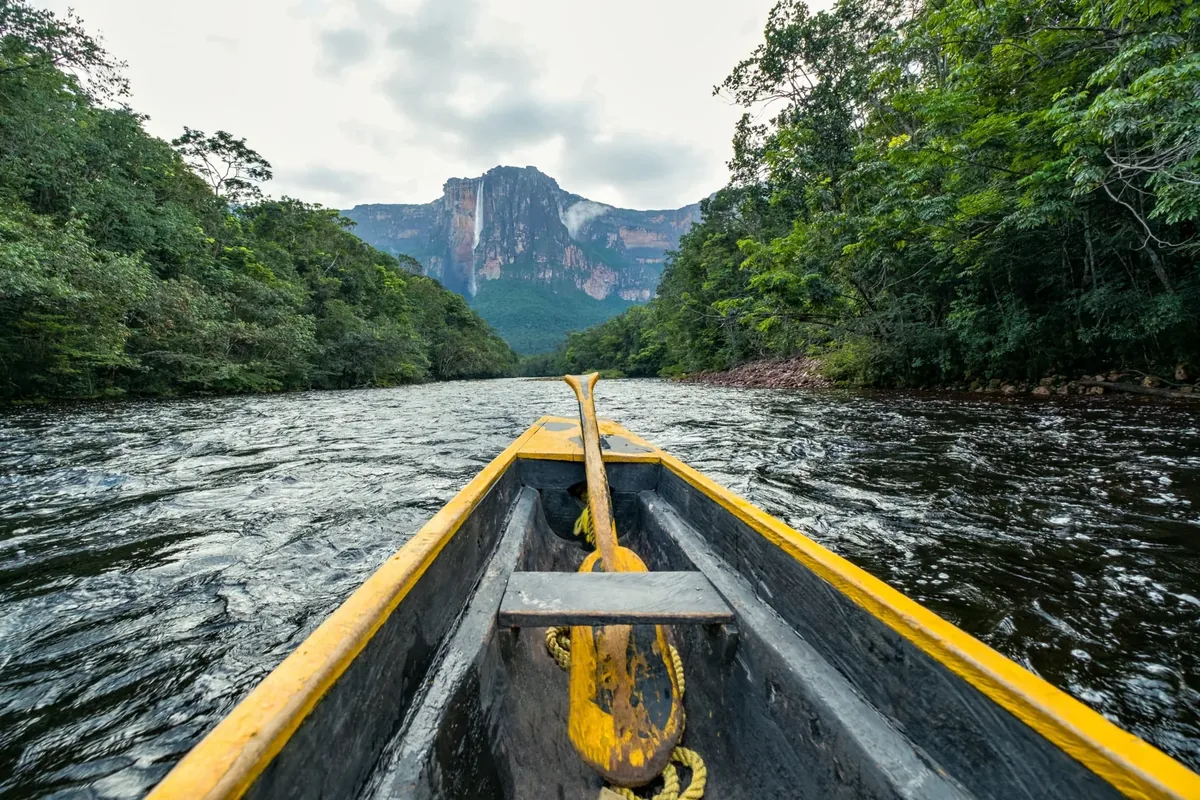
AT A GLANCE
What should come first in Venezuela trip planning?
Review current advice for your circumstances and establish the exact destination. Then separate site access, insurance and provider arrangements. If a leisure trip conflicts with the advice relevant to you, consider postponement or a different country before paying. A convincing photograph or a quotation does not resolve those questions.
Begin with a decision, not a deposit
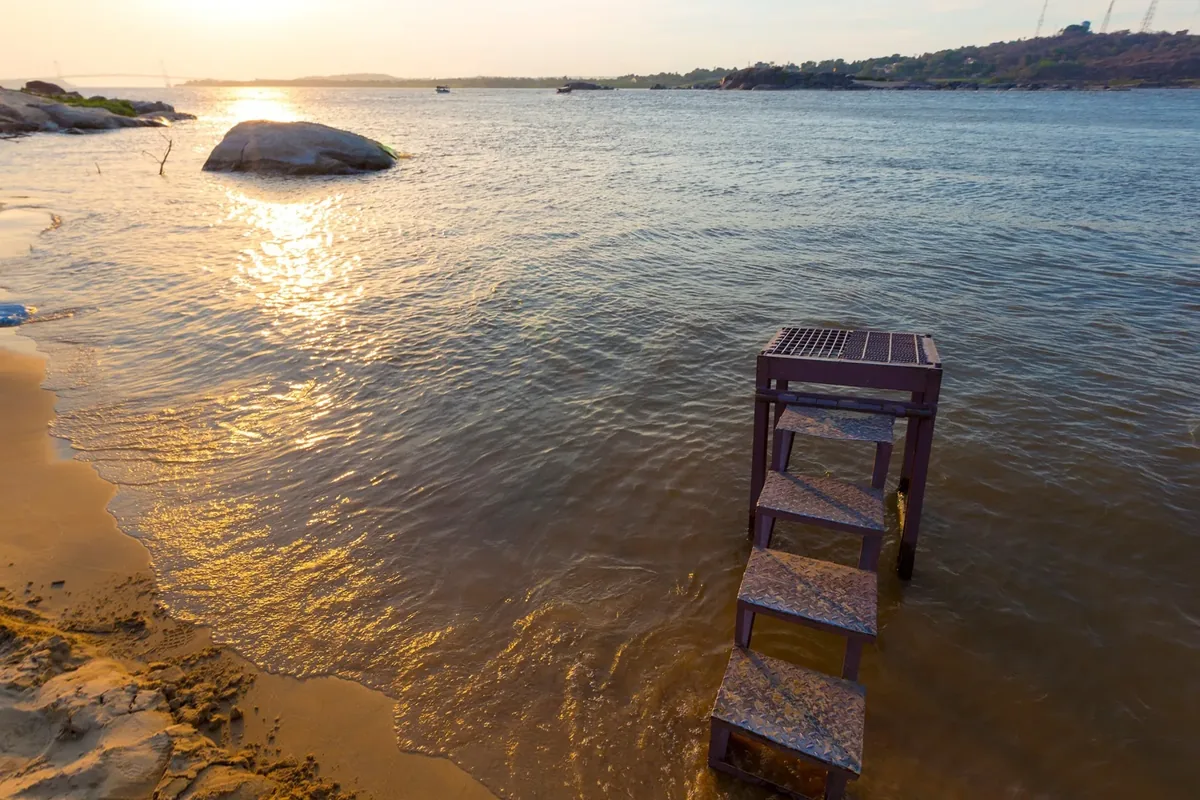
Write down the purpose of the proposed journey and what would make you postpone it. Review the government advice relevant to you before contacting providers for a price. Do not assume that calling a trip research, work or family travel automatically establishes how advice applies. That assessment depends on your circumstances; this guide cannot make it for you or grant permission to travel.
Keep the decision separate from the appeal of the destination. A route can be interesting and still be unsuitable to pursue now. If the purpose is leisure, compare other country guides or save the idea for a later review. Record the date of each check, because an old screenshot or article cannot demonstrate that conditions and arrangements remain the same when you are ready to commit.
Define the exact destination and access question
Use our Venezuela rainforest overview to distinguish a tepui landscape, a delta setting and a named conservation area. Put the actual places on a map and identify any protected-area boundaries relevant to the proposal. Ask what legal access basis is required for the specific activity and obtain an answer from the appropriate authority. A countrywide description cannot answer a site-specific access question.
Alto Orinoco-Casiquiare is a particularly important example: UNESCO states that tourism is not allowed in the biosphere reserve. Do not include it as a sightseeing stop on the strength of its ecological interest. Elsewhere, avoid guessing that the same rule applies or that a different site is open. A provider proposal should identify exactly where it goes and which access questions remain unresolved.
Build the transfer chain one leg at a time
For any future proposal, request a written sequence from arrival to departure. Name each pickup point, overnight base and connecting service. Ask which transfers are operated by the same provider and which require separate arrangements. If a boat, flight or road connection is mentioned, establish its confirmation status and what happens when a change affects the next leg.
Compare usable time at the destination rather than the package length alone. A four-night description is incomplete if it does not explain where those nights occur. Ask whether the schedule contains room for delayed connections, whether a substitute changes the experience and who pays additional costs. These questions evaluate a proposal without inventing schedules or assuming that a particular route operates now.
Match accommodation to your practical needs
List the facilities that affect your comfort and participation. Ask the named property about sleeping arrangements, bathrooms, meals, drinking-water provision, electricity and communication. Explain if you need a quieter pace or a clear description of walking surfaces. A general label such as lodge, camp or premium accommodation tells you less than concrete answers about the place you would actually use.
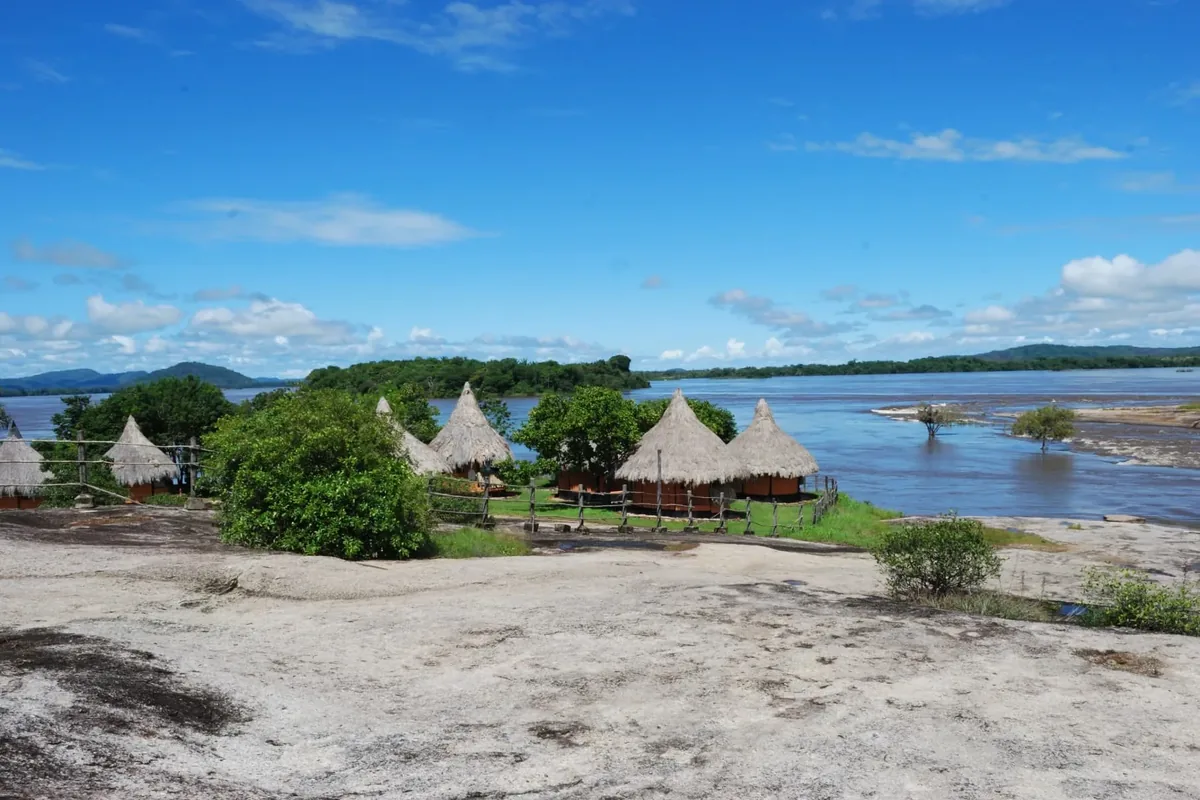
Request recent, attributable information and establish whether images show that property. Ask which facilities are included, which have limited operating hours and which are unavailable. Keep special requirements in writing and distinguish a request from a confirmed arrangement. You should be able to understand the daily routine and practical tradeoffs before deciding whether a base matches your priorities.
Translate interests into realistic daily activities
Choose a small number of priorities rather than asking for every landscape and animal in one journey. Describe how you like to spend time: patient observation, photography, short walks or river scenery. Ask the provider how a proposed day would support those interests, including guiding language, group size, walking demands and time at each stop. An activity name alone is not enough.
Separate planned activities from optional or condition-dependent possibilities. Ask how a substitute would affect your main interest and whether you could choose to rest instead. Wildlife encounters cannot be guaranteed, and cultural visits require host arrangements rather than assumptions. Our Peru rainforest guide can help you compare the same planning questions in another geographical setting without treating the countries as interchangeable experiences.
Keep advice, insurance and emergency arrangements separate
Government advice, an insurance policy and a provider’s response plan answer different questions. Read current advice directly, then ask the insurer about the exact itinerary and activities under that advice. Obtain the relevant coverage answer in writing rather than assuming that the words travel insurance settle every situation. If any answer changes whether you would go, resolve it before a payment.
Ask the provider who handles an incident, which communication methods are available and what the proposed response depends on. Clarify who can make decisions, how an altered departure would be arranged and which costs may fall to you. A written plan is useful evidence about preparation; it does not guarantee rescue or make a journey advisable. Leave unresolved gaps visible rather than filling them with assumptions.
Understand hosts, guiding and responsibility
Identify who would actually deliver each part of a future proposal. Ask who guides activities, who coordinates transfers and who is the named contact if a service changes. A company selling the itinerary may use other providers, so establish the handovers and the responsibilities in plain language. Avoid treating a friendly conversation as a substitute for a clear written description.
For any hosted community experience, ask how the invitation and consent are established. Discuss photography and interpretation before including them in your expectations. Clarify the benefit to hosts and which activities they have chosen to offer. If those arrangements cannot be explained, keep the visit outside the confirmed plan. Respectful travel begins with listening to hosts rather than assigning them a role in a visitor’s schedule.
Compare the written inclusions and change terms
Create a side-by-side list of accommodation, meals, transfers, guiding, activities and any separate charges. Distinguish included items, optional items and unresolved costs. Ask which currency applies, when payments become due and what document confirms the arrangement. The cheapest headline amount may not describe the same journey as another proposal, especially when different transfers or nights are included.
Read the terms for cancellation, rescheduling and changes in advice or access. Ask what happens if a provider cannot deliver a central part of the proposal, how refunds are handled and whether replacements require your agreement. Do not assume a deposit is refundable or that postponement has no cost. A clear answer helps you judge the commitment; this guide does not interpret a contract or promise an outcome.
Make a final brief that can be checked
Bring the research together on one page: destination, purpose, proposed dates, group size, priorities and practical limits. Add a list of confirmed answers and a separate list of open questions. Mark the source and date beside advice and access information. This makes it easier to see whether new information changes the decision rather than allowing a growing itinerary to hide a basic uncertainty.
If important questions remain unanswered, pause the proposal or compare another country. Our Ecuador rainforest guide and Brazil rainforest guide offer starting points for that comparison, with their own geography and planning considerations. Recheck advice and arrangements before committing. A useful planning conversation may end in postponement, a different destination or a narrower idea; it does not need to end in a booking.
Planning questions
How many days should I allow?
There is no reliable universal trip length. A future proposal must show the complete transfer chain and nights at each base before the time requirement can be assessed.
Does government advice mean travel is legally banned?
Travel advice and legal entry or site-access rules are different. Check each directly. This page does not determine your legal position or how essential travel applies to your circumstances.
Can you confirm flights, lodges or tours here?
No. This guide supplies planning questions. A named provider would need to confirm current arrangements for an exact proposal; a page or inquiry is not a booking.
What if I mainly want a leisure rainforest holiday?
Consider postponement or another country under the current advice. Compare the actual landscape, current guidance and practical arrangements for any alternative before committing.
Bring us a focused planning question
Share the place you are researching, your timing and the practical questions you have not answered. We can help structure the comparison. Current advice, lawful access and confirmed arrangements must be assessed independently before any commitment.
Discuss your researchVenezuela overview · Ecuador rainforest guide · Peru rainforest guide · Brazil rainforest guide · Canaima · Orinoco Delta · Wildlife & habitats · Compare accommodation · Getting there · Packing list · When to visit · Responsible travel · Trip costs · Itinerary planning
Sources & scope
Reviewed October 8, 2026. Informational research and planning guidance; no current availability or visitor-access assurance. Licensed photographs illustrate the subjects described; captions identify recognizable landmarks and distinguish other scenes from verified sites or bookable properties.