
VENEZUELA RAINFOREST
Orinoco Delta: waterways, forests and research
Explore the landscape and organize your questions before considering a journey. The Orinoco Delta brings together river, forest and coastal habitats. This guide supports research and does not offer a confirmed itinerary.
Ask a research question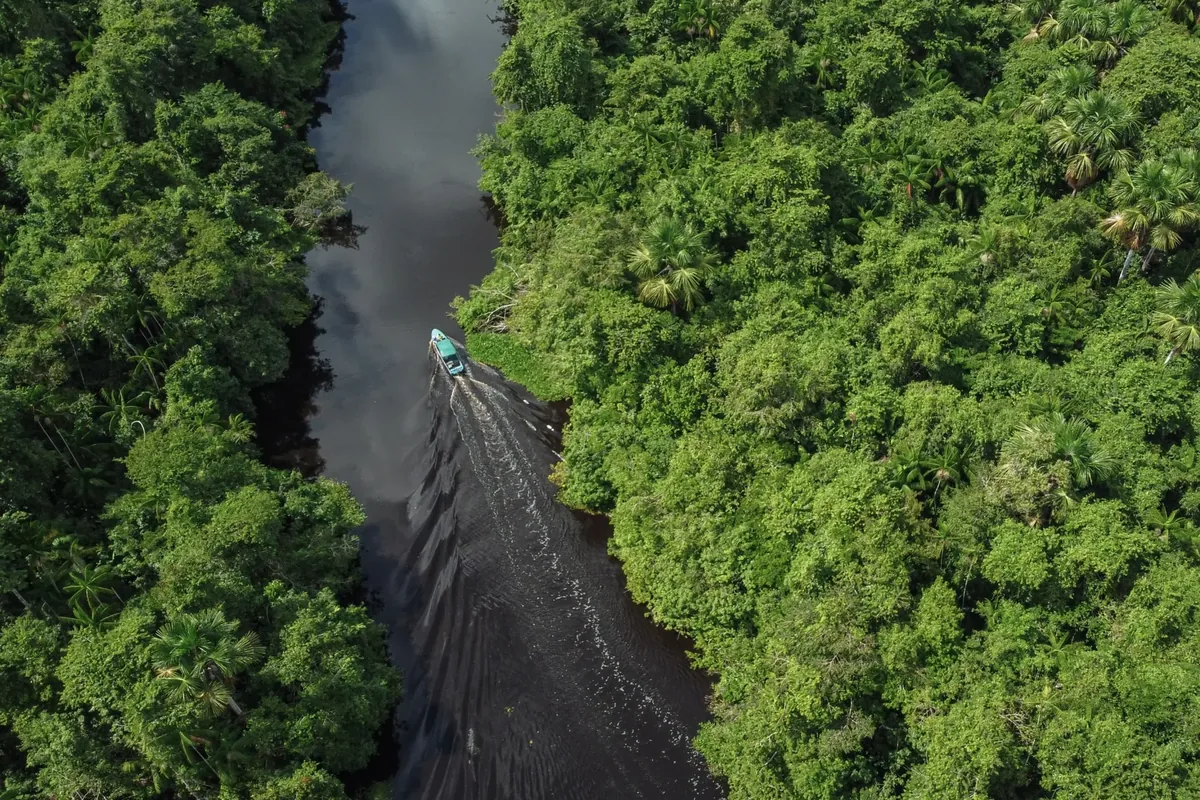
AT A GLANCE
What should you establish first?
Identify the specific landscape and location, then separate your interests from access, transport and accommodation questions. Review current government advice before any commitment. A conservation designation or a scenic image does not establish an available visitor experience.
Understand a river and coastal landscape
The Orinoco Delta is a river-and-coastal setting rather than a generic substitute for every Amazon destination. UNESCO describes a varied mosaic that includes mangroves, swamp forest, moist forest and shallow-water habitats. Use that distinction to decide what interests you: waterways, vegetation, habitat contrasts or the relationship between people and the landscape. A single word such as jungle leaves too much of that choice unexplained.
Read the Venezuela rainforest overview for the broader country context, then identify the exact area you are researching. The delta and a named biosphere reserve are not automatically identical boundaries. A future proposal should identify the places involved. This page helps frame the questions; it does not verify an operating route, an available lodge or permission for a particular activity.
Distinguish the habitat from the promised activity
An ecosystem description tells you what kind of place you are studying, not what an excursion will include. If a proposal mentions forest observation, ask whether that means time on a waterway, a confirmed walk or a stationary viewpoint. If the interest is the transition between habitats, ask which named locations demonstrate that contrast and how the proposed experience would explain it.
Keep ecological interest separate from a sightings checklist. A region’s biodiversity does not mean that a particular animal will be seen during a short visit. Ask how an activity supports observation and what alternatives are available when conditions change. Avoid interpreting an image of wildlife or dense vegetation as evidence of a predictable encounter at the location being discussed.
Treat water travel as a specific arrangement
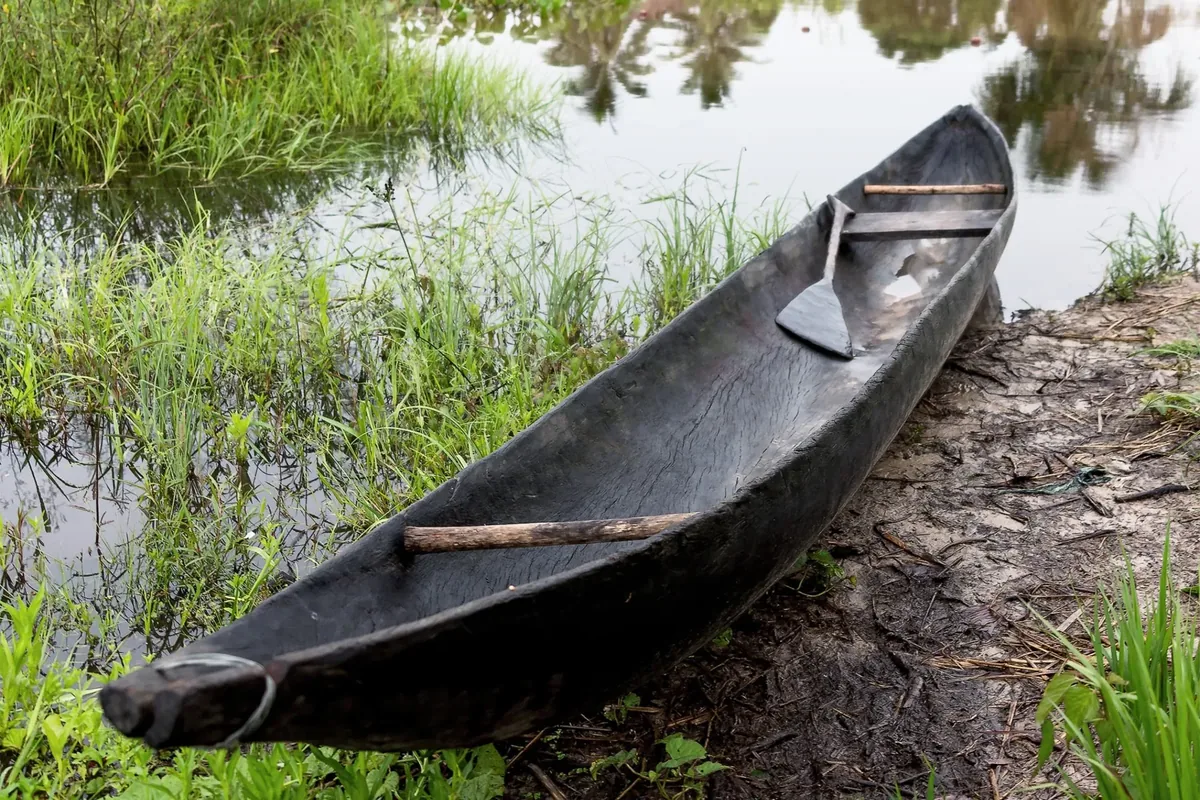
For any future boat-based proposal, ask who operates each leg, where passengers board and how baggage is handled. Request information about the vessel, seating and safety equipment from the responsible provider. Do not infer those details from the word canoe or from an illustrative photograph. A clear description is especially helpful when comparing comfort needs and participation requirements.
Ask how the route and return arrangements would be confirmed and how changes are communicated. This guide does not prescribe river navigation, departure times or a particular channel. Those require current, local and activity-specific information. Use the Venezuela trip-planning guide to separate the transfer chain from the observation experience, so the same stretch of travel is not counted twice as both an activity and usable time at a base.
Ask questions about the stay, not just the setting
A riverside photograph can make accommodation look appealing without showing the facilities needed for a stay. Ask a named property about rooms, bathrooms, meals, drinking water, electricity, communication and the relationship between sleeping areas and boarding points. Establish which details apply to the actual room or arrangement being proposed, rather than assuming every option at the property is equivalent.
Compare the number of nights at each base and the activities connected to it. Ask whether transfers are included, which arrangements are provisional and what a substitute would change. Keep a written list of essential facilities and unresolved answers. No property is endorsed on this page, and a scenic setting should not be mistaken for confirmation of present availability or operational standards.
Approach community encounters as invitations
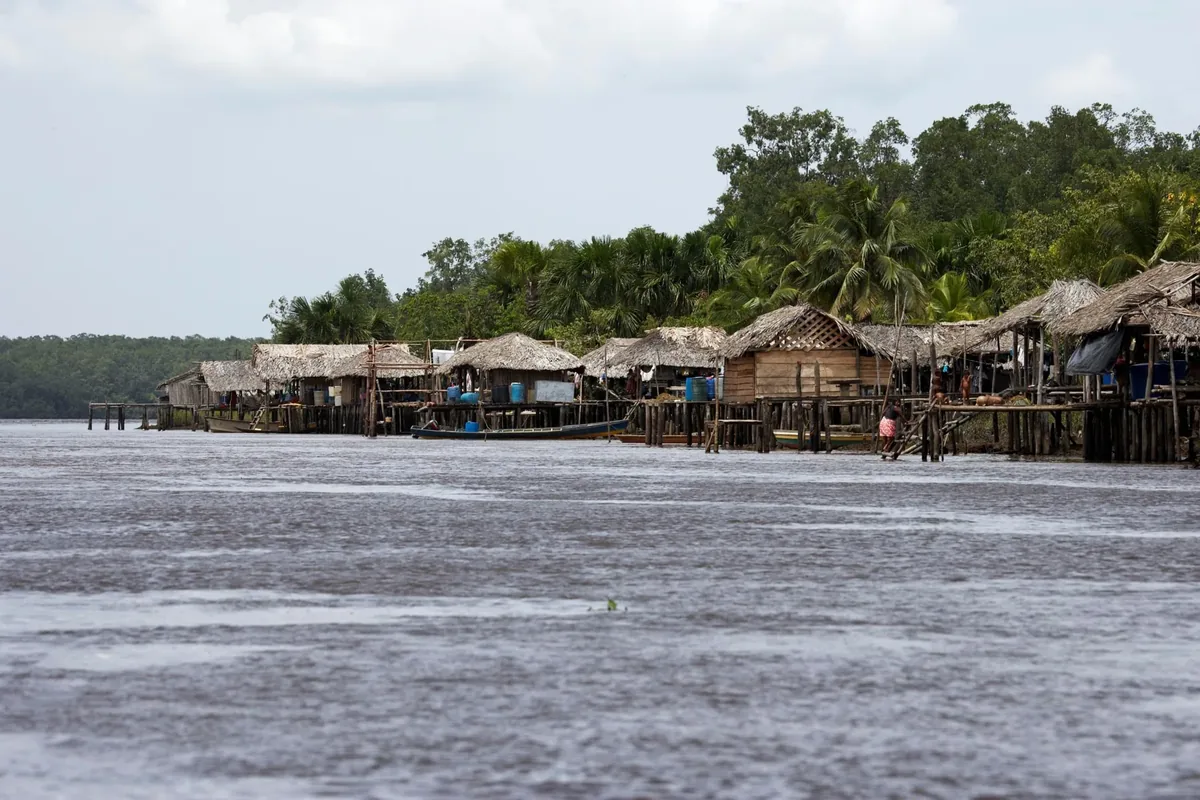
UNESCO identifies Warao communities as an important part of the delta’s population. That context deserves respectful research rather than a promise of access to people’s homes or daily lives. Ask whether an encounter is invited, who organizes it and how the community decides what is appropriate to share. Do not assume that a settlement on a map is a public visitor attraction.
If a future proposal includes a community activity, ask how hosts are compensated and what permissions govern photography. Respect decisions not to participate or be photographed. Avoid making a personal visit conditional on buying a performance or obtaining a particular image. A useful description explains the purpose and host involvement without reducing residents to a checklist item in an itinerary.
Build an observation brief without guarantees
For wildlife or landscape interests, describe habitats and observation styles before listing hoped-for species. You might be interested in river margins, forest vegetation or the contrast between open water and wooded areas. Ask a provider how the proposed activity addresses those interests and how much time is set aside for observation. This keeps the discussion grounded in the experience rather than an unsupported promise.
Record sightings claims carefully. Distinguish a regional species record from a recent observation, and both from a guarantee for your dates. Ask for the evidence and location behind a claim if it materially affects your decision. A flexible interest list allows a meaningful experience to be described honestly without asserting that any particular animal, behavior or photographic opportunity will occur.
Keep photography and privacy in the same brief
Separate landscape photography from photographs of people. For landscapes, ask about permitted locations, time to stop and the practical handling of equipment during the confirmed activity. For people, request consent before taking an image and before sharing it when that matters to the person involved. A provider’s general marketing permission should not be assumed to cover every individual encounter.
The stock images on this page are illustrative and not identified as photographs of the Orinoco Delta. Apply the same discipline to images you collect for research: retain captions, provenance and location information. A photograph may convey a mood while remaining unsuitable evidence for a named site. Avoid using visual resemblance to infer the community, habitat or route depicted.
Compare a delta interest with other forest journeys
If river travel and rainforest observation are your main interests, the Peru rainforest guide and Brazil rainforest guide provide useful comparisons. Compare the confirmed activity style, time at a base and practical arrangements rather than judging destinations by a similar-looking river photograph. A shared interest can lead to different landscapes and different questions about comfort and movement.
If the delta itself is the research priority, keep that reason explicit instead of treating another river destination as an identical replacement. You can explore an alternative while retaining a separate delta brief for later review. Current advice and verified arrangements remain independent parts of the decision. A destination comparison is a way to clarify priorities, not evidence that any proposed journey is suitable now.
Write down the decision and outstanding evidence
A useful delta brief names the specific area under discussion, the habitat or community interest, the proposed base and the questions that remain open. Note where each answer came from and when it was checked. Separate an attractive idea from a confirmed arrangement. This makes it easier to identify whether the next step is more research, a different destination or postponement.
Review current advice for the exact location before considering payment. This guide does not confirm access, sell an available delta itinerary or determine whether travel is appropriate for you. Keep the decision separate from the amount of time already spent researching. A well-developed brief can still support postponement, and it remains useful when conditions and arrangements can be reviewed again.
Planning questions
Is the Orinoco Delta an Amazon River destination?
It is an Orinoco river-and-coastal landscape. Do not treat the name as interchangeable with an Amazon River itinerary.
Does a biosphere reserve description confirm a tour?
No. A conservation description does not establish a current route, permission, provider or accommodation arrangement.
Can a community visit be assumed?
No. An encounter needs an invitation and appropriate host involvement; a settlement is not automatically a visitor attraction.
Are wildlife sightings guaranteed?
No. Regional biodiversity and photographs do not guarantee a sighting on a particular activity or date.
Share a focused landscape question
Tell us which place and experience you are researching and what information remains unclear. Your inquiry starts a discussion; it does not confirm an available route.
Discuss your researchVenezuela overview · Trip-planning guide · Canaima · Wildlife & habitats · Compare accommodation · Getting there · Packing list · When to visit · Responsible travel · Trip costs · Itinerary planning
Sources & scope
Reviewed October 9, 2026. Landscape facts use the linked UNESCO sources. Practical sections provide questions for evaluating a future proposal, not confirmed services. UK FCDO advises against all travel in specified areas and all but essential travel elsewhere in Venezuela. Read its current regional guidance and the advice relevant to your circumstances. Licensed photographs illustrate the subjects described; captions identify recognizable landmarks and distinguish other scenes from verified sites or bookable properties.