
VENEZUELA RAINFOREST
Canaima: tepuis, waterfalls and landscape research
Explore the landscape and organize your questions before considering a journey. Canaima is defined by tepuis, cliffs and waterfalls. This guide supports research and does not offer a confirmed itinerary.
Ask a research question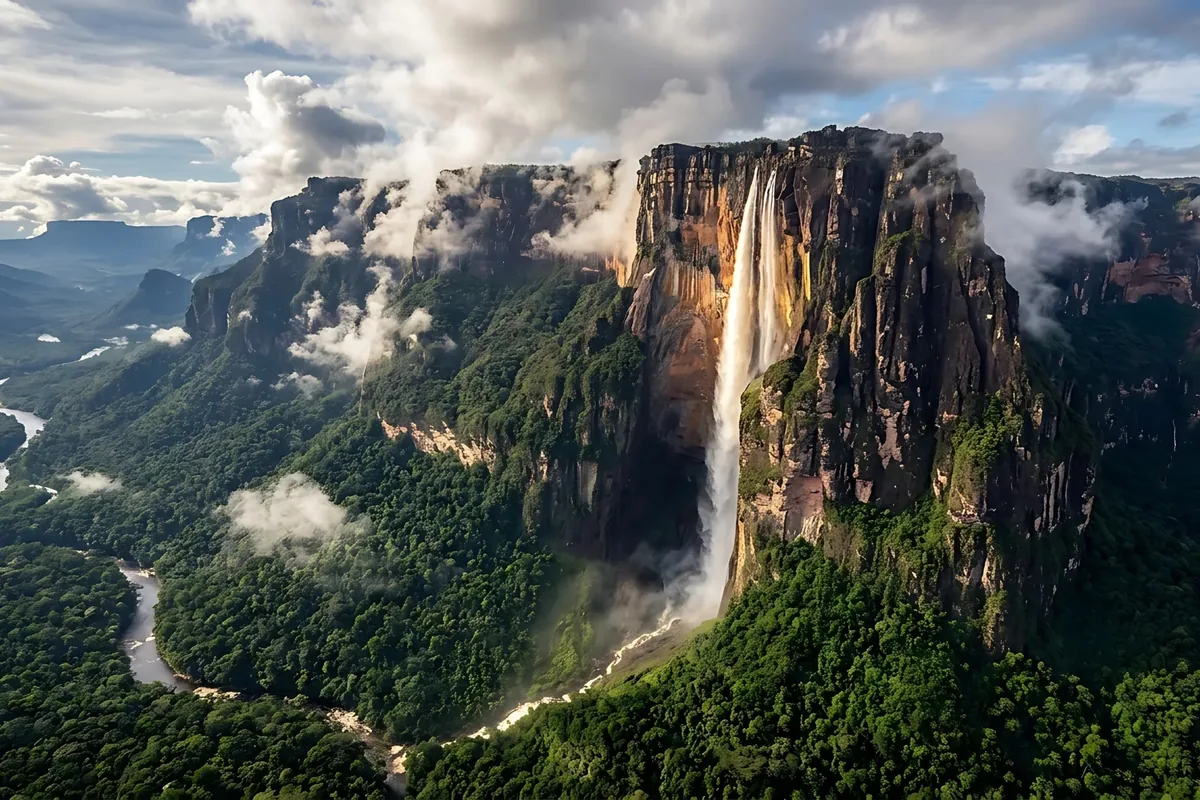
AT A GLANCE
What should you establish first?
Identify the specific landscape and location, then separate your interests from access, transport and accommodation questions. Review current government advice before any commitment. A conservation designation or a scenic image does not establish an available visitor experience.
Understand the landscape before choosing an experience
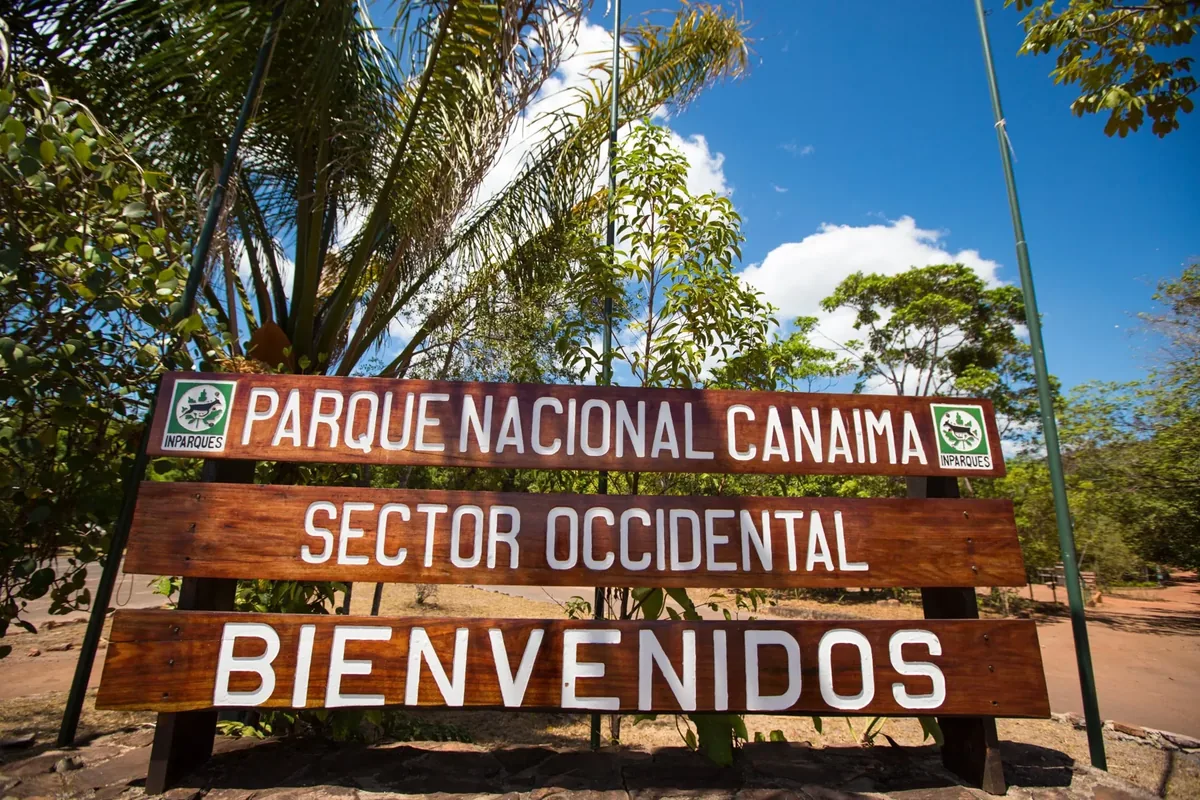
Canaima National Park lies in southeastern Venezuela. UNESCO identifies its table mountains, steep cliffs and waterfalls as defining features of the landscape. Start your research with those landforms rather than a general promise of jungle travel. A photograph of a waterfall, a forest trail and a plateau can suggest very different interests. Decide which setting attracts you and ask where an actual proposal would place you within that landscape.
Our Venezuela rainforest overview provides the wider geographical context. Canaima should not be treated as interchangeable with every destination marketed under the Amazon name. Use a named site and a map when comparing descriptions. This helps separate a scenic viewpoint from a forest experience, and a protected-area description from the particular places a visitor might be discussing with a provider.
Read a photograph as a question, not an itinerary
A dramatic image gives you a reason to learn more, but it does not establish how the view is reached or whether the scene represents the proposed route. Ask for the location, viewpoint and intended activity behind each photograph. If your interest is waterfalls, distinguish viewing the wider landscape from approaching a specific feature. Those are different experiences and should be described separately in a future proposal.
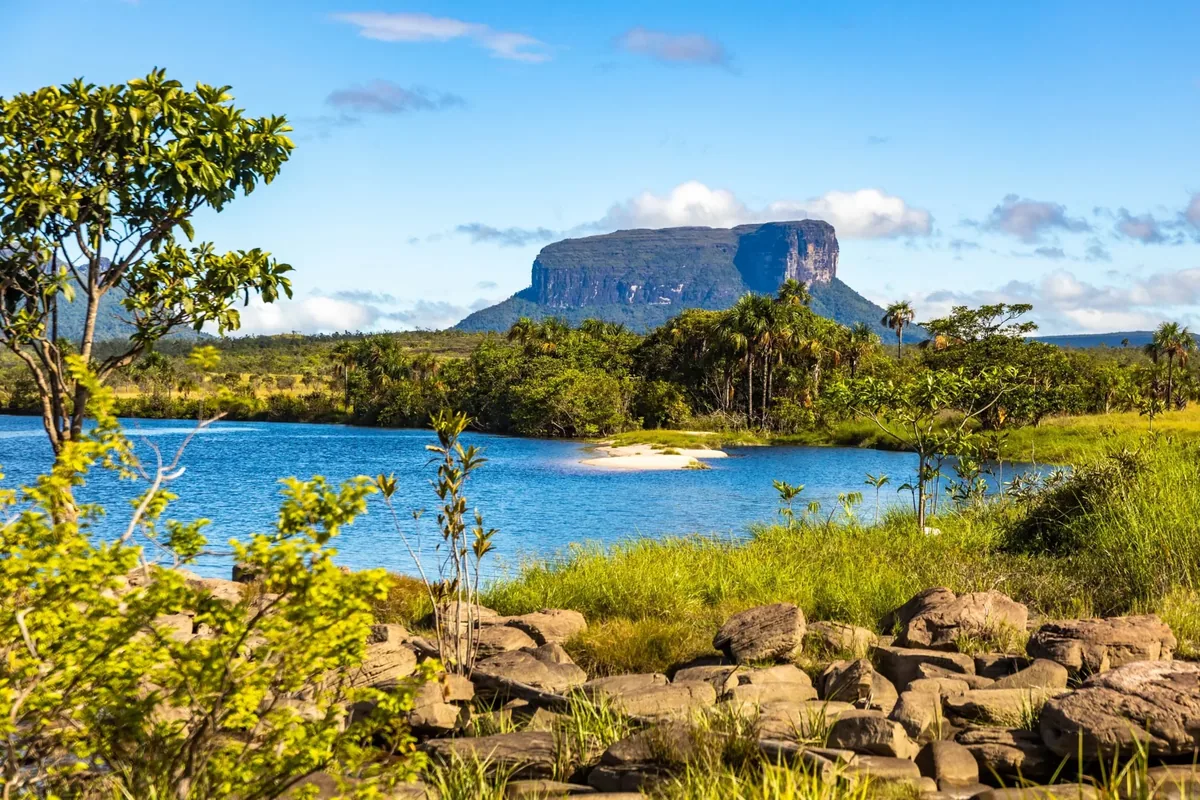
The photographs on this page illustrate forest and river settings; they are not identified as photographs of Canaima. We will replace them with verified destination images when those are available. In your own research, save captions and source details alongside images. A beautiful photograph without a location is useful inspiration, but it is weak evidence for choosing a particular destination or making a financial commitment.
Separate conservation recognition from visitor access
World Heritage recognition explains why a place matters. It does not confirm a visitor activity, transport service or permission to enter a particular area. Ask which locations are involved in the proposed experience and which authority can answer access questions. Do not turn a broad description of the park into an assumption that every viewpoint, trail or plateau is available to visitors.
Use the Venezuela trip-planning guide to organize this distinction. Keep a short list of confirmed information and a separate list of unresolved questions. Mark the date and source of each answer. A provider may explain its own arrangements, while the appropriate authority addresses access requirements. Neither a marketing label nor our research guide substitutes for those specific checks.
Match a proposed pace to the experience you want
Describe the pace that would make the experience worthwhile for you. Someone interested in quiet observation may want fewer changes of base, while a photographer may need time to wait at a confirmed viewpoint. Ask for a day-by-day account of activities, movement and rest. Avoid choosing a package solely because it includes the largest number of named places.
Discuss the physical demands in concrete terms: surfaces, boarding arrangements, time standing, exposure to weather and the availability of breaks. These are questions for the specific proposal, not claims about a standard Canaima trip. Tell the provider which descriptions you need to make an informed decision. If an answer remains vague, record that uncertainty rather than assuming a comfortable or easy experience.
Plan photography around permission and flexibility
A photography brief can distinguish wide landscape views, water movement, vegetation details and people. Identify your priorities before asking about equipment or timings. Request confirmation of where photography is permitted and whether the proposed activity allows time to stop. Do not assume that a place seen online offers the same viewpoint, light or access on a future visit.
For people and community settings, ask permission before photographing and respect a refusal. Avoid treating residents as background material for a destination image. Ask whether an interaction is invited, how any interpretation is arranged and whether images may be shared afterward. For landscapes, a flexible brief is more useful than promising to recreate one photograph exactly; weather and the confirmed route determine what can actually be attempted.
Evaluate transfers without inventing a connection
List every proposed transfer separately, including pickup points, overnight bases and the responsibility for each connection. Ask what is confirmed and what remains provisional. A reference to a flight, road journey or boat does not establish a current schedule. Compare the time available for the experience after transfers rather than comparing the headline number of days alone.
Request a clear explanation of changes: what happens if a connection cannot operate, who makes the next arrangement and which costs are additional. Keep transport assumptions visible in your notes. This research page does not publish departure times or an operating route because those would require current confirmation. A sensible plan should remain understandable when one proposed element changes.
Ask accommodation questions that affect participation
A lodge or camp label tells you little about the facilities that matter to your stay. For a named property, ask about sleeping arrangements, bathrooms, meals, drinking water, electricity and communication. Explain practical needs in ordinary terms without sending sensitive medical details through an initial website inquiry. Ask how the property relates to the proposed activities and transfers.
Check which nights occur at which base and whether a change of base alters your usable time. Request written descriptions rather than relying on photographs of attractive common areas. If you need a specific facility, establish whether it is confirmed for your dates and room category. This is a framework for assessing a future proposal, not an endorsement of a property or a statement that accommodation is currently available.
Choose comparison destinations by interest
If your priority is rainforest observation rather than the tepui landscape itself, compare the Ecuador rainforest guide and the Peru rainforest guide. Write down what you want to notice, how much movement you prefer and which comfort needs matter most. This gives the comparison a useful basis instead of treating all forest destinations as equivalent.
If Canaima’s landforms are the central interest, keep that distinction explicit. A different country may offer a worthwhile forest experience without replacing the original landscape question. You can choose an alternative for now while retaining Canaima as a subject for later research. Compare confirmed arrangements and current advice separately; neither visual similarity nor an appealing country overview settles whether a journey should proceed.
Turn the research into a concise written brief
Finish with a short brief naming the landscape or feature you are investigating, your photography or observation interests and the practical questions still unanswered. Include approximate timing only as a research preference. Avoid describing a hoped-for route as booked or available. Clear language makes it easier to identify where evidence is missing and which question should be answered next.
Current government advice must be considered before any travel commitment. This page does not offer an available Canaima itinerary or confirm that a journey is appropriate. If the relevant advice conflicts with a leisure trip, consider postponement or another destination. Keep the brief for a later review rather than using the research process itself as a reason to proceed with payment.
Planning questions
Is Canaima the same as an Amazon rainforest itinerary?
No. Research the named landscape and location instead of assuming that a broad Amazon label describes every Canaima experience.
Does World Heritage status confirm visitor access?
No. Conservation recognition and permission for a specific place or activity are separate questions.
Are the images here verified Canaima photographs?
No. They are labeled illustrative forest and river images and do not establish a Canaima location.
Can I book a Canaima trip through this page?
This page supports research and questions. It does not advertise a confirmed itinerary or establish that travel should proceed.
Share a focused landscape question
Tell us which place and experience you are researching and what information remains unclear. Your inquiry starts a discussion; it does not confirm an available route.
Discuss your researchVenezuela overview · Trip-planning guide · Orinoco Delta · Wildlife & habitats · Compare accommodation · Getting there · Packing list · When to visit · Responsible travel · Trip costs · Itinerary planning
Sources & scope
Reviewed October 9, 2026. Landscape facts use the linked UNESCO sources. Practical sections provide questions for evaluating a future proposal, not confirmed services. UK FCDO advises against all travel in specified areas and all but essential travel elsewhere in Venezuela. Read its current regional guidance and the advice relevant to your circumstances. Licensed photographs illustrate the subjects described; captions identify recognizable landmarks and distinguish other scenes from verified sites or bookable properties.