
VENEZUELA RAINFOREST
Getting to Venezuela’s rainforest: route planning
Understand each leg before comparing a journey: entry, arrival, onward transport and the return connection all need their own answers.
Ask a research question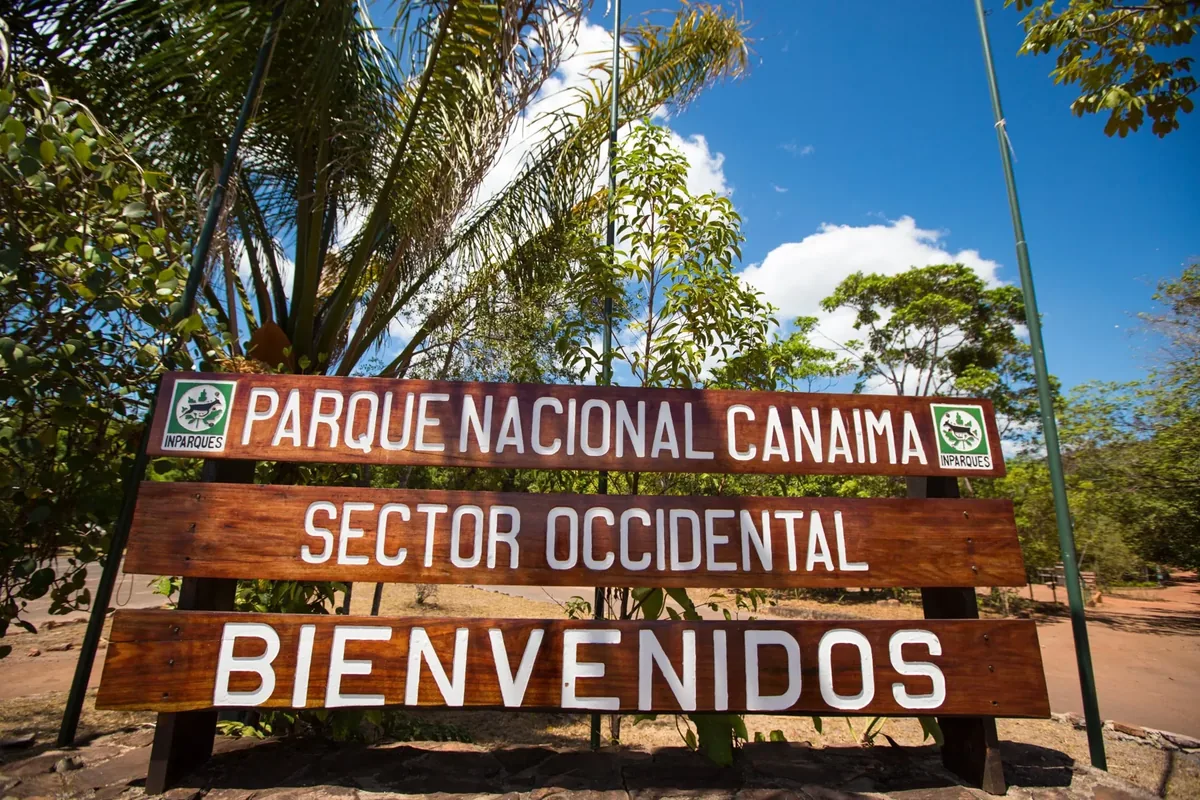
AT A GLANCE
What should you confirm first?
Identify the named destination, then verify every leg, its responsible provider and what happens if an earlier connection changes.
Separate entry, arrival and the onward journey
Getting to a forest or river destination involves several separate decisions: permission to enter the country, an international arrival, a place to stay during a connection and the onward transport to a named base. A ticket for the first leg does not confirm the rest. Draw each stage on a simple timeline, including where you sleep and who is responsible for the next handover. This makes missing arrangements visible before a route becomes a financial commitment.
Start with the Venezuela trip-planning guide to decide whether the proposed journey is appropriate for your circumstances. At this review, UK FCDO advises against all travel in specified areas and all but essential travel in the remaining areas. Read the full advice and consult your own government. A published destination guide or a transport quotation does not override those recommendations.
Choose a destination before comparing connections
The Venezuela rainforest overview distinguishes the places covered by this cluster. A destination name must be more precise than southern Venezuela: ask for the municipality, arrival point and accommodation base. For Canaima, use the Canaima guide to understand the landscape being discussed; for a delta proposal, use the Orinoco Delta guide. Treat these as geographic orientation rather than evidence that an onward service operates on your preferred date.
Compare proposals that lead to the same place before comparing their prices. One may end at an urban meeting point while another includes the final transfer to accommodation. Write down the actual final destination, any intermediate nights and where the quoted service ends. If these details are missing, the two prices do not yet describe equivalent journeys, even when their marketing titles sound similar.
Verify each flight with its operating carrier
Use the airline operating a flight to verify the service, date, airport and booking conditions. Search results and older itineraries can be useful starting points, but they are not a confirmation that a flight is operating. Ask whether each connection is part of one protected booking or separate tickets, and what happens if the arriving flight is delayed. Keep the carrier reference alongside any agency reference so you can identify the booking directly.
Allow the information you receive to shape the itinerary. Do not assume a same-day onward connection is workable merely because two scheduled times appear compatible. Immigration, luggage collection, airport changes and an overnight stop may all need separate consideration. Ask the responsible provider to explain the connection and its contingency in writing; we do not publish a fixed connection time or a current timetable on this page.
Check documents for your nationality and purpose
Entry rules depend on the passport you use, the purpose of the visit and potentially the way you arrive. The linked FCDO entry page is specifically framed for British citizens travelling from the UK. Readers with other passports should obtain applicable information from Venezuelan consular authorities rather than adopting that page as a universal rule. Check transit-country requirements separately, including whether a connection requires passing through immigration.
Prepare a document checklist with the issuing authority, expiry date, any application deadline and the evidence of onward travel required for your circumstances. Confirm how dual nationality or travelling with children affects your case where relevant. Research, paid work and filming can involve different requirements from an ordinary tourist visit; describe the real purpose when seeking official guidance. We do not determine eligibility or issue immigration advice.
Make the arrival handover explicit
An arrival arrangement should identify the person or company meeting you, the meeting point, a usable contact number and the procedure if the arrival changes. Ask how identity will be confirmed and where you wait if nobody is present. Keep these details available offline. Avoid relying on a vague instruction to find someone outside: the handover needs to be understandable even when your phone cannot connect or your flight arrives at an unexpected time.
For any proposed accommodation transfer, compare the actual arrival terminal with the pickup location and the destination address. Ask whether luggage handling, waiting time and an arrival-night room are included. Share necessary accessibility requirements early so the proposed vehicle and boarding arrangements can be assessed. A transfer description should answer practical questions; a vehicle photograph or a generic promise of assistance is not sufficient.
Assess road and river legs individually
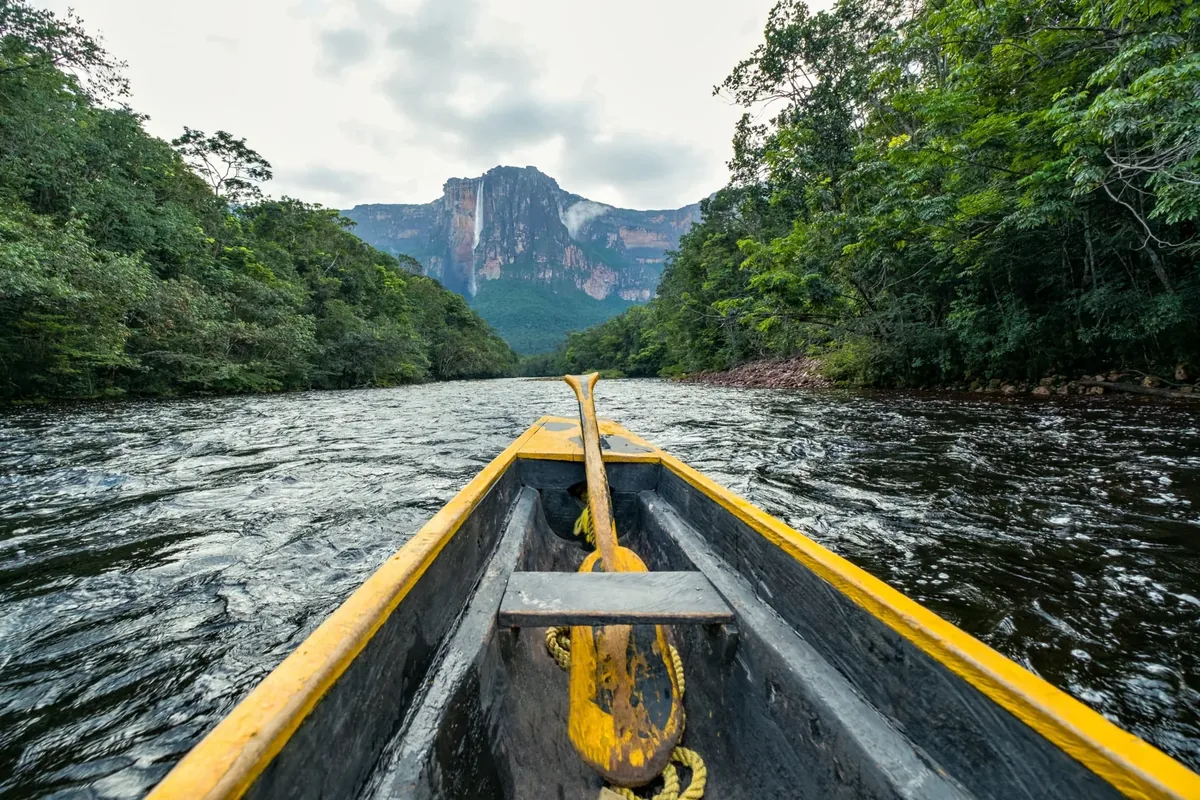
For each onward leg, ask which transport mode is proposed, who operates it, where boarding takes place and what determines whether it proceeds. A driving distance cannot establish the duration of a river journey, and a map line does not demonstrate that a road or landing point is usable. Request a current account from the responsible provider, including the date of the assessment and the plan if the intended leg cannot operate.
For a boat proposal, ask about the craft, boarding assistance, suitable flotation equipment, luggage protection and the arrangements for a delay. For a vehicle proposal, ask about seating, baggage space and the designated route. These questions help compare a written arrangement; they do not certify a service or make an unverified route safe. Keep any unresolved transport issue visible rather than treating it as something to settle after payment.
Protect the time between separate bookings
Build a timeline showing travel days separately from days at the destination. Include the check-in deadlines supplied by the actual carriers, any overnight stops and the return connection. A short stay can be dominated by transfers if every leg is squeezed into the same day. Compare the time available for your interests with the number of handovers, especially if wildlife observation or photography is a priority.
Ask what happens to accommodation and activities if an earlier leg is cancelled, and who pays for an extra night or a replacement transfer. Obtain change and cancellation terms for each separate booking. Avoid assuming one supplier covers another supplier’s delay. Keep written confirmation of the arrangements together so that the sequence, responsibility and financial exposure can be understood without reconstructing a chain of messages.
Check luggage across the entire route
Before selecting a bag, request the baggage allowance for every proposed carrier and onward vehicle or boat. Distinguish weight from size, checked luggage from cabin luggage and a formal allowance from a suggestion to travel light. The most restrictive confirmed leg may determine the useful bag size. Use the Venezuela packing guide to organize clothing, documents and equipment around that limit rather than around the international flight alone.
Tell the provider about unusually large equipment, mobility aids or a substantial camera kit before accepting a proposal. Ask what can remain at an intermediate base and how storage is documented. Keep important documents and necessary medication accessible, subject to the applicable carriage rules. A packing decision is easier when transport limits are explicit; we do not assume a countrywide luggage allowance or that storage is available.
Send a route brief that can receive a useful answer
A useful access inquiry includes your starting city, passport nationality, tentative dates, destination interests, party size and any fixed commitments. State which legs are already booked and which are still exploratory. Add mobility or baggage needs that affect the transport arrangement, while keeping sensitive identity documents out of an initial message. This lets the conversation focus on the actual missing pieces rather than on a generic request for a tour.
Ask for a response that distinguishes verified arrangements, options requiring further checks and unavailable services. Compare the named endpoints, inclusions, change terms and usable destination time before committing. If essential questions cannot be answered, keep the plan provisional or consider another country. Sending an inquiry begins a discussion; it does not reserve a place, confirm transport availability or establish that travel is advisable.
Planning questions
Does an international ticket confirm the onward route?
No. Confirm each onward leg, overnight stop and final destination separately, including responsibility if a connection changes.
Can I use British entry guidance for another passport?
Do not assume it applies. Obtain guidance for your passport, purpose and arrival mode from the appropriate Venezuelan consular authorities.
Are transport timetables provided here?
No. Verify current services and booking conditions with their operating carriers or responsible providers.
What should I include in an access inquiry?
Include your starting city, nationality, tentative dates, named destination, party size, booked legs and any mobility or luggage needs.
Bring your practical questions into focus
Share your tentative route, party size and the details still awaiting confirmation. An inquiry starts a discussion and does not confirm available services.
Discuss your researchVenezuela overview · Trip-planning guide · Canaima · Orinoco Delta · Wildlife & habitats · Compare accommodation · Packing list · When to visit · Responsible travel · Trip costs · Itinerary planning
Sources & scope
Reviewed October 9, 2026. Practical research guidance; not a confirmed itinerary or a determination of immigration or medical requirements. UK FCDO advises against all travel in specified areas and all but essential travel elsewhere in Venezuela. Consult the full current advice and relevant authorities for your circumstances. Licensed photographs illustrate the subjects described; captions identify recognizable landmarks and distinguish other scenes from verified sites or bookable properties.