
GUYANA RAINFOREST
Explore Guyana’s wildlife with time to observe
Build the journey around habitats and observation time, with local knowledge and respect for wildlife.
Plan this journey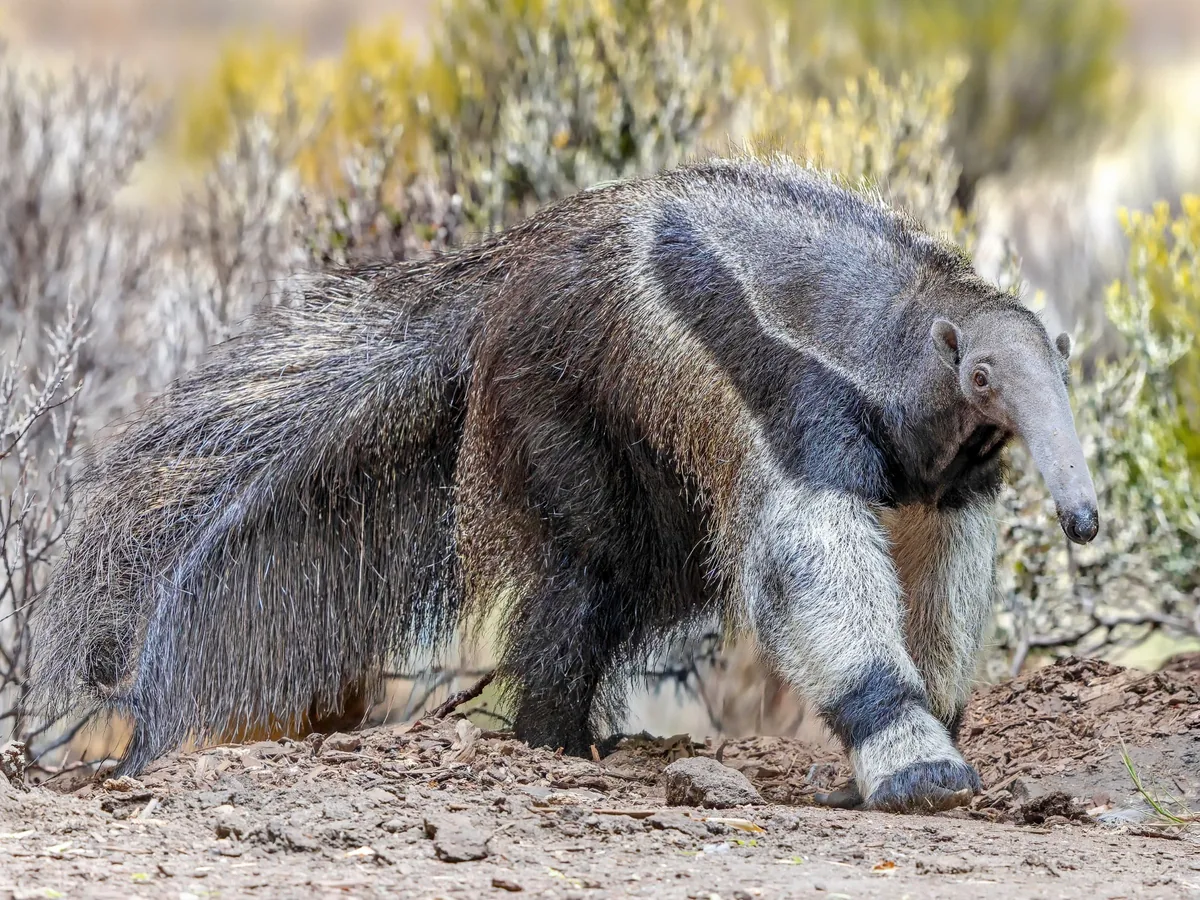
AT A GLANCE
How should I plan a Guyana wildlife trip?
Choose the habitats and animals that interest you, then compare bases, local guiding and full observation periods. Wildlife lists show possibilities, not guaranteed sightings.
Choose habitats before making a target list
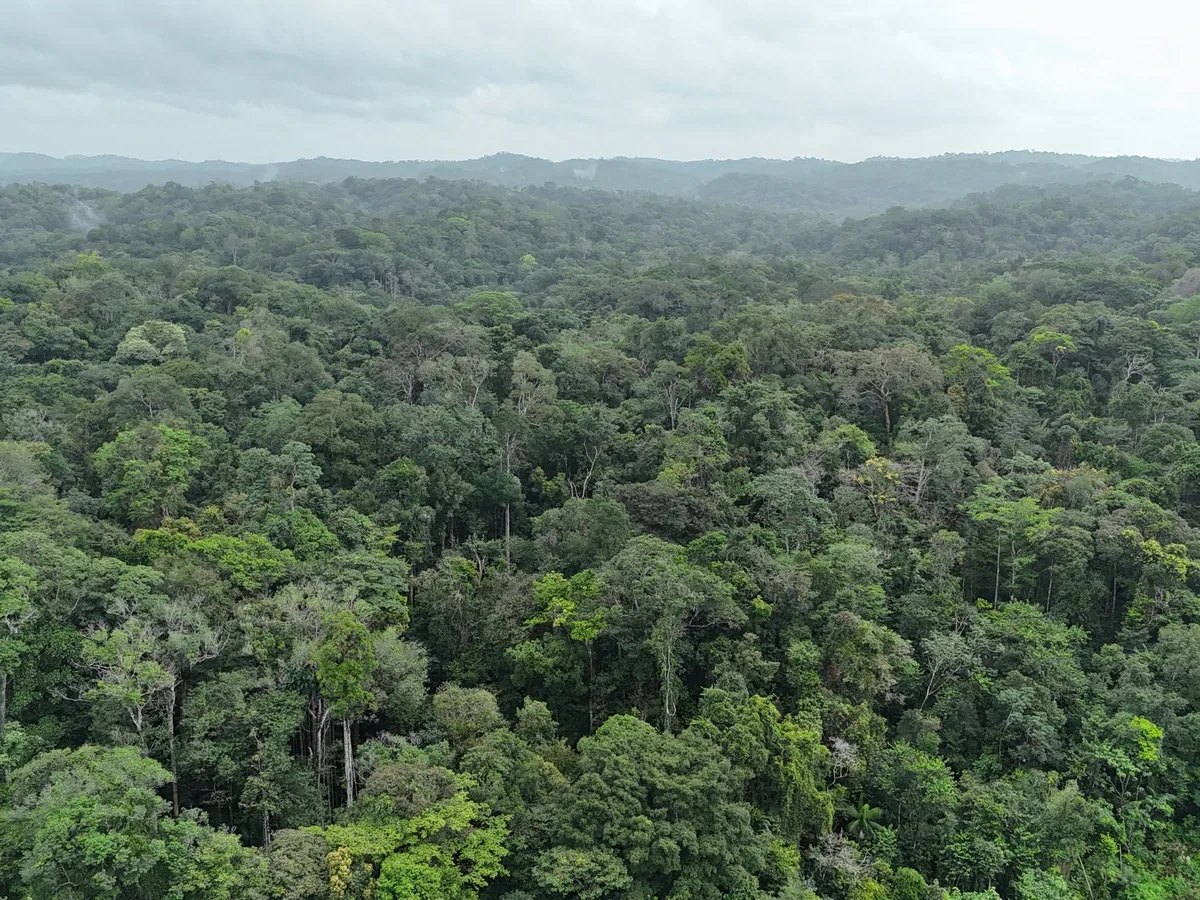
Guyana wildlife travel can bring together forest, river, wetland and savannah settings. The Guyana overview helps you distinguish the regions before choosing the overnight bases. Begin with the environments and activities that interest you: patient forest walks, river observation, birding across contrasting habitats or a combination. An itinerary with several habitat types may suit a broad introduction, while a focused stay can give a dedicated interest more time without repeated transfers.
Write a short priority list instead of asking a journey to deliver every animal associated with the country. Tell the planner which interests are essential to the route and which would be welcome additions. A list helps guide the conversation, but does not turn a possible encounter into an included service. Ask how the proposed bases support those interests, who provides the local guiding and how much useful observation time is left after the journey between them.
Distinguish regional possibilities from promised encounters
Visit Rupununi’s regional wildlife information includes giant otters, black caimans, giant anteaters and jaguars among the animals associated with the region. That establishes a useful research starting point, not the likelihood of seeing each species on a particular outing. Ask where the proposed activities take place, what habitat they explore and what the guide can reasonably say about the experience. A regional list cannot establish that an animal will be present at your chosen base.
Use the Rupununi guide to compare actual river, wetland, savannah and forest time. A route can be worthwhile even when a hoped-for mammal is not encountered, because landscape, birds and the guide’s interpretation are part of the experience. Avoid itineraries that use guaranteed wildlife language without a defensible basis. Patient observation and appropriate habitat are planning choices; an animal’s appearance and behavior remain outside the itinerary’s control.
Give forest observation room in the itinerary
Iwokrama River Lodge describes birding and wildlife activities as part of its forest visitor experience. The Iwokrama guide helps you place that named base within a wider Guyana route. Ask what the proposed walks and outings involve, whether guiding is shared and how the schedule fits your interests. Do not assume that an activity title establishes a particular trail, viewing location, wildlife encounter or the amount of time you will spend observing.
Discuss walking pace, terrain and rest alongside the observation plan. A guide may help you notice movement, calls and signs that are easily missed when moving quickly. Explain whether you prefer a general introduction or slower work around a particular interest. The practical comparison is between the actual guided experiences and useful time at the base, rather than between two lists of impressive animals that do not explain how the itinerary operates.
Approach birding as a distinct interest
Birding can require a different pace from a general wildlife outing. Tell the planner about your experience, whether you keep a target list and whether listening, photography or a broad introduction matters most. Ask about the guide’s relevant local knowledge and how the proposed habitats serve your interests. Visit Rupununi highlights regional birding across several habitat types, which makes the actual route more useful to compare than a countrywide species total.
For a mixed-interest group, discuss how the schedule accommodates both dedicated birders and travelers who prefer other activities. Ask whether early starts or longer observation sessions are part of the proposal and how meals and rest are arranged. Do not make a published nest or display site the sole reason for booking without current confirmation of access and the operator’s approach. Animal activity, access rules and the conditions for observation can change.
Use river outings for a clear observation purpose
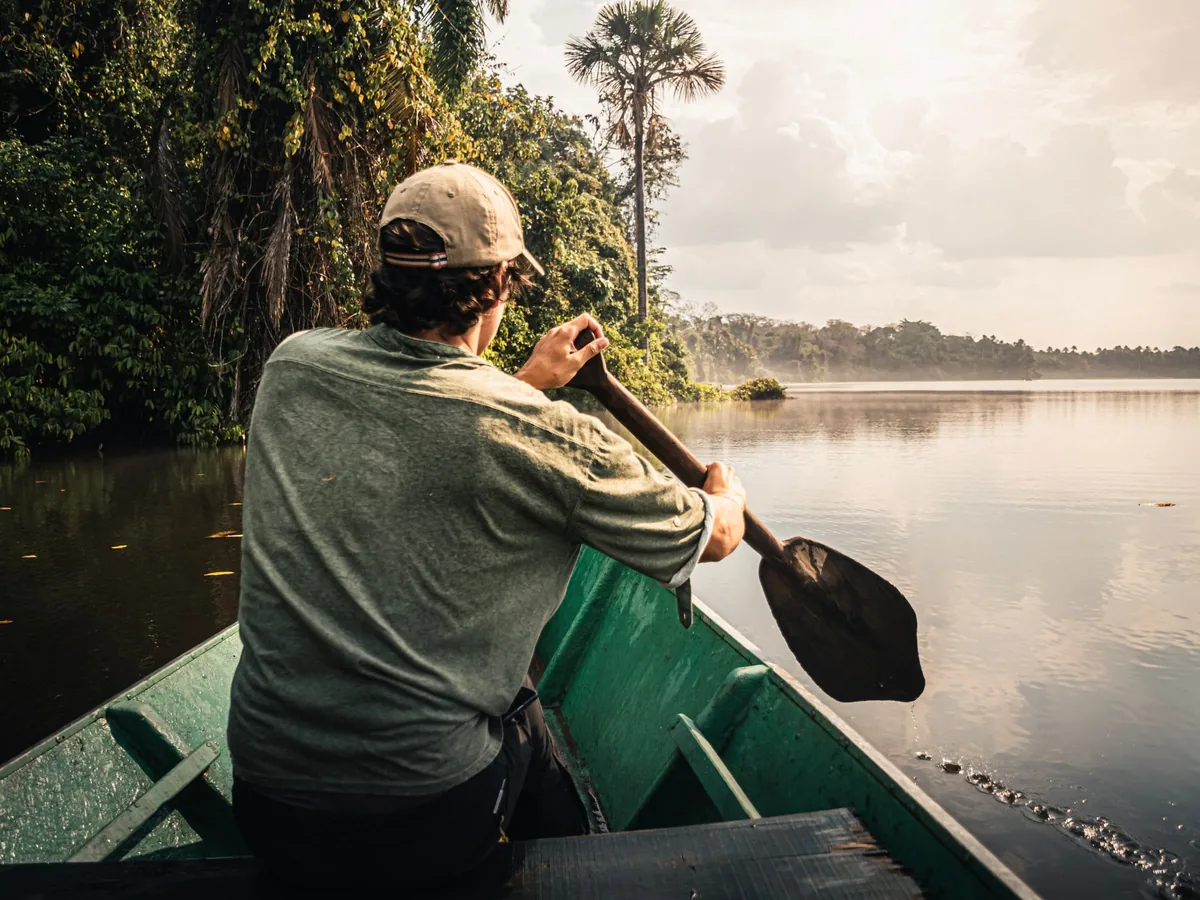
The river-journeys guide helps distinguish a wildlife outing from a boat transfer. Ask whether the vessel can pause for observation, how the guide chooses stops and whether other passengers share the same priorities. An excursion that follows a shoreline at an unhurried pace offers a different experience from a transport leg whose main purpose is reaching accommodation. Confirm which arrangement is included before treating time in a boat as a dedicated wildlife activity.
Tell the guide whether birds, mammals, reptiles or landscapes are the main focus, and ask how viewing distance is managed. Follow the operator’s instructions for boarding, seating and equipment storage. Do not request feeding, handling or close approaches to make a photograph easier. A respectful river experience leaves space for wildlife to behave naturally and lets the guide decide when observation is appropriate, rather than demanding an encounter at any cost.
Discuss photography without making animals perform
Photography adds practical requirements that are worth discussing before choosing the route. Explain whether you want general travel images or dedicated sessions with time to wait at a suitable place. Ask about shared versus private guiding, boat positioning and the pace of walks. A route that visits more locations is not automatically stronger for photography; light, visibility, time and the guide’s ability to work with your priorities can matter more than a longer list of stops.
Accept that vegetation, distance and animal behavior may limit a photograph. Do not ask for an animal to be held, fed or disturbed to improve the result. Follow local instructions about lighting, noise and any restricted area. If an outing cannot provide the setup you imagine, discuss another appropriate activity rather than pressing for a staged wildlife interaction. Bring equipment you can manage comfortably within the actual baggage, walking and boat arrangements. The getting-there guide helps you review airports, handovers and the complete connection to your base.
Understand community and conservation arrangements
A community-hosted journey may include locally guided nature activities or a conservation-related visit. The community-stays guide explains how to discuss what hosts choose to offer and what requires an agreement. Ask who organizes the activity, what visitors may appropriately do and how any charge is included. A conservation description should explain the proposed experience rather than implying that every guest automatically joins research or contributes a particular amount to a project.
Respect community rules for access and photography as well as wildlife guidance. Ask before photographing people, homes or local work, and accept a decision not to share an activity. A wildlife interest does not override the hosts’ priorities or make every location available. Keep the distinction between observing, learning and participating clear in the itinerary. The right arrangement gives the hosts room to define the visit and explains your role before you arrive.
Match dates, accommodation and equipment to observation
Use the best-time-to-visit guide to discuss how seasonal patterns and current conditions relate to your chosen habitats and connections. A seasonal recommendation cannot guarantee that a target animal will be seen. Ask how weather affects the order of outings and what flexibility is realistic at the base. Count the full activity periods available after arrival and before departure instead of assuming that every overnight stay provides the same amount of wildlife time.
The rainforest-accommodation guide helps you compare practical room facilities, meals, charging and included guiding. Explain any essential needs before booking, and ask what you should bring for the planned outings. Protect cameras and other equipment against wet conditions without assuming every vessel or room provides storage suited to your kit. If transport includes a restricted baggage allowance, obtain the actual rules and choose equipment that fits the complete journey.
Build a wildlife journey with realistic priorities
Use the Guyana trip-planning guide to compare a focused stay with a route combining several habitats. Start with the experiences that matter most, then add another base when it brings a useful contrast and leaves enough time after travel. A thoughtful proposal explains why each location is included, identifies guiding and services, and makes the connection between accommodation and activity time clear. It should not depend on a long wildlife checklist as its only measure of value.
Share dates, guest count, interests, preferred comfort and your experience with walking or wildlife photography. If a particular animal is a major reason for traveling, say so while keeping expectations realistic. Ask for the actual bases, guiding arrangements, included outings and booking terms to be confirmed before payment. The aim is a journey that remains meaningful through habitat, observation and local interpretation, whether or not every hoped-for animal appears during the visit. Use the packing guide to match clothing and essential equipment to the confirmed activities and transport rules.
Planning questions
Can you guarantee jaguar or giant otter sightings?
No. Regional occurrence does not guarantee an encounter on a specific trip. Choose suitable habitat, local guiding and time for observation.
Should I combine forest and savannah settings?
Combine habitats when they support your interests and leave useful time after transfers. A focused stay may work better for a particular priority.
Is a boat transfer a wildlife excursion?
Not necessarily. Confirm its purpose, guiding, stops and observation time before treating it as an included wildlife outing.
Can I request a wildlife photography session?
Discuss appropriate guiding, pace and time for photography. Feeding, handling or disturbing animals to stage a photograph is not an appropriate approach.
Build a journey around what you want to notice
Tell us the habitats, animals and photographic interests that draw you to Guyana so we can discuss a route with time for observation.
Share your plansExplore the Guyana guides
Sources & scope
Planning information reviewed October 8, 2026. Accommodation, activities, availability and transport require confirmation in an individual proposal. Guyana is part of the Guiana Shield; these guides do not classify all its rivers as Amazon-basin rivers.