
GUYANA RAINFOREST
What to pack for a Guyana rainforest journey
Pack for the activities you will do and the connections you will take, keeping essential equipment manageable.
Plan this journey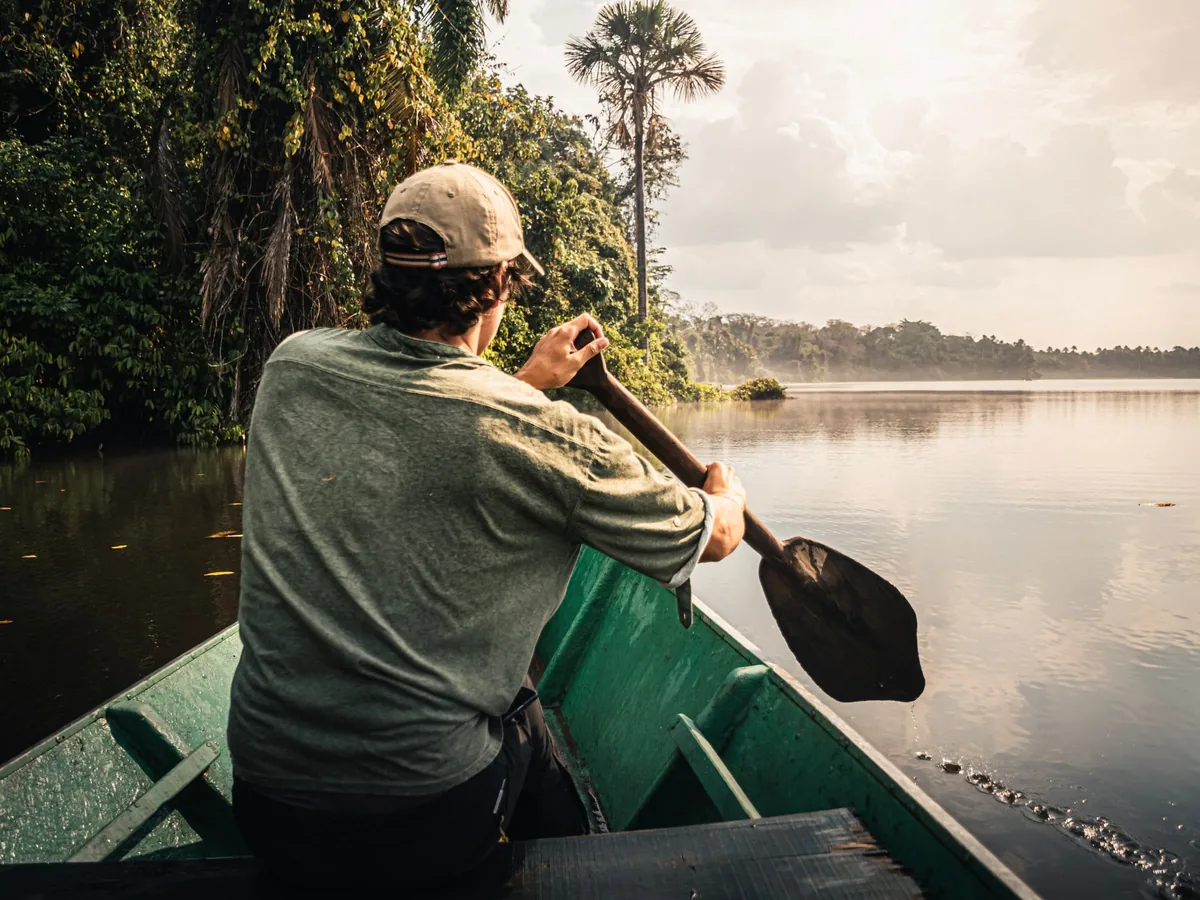
AT A GLANCE
What should I pack for Guyana?
Start with lightweight covering clothing, suitable footwear, rain protection, a small outing bag and protection for essential equipment. Confirm baggage rules and what your accommodation or guide supplies before adding more.
Build your list from the actual itinerary
Begin with the Guyana overview and the places in your proposed route. A trip based around forest walks may have different equipment priorities from one with repeated boat transfers, regional road days or a community-hosted stay. Use the Guyana trip-planning guide to identify the full activity periods and travel days before choosing a bag. Packing becomes easier when you know what you will actually do and what services are supplied at each base.
Ask the operator for a practical list tied to the itinerary rather than relying only on a general tropical packing checklist. Explain camera equipment, essential personal items and any specific comfort needs that could affect luggage. Distinguish necessities from items you would merely prefer to carry. A manageable bag should support the experience without making every flight, vehicle handover or boarding arrangement more complicated than it needs to be.
Check the most restrictive luggage arrangement first
Review the getting-there guide before deciding how much to pack. International baggage provisions may differ from those of the actual interior aircraft or another transport leg. Confirm weight, size and the treatment of hand luggage with the booked carrier or operator. Ask whether any additional baggage can be arranged and obtain confirmation before relying on it. Do not assume a general tourism example or a rule from another traveler applies to your service.
Choose a bag you can handle within the complete journey, including the last connection to accommodation. Ask whether a particular bag shape or packing arrangement is recommended for the proposed aircraft, vehicle or boat. If coastal storage is part of the plan, confirm the facility and collection arrangements before leaving belongings behind. Packing light should be a practical response to your itinerary, rather than an arbitrary limit copied from a different route.
Choose covering clothing and useful rain protection
Guyana Tourism’s practical travel tips recommend breathable covering clothing and compact rain protection. Build a small selection around the activities you expect to do, with comfortable trousers, long-sleeved tops and layers that you can use together. Avoid packing a separate outfit for every outing when the same practical pieces work across the journey. Ask the guide what clothing suits the actual forest, open-landscape and river activities in the proposal.
Use the best-time-to-visit guide to discuss regional seasonal patterns, but prepare for the conditions the operator describes rather than assuming a drier period means no rain. Consider how an extra dry change will be kept accessible when an outing ends. Clothing should allow the movement and comfort you need during walks or boarding. Explain any essential preference early so the itinerary and facilities can be considered alongside the items you plan to bring.
Match footwear to walks, boarding and rest
Ask about the surfaces, walking demands and boarding arrangements in the proposed activities before choosing footwear. Comfortable, suitable walking shoes and spare socks are practical starting points; a familiar pair is easier to judge than something bought solely for the trip. Use the Iwokrama guide and Rupununi guide to discuss the actual activities at each base. Do not infer that every forest walk, open-landscape outing and boat departure needs the same footwear.
Ask whether an alternative pair is useful for resting at the accommodation or for a specific activity, and whether the operator supplies any specialized equipment. Keep the list tied to what is confirmed. Explain mobility needs or concern about slippery or uneven surfaces before booking, rather than expecting shoes alone to resolve an access issue. The important decision is how the proposed activity works for you, with footwear that supports that agreed arrangement.
Organize a small bag for outings
Keep an outing bag sized for the things you need during the actual walk or boat excursion. Rain protection, drinking water, essential personal items and the equipment you will use should be accessible without repeatedly unpacking the main luggage. Ask what the guide supplies, how water is handled and whether meals or a longer outing require additional space. A general day-bag description does not determine the right load for every traveler or activity.
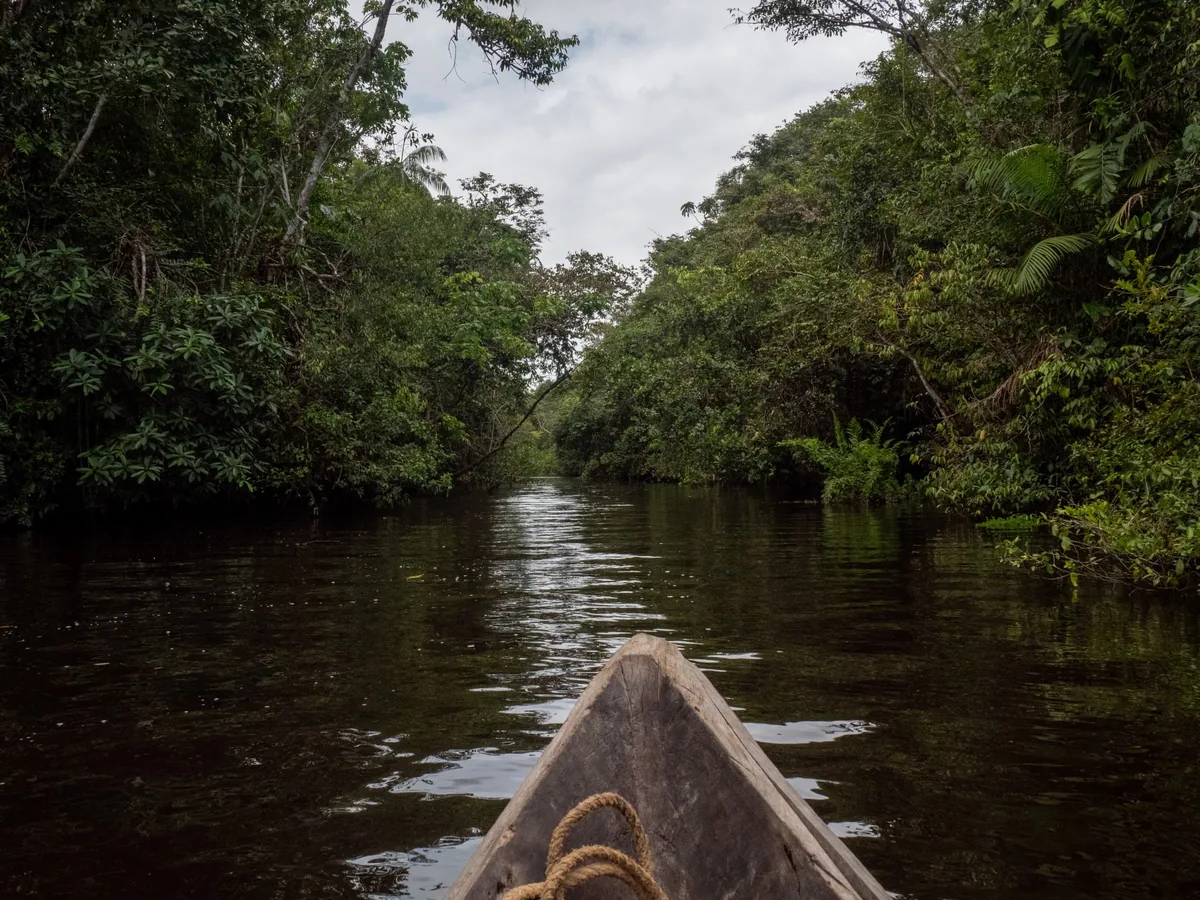
The river-journeys guide helps you ask about seating, storage and how bags are handled during boarding. Discuss how to protect items that need to remain dry and how much equipment you can keep comfortably with you. Avoid bringing so much that your bag interferes with moving, sitting or following the operator’s instructions. Keep the most important items easy to locate while accepting that the practical arrangement depends on the actual vessel and outing.
Carry observation equipment you will use
For birding or general nature observation, decide what you can comfortably carry and use throughout the planned activities. The wildlife guide helps you discuss whether your interest needs focused observation time, photography or a broad introduction. If you bring binoculars or a camera, think about how they are carried during walks and kept accessible without slowing every handover. Ask the guide what the proposed outing involves before adding heavy equipment to the list.
For dedicated photography, discuss lenses, supports and charging needs alongside baggage limits and the pace of the route. A larger kit is not automatically more useful when the itinerary cannot accommodate the way you want to work. Use suitable protection for wet conditions, and confirm practical storage with the operator rather than assuming that a room or vessel provides a particular facility. Bring equipment that fits the whole journey and the observation time actually included.
Confirm accommodation facilities and charging
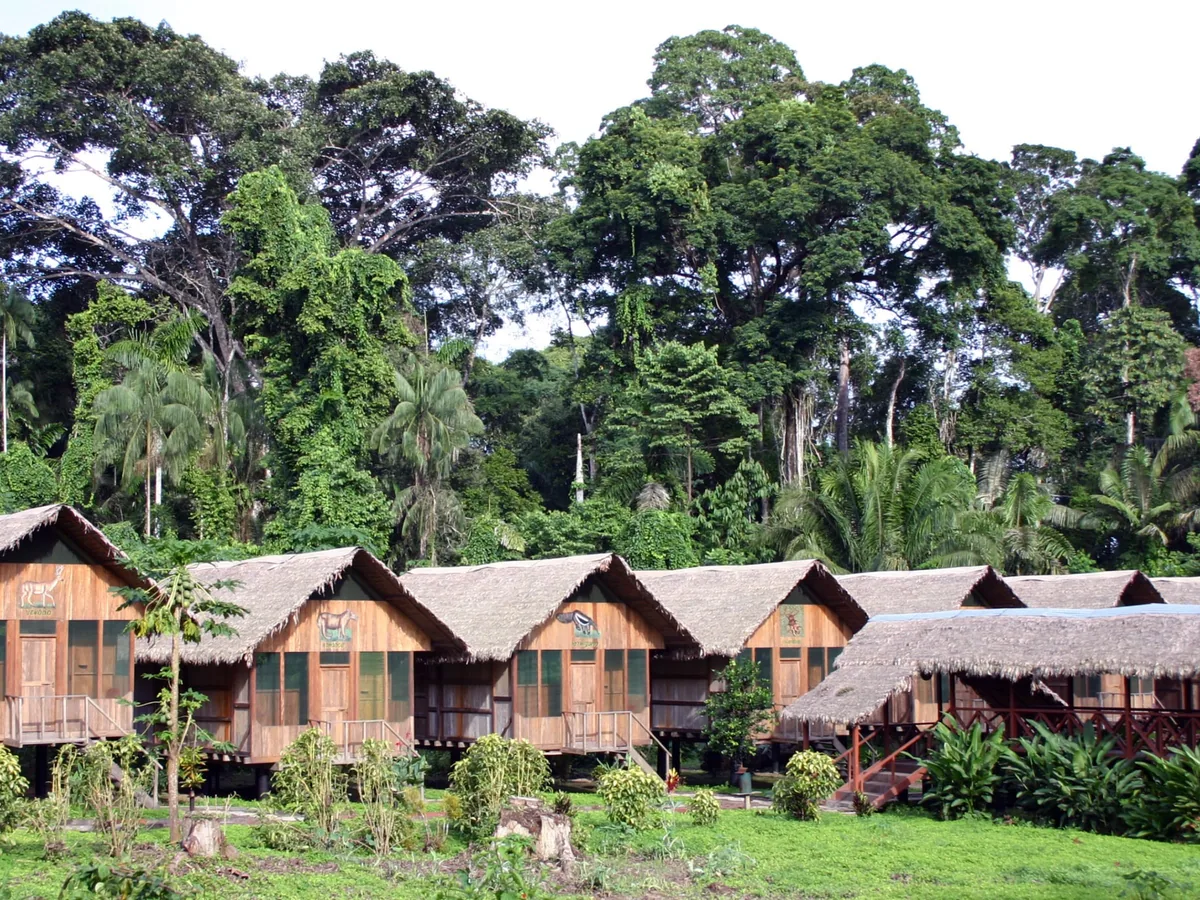
The rainforest-accommodation guide helps you identify the room facilities and daily arrangements that affect packing. Ask about charging opportunities, lighting and anything else important to your equipment or comfort. Do not assume continuous electricity, internet or a particular bathroom setup from the word lodge. Confirm what the named property supplies before duplicating it in your bag, and explain any item or facility that is essential to your stay.
A compact light may be useful where the actual accommodation or activities call for it; ask how it should be used in the proposed setting. Check the compatibility and carriage requirements of charging equipment with the relevant property and carrier, especially for batteries or power banks. Rules belong to the actual service and can differ. Keep essential instructions and contacts accessible without depending entirely on a continuous internet connection throughout the itinerary.
Prepare personal essentials and respect the hosts
Keep documents, booking details and essential personal items organized for the handovers described in your itinerary. Check current official entry requirements for your nationality and route separately; a packing list does not establish eligibility to travel. Seek any personal travel-health advice you need from an appropriate professional and check the rules for carrying your essential items. This guide does not prescribe treatment or a medical kit for individual travelers.
Use the community-stays guide to discuss practical needs, local expectations and any item you want to bring for a hosted activity. Avoid assuming that gifts, equipment donations or photography are expected or appropriate without asking. Pack for the agreed experience and respect the hosts’ choices about what they share. Explain essential dietary, mobility or other needs early so the hosts or operator can respond realistically rather than being surprised after arrival.
Make a final check against the agreed journey
Review clothing, footwear, rain protection, the outing bag, essential equipment and documentation against the actual itinerary. Ask which items you are expected to bring and which are supplied, then remove duplicates. Weigh and check luggage against the confirmed transport rules before departure. Keep a change in the route or carrier visible in your preparation, because it may affect the practical arrangement even when the overall purpose of the journey stays the same.
Share any unresolved question with the operator before finalizing the bag. Ask about storage, charging, access or essential items that cannot be managed through a generic checklist. Confirm the complete connection to your accommodation and the return so the packing plan fits both ends of the journey. The useful list is the one that lets you travel comfortably, handle your own equipment and spend attention on the landscape and activities rather than on unnecessary baggage.
Planning questions
Should I use my international baggage allowance as the packing limit?
No. Check every booked transport leg and pack to the actual confirmed requirements, especially if an interior aircraft is involved.
Do I need the same footwear for every activity?
Ask about the actual walks, boarding and accommodation. Choose footwear that suits the confirmed activities rather than assuming one setup works for every route.
Can I assume my lodge has continuous charging?
No. Confirm electricity, charging opportunities and equipment compatibility at the named property before relying on them.
Does a drier season mean I can leave rain protection behind?
Do not use a seasonal label as a forecast. Discuss the actual conditions and activities with the operator before finalizing your packing list.
Pack for the journey you are actually taking
Tell us your route, interests and essential equipment so we can discuss practical preparation alongside your Guyana itinerary.
Share your plansExplore the Guyana guides
Sources & scope
Planning information reviewed October 8, 2026. Accommodation, activities, availability and transport require confirmation in an individual proposal. Guyana is part of the Guiana Shield; these guides do not classify all its rivers as Amazon-basin rivers.