
GUYANA RAINFOREST
Rupununi: rivers, savannah and community stays
Choose contrasting landscapes with time to observe, clear transfers and an overnight base that serves your interests.
Plan this journey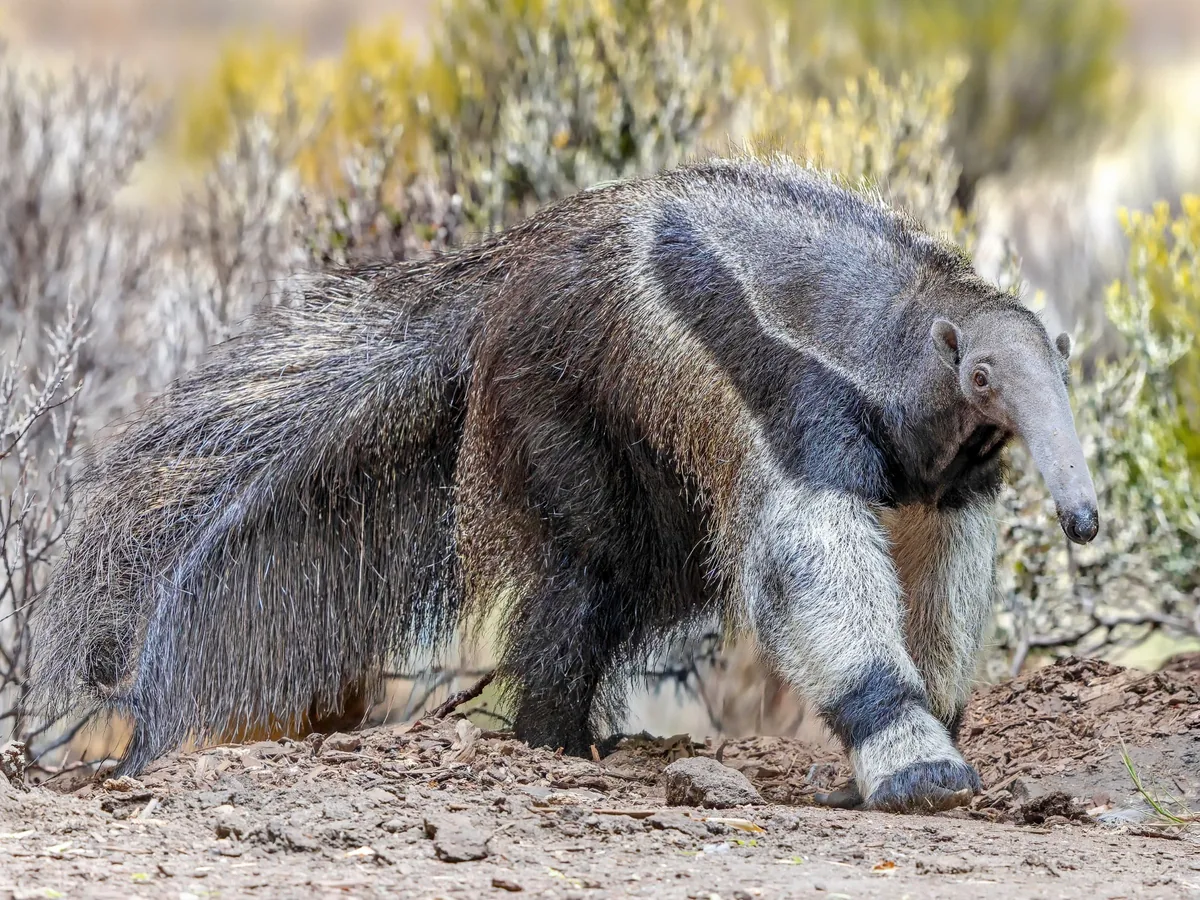
AT A GLANCE
How should I plan a Rupununi stay?
Choose the overnight base and habitat first, then compare transfers, included guiding and full activity days. Add another base when it brings a meaningful difference.
Choose the Rupununi for landscape variety
The Rupununi adds savannah, wetland, river and forest settings to a Guyana itinerary. Visit Rupununi, the regional tourism organization, presents it through community experiences and nature-based travel rather than as one uniform destination. Begin by deciding what you want to spend time doing. Birdwatching across contrasting habitats, river observation and a community-hosted stay can lead to quite different routes and accommodation choices.
Use the Guyana overview to place the region within your wider journey. The Rupununi should have a clear role in the itinerary: a principal stay, a contrast to Iwokrama or a slower community experience. Avoid adding it only because the name appears on a country highlights list. Ask which landscape you will actually explore from each overnight base, and how much time remains after the transfers.
Compare northern and southern routes by actual bases
A reference to the Rupununi is too broad to identify an overnight setting or an activity plan. Ask which community, lodge or ranch hosts each night and how you travel between them. Visit Rupununi distinguishes northern community-tourism options from a southern circuit. The useful comparison is the proposed connection and the experience at the base, rather than assuming that all regional stops offer the same scenery or guiding.
List the priority activity beside the place where you sleep. That makes it easier to see whether your time is divided sensibly between moving and exploring. For a combined route, request a day-by-day outline with approximate activity windows and an explanation of travel-day flexibility. Do not translate a small distance on a map into a promised transfer time without confirmation of the route and current conditions.
Look at community-hosted accommodation choices
Visit Rupununi identifies Rewa, Surama and Caiman House at Yupukari among its northern community-tourism options. These names are useful starting points for research, not interchangeable room products. Ask who manages the stay, which activities are arranged locally and how meals, guiding and transfers fit together. A photograph or a general description of community tourism does not confirm a particular room or the availability for your dates.
Our community-stays guide explains how to discuss the hosting arrangement respectfully. Compare the kind of experience you want, the comfort you need and the number of nights that supports it. Explain dietary or mobility needs before choosing a base. If the proposal names several communities, ask what each stay contributes and whether changing accommodation improves the journey enough to justify another transfer.
Make river and wetland outings purposeful
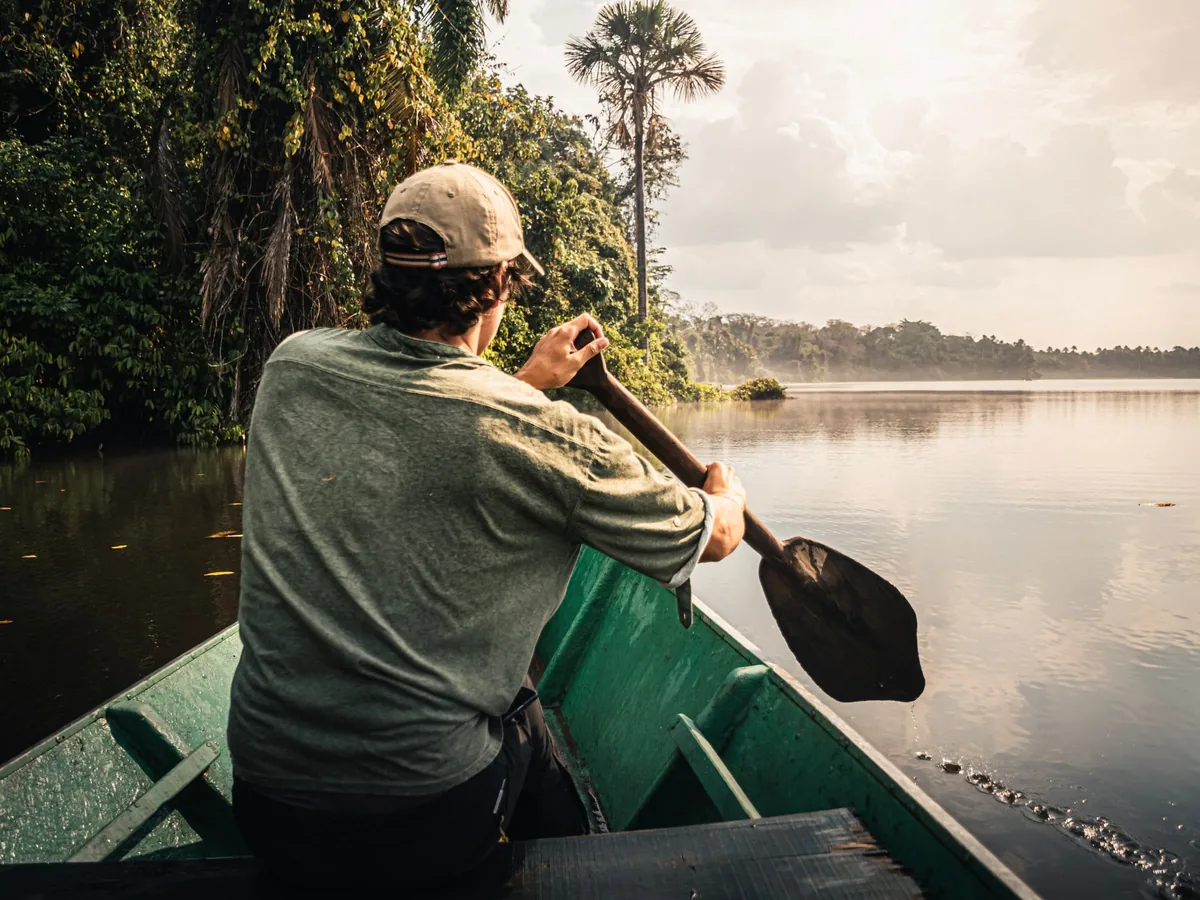
River and wetland settings can support a different pace from a forest walk or a savannah excursion. Ask whether a boat outing is primarily observation, a connection to another site or part of a longer travel day. Confirm the guide, boarding arrangement, seating and how equipment is protected. The activity name alone does not explain whether there will be time for quiet watching or whether the boat is mainly transport.
Tell the planner whether birds, landscapes or mammals are your main interest. Wildlife cannot be scheduled, and a photograph of an otter is not a promise that your outing will find one. Ask how the guide manages viewing distances and what adjustments are possible when conditions change. Choose time in suitable habitat over a proposal that emphasizes a long list of expected sightings. Use the rainforest-accommodation guide to compare room facilities and included services at the proposed base.
Compare savannah and forest time honestly
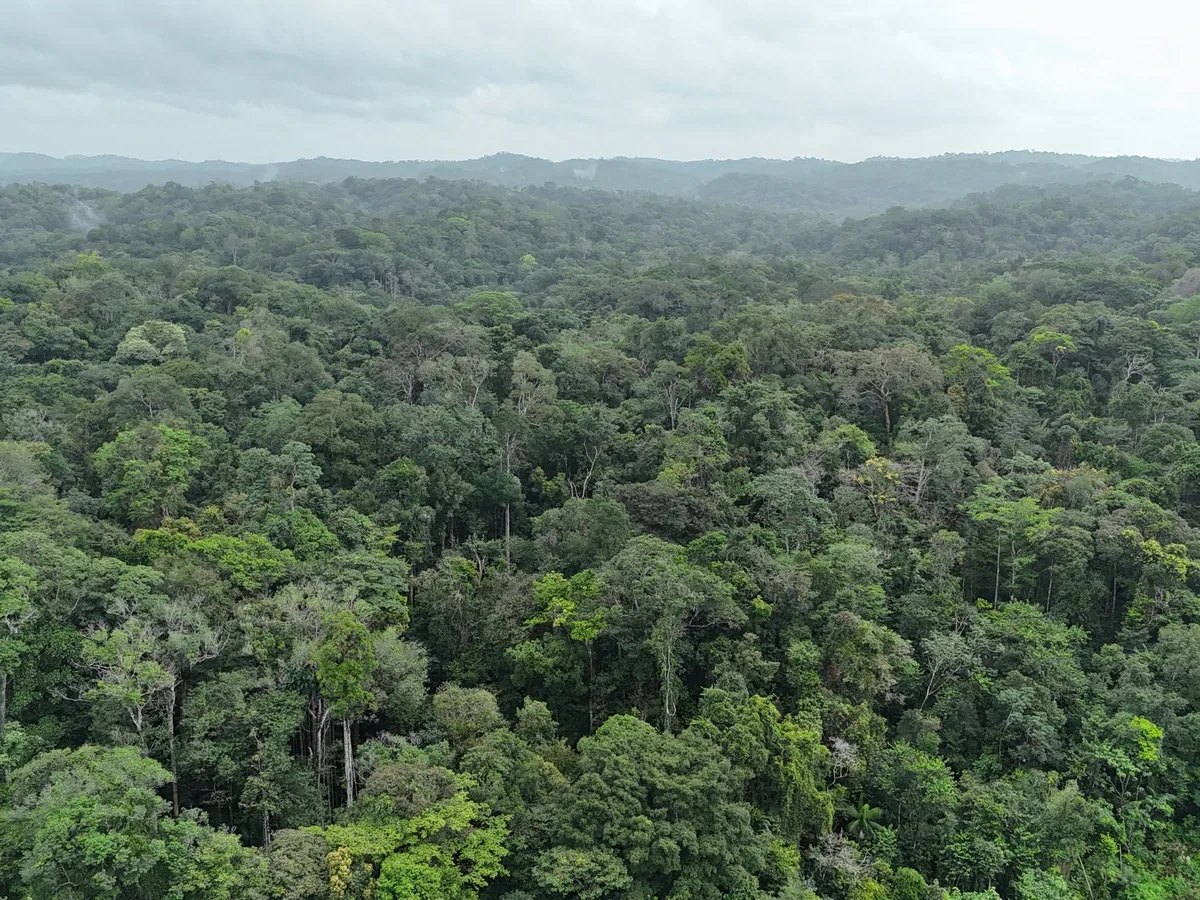
An open-landscape day and a shaded forest day have different rhythms. Ask the guide what the proposed outing involves, including walking, vehicle time, sun exposure and breaks. Describe your interests and comfort with longer outdoor periods. A route can offer contrast without requiring every traveler to take part in the most demanding activity, provided the alternatives are discussed before booking.
For birding or photography, the variety of habitats may matter more than adding another lodge. Request enough time at the chosen sites for patient observation. If you combine the region with a forest stay, use the Iwokrama guide to compare the setting and activities rather than treating the two regions as duplicates. The best balance depends on the experience you want, not on a fixed number of stops.
Arrange coastal and interior connections together
The regional stay needs a complete connection from your coastal arrival. Use the Georgetown gateway guide to identify the airports, transit nights and luggage arrangements before the interior segment. Guyana Tourism describes air, road and river options for travel within the country. Ask which combination serves the proposed base, where you are met and who communicates changes on the travel day.
Review the return at the same time as the outbound journey. Confirm where the last regional transfer ends and what margin separates it from your international departure. If aircraft are part of the route, obtain the carrier’s baggage rules rather than assuming that all services allow the same load. A good transfer plan identifies the final leg to accommodation as clearly as the main flight or drive. The getting-there guide helps you review airports, handovers and the complete connection to your base.
Choose dates around regional conditions
Use the proposed route and activities to discuss travel dates. Rain, road conditions and river levels can affect different parts of a journey in different ways. Ask the operator which connections are most sensitive to changes and what alternatives are realistic. A general dry-season label cannot replace current advice about the particular road, waterway and accommodation you plan to use.
Keep some flexibility in the daily activity schedule while making responsibility for transfers clear. Ask which services can be rearranged locally and which require a firm departure. Discuss clothing, footwear, drinking water and equipment protection with the people running the actual outings. Avoid treating an old itinerary or another traveler’s experience as a forecast of the conditions your group will encounter. The river-journeys guide helps you distinguish a boat transfer from an observation outing.
Understand conservation and visitor behavior
Both Visit Rupununi and Guyana Tourism connect regional travel with local conservation initiatives. Ask what your proposed experience involves and how the hosts or guides describe its purpose. A conservation label should be backed by an understandable activity and arrangement, not used to imply that every visitor automatically participates in research or contributes a specified amount to a project.
Follow local guidance on wildlife distance, photography and access. Do not feed or handle animals for a photograph, and respect any area that is closed to visitors. If a proposal includes a conservation-related outing, ask what guests can appropriately do and what remains the work of trained local staff. A respectful visit supports the hosts’ priorities without demanding a performance or special wildlife encounter. Use the best-time-to-visit guide to compare coastal and interior seasonal guidance with your proposed route.
Build a regional stay with useful time
Start with one base that suits your priorities and add another only when it brings a meaningful difference. Count the full mornings and afternoons available after travel, meals and rest. Use the Guyana trip-planning guide to compare a focused stay with a more varied route. Ask for lodging, guiding, meals, transfers and optional charges to be identified before comparing the totals.
Share your dates, guest count, preferred comfort and whether the Rupununi is your main destination or part of a wider forest journey. Include the habitats and activities that matter most, plus any firm onward-flight commitment. A useful proposal explains how the chosen bases connect while preserving time to enjoy them. Availability and the services included must be confirmed in writing before payment. The wildlife guide explains how habitat, local guiding and observation time support realistic expectations. Use the packing guide to match clothing and essential equipment to the confirmed activities and transport rules.
Planning questions
Is the Rupununi only a savannah destination?
No. Compare the actual base and outing locations: regional tourism includes savannah, river, wetland and forest settings.
Which community stays should I compare?
Rewa, Surama and Caiman House at Yupukari appear in the regional tourism listing. Ask for current services and availability rather than treating them as interchangeable.
Can you guarantee giant otter sightings?
No. Choose a suitable habitat, local guiding and time for observation. Wildlife behavior and conditions vary.
How many bases should I include?
Begin with one principal base. Add another only when it supports a distinct interest and leaves useful time after transfers.
Give the Rupununi room in your journey
Tell us your dates, group size, main interests and preferred comfort so we can discuss an appropriate Guyana itinerary.
Share your plansExplore the Guyana guides
Sources & scope
Planning information reviewed October 8, 2026. Accommodation, activities, availability and transport require confirmation in an individual proposal. Guyana is part of the Guiana Shield; these guides do not classify all its rivers as Amazon-basin rivers.