
GUYANA RAINFOREST
Plan your Guyana rainforest trip
Turn your rainforest priorities into a route with clear transfers, meaningful time at each base and realistic daily pacing.
Plan this journey
AT A GLANCE
Where should I start?
Choose your principal landscape and overnight base first, then confirm connections, usable activity time and comfort. Guyana forest and Rupununi routes need different practical arrangements.
Define the experience before choosing the route
Write down your two or three strongest interests before comparing a Guyana itinerary. Forest walks, birdwatching, river journeys and a community stay can all be worthwhile, but they do not require the same base or daily pace. Explain whether you prefer repeated outings from one comfortable lodge or moving between contrasting landscapes. This gives a planner a useful brief instead of a list of place names without priorities.
The Guyana overview introduces the difference between forest and Rupununi travel settings. Use it to decide which landscape should anchor the journey. If photography is central, mention your preferred subjects, equipment and patience for long observation periods. For a family or mixed-interest group, describe who enjoys early starts, longer walks and boat outings so that the proposed day works for everyone.
Map every connection from arrival to departure
A complete plan names each airport, road transfer, boat leg and overnight stop. Guyana Tourism describes domestic air services through Eugene F. Correia International Airport, but the actual carrier, flight and destination need confirmation for your dates. Ask how you move from the international arrival to your first night and then onward to the interior. Do not treat a domestic flight label as an entire transfer arrangement.
Apply the same method to the return journey. Identify who meets you, where luggage is collected and what buffer separates the interior transfer from an international departure. Ask who is responsible for a missed connection and which changes carry additional costs. A clear transfer plan should remain understandable to a traveler arriving tired, without relying on an informal assumption that somebody will be waiting. The Georgetown gateway guide helps review these connections before confirming the journey.
Compare air and overland travel realistically
Air travel can reduce time spent on the ground, while overland travel may offer a different experience of the route. Compare the full connection rather than the headline flight or drive time: airport transfers, check-in, pickup at the airstrip and the final leg to accommodation all count. Guyana Tourism notes that roads into the interior can be challenging in wet conditions. Confirm the proposed vehicle and current route suitability.
For any small-aircraft segment, get the carrier’s baggage allowance and excess-luggage arrangement in writing. Camera equipment and a large suitcase can change what is practical. Ask whether weight limits apply to checked luggage alone or the combined load, and what happens if extra space is unavailable. Packing decisions should follow the actual transport agreement, not a general internet allowance applied to every flight.
Allocate nights to usable activity time
Count full mornings and afternoons at each base rather than counting destination names. An arrival after a long transfer may leave little time for an outing, and an early departure can remove the final morning. Ask the planner to show approximate activity windows around each connection. This reveals whether a two-night stop genuinely supports your priorities or is mainly a place to sleep between transfers.
Keep the first interior day realistic, particularly if you have an early start or several transport changes. A quieter arrival followed by a full day may be more rewarding than forcing an outing into every available hour. For specialist birding or photography, discuss repeat opportunities and unhurried observation. The route should support the experience rather than make the traveler rush to satisfy a printed schedule. The Rupununi guide helps compare landscapes and regional bases. Use the rainforest-accommodation guide to compare room facilities and included services at the proposed base.
Separate accommodation comfort from activity access
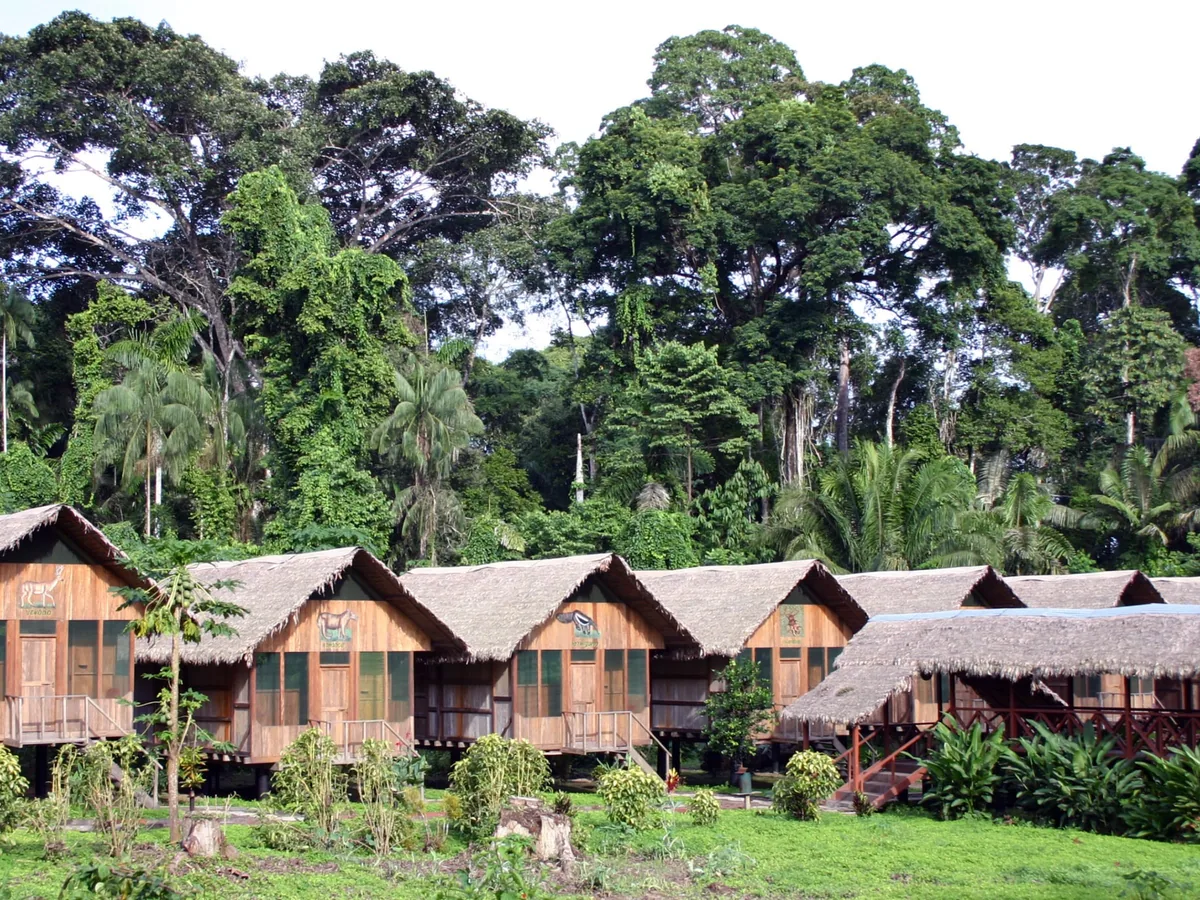
List the comfort details that affect your enjoyment: bathroom arrangements, ventilation, charging availability, walking distance and meal provision. Then ask how the base connects to the outings you want. A room can look appealing while requiring a substantial transfer to the activity you imagined was nearby. Compare the accommodation name, overnight setting and guide arrangement together before deciding between proposals.
Explain medical, mobility or dietary requirements privately before confirming the itinerary. Ask what the property can actually provide and what must be brought with you. Charging schedules can matter for phones, camera batteries and equipment, while communication arrangements matter for keeping in touch. A useful response describes the practical facility and its limits, rather than offering a vague assurance that everything will be fine. The Iwokrama guide shows how to connect accommodation choices with forest activities.
Check inclusions and optional costs line by line
Request an itemized proposal showing accommodation, meals, drinking water, guide services, transport and any activity charges. Ask whether airport transfers, domestic flights and transfers between forest facilities are included or separately priced. Confirm the basis of the quote, such as a private group or a shared departure, and how the price changes if the number of travelers changes.
Keep optional activities and personal expenses visible. Ask for payment deadlines, cancellation terms and the procedure if weather changes a planned connection. Do not compare totals until you understand what each proposal includes. Our inquiry form gathers your initial priorities; it does not reserve accommodation, confirm availability or create a paid booking. Those details belong in the subsequent written proposal and confirmation. The getting-there guide helps you review airports, handovers and the complete connection to your base.
Arrange community experiences with the hosts
If a community stay or visit is important, explain what you hope to learn and ask how the experience is arranged. Confirm the hosts, local guide and activities agreed for your visit. Photography and participation should follow the hosts’ preferences. Build time for conversation without expecting residents to perform a fixed program or accommodate an unannounced arrival.
Ask how the visit contributes to those providing it and whether the same community manages the accommodation or guiding. Respect any restrictions on access and photographs. If you want to buy crafts, discuss suitable opportunities without making purchases a condition of the interaction. A careful arrangement values the hosts’ choices and makes the expectations clear before you arrive. Use the community-stays guide to review hosting arrangements and practical needs. The river-journeys guide helps you distinguish a boat transfer from an observation outing.
Make a regional weather and equipment plan
Discuss dates in relation to the coast, forest interior and savannah portions of your route. Guyana Tourism’s seasonal guidance distinguishes the coast from the interior; it should be a starting point for questions, not a guarantee about your travel day. Ask which transfers or outings are most sensitive to rain and what alternative arrangement is available if conditions change.
Prepare breathable clothing, rain protection, appropriate footwear and a way to keep equipment dry. Confirm luggage restrictions before purchasing bags or packing heavy camera gear. Ask about drinking water, charging opportunities and the equipment supplied for activities. Health and entry requirements should be checked with the relevant current official sources and a qualified travel-health professional for your circumstances, rather than inferred from a general packing list. Use the best-time-to-visit guide to compare coastal and interior seasonal guidance with your proposed route.
Send a brief that produces a useful proposal
Share your dates, guest count, main interests, preferred comfort and the amount of time available after international travel. Include any firm commitments, such as an onward flight, and distinguish essential activities from preferences. Describe whether you want one base or a route with contrasting landscapes. A clear brief allows the planner to explain a sensible sequence and identify information still needed from you.
Return to the Guyana overview when comparing landscape options, and use the Peru overview or Colombia overview if you are still choosing between countries. Ask for a proposal with overnight locations and connections visible on each day. Once you have it, review pacing and inclusions before payment. The aim is a journey with enough time to appreciate the place, not the greatest possible number of stops. The wildlife guide explains how habitat, local guiding and observation time support realistic expectations. Use the packing guide to match clothing and essential equipment to the confirmed activities and transport rules.
Planning questions
Is Guyana part of the Amazon River basin?
Guyana is part of the Guiana Shield. Its rainforest complements our wider Amazon-country collection, but a Guyana itinerary should not imply that every river belongs to the Amazon River basin.
Should I choose one base or several?
Choose one principal base when time is limited. Add another landscape when the connection serves a clear interest and still leaves meaningful activity time.
Are flights and lodge transfers included?
Inclusions depend on the proposal. Confirm domestic flights, airport transfers, ground or river connections, accommodation and guide services separately.
Can you guarantee wildlife sightings?
No. Plan by habitat, guide knowledge and observation time; wildlife behavior and conditions vary.
Shape a journey around your interests
Tell us your dates, group size, landscape interests and preferred comfort so we can discuss a practical Guyana route.
Share your plansExplore the Guyana guides
Sources & scope
Planning information reviewed October 8, 2026. Accommodation, activities, availability and transport require confirmation in an individual proposal. Guyana is part of the Guiana Shield; these guides do not classify all its rivers as Amazon-basin rivers.