
GUYANA RAINFOREST
Iwokrama: forest, river and canopy
Choose a forest stay by its overnight setting, guided experiences and the time you want to spend observing.
Plan this journey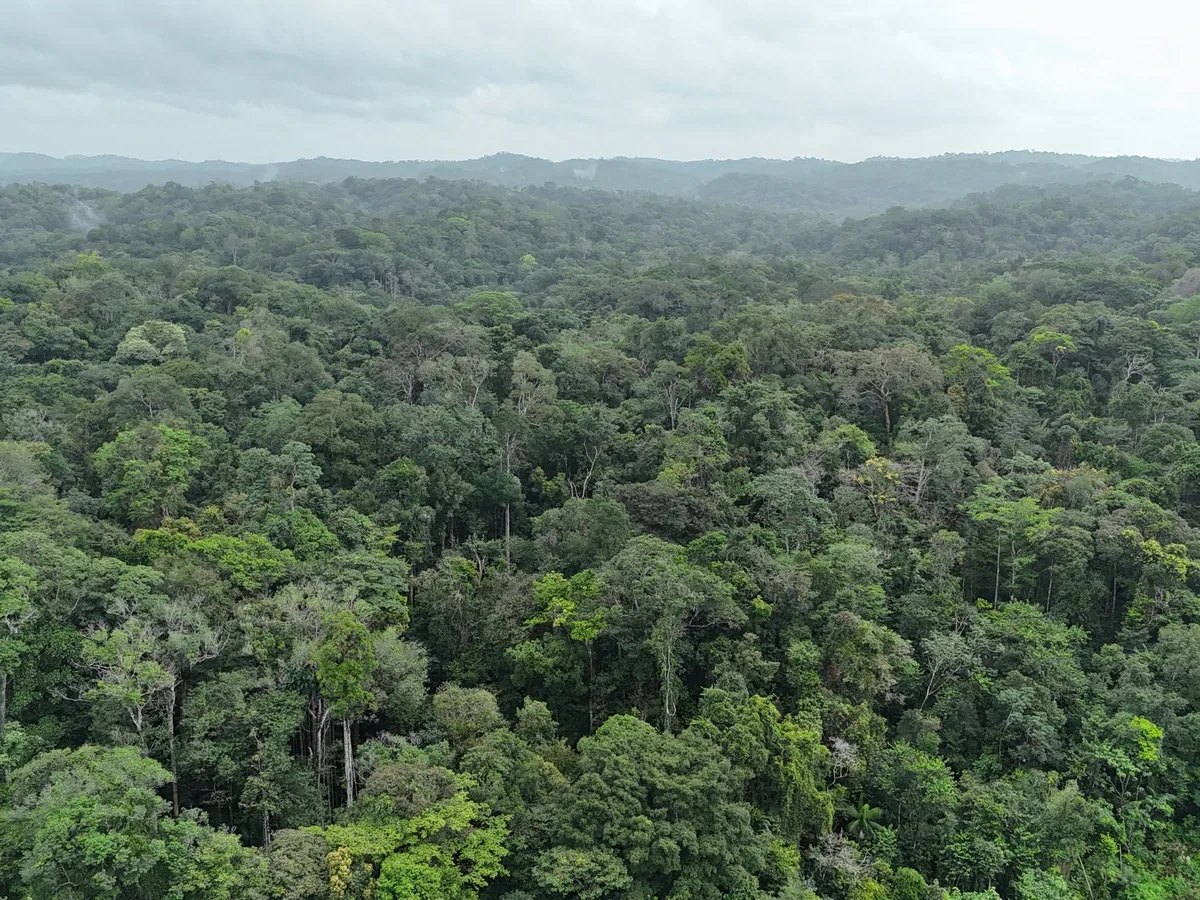
AT A GLANCE
Which Iwokrama base should I choose?
Compare the river lodge setting with the Atta canopy base. Ask where you sleep, which outings are included and how you travel between visitor settings.
Decide which Iwokrama experience you want
Iwokrama offers a forest-centered option within Guyana’s wider rainforest travel landscape. The International Centre combines conservation, research and tourism roles, while its visitor experiences include river and forest settings. Start with the activities that matter to you: time on the river, guided forest walks or an elevated canopy perspective. The name Iwokrama alone does not tell you which overnight base or transfer arrangement supports those interests.
Use the Guyana overview to understand the wider route choices. A focused forest stay may suit travelers who want repeated outings and an unhurried rhythm. Combining it with another landscape can add variety, but only when the connection leaves useful activity time. Ask the planner to describe where each day begins and ends before judging a package by its list of attractions.
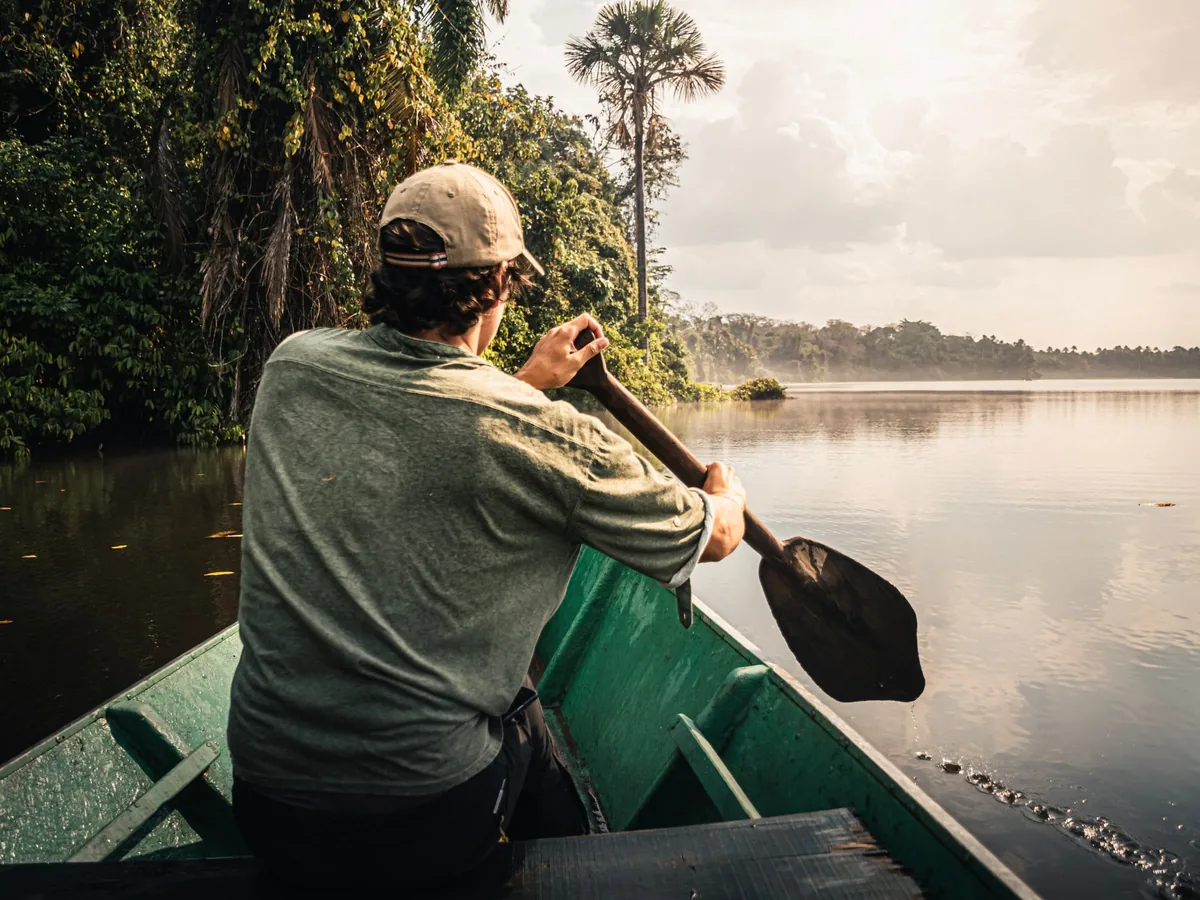
Distinguish the river lodge from the canopy base
Iwokrama River Lodge describes its setting on the Essequibo River. The International Centre’s tourism information identifies the canopy walkway with Atta Rainforest Lodge. Treat these as distinct visitor settings when reading a proposal. Do not assume that a room at one base means the other experience is immediately outside your door, or that every activity and transfer is included in the room rate.
Ask for the accommodation name, the location of the proposed outings and the connection between them. Compare a stay built around one base with a route that changes accommodation. The difference affects packing, travel time and the rhythm of the day. A clear plan should identify which services are arranged by the lodge and which are supplied by another operator.
Make river outings part of the experience
The river setting can offer a different perspective from walking inside the forest. Ask how a proposed boat outing is organized, where it begins and what its purpose is: landscape observation, birdwatching or a connection to another activity. Confirm the guiding, seating and equipment arrangement for your group. A river trip should be more than a label added to make an itinerary look fuller.
Discuss comfort and mobility before the route is agreed. Ask how boarding works and how your camera or other equipment can be kept dry. Observation is shaped by conditions and animal behavior, so leave room for quiet watching without treating a particular species as a promised result. The guide should explain appropriate distance and behavior rather than using close approaches to create a photograph.
Understand Turtle Mountain before committing
The river lodge presents Turtle Mountain as a forest excursion with a summit perspective. Before choosing it, ask about the current trail conditions, the approach, the walking demands and the time needed for your group. A viewpoint photograph does not explain the climb, footing or heat. Describe your fitness and mobility honestly so that the proposed outing suits the people taking part.
Confirm whether the excursion is included, optional or dependent on conditions. Ask what the alternative day would look like if the group decides not to climb. A good plan can still offer a rewarding forest experience without making every traveler attempt the same activity. Avoid relying on another visitor’s recorded walking time as a promise for your own group. The Rupununi guide helps compare landscapes and regional bases. Use the rainforest-accommodation guide to compare room facilities and included services at the proposed base.
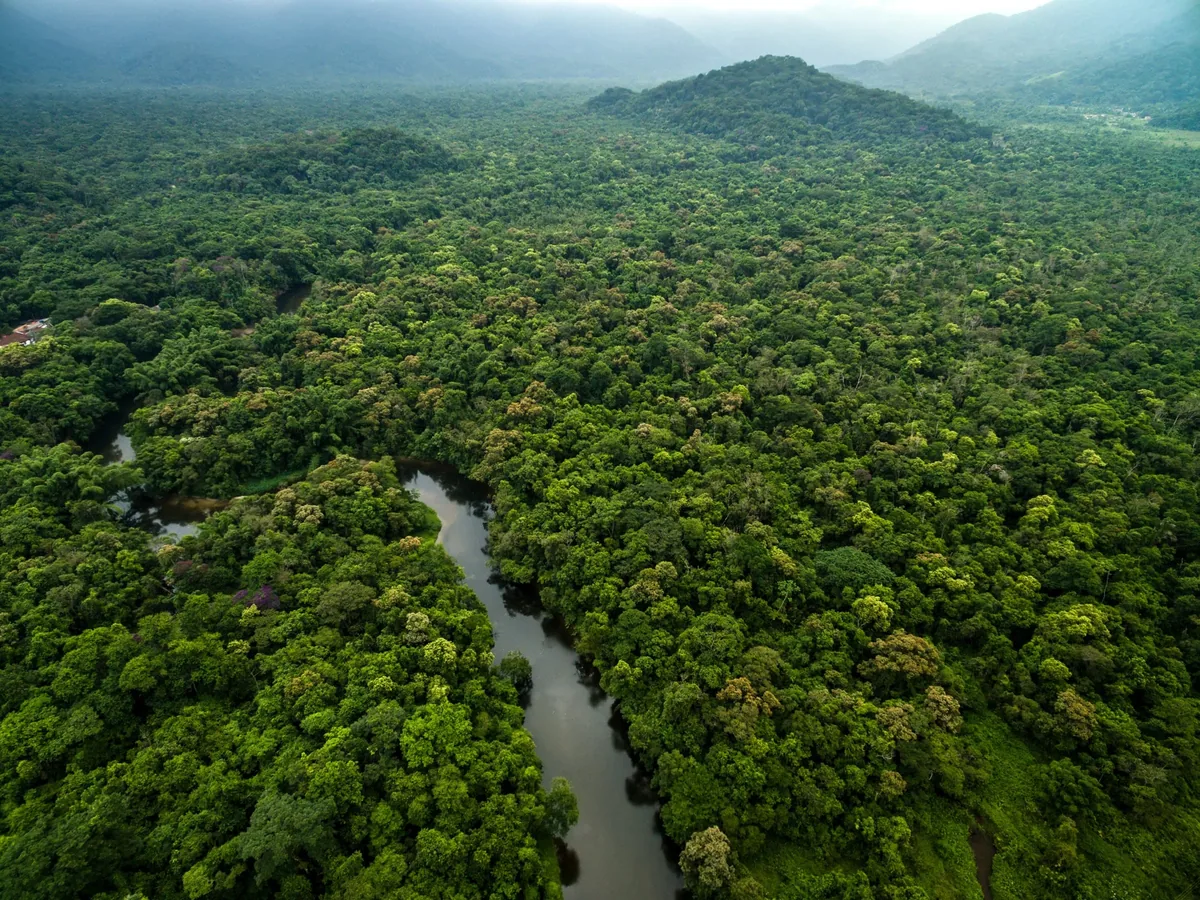
Choose canopy time for observation
An elevated walkway offers another way to appreciate forest structure and look across the canopy. Discuss access, comfort with heights and the guiding arrangement before adding it to the itinerary. Ask whether a transfer is needed from your accommodation and how much time is available at the activity itself. Travel to a walkway and patient observation there should both be visible in the daily plan.
For birdwatching or photography, explain whether you want a general introduction or a more focused outing. Conditions and sightings vary, so the value of the visit rests in the habitat, guide knowledge and time spent observing. Ask about any equipment restrictions and how the activity is managed for a mixed-interest group. Keep the experience distinct from a guarantee of seeing a named bird or mammal.
Match the lodge to practical needs
Compare the overnight facilities with your daily priorities. Ask about bathroom arrangements, ventilation, electricity, charging and the distance between your room and the meeting point for outings. If you need to charge several camera batteries, confirm the schedule rather than assuming power is available throughout the night. Explain any mobility, dietary or sleep requirements before the booking is confirmed.
Request a clear description of meals, drinking water and guide services. The river lodge’s official information establishes its setting, but availability and the room category for your dates require a current proposal. Photographs used to illustrate a forest travel style are not proof of a specific room or view. Judge the accommodation together with its location, outing access and the people providing the experience. The getting-there guide helps you review airports, handovers and the complete connection to your base.
Connect the forest stay with Georgetown
The coastal-to-interior connection deserves as much attention as the forest activities. Use the Georgetown gateway guide to identify airports, hotel nights and transfer arrangements. Ask where the Iwokrama segment begins and who meets you at the agreed arrival point. A flight or road label is incomplete without the final connection to accommodation and a contact for travel-day changes.
Discuss road and river conditions for the travel period and confirm baggage requirements for any aircraft segment. On departure, allow the planner to explain the return sequence and the buffer before an international flight. Avoid spending the last forest day concerned about an uncertain pickup. A workable connection protects the time you have chosen to spend observing the forest. Use the community-stays guide to review hosting arrangements and practical needs. The river-journeys guide helps you distinguish a boat transfer from an observation outing.
Balance wildlife interests with responsible behavior
Tell the guide which habitats and subjects interest you while accepting that wildlife cannot be scheduled. A patient walk, time beside the river and a canopy outing may support different forms of observation. Ask how the days can be adjusted within the agreed activity plan when conditions change. Repeated opportunities at one base can be more rewarding than a rushed list of sightings to collect.
Follow instructions about distance, lights, noise and movement. Do not feed or handle wildlife to improve a photograph, and ask before using specialist lighting equipment. Respect the conservation and research role of the landscape as well as the visitor experience. For a mixed-interest group, include suitable breaks and agree how focused outings fit with the comfort of everyone participating. Use the best-time-to-visit guide to compare coastal and interior seasonal guidance with your proposed route.
Review the forest proposal as a complete stay
Request an itinerary identifying the overnight base, included guided activities, transfers between visitor settings, meals and optional charges. Ask whether the river lodge and canopy experiences are combined in one package or arranged separately. Check availability and cancellation terms for the actual services rather than assuming an old published package remains bookable. Your inquiry helps shape a proposal but does not reserve a room.
Share your dates, guest count, preferred pace and the experiences that matter most. Use the Guyana trip-planning guide to compare nights and usable activity time, and the Georgetown gateway guide to check the connections. A strong Iwokrama journey gives the forest room in the schedule, with clear expectations about comfort, guiding and what is confirmed before departure. The wildlife guide explains how habitat, local guiding and observation time support realistic expectations. Use the packing guide to match clothing and essential equipment to the confirmed activities and transport rules.
Planning questions
Are the river lodge and canopy base the same setting?
No. Ask for the accommodation name and transfers connecting the proposed river and canopy experiences.
Is Turtle Mountain suitable for everyone?
Confirm current trail demands, conditions and an alternative activity with the operator before choosing the excursion.
Can you guarantee jaguar sightings?
No. Choose activities by habitat, guide knowledge and observation time. Wildlife behavior and conditions vary.
What should an Iwokrama quote include?
Review overnight accommodation, meals, guides, activities, transfers between visitor settings and optional charges together.
Plan a forest stay with time to observe
Share your dates, flight arrangements, preferred comfort and main interests so we can discuss a practical Guyana route.
Share your plansExplore the Guyana guides
Sources & scope
Planning information reviewed October 8, 2026. Accommodation, activities, availability and transport require confirmation in an individual proposal. Guyana is part of the Guiana Shield; these guides do not classify all its rivers as Amazon-basin rivers.