
GUYANA RAINFOREST
Plan a river journey in Guyana
Let the river be part of the experience, with a clear purpose for each outing and time to observe.
Plan this journey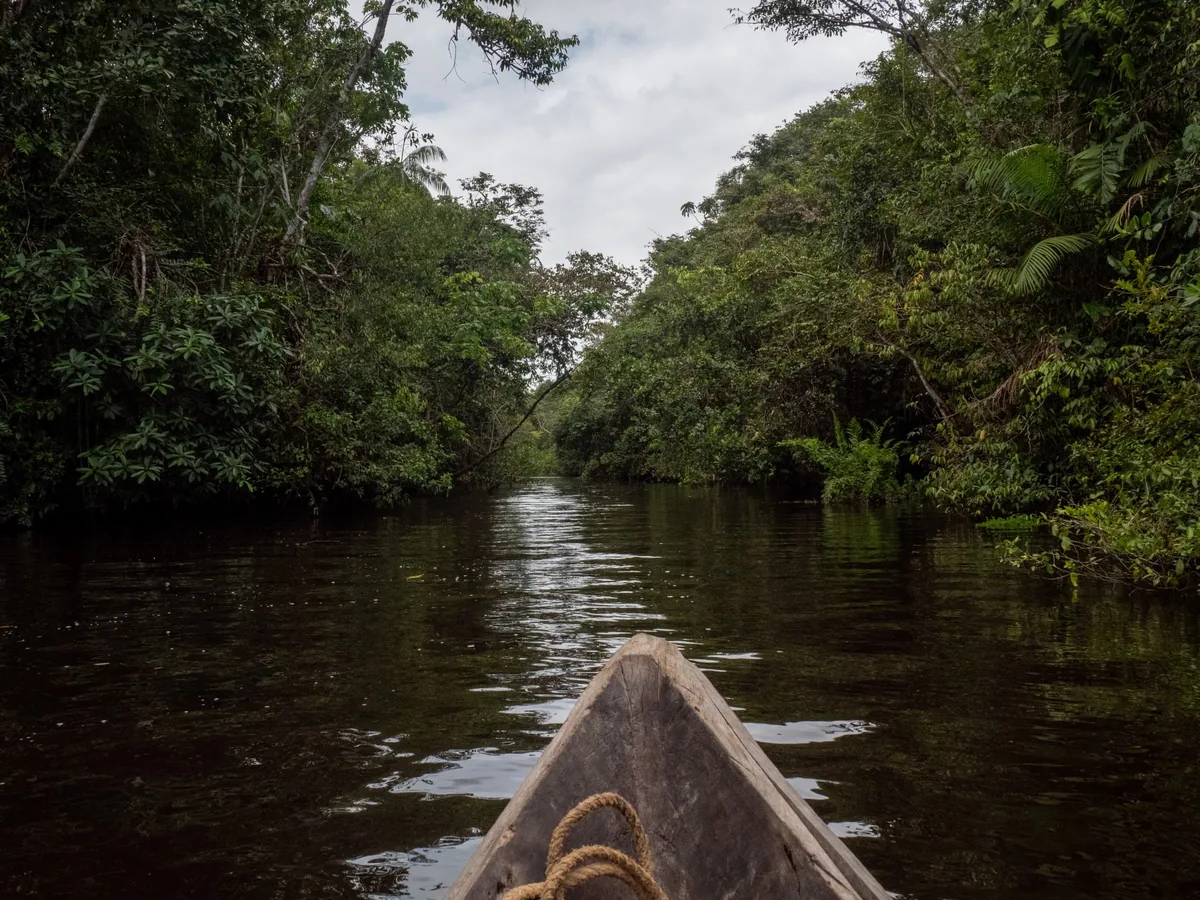
AT A GLANCE
What should I confirm for a river outing?
Identify the waterway, departure base, purpose of the trip, boat and guide arrangements, return connection and alternatives for changing conditions. Distinguish an excursion from a transfer.
Choose a waterway and a reason to travel
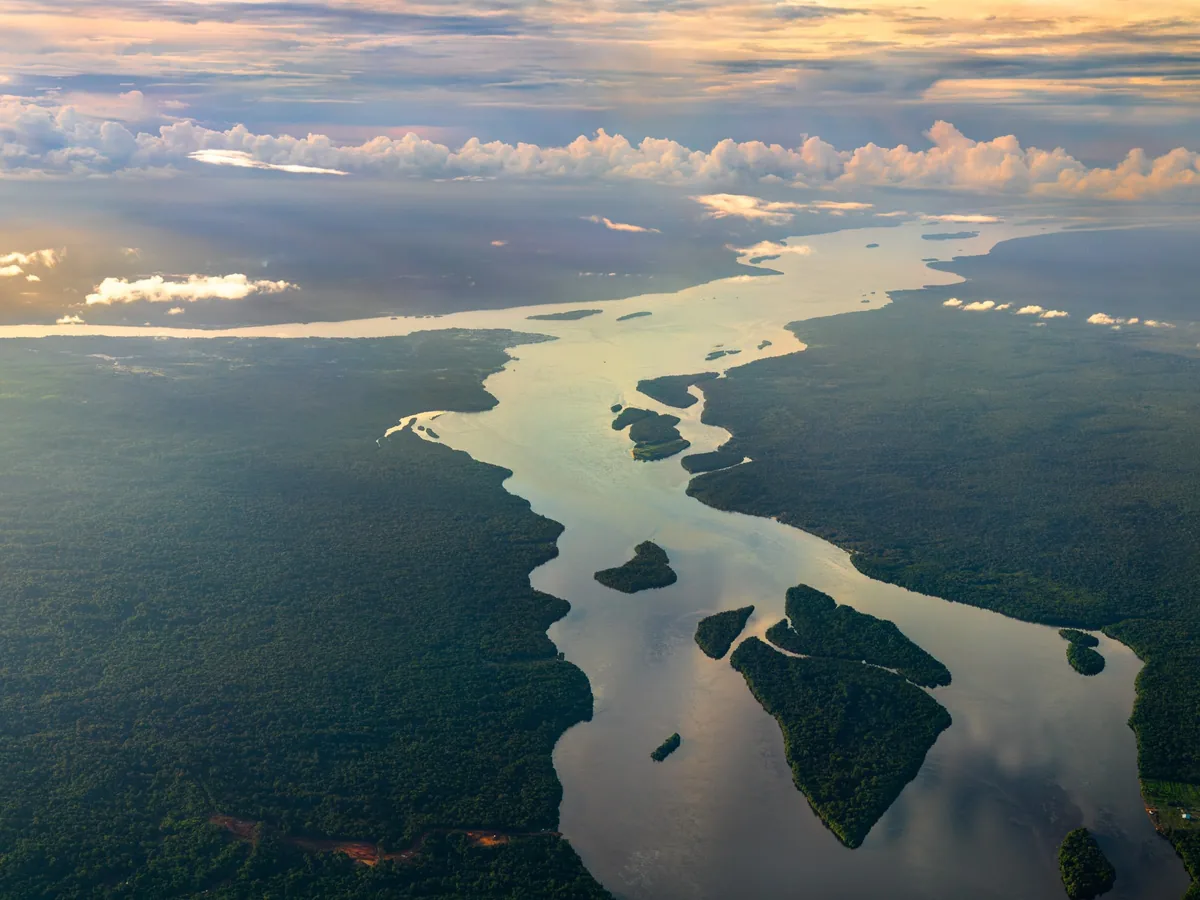
River travel can serve several purposes: reaching an overnight base, exploring a shoreline or spending time observing a particular habitat. Begin with the Guyana overview so the waterway fits a wider route rather than becoming a detached activity label. Guyana is part of the Guiana Shield; an itinerary should name its actual rivers without describing every waterway as part of the Amazon basin. Ask where the journey begins and ends and what you are meant to experience between those points.
Decide whether water-based travel is a main interest or a supporting part of the journey. A traveler seeking unhurried photography may want a different outing from someone mainly using a boat to reach accommodation. Describe that preference before comparing routes. A clear itinerary distinguishes navigation time, stops and observation time, making it easier to decide whether the proposed outing matches the pace you want rather than simply adding another mode of transport.
Separate river excursions from transfer legs
A boat transfer has a destination and a transport purpose; an excursion is planned around an experience. Some journeys combine the two, but the proposal should explain that combination. Ask whether the boat can pause for observation, whether a guide interprets the surroundings and what happens to luggage during stops. Do not assume that the transfer will provide the same conditions as a dedicated outing with time to watch quietly along a shoreline.
The rainforest-accommodation guide helps you connect the boat arrangement to the base where you sleep. Confirm which departure point serves the property and who coordinates the meeting. If a road or flight connection precedes the boat, identify the handover and any waiting arrangement. Review the return in the same detail. An attractive river leg should not leave the final connection to your room, or the route back to the coast, unclear.
Compare an Essequibo outing with regional river stays
Iwokrama River Lodge places its accommodation beside the Essequibo River and describes river excursions in its official visitor information. That offers a named starting point for comparing a forest stay with water-based activities. The Iwokrama guide explains the broader forest setting. Ask which excursion is proposed for your dates, how it fits around walks or other activities, and whether the departure and return allow enough time for the experience you want.
Visit Rupununi presents regional tourism through river, wetland, savannah and forest settings. Use the Rupununi guide to compare the actual overnight base and activity locations instead of treating every regional waterway as the same experience. A river-focused stay and a mixed-habitat itinerary have different priorities. Ask what each additional base contributes, which connections require a boat and whether another move gives you more useful time outdoors or simply adds a travel day.
Describe the observation experience you want
Tell the guide whether birds, landscapes, mammals or the general forest atmosphere are your main interest. This helps distinguish a broad introductory outing from focused observation. Ask how stops are chosen, how the boat is positioned and whether shared passengers have similar priorities. A route that covers more distance is not necessarily better for photography or watching wildlife. Time, viewing conditions and the guide’s approach can matter more than the length of the journey.
No itinerary can promise a particular animal encounter. Ask about suitable habitats and patient observation without expecting wildlife to follow a timetable. Follow the guide’s instructions on distance and disturbance, and do not request feeding, handling or close approaches for a photograph. If a conservation-related activity is mentioned, establish what visitors may appropriately do. Observing local work does not automatically mean participating in research or being allowed access to every site.
Confirm the boat arrangements before booking
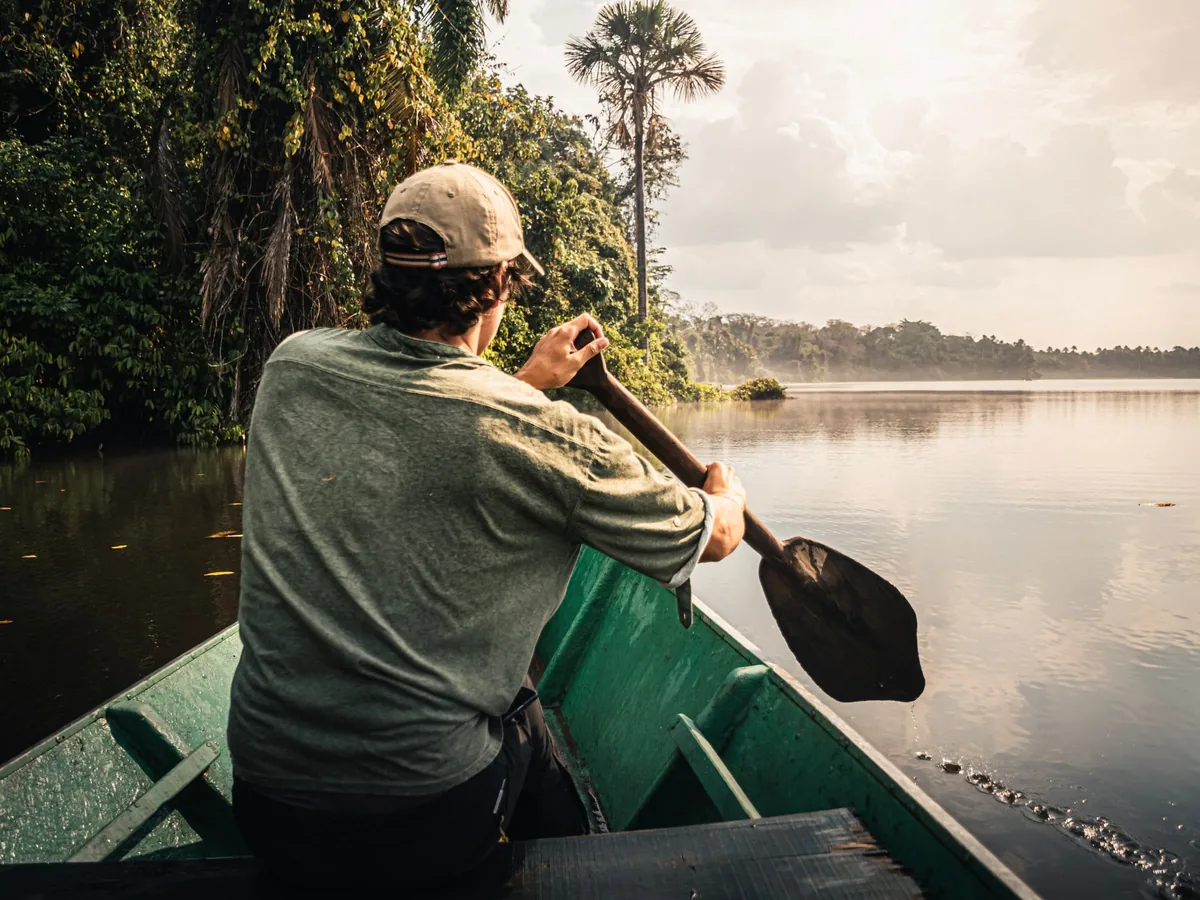
Ask about the proposed vessel, seating, boarding and whether the outing is shared or private. Explain mobility needs and any concern about getting in or out of a boat so the operator can describe the actual arrangement. Confirm how appropriate lifejackets and operating procedures are handled, including suitable arrangements for children if they are traveling. Avoid assuming that an attractive photograph identifies the vessel that will be used for your group.
Discuss exposure to sun and rain, storage for equipment and how drinking water or food is carried for the particular outing. Ask what the guide recommends bringing and what the operator supplies. Treat any essential requirement as a booking question rather than something to discover at departure. A useful response is specific to the boat and route; a broad claim that an excursion suits everyone cannot substitute for an explanation of access and practical conditions.
Connect river time to community visits respectfully
A river route may include a community-hosted stay or an agreed visit, but the boat journey itself does not establish permission to enter private spaces. The community-stays guide explains how to discuss hosts, activities and photography in advance. Ask who has arranged the visit, what the hosts choose to share and which services are included. A settlement beside a waterway is a lived place, rather than an automatic sightseeing stop.
Confirm the purpose and timing of a visit without prescribing how the hosts should present it. Ask before photographing people, homes or activities, and respect any request not to record them. If crafts or another optional purchase are offered, keep that separate from the agreed transport and guiding charges. A thoughtful river journey gives space for the hosts’ choices and ordinary routines, rather than treating access as something guaranteed by the presence of a boat. The getting-there guide helps you review airports, handovers and the complete connection to your base.
Allow for conditions without inventing a timetable
Water levels, weather and local operating conditions can affect a proposed river leg. Ask the operator how the actual route is assessed, what changes are realistic and who communicates them. A general seasonal label does not determine whether a particular excursion or connection will run as planned. Avoid copying a departure time or duration from an old itinerary and treating it as confirmed for your dates without checking the current arrangement.
Review which parts of the day are flexible and which connect with a fixed service. If an excursion must be shortened or changed, ask what alternatives can preserve the purpose of the visit. For transport legs, make the responsibility for onward coordination explicit. Flexibility is useful when it is understood in advance; it should not mean that a traveler is left to organize an unexpected final connection or resolve a significant change without assistance.
Protect the wider arrival and departure plan
The Georgetown gateway guide helps you consider the coastal arrival, any transit night and the complete interior connection. Do not isolate a river leg from the road or air arrangements around it. Identify the meeting point, baggage handover and destination for every travel day. If a carrier has baggage restrictions, confirm them before choosing how much equipment to bring, and ask whether the boat arrangement imposes any additional practical constraints.
Review the final river transfer and your international departure together. Ask what margin is recommended for the actual connections and how changes would be handled. There is no universal transfer duration or safe connection window that this guide can promise for every route. A proposal should explain its assumptions and identify any fixed commitments. Keeping the return clear protects the time spent exploring by avoiding an itinerary built around an unconfirmed last leg. Use the best-time-to-visit guide to compare coastal and interior seasonal guidance with your proposed route.
Build a river journey with enough useful time
Use the Guyana trip-planning guide to decide whether one base with several outings or a journey between bases best fits your interests. Count full activity periods after transfers, meals and rest. If the main purpose is observation, discuss repeated time in suitable habitat rather than a rapid sequence of stops. Compare included guiding, boats, meals and transfers using the same group size so a low starting price does not conceal missing services.
Share dates, guest count, main interests, preferred comfort and any mobility or equipment needs. Include firm arrival and departure commitments where applicable. Ask for the waterway, overnight bases, operating arrangements and included services to be named in the proposal. Current conditions and availability need individual confirmation. The aim is a journey whose river time feels purposeful and unhurried, with the practical connections clear enough for you to enjoy the landscape. The wildlife guide explains how habitat, local guiding and observation time support realistic expectations. Use the packing guide to match clothing and essential equipment to the confirmed activities and transport rules.
Planning questions
Is every river outing a transfer?
No. Ask whether the proposed boat leg is transport, an excursion or a combination, and how much time is available for observation.
Are Guyana’s rivers all in the Amazon basin?
No. Guyana is part of the Guiana Shield. Identify the actual waterway rather than assuming an Amazon-basin location.
Can a river trip guarantee wildlife sightings?
No. Suitable habitat, guiding and observation time support an experience, but conditions and wildlife behavior vary.
What should I confirm when traveling with children?
Discuss the vessel, boarding, seating, appropriate lifejackets, exposure and duration with the operator before booking the actual outing.
Give river time a clear place in your journey
Tell us which landscapes and activities draw you to Guyana, and we can discuss river outings that fit your route and pace.
Share your plansExplore the Guyana guides
Sources & scope
Planning information reviewed October 8, 2026. Accommodation, activities, availability and transport require confirmation in an individual proposal. Guyana is part of the Guiana Shield; these guides do not classify all its rivers as Amazon-basin rivers.