
GUYANA RAINFOREST
Choose your rainforest accommodation in Guyana
Choose a base that gives you useful time outdoors and the comfort you need when you return.
Plan this journey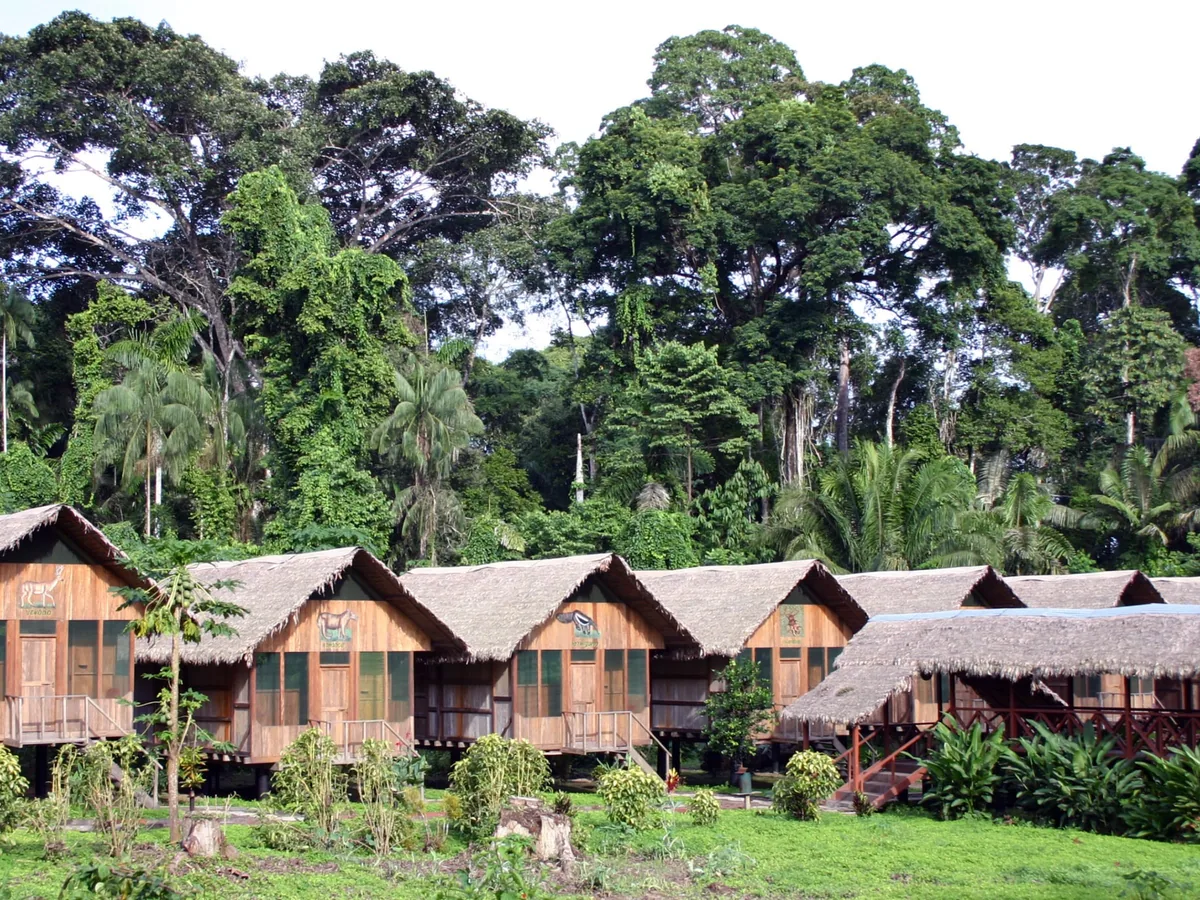
AT A GLANCE
How do I compare rainforest stays?
Compare the actual setting, room facilities, included guiding and complete transfer cost. Confirm current services in writing; a lodge label alone does not define the experience.
Choose the setting before comparing rooms
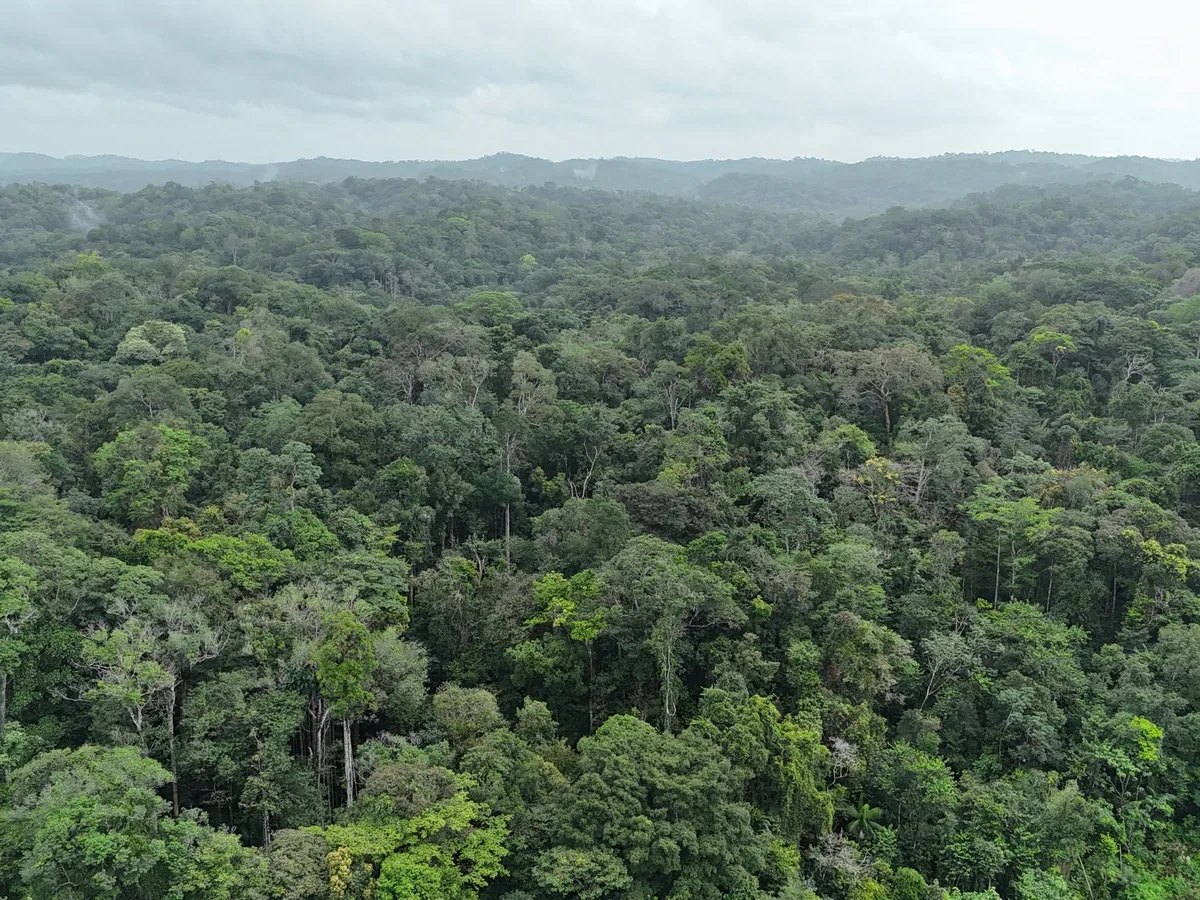
The overnight base shapes how much of the landscape you can experience without spending another day moving. Start with the Guyana overview to distinguish a forest stay around Iwokrama from the varied river, forest and savannah settings of the Rupununi. A room beside a river can have a different daily rhythm from accommodation used mainly as a starting point for road excursions. Ask where each proposed activity takes place, rather than assuming it begins directly outside your door.
Make a shortlist around the experience you want: shaded walks, river observation, birding or a community-hosted stay. Then compare the room and service details within that shortlist. An attractive photograph cannot establish access to a trail, the availability of a boat or the time needed to reach a viewing site. Request an explanation of the base’s role in the route and the usable mornings and afternoons it gives your group.
Distinguish named properties from broad accommodation types
Iwokrama River Lodge describes waterfront cabins on the Essequibo River and lists forest and river activities in its official visitor information. Visit Rupununi identifies community-tourism accommodation including Rewa, Surama and Caiman House at Yupukari. These are named starting points for research, not a promise that we hold rooms or that the same services are available at every property. Ask for the exact accommodation and room category in the proposed itinerary.
Use the Iwokrama guide and Rupununi guide to compare the surroundings before comparing a package total. If a proposal uses a general description such as eco-lodge, ask which property it means and who manages the stay. Keep any alternative accommodation clearly identified, with an explanation of how substitution would affect transfers, guiding and facilities. Availability must be checked for your actual dates before a particular stay is treated as confirmed.
Make room comfort a practical conversation
Describe what makes an overnight stay workable for you. Ask whether the quoted room has its own bathroom, how beds are arranged, what insect protection is provided and how ventilation is managed. Confirm hot-water arrangements if that is a priority. These questions should refer to the specific room offered, because a general accommodation description may cover several room types. Explain any need that affects comfort or sleep before choosing the itinerary.
Request current photographs or a precise facilities description where a feature is important to your decision. Do not infer air conditioning, continuous electricity or reliable internet from the word lodge. Ask about charging opportunities for cameras and other necessary equipment, and how any limitations are managed during the stay. If a facility is essential rather than merely preferred, make that clear and have the agreed arrangement included in the written proposal.
Compare guiding and activities as part of the stay
Accommodation is only one part of the experience. Ask which guided outings are included, whether guiding is shared with other guests and what an ordinary activity day involves. A listed boat excursion or trail walk does not tell you its purpose, pace or duration. Explain whether you are a general nature traveler, a dedicated birder or a photographer who wants time to remain at one place rather than moving quickly between stops.
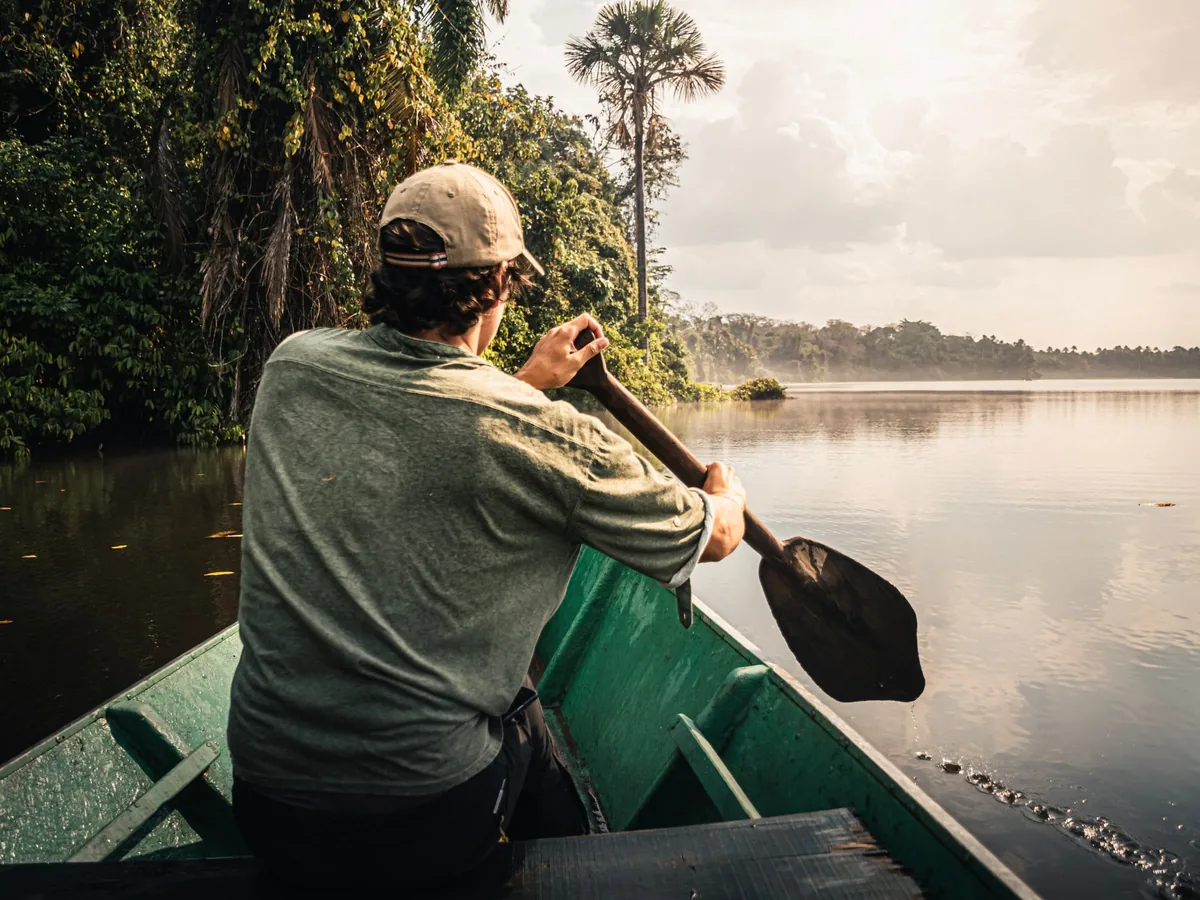
Read the river-journeys guide when water-based activities matter to your choice. Compare the number of full activity days after arrival and before departure, rather than the number of nights alone. Ask who helps rearrange an outing when weather or local conditions change and which alternatives are possible. A useful proposal separates an included activity from an optional service and avoids presenting wildlife sightings as a guaranteed part of a room package.
Understand community-hosted arrangements
Community accommodation can give a journey a different purpose from a conventional room booking. The community-stays guide explains how to discuss hosts, activities, permissions and the local arrangements behind a stay. Ask who receives your reservation and who coordinates meals, guiding and transfers. Confirm what is actually included rather than assuming that every cultural activity is available whenever a guest requests it. The hosts should be able to define what they choose to share.
Explain dietary, mobility and other practical needs early, with enough detail for the hosts to answer realistically. Ask about paths, steps, boarding arrangements and the distance between the room and shared facilities if these affect your decision. Respect rules for photography and access to private or community spaces. Paying for accommodation does not make every person, event or location part of an activity program, and the written itinerary should reflect that distinction.
Count the complete cost of reaching the base
Compare accommodation after adding the services needed to reach it. The Georgetown gateway guide helps you consider coastal arrival, transit accommodation and the connection to the interior together. Ask where each transfer begins, who meets you and whether the final journey to the property is included. A room rate with several missing transport arrangements may not be cheaper than a proposal that includes the complete connection and the same amount of guiding.
Request a breakdown of lodging, meals, guiding, transfers, fees and optional charges using the same group size and room arrangement. Check whether a quoted transfer is shared or private and whether its timing works with your arrival. If a small-aircraft leg is proposed, obtain its baggage rules before planning equipment. Avoid comparing an accommodation-only price with a full itinerary total; the useful figure is the cost of the agreed journey, including the return. The getting-there guide helps you review airports, handovers and the complete connection to your base.
Make meals and daily logistics clear
Ask which meals are included on arrival, departure and full activity days. An itinerary that begins after lunch may handle that day differently from a full-board overnight stay. Explain dietary requirements and ask what can be accommodated at the named base, rather than assuming that a request made at the last moment will be possible. Confirm drinking-water arrangements and how meals are organized when an outing takes you away from the property.
Discuss the everyday rhythm alongside the activity plan. An early start for birding or a longer excursion may change breakfast, lunch or rest arrangements, so ask how the guide and hosts coordinate them. Confirm how you receive essential itinerary information when connectivity is limited and whom you should contact if a transfer changes. Clear arrangements are more useful than a broad claim of personalized service that leaves important details to be resolved after arrival.
Review flexibility and booking terms before paying
Ask what becomes confirmed when you pay and which elements remain subject to availability or changing conditions. Read cancellation, amendment and substitution terms for both accommodation and transport. If the proposed property changes, understand how a replacement would affect the setting, room facilities and activities. Avoid treating a research shortlist as a reservation or assuming that a preliminary quote holds rooms indefinitely. Obtain the payment schedule and any stated quotation expiry.
Use the Guyana trip-planning guide to check the route as a whole before accepting the terms. Leave room for reasonable activity adjustments while keeping responsibility for lodging and transport explicit. Ask how additional costs would be discussed if a significant change becomes necessary. An understandable written proposal lets you judge comfort, experience and flexibility together; it should not depend on a chain of informal assumptions about what each supplier will provide. Use the best-time-to-visit guide to compare coastal and interior seasonal guidance with your proposed route.
Choose fewer bases when that improves the experience
A longer stay at one suitable base can preserve observation time and reduce packing, waiting and transfer demands. Add another accommodation only when it brings a different habitat, hosting arrangement or activity that matters to you. Count the mornings and afternoons left after the move. A varied route can be rewarding, but changing rooms repeatedly is not automatically a stronger journey, especially when your priorities need patience in one setting.
Share dates, guest count, room preferences, main interests and any essential facilities when requesting a proposal. Include your arrival and onward commitments if already booked. We can then discuss a route whose accommodation supports the experience rather than drives it. Confirm the named bases, included services and transport before payment. This guide is a comparison framework; current availability, property facilities and the terms for your group require individual confirmation. The wildlife guide explains how habitat, local guiding and observation time support realistic expectations. Use the packing guide to match clothing and essential equipment to the confirmed activities and transport rules.
Planning questions
Are all rainforest lodges the same kind of stay?
No. Compare the named base, landscape, room facilities, guiding and transfers. A lodge label does not establish a standard package.
Does a published property name mean a room is available?
No. Availability, room category and included services must be confirmed for your dates in an individual proposal.
Can I assume reliable internet and continuous power?
No. Ask about connectivity, electricity and charging at the specific property, especially if a facility is essential.
Should I stay at several lodges?
Add a base when it offers a meaningful difference and leaves useful time after travel. One longer stay can be better for focused observation.
Choose a base that serves your journey
Tell us your interests, dates, room preferences and essential facilities so we can discuss suitable Guyana accommodation.
Share your plansExplore the Guyana guides
Sources & scope
Planning information reviewed October 8, 2026. Accommodation, activities, availability and transport require confirmation in an individual proposal. Guyana is part of the Guiana Shield; these guides do not classify all its rivers as Amazon-basin rivers.