
GUYANA RAINFOREST
Choose the best time for your Guyana journey
Choose dates for the places and activities you want to experience, with room for changing conditions.
Plan this journey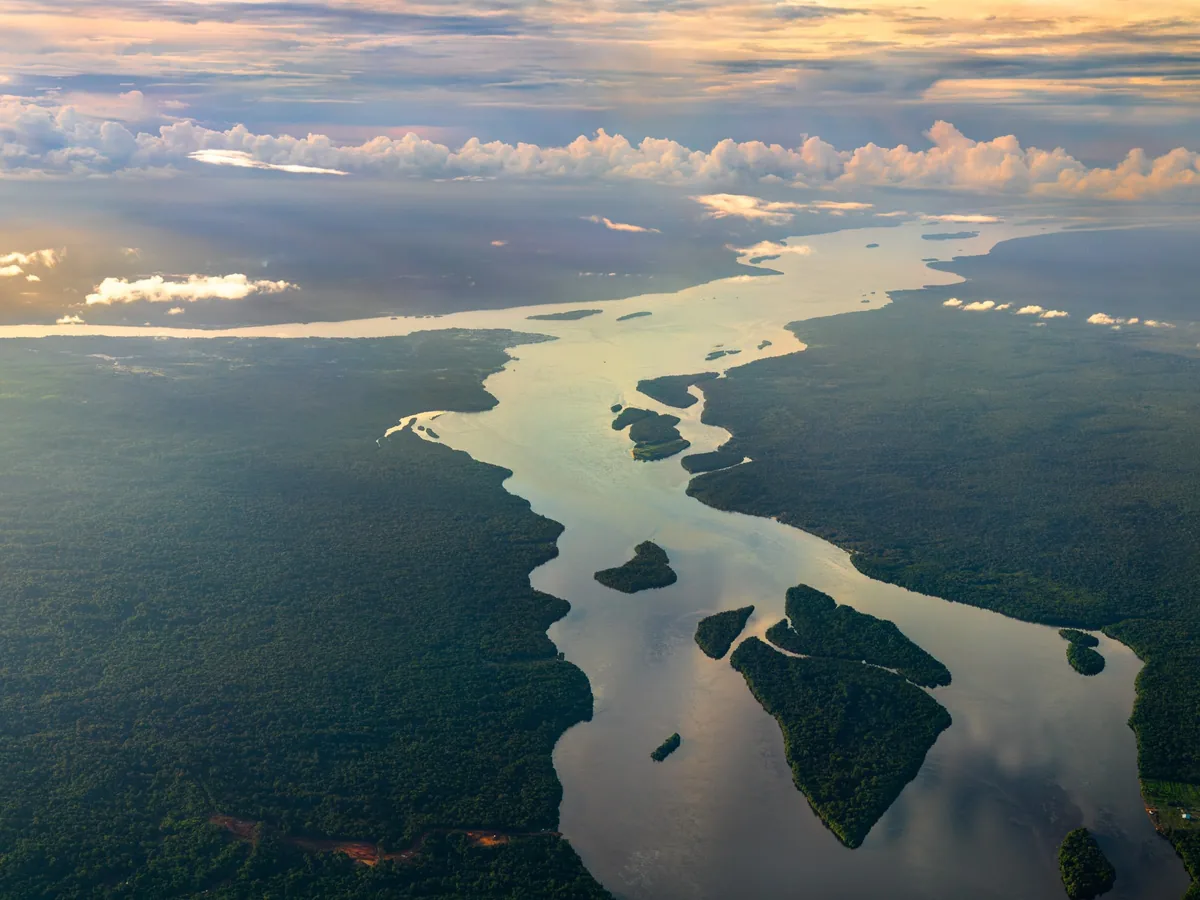
AT A GLANCE
When is the best time to visit Guyana?
There is no single best window for every route. Compare coastal and interior rainfall patterns, the access to your chosen bases and the activities that matter most. Seasonal guidance is a planning starting point, not a forecast.
Start with the route rather than one national season
Guyana Tourism separates the coastal calendar from the interior calendar in its official travel tips. That distinction matters when your journey combines Georgetown, forest accommodation and the Rupununi. A month that appears convenient for the coast may bring a different balance of rainfall and access conditions farther inland. Begin with the Guyana overview to identify the regions you want to combine, then discuss dates against the actual route and its most important connections.
Decide which activity would make the journey worthwhile for you. A forest-focused birding stay, a regional road circuit and a river-centered itinerary can lead to different priorities. Ask which part of your proposed route is most affected by weather and whether another base or transport arrangement would help. Selecting dates becomes easier when you can explain the experience you want instead of seeking a single countrywide month that supposedly suits every traveler.
Use the official coastal and interior calendars carefully
Guyana Tourism lists coastal drier periods from mid-January to May and mid-July to mid-November. Its interior guidance lists January to early May and September to December. For wetter periods, it gives May to mid-July and mid-November to mid-January on the coast, and mid-May to August in the interior. Treat these published ranges as broad regional guidance; they do not establish the weather on a particular day or the operating condition of every road and waterway.
Use the calendar to frame questions rather than eliminate whole months without considering the journey. Near a seasonal transition, ask the operator what conditions mean for the chosen bases and how the itinerary can respond. A dry-period label does not mean rain-free travel, and a wetter-period label does not mean that every day is lost. The practical question is whether the proposed activities and transfers work sensibly together for your dates.
Compare road access and river time together
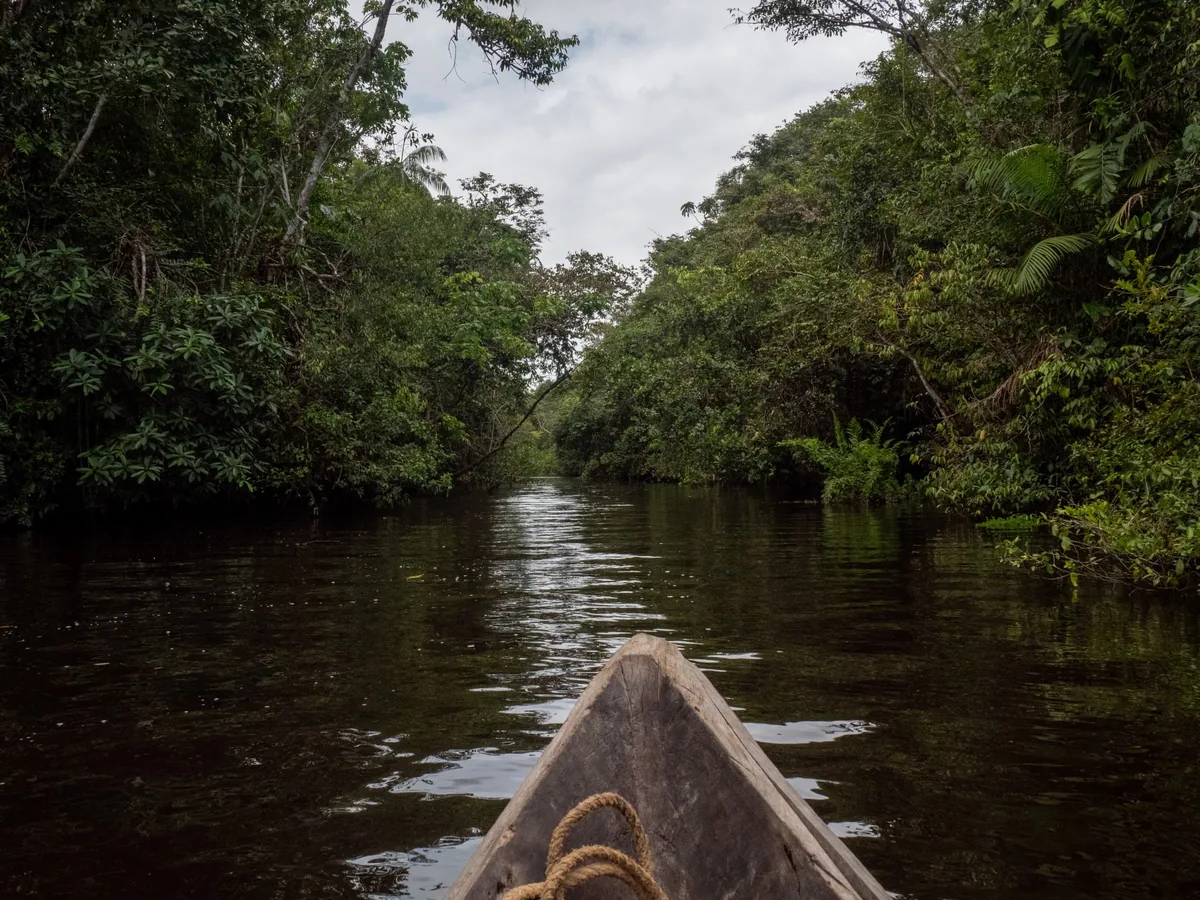
The seasonal choice should take account of how you reach and explore each base. Rainfall and water levels can change the practical balance between a road connection and time on a river. Use the river-journeys guide to distinguish an excursion from a transfer and ask what conditions matter to that specific leg. Do not assume that a higher river level makes every boat route suitable or that a drier period makes every road connection straightforward.
Request an explanation of any weather-sensitive connection in the proposed itinerary. Ask what an adjustment would involve, who would coordinate it and whether it would change the overnight base or the amount of activity time. A useful plan identifies the purpose of the connection and the realistic alternatives. Avoid using an old traveler’s transfer duration as a forecast; the route, vehicle, waterway and conditions all need to be considered for the actual journey.
Choose forest dates around the activities at your base
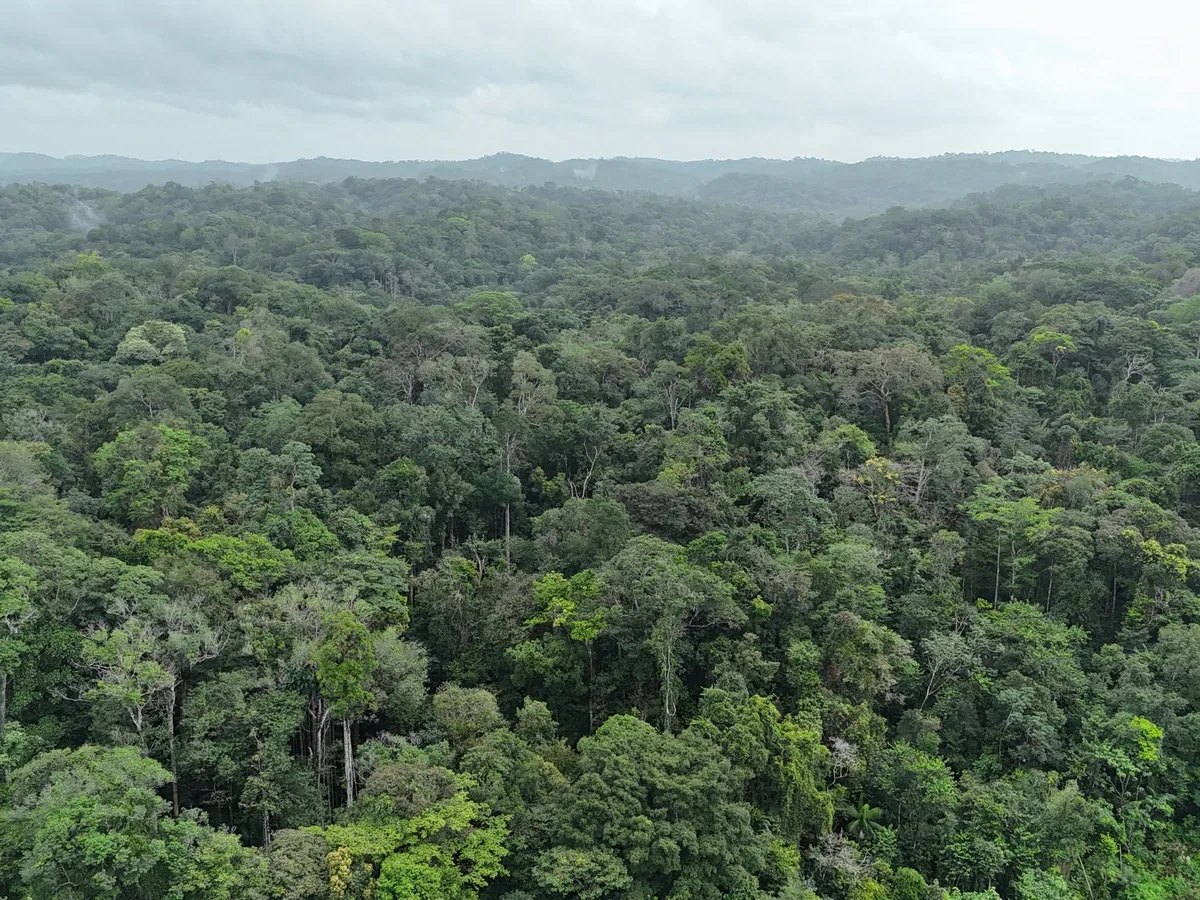
For a stay centered on Iwokrama, begin with the Iwokrama guide and the actual activity outline. Ask how forest walks, river excursions and other proposed experiences are organized during the period you are considering. Weather may affect the order or pace of a day without necessarily changing the purpose of the stay. Distinguish an activity that can be rearranged locally from one that depends on a separate booking, connection or specific access arrangement.
Give the guide your main interests and your comfort with outdoor conditions. Explain whether you prefer shorter walks, longer observation sessions or a balanced introduction to the forest. Ask how rest, meals and equipment protection fit around the outings. A seasonal recommendation should help you understand the likely demands and flexibility of the proposed experience, rather than suggesting that one month automatically produces a superior forest visit for every group.
Discuss Rupununi dates by base and habitat
The Rupununi combines river, wetland, savannah and forest settings, so an itinerary name alone is not enough to assess the seasonal choice. The Rupununi guide helps you identify the actual overnight bases and habitats. Ask which activities you expect to do from each base and how the connections work during your proposed period. An open-landscape excursion, a river outing and time around a community-hosted stay should be considered as distinct parts of the journey.
Compare a focused regional stay with a route that changes bases repeatedly. If conditions require flexibility, fewer moves may leave more useful time for local activities. The community-stays guide also helps you discuss hosting arrangements, availability and any agreed visits. A seasonal calendar does not confirm a community activity or permission to enter a place. Confirm those arrangements with the relevant hosts while keeping the proposed route practical for the dates you choose.
Give wildlife interests time instead of guarantees
A wildlife priority can influence the choice of habitat, guiding and daily schedule, but it cannot make sightings certain. Use the wildlife guide to distinguish your main interests from a long list of possible animals. Ask the local guide which settings suit those interests and what current knowledge can contribute to planning. Avoid treating a photograph, a past sighting or a general dry-season recommendation as a promise of a particular encounter during your stay.
For birding or photography, count the full observation periods available after arrival and before departure. Repeated time in a suitable setting can be more useful than rapidly moving through several regions. Ask how rain or other conditions are handled during outings and whether there are realistic alternatives. The goal is to choose dates and a route that give patient observation room, while accepting that animal behavior and the conditions for seeing it remain variable. The getting-there guide helps you review airports, handovers and the complete connection to your base.
Coordinate dates with accommodation and the whole arrival
A favorable seasonal window is only useful when the accommodation and connections can be arranged for your group. Use the rainforest-accommodation guide to compare named bases, room requirements and included services. If a particular property is important to the journey, ask for current availability before making separate travel commitments around it. A preliminary route or published lodging description is not a reservation and should not be treated as a confirmed place to stay.
The Georgetown gateway guide helps you connect coastal arrival, any transit night and the interior journey. Review the return at the same time, including any fixed onward commitment. Ask whether shifting a date changes transport choices or leaves more useful activity time at the base. Compare the complete proposal rather than choosing dates solely around an attractive room rate or a flight price that omits the connections needed to reach the experience.
Prepare for conditions and check current information
Pack for the actual activities and conditions described by the people operating the journey. Discuss rain protection, footwear, sun exposure and how cameras or other necessary equipment are kept dry. Confirm what accommodation provides and what you need to carry. Explain essential comfort or mobility needs in advance, rather than assuming that a preferred seasonal window removes practical demands. A workable plan makes those demands clear before you accept the proposal.
Guyana’s Hydrometeorological Service publishes seasonal outlooks, while current local conditions require more immediate information from the relevant operator and official services. An outlook covers a period and does not function as a guaranteed day-by-day itinerary forecast. Check the information appropriate to your departure date and proposed location. If conditions change materially, ask how the operator assesses the route and communicates changes rather than relying only on a calendar reviewed months earlier.
Choose dates through a clear planning conversation
Use the Guyana trip-planning guide to compare a fixed-date trip with one that has a little room to move. Share the range of dates you can consider, how long you can travel, the habitats or activities that matter most and your preferred comfort. If some commitments are fixed, identify them. A useful seasonal recommendation explains why the proposed route fits those priorities and where flexibility remains necessary, rather than naming a month without considering your plans.
Before paying, confirm the overnight bases, included services, transfers and the terms for changes. Ask how a weather-related adjustment would be discussed and which costs might be affected. Keep clear expectations about current availability and the limits of a seasonal recommendation. The best timing is the period that supports a thoughtfully connected journey for your group, with sufficient activity time and an understandable plan for adapting when actual conditions differ from the broad seasonal pattern. Use the packing guide to match clothing and essential equipment to the confirmed activities and transport rules.
Planning questions
Do the coast and interior have the same rainfall calendar?
No. Guyana Tourism publishes separate coastal and interior seasonal ranges. Match the calendar to your proposed regions and connections.
Does the dry season mean no rain?
No. The published ranges describe broad seasonal patterns, not a guarantee of rain-free days or unchanged access conditions.
Can I plan a river journey in a wetter period?
Discuss the actual waterway, vessel, operator and connections. A seasonal label alone cannot confirm that a particular outing or transfer is suitable.
Which month guarantees wildlife sightings?
None. Choose appropriate habitats, local guiding and time for observation; wildlife behavior and viewing conditions vary.
Choose dates that serve your route
Tell us your available dates, priorities and preferred pace so we can discuss a Guyana journey that fits them.
Share your plansExplore the Guyana guides
Sources & scope
Planning information reviewed October 8, 2026. Accommodation, activities, availability and transport require confirmation in an individual proposal. Guyana is part of the Guiana Shield; these guides do not classify all its rivers as Amazon-basin rivers.