
SURINAME RAINFOREST
Wildlife in Suriname: plan for habitat, guiding and patience
A rewarding wildlife journey gives you time to observe and understand a habitat. Choose a route around your interests and the activities you can comfortably enjoy. Treat an animal list as background, while assessing the guiding, pace and time in the forest that a proposal actually offers.
Plan this journey
AT A GLANCE
How should you choose a wildlife itinerary?
Start with your main interest, then compare the habitat, guiding and time available on the proposed route. Ask whether observation happens on a walk, a boat outing or near the base. Species recorded in a protected area are not guaranteed sightings on a visitor itinerary. Plan a pace that supports patient viewing and an accommodation and transfer chain suited to your party.
Use biodiversity as background for a particular visit
UNESCO describes Central Suriname Nature Reserve as a diverse Guiana Shield conservation landscape with forest and other habitats. It records animals including jaguar, giant river otter and primates, as well as birds such as harpy eagle and Guiana cock-of-the-rock. Those records explain conservation value; they do not establish the likelihood of seeing an animal on your route. Keep the distinction between a protected-area species record and a visitor activity clear.
Ask the planner which habitat and outing are proposed, where they occur and what guiding is included. If a particular animal is your main motivation, say so early and expect an honest discussion of uncertainty. Do not let a long species list replace the route description. A visit should remain worthwhile through forest interpretation and observation even if the animal that first caught your attention is not seen.
Choose the region before choosing a checklist
Use the Suriname rainforest overview to compare inland choices by the actual activities and base. The Central Suriname Nature Reserve guide concerns a specific protected-area journey; Brownsberg offers a different forest walking choice, and Upper Suriname has its own river-and-stay context. Do not transfer species records or access assumptions from one location to another. A country-wide wildlife interest still needs a region and a suitable itinerary.
Compare travel time with the observation time left at the destination. On limited dates, staying longer in one suitable area may support your interests better than adding several bases. Ask what changes when a second area is included and whether the new habitat or activity justifies the connection. Route variety is useful when it contributes something clear, rather than reducing each place to a brief stop between transfers.
Tell the guide what you most want to notice
Describe whether your interest is bird observation, mammals, plants, forest sounds or a general introduction to nature. Ask about the guide's role, offered language and how the outing is paced. A wildlife-focused activity and a general sightseeing walk can both be worthwhile, but their purpose should be clear. Explain any specific observation or photography goals before deciding that a broad guided excursion will meet them.
Discuss how your party handles different interests and whether a private or shared arrangement is proposed. Ask how much time is available for stopping and whether the route can accommodate that pace. A specialist interest should be matched with a specifically described activity rather than assumed from the word guide. For a general visit, interpretation of the habitat can make quieter moments as rewarding as an encounter.
Match forest walking with comfort and attention
Request the time on foot, terrain and level of effort for each proposed walk. Tell the planner about your experience and any mobility or balance concerns. A traveler who wants to watch birds carefully may prefer a shorter route with time to pause over a longer walk focused on covering distance. Ask for alternatives before booking if people in the group have different levels of stamina.
Consider the weight of binoculars or camera equipment along with the walking effort. A manageable day bag, suitable footwear and protection for rain-sensitive items support the outing, but they do not make every route appropriate. Confirm water arrangements and local guide instructions for the actual activity. Choose the walk because its pace and conditions fit the observer, rather than treating physical difficulty as a measure of wildlife quality.
Separate boat observation from river transport
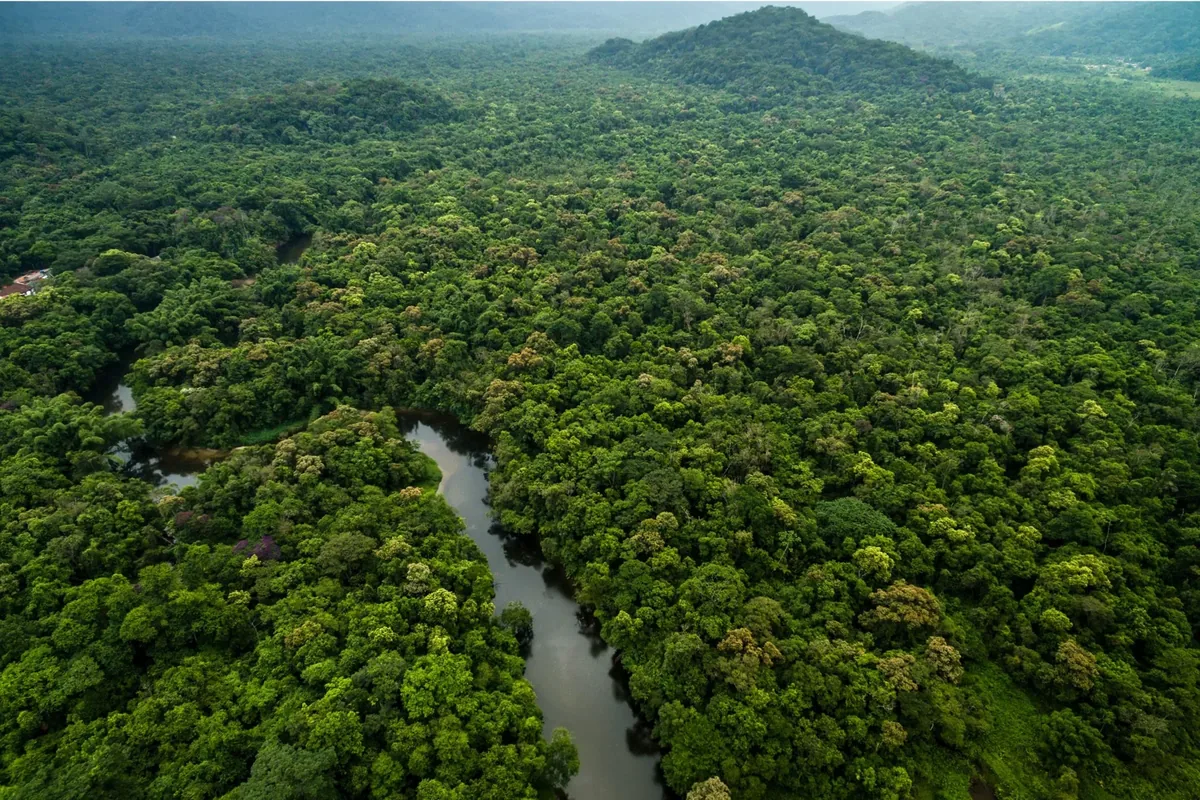
Use the river journeys guide to distinguish a dedicated observation outing from a transfer to accommodation. Ask whether the proposed boat segment allows a slower pace and planned observation time, and what guiding is included. A river route can provide an interesting view of the landscape without being designed around your target interests. The proposal should say which purpose the segment serves instead of counting all time aboard as wildlife activity.
Discuss seating, boarding and the equipment you want accessible during the outing. Ask how photography or binocular use fits the vessel and crew instructions. A shared group may have priorities different from a dedicated photography outing, so clarify the arrangement. Do not assume a requested stop or route change is available. Meaningful time on the water depends on the actual activity plan, not only the length of a boat ride.
Choose nights that allow time for observation
Compare useful time after arrival and before departure, then look at the full days available for activities. A short stay with substantial transfers can leave less observation time than the night count suggests. Ask how the proposed schedule balances outings, meals and rest. Repeated time in a suitable setting can support a patient approach, while still leaving sightings uncertain rather than promising that more nights produce a particular encounter.
Use the rainforest accommodation guide to compare the facilities that help you rest and prepare between activities. Clarify charging arrangements if you carry camera equipment, and describe dietary or room requirements before choosing a base. A comfortable rhythm matters when outings and travel use energy. The accommodation should support the observation plan, not become an afterthought selected only after an ambitious activity schedule has been proposed.
Photograph without changing the encounter
Follow the guide's instructions about distance, movement and where to stand. Avoid feeding, attracting or pursuing animals for a closer image. Tell the planner beforehand if photography is the main purpose so the proposed pace and group arrangement can be considered. A strong photograph remains an optional outcome; the activity should not depend on manipulating wildlife or pressuring a guide to produce a particular moment.
Ask how much equipment can be carried comfortably and whether the route involves conditions that require extra protection. Keep images and captions accurate to the place and animal actually identified. If identification is uncertain, record that uncertainty rather than attaching an impressive species name. When people or hosted visits form part of the itinerary, photography requires its own permission; wildlife interests do not override expectations in community spaces.
Assess responsible observation in the proposal
Look for a description of the habitat, activities and guiding rather than guarantees of close encounters. Ask how the provider handles permitted routes and local visit arrangements for the area being used. Avoid accepting a vague conservation claim as proof of specific practices. A practical answer should relate to the proposed outing, including who guides it and what guests are expected to do during the activity.
Plan to keep litter with you and avoid collecting plants or natural materials. Ask about any particular instructions before entering the site. If an outing changes or becomes unsuitable, discuss the alternative offered instead of insisting on the original wildlife target. Responsible observation combines a realistic itinerary with behavior that respects the setting; a list of desirable animals is not enough to assess the quality of the visit.
Send an inquiry that supports a realistic wildlife trip
To plan your Suriname rainforest trip, share dates, party size, arrival details and your main observation interests. Add walking comfort, equipment and accommodation priorities. Separate essential preferences from hopes, especially when a particular sighting is involved. These details help discuss a suitable route and the activities that can be confirmed, rather than making a booking decision based on a general wildlife promise.
Request the exact base, transfer chain, guided outings and time allocated to observation in the proposal. Ask which arrangements remain provisional and how changes or cancellations are handled. An inquiry does not confirm services, access or sightings. The goal is a journey with enough time, appropriate guiding and a habitat you want to understand, so its value is broader than a single encounter.
Planning questions
Are jaguar or harpy eagle sightings guaranteed?
No. Records of species in a protected area provide biodiversity context, not a promise for an itinerary. Ask about habitat, guiding and observation time, and keep the possibility of no sighting in mind.
Is a longer walk always better for wildlife?
No. Match the route and pace with your interests and comfort. A shorter outing with time to stop may fit observation better than a demanding walk focused on distance. Confirm the actual activity.
Does a boat transfer count as a wildlife excursion?
Only if its described purpose and arrangements support observation. Ask whether guiding, pace and stops are part of the activity; transport alone does not establish them.
What should I include in a wildlife inquiry?
Provide dates, party size, main interests, walking experience and equipment. Add accommodation needs and say when a particular animal is a hope rather than an expectation. Request a clear route and activity plan.
Build a wildlife journey around time to observe
Share your interests, walking comfort and preferred pace. We can discuss a suitable route and the guiding, accommodation and activity details that need confirmation.
Share your plansSuriname overview · Plan your trip · Paramaribo · Upper Suriname · Brownsberg & Brokopondo · Central Suriname Nature Reserve · Rainforest accommodation · Community stays · River journeys · Getting there · Packing and preparation · Share your plans
Sources & scope
Guide reviewed October 8, 2026. Confirm the route, accommodation, activities and transfers. Wildlife sightings remain uncertain. Images illustrate forest and river settings without identifying particular Suriname locations.