
SURINAME RAINFOREST
River journeys in Suriname: choose the route and the pace
Make the river part of your journey deliberately. A boat transfer, a scenic outing and a stay reached by river can offer different experiences. Choose the region and purpose first, then check the vessel, connections and time available rather than assuming every boat segment is an excursion.
Plan this journey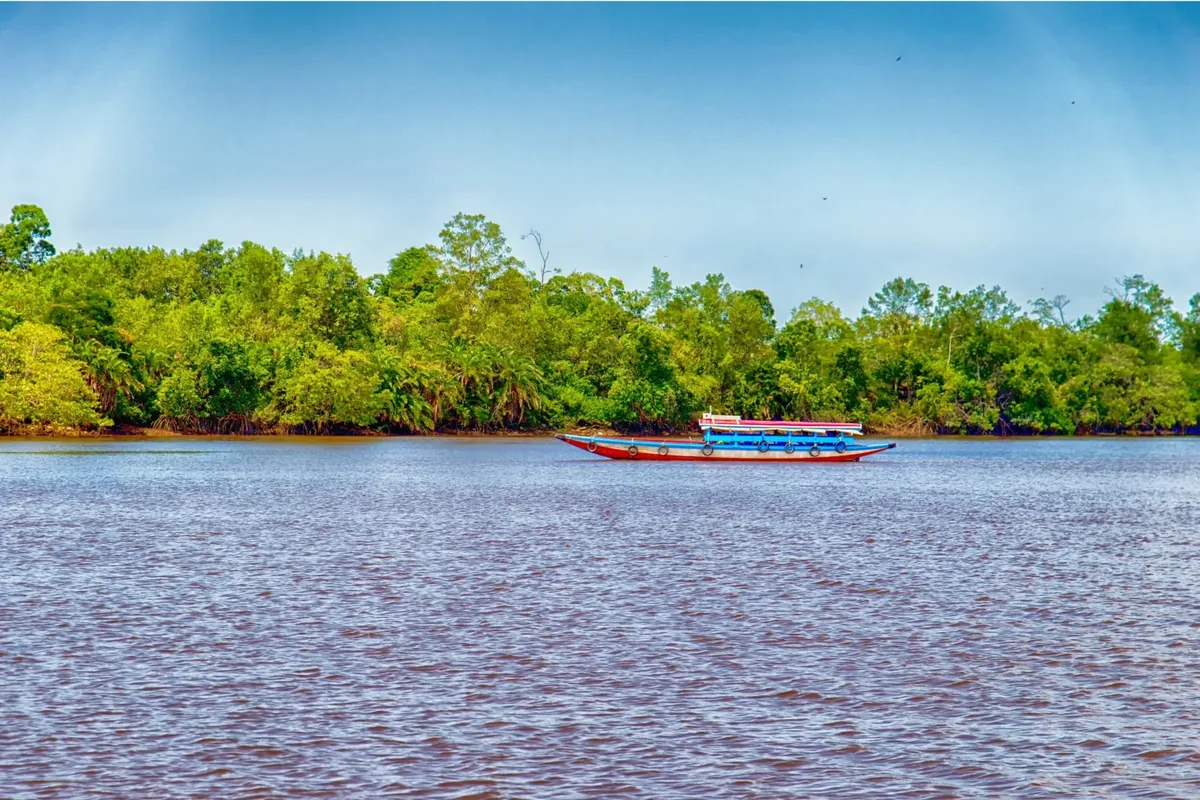
AT A GLANCE
What should a river itinerary explain?
Ask which river and route are proposed, whether each boat segment is transport or an activity, and where you stay. Confirm meeting points, boarding, luggage and guiding arrangements. Upper Suriname uses a road-to-boat connection through Atjoni, but other routes need their own plan. Choose the number of nights after understanding the actual travel chain and time available at the base.
Decide what you want from time on the river
Choose whether your priority is traveling to an inland base, enjoying the landscape from a boat or spending several days with river activities in the itinerary. Those purposes need different arrangements. A transfer may be a memorable part of the journey without being a dedicated observation outing. Ask the proposal to name each boat segment and its purpose, rather than using river journey as a label for the entire trip.
Think about how you prefer to spend a day: moving between places, returning to one comfortable base or balancing an outing with time ashore. Tell the planner if you want photography stops or a slower pace. The proposed route should show where that time fits. A clear preference makes it easier to compare journeys without judging them only by the amount of distance traveled or the number of boat rides listed.
Use Upper Suriname as a specific route choice
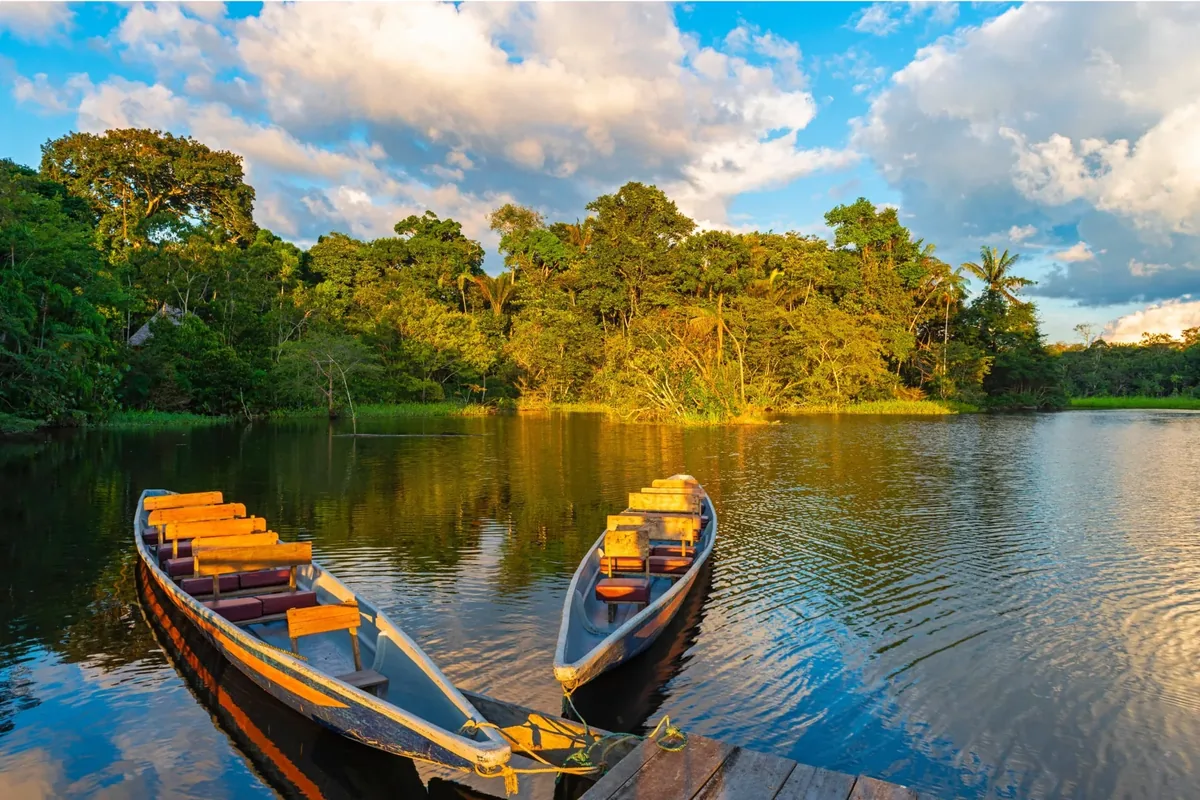
National tourism guidance describes a road journey from Paramaribo to Atjoni, followed by a boat connection into Upper Suriname. Use the Upper Suriname guide to place a potential river stay in that travel chain. Ask for the actual accommodation destination, meeting point and provider responsible for the onward boat. The regional framework gives a starting point; the route to your booked base still needs current confirmation.
Compare the transfer time with the useful time left on arrival and departure days. Ask whether meals and luggage handling are included during those days, and how the meeting works if an earlier connection changes. Do not treat arrival at Atjoni as arrival at your accommodation. A good proposal explains the handover clearly and identifies the final destination rather than leaving the last river segment as an unexplained addition.
Keep a lake outing distinct from a river route
The Brownsberg and Brokopondo guide describes a separate forest-and-reservoir option. If a proposal includes Brokopondo, establish whether it is a lake excursion, a stay by the water or part of a wider route. Do not assume it connects directly with your chosen river accommodation. Compare the actual transport legs and activity purpose before combining areas that look close on a map.
If your interest is simply landscape and a relaxed outing, a clearly described lake day may be worth considering on its own terms. If you want a river-led inland stay, prioritize the route and base that support it. Adding a second water setting should contribute a distinct experience, not repeat a general boat description while adding travel. Ask what changes in scenery, activities and accommodation justify the extra stop.
Check boarding and comfort before choosing a boat segment
Request a description of the boat proposed for each leg, including seating, boarding arrangements and the way luggage is carried. Discuss the help available if someone has difficulty stepping into a boat or balancing during boarding. Tell the provider about mobility needs before the vessel is considered suitable. A broad label such as canoe or river boat does not establish the layout or comfort of a particular journey.
Ask the provider about shade, rain protection and the safety equipment used on that specific segment. Establish the expected time aboard and opportunities for a break where appropriate. Follow crew instructions locally rather than treating general packing advice as a substitute for the actual arrangements. Comfort matters across the itinerary, especially when a traveler enjoys a short outing but would find a longer transfer difficult.
Pack for the confirmed luggage arrangement
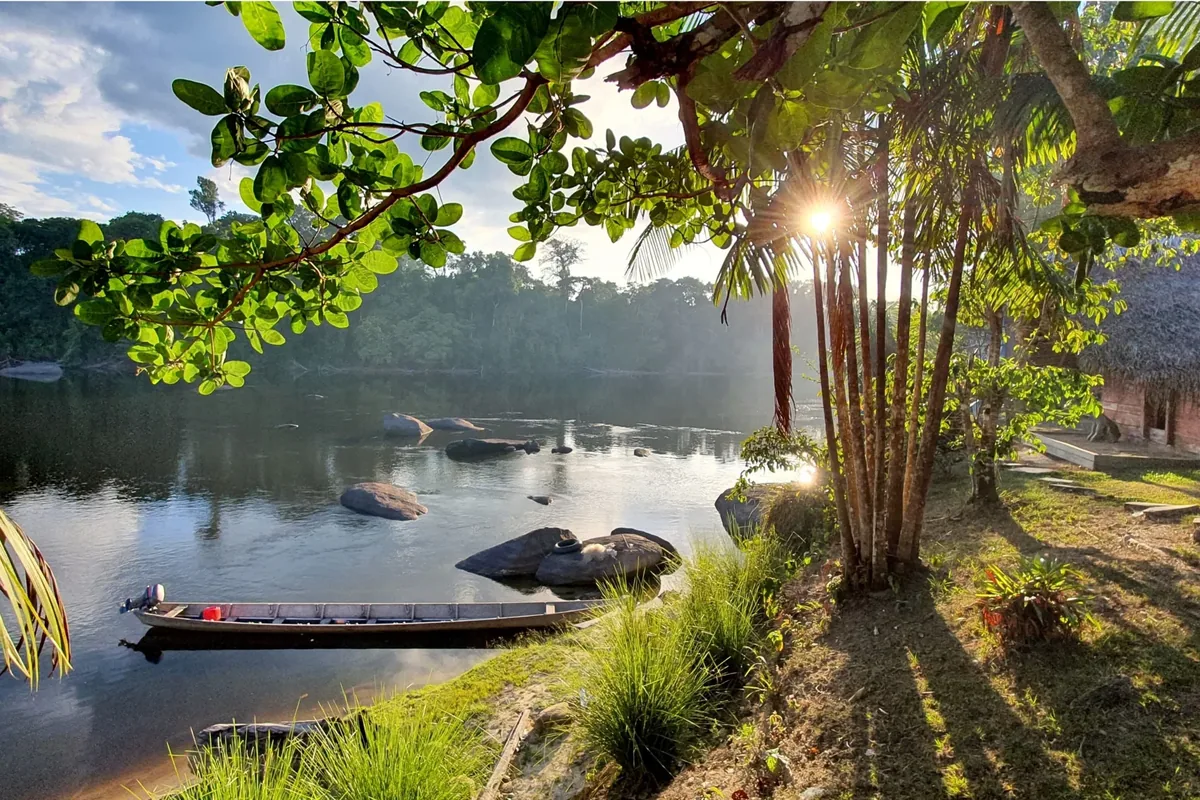
Ask which luggage limits apply to your proposed route and whether they differ between transport legs. Identify what should remain accessible during the boat journey and what can be packed away. Discuss protection for cameras, documents and other rain-sensitive belongings. Avoid taking a limit from another itinerary and applying it to this booking; the vessel and connections being used are the relevant starting point.
If you leave luggage in Paramaribo, confirm where it is kept and how you collect it on return. Use the Paramaribo gateway guide to align that arrangement with your city stay. Keep the day bag manageable for boarding and short walks ashore. A practical luggage plan makes handovers easier and helps the river segment fit comfortably into a journey that may also include road travel and different accommodation.
Match guiding with the purpose of the outing
If wildlife observation or photography is the aim, ask whether the boat segment is designed for that purpose and what guiding is included. A transport journey may follow a fixed route and pace without allowing requested stops. Describe your interests before choosing an outing, and ask how time for observation fits with other activities. Use the wildlife guide to set expectations about patient viewing and uncertain sightings.
Ask whether guiding is private to your group or shared, which language is offered and how the group handles different interests. Consider time ashore as well as aboard when comparing proposals. A slower outing is useful when it supports your goal; it should not be promised without checking the route and provider. Clear guiding arrangements turn a general boat description into a more understandable activity plan.
Plan stops as confirmed visits
A riverside community or accommodation seen from the water is not automatically a planned stop. Ask which landings and hosted visits are included, who receives the group and how permission is arranged. Use the community stays guide when a proposal includes hosting. Distinguish a practical transfer landing from a visit, and avoid assuming that a boat trip gives access to homes or private spaces along the route.
If your interest is a museum, craft or conversation, include it as a specific request that needs confirmation. Ask about timing, interpretation and any separate payment. Keep photographs of people subject to their permission rather than treating the passing landscape as blanket consent. A river journey can focus entirely on scenery and nature when no hosted stop is offered; cultural encounters should not be invented to complete the itinerary.
Understand changes and the return connection
Ask how local conditions can affect the proposed route and who decides whether the plan changes. Discuss the alternatives that the provider can actually offer, without assuming every boat journey has the same backup option. Establish the contact arrangement and how a change affects accommodation or other transport. The answer should relate to your itinerary rather than a general statement that travel is flexible.
Allow the return journey its own place in the schedule. Compare the proposed city arrival with onward commitments and ask what contingency the provider recommends. Do not build a tight international departure around a river arrival that has not been assessed. On a short trip, simplify the route if the connections leave too little useful time at the base. A well-paced journey accounts for both directions, not only the appealing outward ride.
Send a brief that makes route comparisons useful
To plan your Suriname rainforest trip, share dates, party size, arrival details and whether you want a river stay or a dedicated outing. Add boarding needs, photography interests and the accommodation comfort you prefer. Say if hosted visits matter or if you want a nature-focused plan. These details help compare a route and base against your priorities rather than choosing from boat-trip labels that may describe different services.
Request a proposal separating each road and boat leg, accommodation, meal and guided activity. Check availability, cancellation terms and the arrangements that remain provisional. An inquiry does not confirm a vessel, route or visit. The strongest river itinerary leaves you understanding where you go, why the boat segments are included and how much time remains to enjoy the water and the chosen base.
Planning questions
Is a boat transfer the same as a river excursion?
No. A transfer primarily connects places, while an excursion needs its own activity and guiding description. Ask about stops, pace and observation time rather than assuming a transport segment includes them.
How does an Upper Suriname journey begin?
National tourism guidance describes road travel to Atjoni followed by a boat connection. Confirm the specific meeting point, accommodation destination and responsibility for each leg for your booking.
Can everyone board the proposed boat comfortably?
Suitability depends on the actual vessel and boarding arrangement. Describe mobility or balance concerns in advance and ask what assistance, seating and equipment are provided.
Does a river journey include community visits?
Only when a specific visit is offered and confirmed. A landing or a view of a village does not establish an invitation to homes or private spaces.
Choose a river journey with a clear purpose
Share your dates, preferred pace and whether you want a stay, a scenic outing or wildlife observation. Add practical boarding and accommodation needs so the route can be discussed clearly.
Share your plansSuriname overview · Plan your trip · Paramaribo · Upper Suriname · Brownsberg & Brokopondo · Central Suriname Nature Reserve · Rainforest accommodation · Community stays · Wildlife · Getting there · Packing and preparation · Share your plans
Sources & scope
Guide reviewed October 8, 2026. Confirm the route, accommodation, activities and transfers. Wildlife sightings remain uncertain. Images illustrate forest and river settings without identifying particular Suriname locations.