
SURINAME RAINFOREST
Upper Suriname river journeys and locally hosted stays
Upper Suriname brings river travel, forest surroundings and locally arranged hospitality into one journey. Choose the base and the welcome offered before filling the itinerary with activities. The road-to-boat handover at Atjoni is part of the planning; so are comfort, guiding and respect for the people who host your visit.
Plan this journey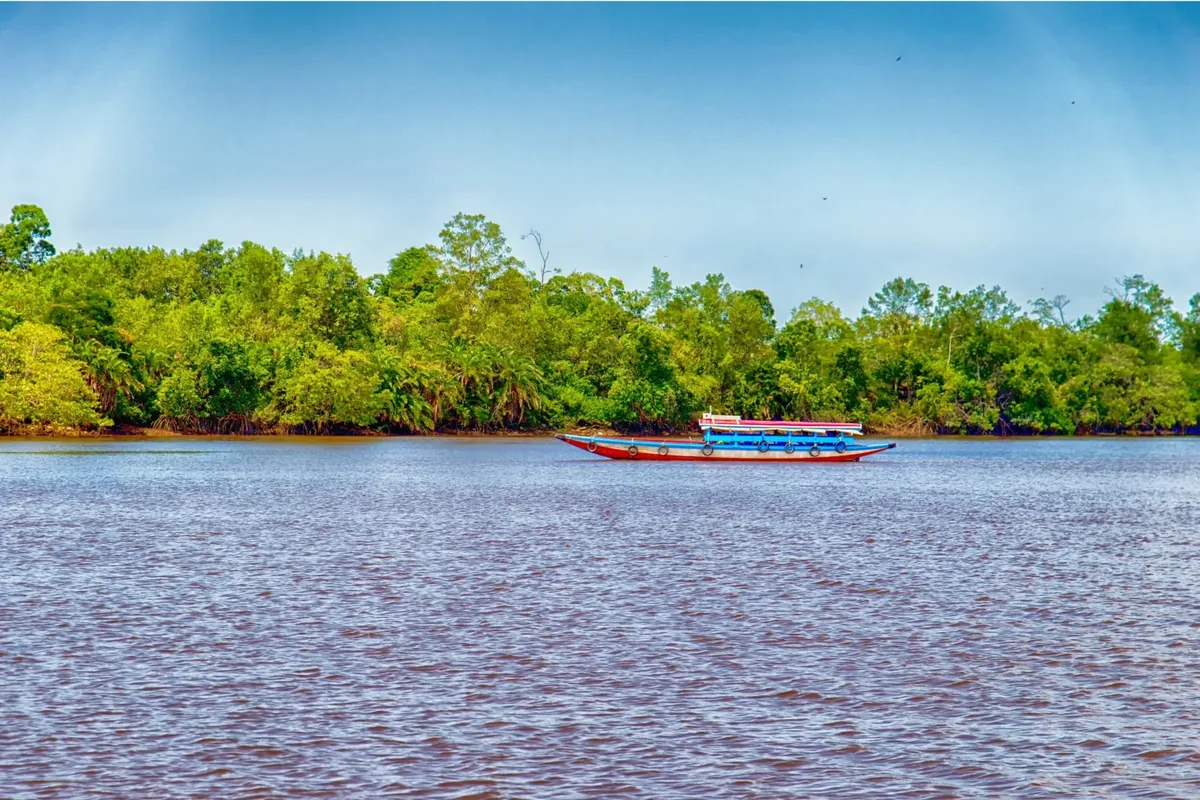
AT A GLANCE
What makes an Upper Suriname journey different?
A trip combines the access journey with time at a river base and the experiences agreed with local hosts. Tourism guidance describes the Paramaribo–Atjoni road connection followed by boat travel into Upper Suriname. A lodge stay, community visit and guided activity are separate arrangements that should be explained in the proposal. Compare usable days, the actual accommodation and what local participation involves. Choose a slower pace if conversation, photography or quiet observation matters more than moving between several bases.
Start with the kind of river stay you want
Decide whether the main interest is time on the water, guided walks, photography, locally hosted conversations or a quiet base surrounded by forest. Those priorities affect how you compare accommodation and activities. A journey focused on observation may need patient stops; a traveler interested in history may want time with a local interpreter. Describe what appeals to you instead of requesting every possible activity. That makes it easier to assess whether the proposed base supports the experience you actually want.
A river stay should also fit the people traveling. Explain comfort with boarding a boat, long seated transfers and uneven walking surfaces before the itinerary is drawn up. Ask what assistance is available without assuming it can be provided in every place. If members of the group have different interests, discuss whether the daily plan can allow rest or shorter outings. A suitable pace is not simply a matter of age or fitness; it depends on the specific journey and the group’s preferences.
Understand the Paramaribo–Atjoni–boat connection
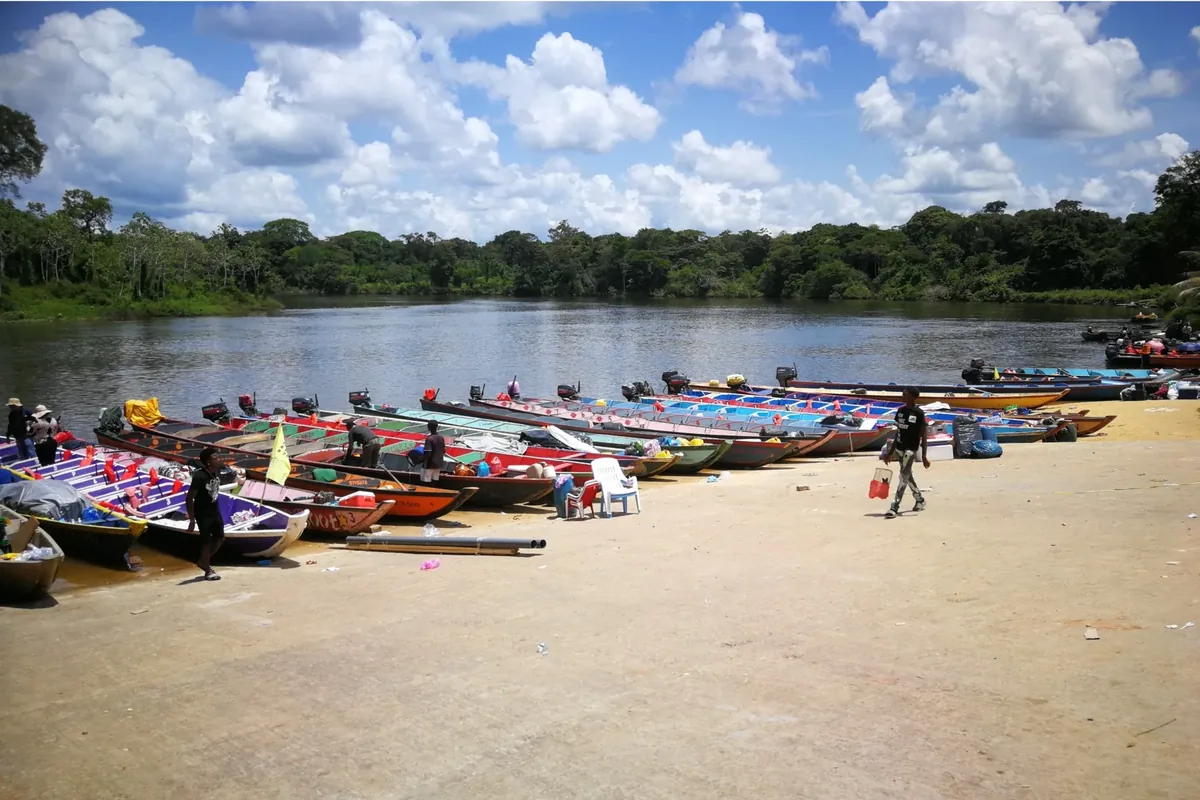
Tourism transport guidance describes a road connection from Paramaribo to Atjoni, where travelers transfer to boats for Upper Suriname. Use that as a starting framework, not as a fixed schedule for every property. The destination determines the final boat leg and the arrangements at arrival. Ask where pickup takes place, who handles the change of transport and whether the entire chain appears in one quote. Confirm the return as well as the outward route before choosing the number of nights.
At a handover, clarity about bags and people matters. Ask which items should remain accessible, how luggage is protected from rain or splashes and what the provider requires for size or weight. If the journey includes a meal stop or other break, check whether it is part of the actual plan. Avoid assuming that a boat transfer also includes guided observation or sightseeing stops. A practical connection can still be an enjoyable part of the trip without being described as something it is not.
Choose a base for its hosting and everyday comfort
Compare the proposed accommodation through room arrangements, bathrooms, insect protection, drinking water, meals and charging opportunities. Ask for current photographs of the room category in the quote and an explanation of how activities depart from the base. A label such as river lodge or community stay does not establish a level of privacy or a facility. Explain what your group needs in concrete terms so comfort can be discussed before the final property is selected.
Ask who runs the stay, who welcomes guests and how local people guide or host activities. A base can involve different relationships between accommodation providers and nearby communities; do not assume one photograph or marketing label explains them. If you prefer time for conversations and a locally led walk, make that interest clear. If quiet rest is more important, discuss the daily rhythm instead. The proposal should describe the actual arrangements rather than ask you to infer them from the setting.
Let local hosts define the welcome
A respectful community visit begins with the welcome that hosts have agreed to offer. Ask which activities are locally led, who interprets when necessary and how the visit fits everyday routines. A community is not an open list of attractions. Private spaces, ceremonies and personal stories remain the choices of the people involved. Permission for one visit should not be treated as a general permission to enter other places or record everything that happens.
Discuss photographs before raising a camera, including how images may be used or shared. Accept a refusal without pressure and let your guide or host explain local expectations. Meaningful contact does not need a staged performance: time to listen and follow a host’s lead can be more valuable than adding an event. If a planned visit changes, ask how the itinerary responds while respecting that decision. The quality of the journey includes the relationship with hosts, not just the number of activities completed.
Consider Pikin Slee as a specific cultural stop
The tourism guide identifies the Saamaka Museum in Pikin Slee, created by the Totomboti art collective, as a place connected with Saamaka history and culture. If this is a priority, ask whether a visit fits the chosen base and transfer route. Confirm current opening arrangements, the form of interpretation and any visitor requirements. Do not assume that a museum mention includes unrestricted access to the surrounding village or participation in private events.
A cultural stop deserves time for explanation as well as transport. Ask what the visit focuses on and whether a local host or interpreter is part of the arrangement. Let the people presenting their history determine what they wish to share. If the museum cannot be included, discuss other locally agreed ways to learn rather than treating cultural experiences as interchangeable substitutes. The itinerary should show the actual purpose and conditions of the visit, so expectations remain respectful and realistic.
Separate river transfers from river activities
A boat leg may be a transport connection, a guided outing or a combination agreed in advance. Those uses can involve different stopping time, seating and attention from the guide. Ask which one appears in your itinerary and what the boat arrangement is for your group. If photography matters, discuss whether there is time to pause and how equipment can be handled without affecting boarding or the crew’s work. Avoid expecting every transfer to operate like a leisurely excursion.
For any proposed water activity, ask about the setting, supervision and conditions under which it runs. Do not infer suitability for swimming or independent paddling from a scenic photograph. Follow the provider’s instructions and discuss alternatives if an activity does not fit your group. Wildlife observation should allow for quiet stretches and uncertainty, with no particular encounter promised. The river’s landscape, the journey and time with your hosts can all matter even when the outing does not produce a specific sighting.
Balance forest walks with time at the base
Ask how the proposed walk is described in practical terms: surface, slopes, duration, rest opportunities and the option to turn back. Tell the guide if you prefer patient observation or if one traveler needs a shorter outing. A forest walk is not improved simply by making it longer. Confirm what suits the group and what can change with conditions. Treat walking and boat activities as parts of the same day, with enough space for meals, equipment and rest.
Time at the base can be worthwhile when it supports the purpose of the stay. Someone interested in photography may want to review and protect equipment; another traveler may prefer a quiet period after a transfer. Ask how flexible the daily plan is without assuming every activity can be rearranged. A slower day should be a deliberate choice, not a gap filled with a promised experience that has not been agreed. Compare the route according to how you want to spend the time.
Check inclusions and the number of usable days
Read the quote as a sequence: pickup, road transfer, boat connection, accommodation, guiding, meals and return. Ask which activities are included and which are optional or subject to separate confirmation. Count full days at the base separately from arrival and departure periods. If a proposal adds another base, ask what it contributes and how much time is used moving. Similar headlines do not establish equivalent journeys, particularly when transfer and hosting arrangements differ.
Check the room category, group arrangements and who coordinates the journey if something changes. Ask for payment and cancellation terms and an explanation of what happens when a planned connection or visit cannot take place. Keep the confirmed route and contact details available offline. Do not assume an all-inclusive description covers every drink, activity or transfer unless the proposal states it. A clear written account helps protect the time and experiences your group has chosen. Also compare Brownsberg & Brokopondo and Central Suriname Nature Reserve against your priorities.
Link your river stay with the rest of Suriname
Use the Paramaribo gateway guide to organize the city stay and the connection into Upper Suriname. If you are comparing other interior regions, start with the Suriname rainforest overview and identify what a second area would add. Keep the return route aligned with fixed onward travel. A well-chosen river base can be the center of the itinerary, rather than one short stop among several places whose transfer demands have not been considered together.
To plan your Suriname rainforest trip, send dates, group size, the activities you value most and the comfort details that matter. Say whether Pikin Slee is an interest to explore, whether boat travel needs particular attention and how much walking you want. Separate essential needs from flexible preferences. An inquiry begins a planning conversation; it does not reserve a lodge or confirm a community visit. Evaluate the resulting proposal against your priorities before treating its arrangements as booked. Rainforest accommodation and Community stays provide questions for comparing facilities and hosting arrangements. River journeys and Wildlife help compare the purpose of outings and time for observation. Getting there and Packing and preparation help prepare the transfers and luggage for the itinerary.
Planning questions
How do I reach Upper Suriname?
National tourism guidance describes road travel from Paramaribo to Atjoni followed by boat travel. The final destination and provider determine the actual handover and onward connection. Confirm the complete route, pickup, luggage rules and return plan for your dates rather than relying on a general duration or a map.
Is a lodge booking the same as booking a community visit?
No. Ask who operates the accommodation, which locally led activities are included and who agrees to receive visitors. A room reservation does not establish permission to enter private spaces, take photographs or attend events. The proposal should make hosting and activity arrangements clear, with local consent respected throughout.
Can I visit Pikin Slee and its museum?
The national tourism guide identifies the Saamaka Museum in Pikin Slee, created by the Totomboti art collective. If it interests you, ask whether a visit fits the chosen route and confirm current opening and hosting arrangements. Its presence in a guide does not make it an automatic inclusion in every Upper Suriname itinerary.
How should I compare two river-stay proposals?
Compare the base, room category, complete transfers, guiding, meals, activities and exclusions. Count full days separately from travel days. Ask how hosts participate and which visits require confirmation. A proposal with more stops is not necessarily better for your interests; patient time at one base may be more useful.
Plan a river journey around your group and your hosts
Tell us your dates, group size and the balance of river time, walks and locally hosted experiences you want. Add any boat, mobility or accommodation concerns. We can discuss the route and the questions to resolve; availability and hosting arrangements still need confirmation.
Share your plansSuriname overview · Plan your trip · Paramaribo · Brownsberg & Brokopondo · Central Suriname Nature Reserve · Rainforest accommodation · Community stays · River journeys · Wildlife · Getting there · Packing and preparation · Share your plans
Sources & scope
Guide reviewed October 8, 2026. Confirm transfers, visits and accommodation for your itinerary. Images illustrate river and forest settings without identifying specific Suriname locations or properties.