
SURINAME RAINFOREST
Community stays in Suriname: plan with hosts, not assumptions
A thoughtful community stay begins with a specific invitation, clear hosting arrangements and respect for everyday life. Decide whether you want an overnight stay, a hosted visit or a nature-focused base with a separately arranged encounter. Each needs its own description and confirmation.
Plan this journey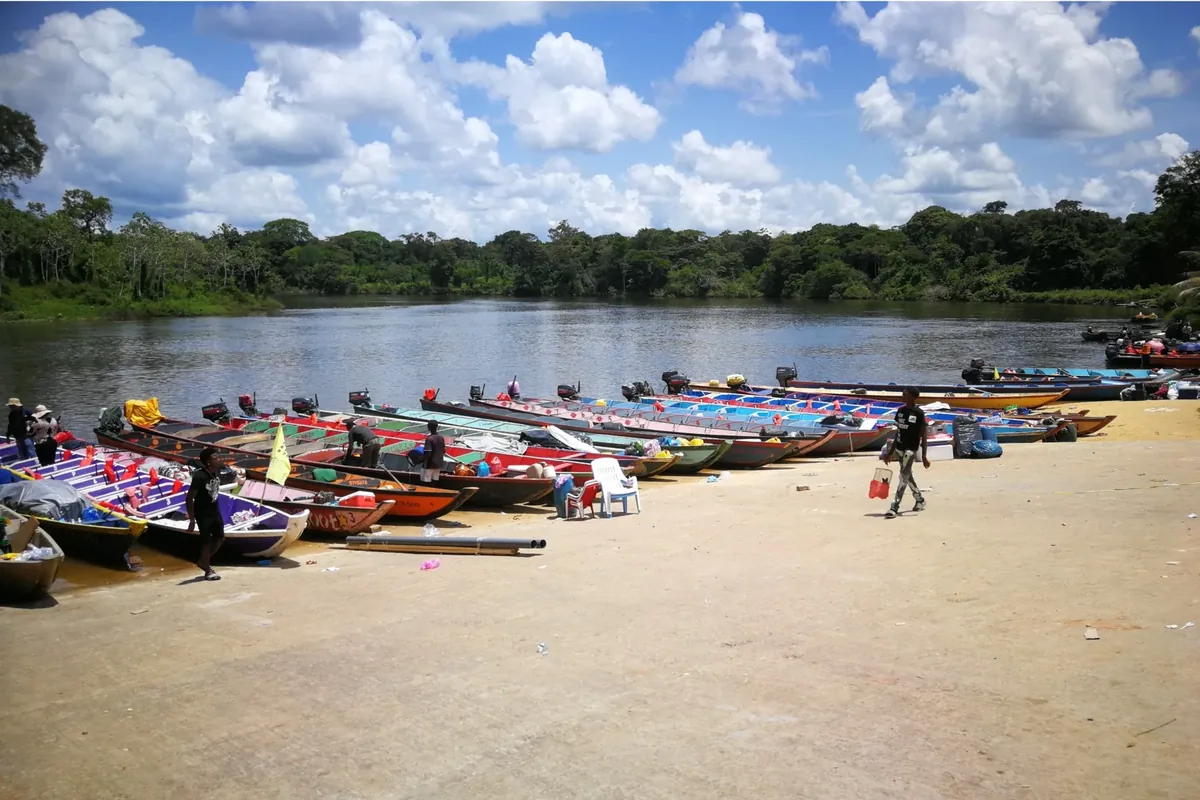
AT A GLANCE
What makes a community stay clear and respectful?
Identify the host, accommodation and visit arrangements before booking. Ask who welcomes guests, what is offered and how payment is handled. Staying near a community does not establish community ownership or permission to visit homes. Confirm photography expectations, suitable activities and the practical transport chain. Let the hosting arrangement guide the visit rather than assuming access to everyday or private spaces.
Distinguish an overnight stay from a hosted visit
A community stay should describe where you sleep and how hosting works; a hosted visit should describe the invitation and activity. These can be parts of one itinerary, but neither automatically implies the other. Ask whether the proposal includes accommodation within a community, a nearby property or a daytime visit from another base. Clear wording makes it possible to choose the experience you actually want without relying on a broad cultural label.
Decide how much of the trip you want to focus on hosting and how much on forest or river activities. A short visit can be meaningful when its purpose and arrangements are understood. An overnight stay may offer a different pace, but its details still need confirmation. Avoid treating a longer stay as proof of deeper access to private life; the hosts' invitation and preferences determine what is appropriate.
Place Upper Suriname in the itinerary
National tourism guidance describes Atjoni as a road-to-boat connection for Upper Suriname. The Upper Suriname guide helps place a potential stay in that route, but the final destination and hosting arrangement need to be identified separately. Ask where you meet the host or accommodation representative, how the boat connection is coordinated and what is included. A region name does not tell you which community or property the proposal uses.
Do not assume all visits in Suriname follow that same route or offer the same experience. For any other proposed area, ask for its own travel chain, invitation and accommodation details. Compare the useful time with hosts after arrival and before departure, rather than adding an encounter to a transfer day without checking feasibility. A well-paced itinerary allows time to settle in and understand the visit before beginning activities.
Know who is hosting and operating the stay
Ask who operates the accommodation, who organizes visits and who guides the activities. If the proposal uses terms such as community-owned or community-led, request a clear explanation of what those terms mean for that particular booking. A local guide, nearby village and locally staffed property are valuable but different facts. The accommodation should be described accurately without assigning an ownership structure that has not been confirmed.
If direct local benefit is important to you, ask how the booking and any activity payments are handled. Seek a straightforward explanation rather than an unsupported promise about percentages or how every payment is distributed. Tell the planner what matters in your choice so the conversation can check the relevant details. Clear responsibilities also help when you need to ask a practical question during the stay or resolve a change.
Let hosts define the appropriate visit
Ask what guests are invited to do, which spaces are appropriate to enter and whether any parts of the proposed visit require separate permission. Daily life continues while travelers are present. A stay does not make homes, private gatherings or workspaces attractions available on demand. Choose activities that the hosts specifically offer, and allow them to explain what fits the timing and context of the visit.
If your interests include craft, food or history, describe them as interests that need to be matched with a confirmed invitation. Do not ask a planner to promise ceremonies or personal encounters simply to fill the itinerary. A nature walk, conversation or quiet time at the base can be worthwhile when it is genuinely offered. The quality of the visit depends on clear expectations and willing participation rather than a long list of cultural activities.
Ask before making photographs or recordings
Discuss photography expectations with the host or guide before the visit begins. Ask permission from the person you wish to photograph rather than treating a general welcome as blanket consent. Accept a refusal without turning it into a negotiation. Buildings, objects, conversations and gatherings can also have expectations that need checking. A travel photograph is optional; respect for the people involved remains part of the visit even when you leave without that image.
Tell the planner if photography or video is a major purpose of your trip, including any intended public or commercial use. That gives the hosting arrangement a chance to consider the request beforehand. Avoid presenting children or residents as props in a travel story. When sharing an image, keep its description accurate and avoid assigning a community, activity or personal story that the host has not identified for you.
Choose accommodation with practical expectations
Use the rainforest accommodation guide to compare sleeping arrangements, bathrooms, meals and power for the proposed stay. Ask which facilities are shared and whether the room type is the one shown in current photographs. Tell the planner about dietary needs, mobility or equipment before deciding the accommodation is suitable. Community hosting and room facilities are related parts of a booking, but one does not establish the other.
Ask about the route between sleeping areas, meals and activity departure points. Clarify what guests should bring and how wet belongings or luggage are handled. Decide which facilities are essential and where you are comfortable being flexible. A respectful stay does not require hiding practical questions; clear answers help hosts and guests understand each other and avoid expectations that the actual accommodation cannot support.
Consider Pikin Slee as a specific cultural interest
National tourism guidance identifies the Saamaka Museum in Pikin Slee and credits its creation to the Totomboti art collective. If that museum interests you, ask whether a visit can be arranged for your dates and how it fits the proposed route. Confirm the opening, guiding and transport arrangements for the actual visit. A named museum provides a specific topic for inquiry, without implying access to unrelated private activities.
Use a museum visit to learn through the interpretation that is offered, rather than expecting one stop to explain every community or individual. Ask what language is available and how much time the plan allows. Distinguish the museum arrangement from the accommodation and any other hosting. Avoid promising ceremonies or encounters that are not part of the confirmed visit; a focused cultural interest is more useful than a generic checklist.
Balance hosted time with river and forest activities
Ask the itinerary to show hosted visits, nature outings and rest separately. Confirm whether the same guide handles different activities or whether a handover is part of the day. A river transfer is not automatically an excursion, and an overnight stay does not establish a guided forest walk. Clear descriptions make it easier to see whether the plan has enough time for the experiences you value without overloading the host or traveler.
Consult the Suriname rainforest overview when comparing this route with other inland options. If your main priority is wildlife observation or walking, choose an appropriate nature itinerary and add only visits that are specifically offered. If hosting is the priority, leave room for the agreed pace rather than treating every moment as an activity to be delivered. A balanced plan respects both the traveler's interests and the hosts' arrangements.
Send an inquiry that respects the invitation
To plan your Suriname rainforest trip, share dates, party size, accommodation needs and the kind of hosting you hope to experience. Include language preferences, dietary requirements and any photography intentions. Say whether you want an overnight stay or a hosted daytime visit. These details help assess a suitable arrangement without assuming that a particular community, host or activity is available simply because it appears in a guide.
Request a proposal identifying the accommodation, host or activity organizer, transport, meals and payments that are included. Ask which details still require confirmation and how changes or cancellations are handled. An inquiry does not establish an invitation or reserve a stay. The goal is a visit with a clear welcome, practical arrangements and enough time to learn through what the hosts choose to share.
Planning questions
Is a stay near a village automatically community-owned?
No. Location, staffing and ownership are separate facts. Ask who operates the accommodation and what supports any community-owned or community-led description in the proposal.
Does an overnight stay include visits to homes?
Only when a specific visit is offered and permission is confirmed. An accommodation booking does not establish access to private spaces, gatherings or everyday activities.
Can I photograph residents during a visit?
Discuss expectations in advance and ask permission from the person involved. Accept refusals. Explain public or commercial use beforehand rather than assuming that a general welcome covers photography or recording.
Can the Saamaka Museum be included?
Treat it as a specific request for current confirmation. Ask about opening, guiding and transport for your dates, and distinguish the museum visit from your accommodation and other hosting arrangements.
Build a visit around a clear welcome
Share the kind of stay or hosted visit you are considering, your dates and practical needs. We can discuss the arrangements and invitations that need confirmation.
Share your plansSuriname overview · Plan your trip · Paramaribo · Upper Suriname · Brownsberg & Brokopondo · Central Suriname Nature Reserve · Rainforest accommodation · River journeys · Wildlife · Getting there · Packing and preparation · Share your plans
Sources & scope
Guide reviewed October 8, 2026. Confirm accommodation, hosts, visits and transfers for your itinerary. Images illustrate forest and river settings without identifying particular properties or communities.