
SURINAME RAINFOREST
Plan your Suriname rainforest trip
A good Suriname itinerary starts with a few clear decisions: what you want to experience, how you prefer to travel and what makes a comfortable stay. Choose the core region first, then check the transfer chain and accommodation. This guide helps turn those choices into a useful inquiry and a proposal you can assess.
Plan this journey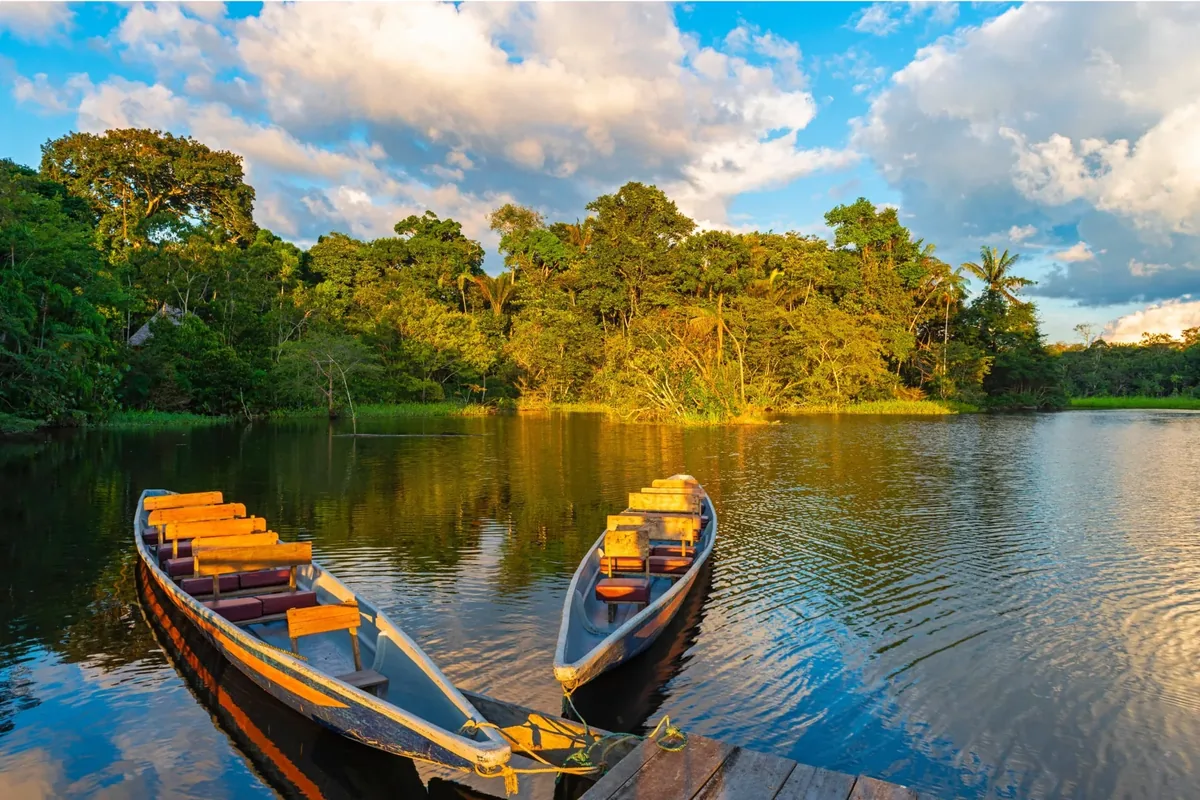
AT A GLANCE
How do you begin planning a Suriname rainforest trip?
Start with one core area and a realistic pace. Upper Suriname introduces a road-and-river journey with locally arranged stays; Brownsberg and Brokopondo offer another landscape and activity mix. A Central Suriname Nature Reserve journey needs its own access plan. Compare the full transfers, actual nights at your base and accommodation details before adding destinations. Share your dates, group size, walking preferences and arrival constraints so the proposal can reflect your needs rather than a generic checklist.
Start with what matters to your group
Begin with the people traveling rather than a list of places. Ask each traveler what they most want from the journey: quiet forest time, photography, river travel, guided walks or locally hosted conversations. Note differences in walking confidence and comfort with boat transfers. A group can share a destination without wanting the same daily pace. Explain those differences in the inquiry so an itinerary can make room for rest, shorter outings or a different activity focus where arrangements allow.
Make comfort requirements concrete. Private bathrooms, room sharing, dietary needs, charging equipment and help with boarding are more useful to discuss than a broad label such as luxury or adventure. If a traveler has a firm limit on a type of transfer, state it before regions are chosen. Separate essential requirements from preferences you can compromise on. That distinction helps evaluate proposals and avoids reaching a late stage only to discover that the central route does not fit your group.
Choose one core interior region
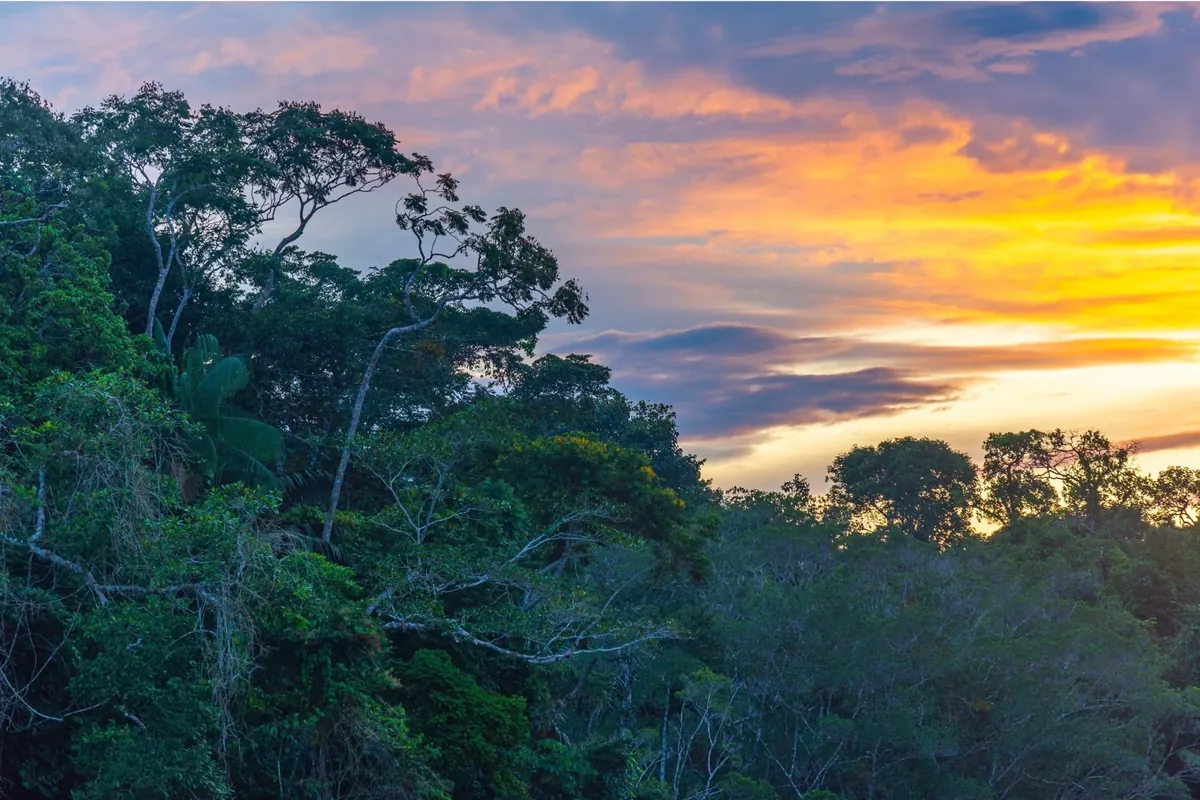
Use the Suriname rainforest overview to compare the character of each area before selecting a route. Upper Suriname brings river travel and local hosting into the discussion. Brownsberg and Brokopondo suit a different comparison of forest walks and reservoir landscapes. The Central Suriname reserve is a distinct forest-conservation setting whose practical access requires careful confirmation. Decide which experience deserves the most time instead of assuming every region should appear in the same trip.
Once you choose the core region, ask how many nights at the base support the activities you want. Count full days separately from arrival and departure periods. If there is room for a second area, explain what it adds: a different landscape, another activity or time in the city. Avoid adding a stop simply because its name is familiar. A clear reason for each move makes it easier to judge whether the route offers useful variety or just more transfers.
Build the transfer chain before booking
Write the journey as a chain of meeting points, transport legs and handovers. For Upper Suriname, national tourism guidance describes road travel from Paramaribo to Atjoni followed by a boat connection. Other interior journeys may use small aircraft from Zorg en Hoop. Ask the provider to identify the connection for your actual destination, who is responsible at each stage and whether the transfers are included in one arrangement or booked separately.
Check both the outward and return connections against your international travel. Confirm the arrival point, city overnight if needed, next meeting time and how luggage moves between vehicles or boats. Ask what happens if your incoming flight is delayed and how you contact the person coordinating the next leg. A route diagram can be simple, but it should be complete. Do not make a non-refundable commitment based on a connection that has only been assumed.
Compare a road-and-river route with air access
Road, river and air options should be compared for a specific destination, rather than ranked in the abstract. Ask about the time away from your base, opportunities to stop, boarding arrangements and the luggage rules for the actual service. A river journey may be part of the experience you want; another traveler may prefer to reduce transfer time. Neither preference is wrong. The important question is which confirmed route fits your interests and practical needs.
Look at the complete quotation when comparing transport. A shorter airborne leg does not describe the final connection to the property, and a road-and-boat combination does not tell you how much guiding or observation it includes. Ask whether the boat leg is simply a transfer, whether a guide travels with you and what arrangements exist for rain or changes. Compare only confirmed options, and keep the itinerary flexible enough to respond to the operator’s current advice.
Ask useful questions about your accommodation
Ask for details of the proposed room and the wider base: beds, bathroom arrangements, insect protection, drinking water, meals and electricity. Check whether photographs show the accommodation category in your quote. For a hosted stay, ask who welcomes guests and how the day is organized. Do not infer a facility, a level of privacy or an activity from a promotional image. Each detail that matters to your group needs a clear answer.
Connect your accommodation questions to how you will use the base. Photographers may need a practical place to organize equipment; families may need clarity about sleeping arrangements and meal timing. Someone who prefers shorter walks may value time around the property while others are out. Ask what flexibility is available, without assuming the lodge can provide every request. A suitable base supports your priorities and makes daily routines manageable, even when its facilities are simple.
Plan activities around pace and consent
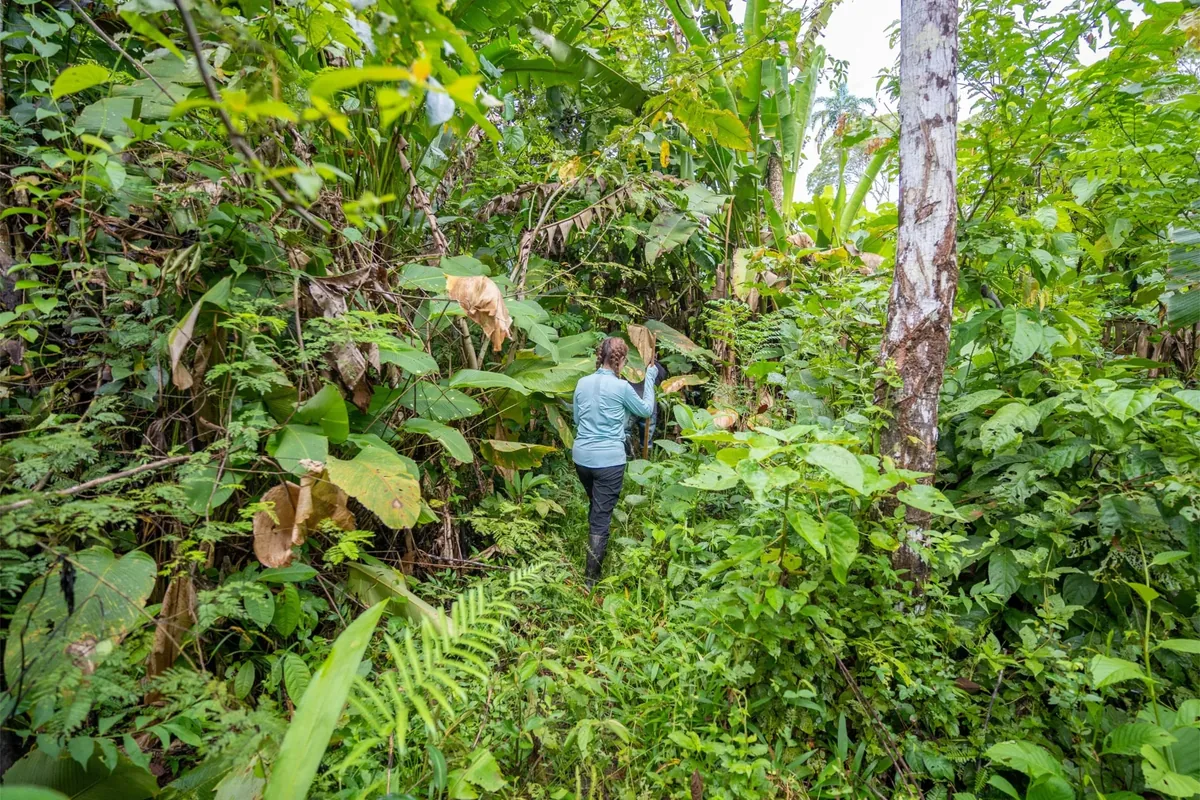
For each walk or outing, ask about the actual route, the expected walking surface, rest opportunities and whether the group can turn back or choose a shorter option. Describe your abilities in practical terms instead of relying on a general fitness rating. Explain if photography or observation makes you prefer a slower pace. The schedule should reflect how you want to experience the place, with room to listen and look rather than rushing between activities.
For community experiences, ask what the host has agreed to offer and how local residents participate. Permission to enter a space does not automatically include photographing its people or recording conversations. Ask before taking pictures and accept a refusal without negotiation. Let hosts explain what is private and which visits suit the day. The itinerary should give a framework for respectful participation while allowing local decisions to shape what happens.
Prepare for luggage and daily comfort
Confirm luggage size and weight rules with the specific transport provider before packing. Ask whether excess luggage can be stored safely at your city base and which essentials should remain accessible during transfers. Plan how to protect clothing, documents and cameras from rain or splashes without assuming the luggage compartment will remain dry. Keep the packing plan simple enough that you can manage your bags during the handovers described in the itinerary.
Ask about laundry, charging opportunities, towels, insect protection and drinking-water arrangements so you can pack for the actual stay. Bring the personal items you rely on and explain equipment needs before a property is selected. If you use a device that requires power, seek a specific answer about supply and backup options. Preparation should be tied to your route and accommodation; a universal packing list cannot establish the facilities or rules of every inland journey.
Read the quotation before committing
Read the quote against the route: accommodation, transport, guiding, meals and activities should be identifiable, with exclusions stated separately. Check the number of nights and whether arrival or departure transfers are included. Ask which room type and group arrangements the price assumes, and which details remain provisional. A proposal can look complete while leaving important decisions open. Resolve those questions before you compare it with another quote or make a payment.
Review payment timing, cancellation terms and the procedure for itinerary changes. Ask who coordinates the trip and which party provides each major service. Discuss what happens if an agreed connection or activity cannot operate; avoid treating an alternative as guaranteed unless it is written into the arrangement. Keep a copy of the confirmed route and terms. The goal is a shared understanding of what is booked, what is conditional and what your group may need to decide later. Also compare Brownsberg & Brokopondo and Central Suriname Nature Reserve against your priorities.
Send a brief that can become a workable route
Send dates, group size, arrival and departure details, the core region you prefer and the experiences you value most. Include walking preferences, boat concerns, room sharing and dietary requests. If you have a budget range, say what it needs to cover so the comparison is useful. State essential requirements first, then list the preferences that can change. A well-organized brief gives the planning conversation direction while leaving room for a more suitable route to be suggested.
When a proposal arrives, check whether it answers your brief rather than simply adding more activities. Ask why the chosen base and transfer plan suit your group, and compare how much time is left to enjoy each setting. An inquiry begins the conversation; it does not reserve rooms, promise a guide or confirm community access. Keep the route provisional until the relevant arrangements are checked. That approach helps turn interest in the rainforest into a trip you can assess with confidence. Rainforest accommodation and Community stays provide questions for comparing facilities and hosting arrangements. River journeys and Wildlife help compare the purpose of outings and time for observation. Getting there and Packing and preparation help prepare the transfers and luggage for the itinerary.
Planning questions
Can I combine several rainforest areas?
You can explore a combination, but first check how the connections work and how much time remains at each base. Regions should not be treated as interchangeable stops. Ask for a day-by-day route and consider whether fewer transfers would give you more time for the experiences you value.
Is air access always better than road and boat?
No. The destination determines the viable access options. Compare the whole journey, including departure points, waiting, luggage limits and final transfer. A flight may serve a different base rather than offer a direct substitute for your chosen river route. Ask which options are actually available for your dates.
What should a quotation explain?
Look for named accommodation or an clearly described category, transfers, guiding, meals, activities, exclusions and payment terms. Ask which arrangements remain provisional and how changes are handled. An inclusive-sounding headline does not replace a written account of what your group will receive and what is paid separately.
How should I approach a community visit?
Ask about a locally arranged welcome, the host’s role and what activities are offered. Respect decisions about photographs, private spaces and events. A proposed stay should explain how residents guide or host visitors without promising unrestricted access. Conversations and visits should follow the welcome offered, rather than a visitor’s fixed expectations.
Tell us what your journey should feel like
Share your dates, group size, interests and the comfort details that matter. Tell us if boats, walks or transfers need particular attention. A clear brief starts a planning conversation; it does not confirm a booking or availability.
Share your plansSuriname overview · Paramaribo · Upper Suriname · Brownsberg & Brokopondo · Central Suriname Nature Reserve · Rainforest accommodation · Community stays · River journeys · Wildlife · Getting there · Packing and preparation · Share your plans
Sources & scope
Editorial guide reviewed October 8, 2026. Access, accommodation and activities must be confirmed for the specific itinerary. Images illustrate forest and river settings; they do not identify specific Suriname properties or locations.