
SURINAME RAINFOREST
Central Suriname Nature Reserve: plan a focused forest journey
Explore the idea of a journey into Central Suriname Nature Reserve through a specific route, not the name of the entire protected area. This extensive Guiana Shield forest deserves a plan with a clear entry point, suitable activities and realistic expectations about comfort and wildlife.
Plan this journey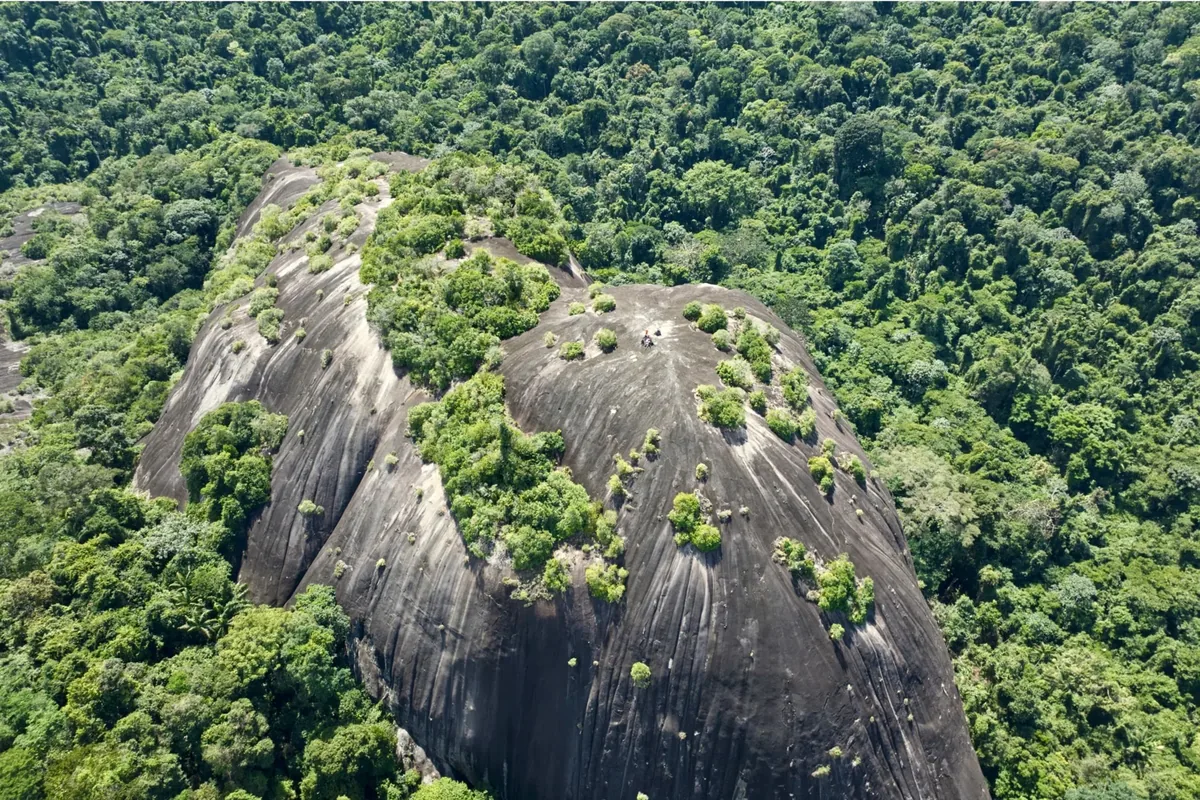
AT A GLANCE
What matters most when planning this reserve?
Start with the exact area and route proposed within the reserve, then check the transport chain, overnight base and activity effort. The UNESCO-listed reserve is a large protected landscape, not a single attraction with a standard visit. Ask what is currently offered for your dates and what arrangements must be confirmed. Build enough time for the journey as well as time in the forest.
Understand the scale before choosing a visit
Central Suriname Nature Reserve is a UNESCO World Heritage property in west-central Suriname. Its protected landscape brings together the earlier Raleighvallen, Eilerts de Haan and Tafelberg reserves. That scale matters for trip planning: the name describes an extensive conservation area, while a visitor's proposed journey uses only a particular route and base. Ask which part of the reserve the itinerary actually reaches before deciding whether it matches your interests.
A broad protected-area label should not replace a detailed plan. Request the overnight location, activities and travel sequence in writing. Explain whether the main goal is a forest walk, bird observation, landscape photography or time in a remote setting. The best proposal makes the connection between that goal and a specific visit visible, without implying that every part of the reserve is accessible on the same itinerary.
Choose a route before choosing an excursion name
When a proposal mentions Raleighvallen or another named area, ask for its full route and the places used for overnight stays. Establish which activities are included and which depend on current arrangements. Avoid assuming that a recognizable place name describes a standard package. Your planning conversation should identify where a guided outing begins, how it connects with the base and what the traveler is expected to carry.
If a viewpoint or a demanding walk is important to you, request an honest description of the effort and a suitable alternative. Ask whether the alternative works within the same booking or changes the route. This protects the quality of the visit for travelers with different abilities. A focused itinerary can be rewarding without trying to fit every named landscape into a journey whose travel logistics have not yet been established.
Make the transport chain explicit
Use the Paramaribo gateway guide to organize the city stay around your confirmed interior departure. For the reserve, request each leg of the proposed journey separately, including meeting points and the final connection to accommodation. Do not assume a city transfer, air connection or boat segment is included merely because a proposal says transport. Establish which arrangements are confirmed for your dates and who coordinates each handover.
Ask how changes to one leg affect the remaining journey. Discuss luggage limits only against the actual transport proposed, and clarify where any luggage you do not take inland can be kept. Allow time on arrival to settle in and understand the plan. For the return, compare the proposed city arrival with your next fixed commitment and discuss contingency rather than placing an international departure immediately after an unverified connection.
Match walking ambition with the actual conditions
Describe your regular walking experience and the effort you would enjoy on holiday. Ask the provider about the route's surface, time on foot, elevation changes and exposure, along with any conditions that alter the plan. Forest walking and an outing onto exposed terrain can call for different preparation. A single fitness label cannot answer those questions for every traveler, so use the particular activity as the basis for the discussion.
Check how guiding, breaks and turn-back decisions work for your group. If photography is a priority, allow time to stop rather than treating the walk as a race to a destination. Request a less demanding option before booking if anyone may need it. Suitable footwear and a manageable day bag help, but packing alone does not make a demanding route suitable; the itinerary itself should fit the people taking it.
Set expectations for the overnight base
Ask for a current description of the sleeping arrangement, bathroom facilities, meals and power at the proposed base. Establish which facilities are shared and which are private. Do not infer the comfort level from the words rainforest lodge, camp or reserve stay. The specific accommodation and services matter more than the category, especially when rest, dietary requirements or equipment charging is important to your plans.
Discuss how drinking water, wet belongings and luggage storage are handled during the visit. Tell the provider about needs that could affect the choice of base before focusing on activities. A remote atmosphere may appeal to one traveler and feel unsuitable to another. Clear expectations allow you to choose the experience knowingly, instead of discovering during the visit that the accommodation differs from what you pictured.
Treat biodiversity as context, not a guarantee
The reserve protects varied forest and other habitats, including granite landforms that are part of its conservation significance. That diversity gives a journey its ecological context; it does not establish what an individual visitor will see. Ask for guiding and activities that suit your observation interests. A bird-focused traveler may value patient listening and repeated stops, while someone interested in forest structure may prefer a slower explanatory walk.
Tell the planner if a particular sighting is your main motivation, and keep the response grounded in uncertainty. Do not accept a wildlife checklist as proof that an itinerary can deliver each animal. Follow guide instructions about quiet movement and distance, and avoid feeding or attracting wildlife. Good interpretation can make the forest visit meaningful even when an animal you hoped to see remains out of view.
Keep the visit within a conservation setting
Approach the reserve as a protected landscape whose visit arrangements need to be understood, rather than a place for unrestricted exploration. Ask the provider to confirm current access arrangements and the activities permitted on the proposed route. Clarify who handles any required formalities without assuming a universal rule or quoting an unverified fee. Respect instructions about where to walk, what to carry and how to leave a site.
Plan to keep litter with you and avoid collecting plants or other natural materials. If the itinerary involves stops hosted by people outside the reserve, treat those as separately arranged visits with their own consent and expectations. Conservation context and community hospitality are different parts of a journey. Neither should be used as a vague marketing claim in place of explaining who guides the visit and what the booking provides.
Compare the reserve with a different inland stay
Consult the Suriname rainforest overview when deciding whether this protected-area visit is the right inland focus. The Brownsberg and Brokopondo guide covers a separate forest-and-lake choice, while Upper Suriname concerns river travel and hosting. Compare those options by the actual time in transit, activities and accommodation, rather than assuming that all rainforest stays provide an equivalent introduction or can be combined without additional travel.
For limited dates, prioritize the area that best serves your main interest and allow it enough time. For a longer journey, ask the planner to show the connection between bases before adding nights. A map can help you understand geography, but it cannot confirm available transport or services. A smaller route with thoughtful guiding and appropriate pacing is often a clearer choice than an ambitious list of disconnected destinations.
Turn your interests into a practical inquiry
To plan your Suriname rainforest trip, provide your travel dates, party size, city arrival and onward commitments. Add walking experience, accommodation priorities and observation interests. If there is a named area or activity you especially want, include it as a preference that needs checking. These details allow a conversation about the proposed route and its suitability before availability, inclusions and pricing are assessed.
Request a proposal separating each transport leg, overnight stay, meal arrangement and guided activity. Ask which details remain provisional and how changes or cancellations are handled. An inquiry does not confirm a booking or access to a particular site. A strong reserve itinerary should leave you understanding where you go, why that route suits you and what has been checked, rather than relying on the protected area's reputation alone.
Planning questions
Can I visit the whole reserve on one trip?
Plan around a specific area and itinerary rather than the entire protected landscape. Ask which route and overnight base are proposed. The reserve name alone does not establish the scope of a visitor journey.
Does UNESCO status establish visitor access?
No. UNESCO recognition explains conservation significance, while access and services for a particular visit need current confirmation. Ask the provider to identify the proposed route and handle any required arrangements.
How fit do I need to be?
That depends on the actual activities. Request walking time, terrain, elevation changes and alternatives. Share your experience and limitations before selecting a route instead of relying on a general fitness label.
Are wildlife sightings guaranteed?
No. Habitat diversity provides context, but sightings remain uncertain. Choose appropriate guiding and time for observation, and explain particular interests without treating an animal list as a promise.
Plan the reserve around a clear route
Tell us your dates, walking experience and forest interests. We can discuss which details a suitable route needs to establish before services or availability are confirmed.
Share your plansSuriname overview · Plan your trip · Paramaribo · Upper Suriname · Brownsberg & Brokopondo · Rainforest accommodation · Community stays · River journeys · Wildlife · Getting there · Packing and preparation · Share your plans
Sources & scope
Guide reviewed October 8, 2026. Confirm access, activities, transfers and accommodation for your itinerary. Images illustrate forest and river settings without identifying specific sites in these protected areas.