
SURINAME RAINFOREST
Packing for Suriname’s rainforest: prepare for your actual route
Pack for the route you have chosen, the facilities at your base and the activities you will actually do. A manageable bag and clear information from the provider are more useful than a universal expedition list. Check the conditions for your dates while leaving room for plans to change.
Plan this journey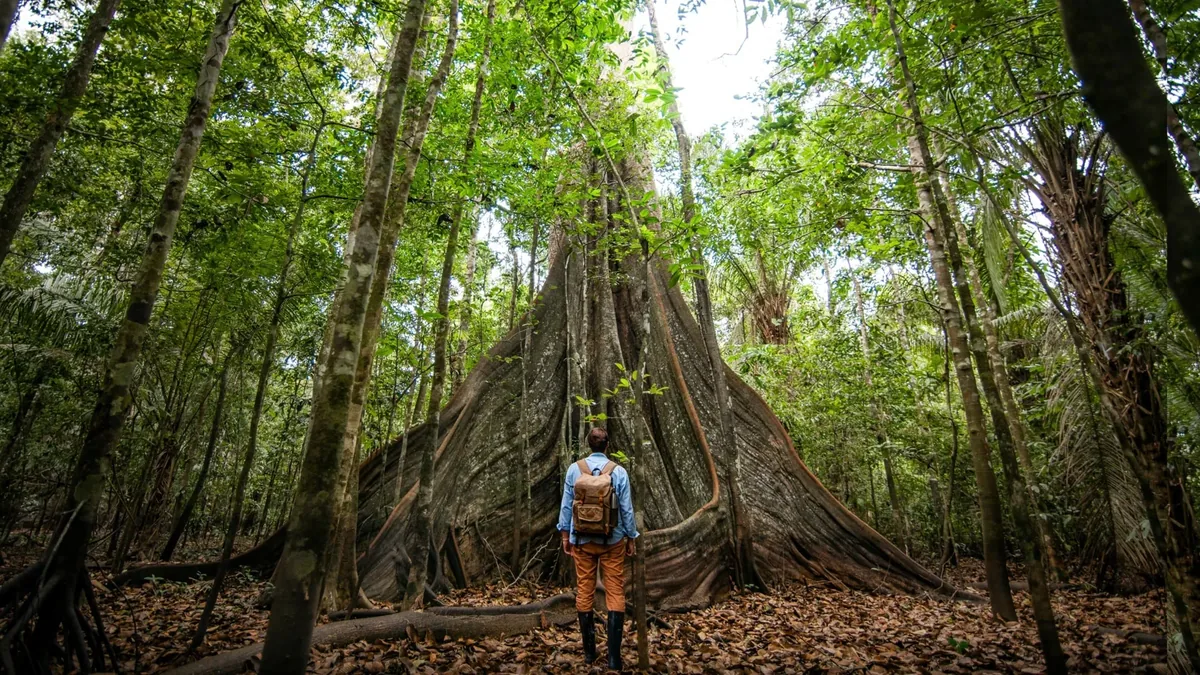
AT A GLANCE
What should you check before making a packing list?
Confirm the transport luggage limits, room facilities, walking or boat activities and items supplied by the provider. Pack a manageable day bag, clothing suited to the planned activities and protection for rain-sensitive belongings. Check current conditions locally; a seasonal label does not guarantee the weather or route. Discuss personal health preparation with a qualified travel-health professional rather than relying on a packing guide.
Start with the confirmed route and overnight base
Use the rainforest accommodation guide to establish beds, bathrooms, power, meals and the facilities for your actual stay. Ask the provider what guests should bring and what is supplied. A forest base, river stay and city hotel should not be assumed to have the same arrangements. Make the list after those answers so you do not pack for an imagined expedition or expect supplies that are not included.
Separate the essentials for the whole journey from equipment for one activity. If a proposed walk or outing changes, ask whether it affects what you need to carry. Tell the planner about camera equipment, mobility needs or other items that influence luggage. The packing plan should fit the itinerary and traveler, not make a demanding or unsuitable activity seem workable merely because extra gear is available.
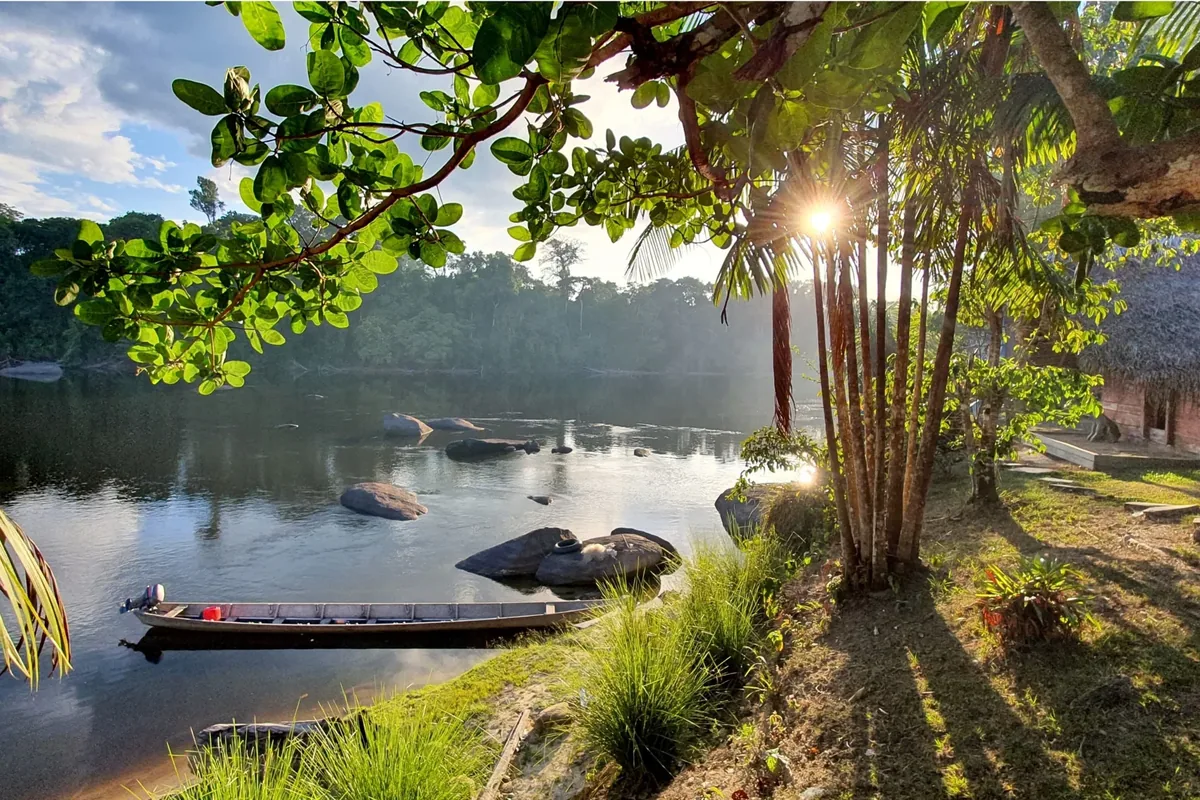
Confirm the bag limits across the journey
Use the getting there guide to identify the transport chain, then ask which luggage limits apply to each leg. Road, boat and any air arrangements need their own confirmation. Establish whether your bags travel with you and who handles them at meeting points. If luggage stays in Paramaribo, confirm the storage and return collection rather than assuming it is part of an inland booking.
Choose bags you can manage through the boarding and final access described by the provider. Keep travel documents and other needed items accessible without opening the main bag during every handover. Avoid taking an allowance from another itinerary as your own. A simple, well-organized luggage plan helps the journey and makes it easier to understand what can reasonably be carried for activities at the base.
Choose clothing for the planned activities
Ask about the clothing recommended for the specific forest walks, boat segments and hosted visits in your itinerary. Favor items that are comfortable for the movement involved and allow a practical change after an outing. Long sleeves or trousers may suit some activities, but the complete choice should follow the conditions and local guidance for your route rather than a rigid universal uniform.
Consider what you will wear at the accommodation as well as during excursions. Clarify where wet clothing can be kept and whether any washing arrangement is available before relying on it. Include a manageable change of clothes according to the length of your stay. If the itinerary has a community visit, ask about the hosts' expectations so the clothing choice respects that visit without inventing a rule for every community.
Match footwear with walking and boarding
Ask about trail surfaces, elevation changes, water exposure and the final approach to your accommodation. Choose footwear suited to the activities actually proposed, and try it before traveling. A waterfall walk and a brief walk between a landing and room may call for different preparation. Tell the provider about balance or mobility concerns; footwear alone cannot resolve a route that does not suit the traveler.
Check whether a second comfortable option makes sense for time at the base and how it fits the luggage allowance. Keep any activity-specific footwear requirement tied to the actual outing rather than an unverified rule. Ask what happens if conditions make the original walk inappropriate. The useful choice is equipment that supports a suitable activity, with alternatives discussed before booking when different members of the party need them.
Protect the belongings that cannot get wet
Plan suitable protection for documents, phone, camera equipment and other rain-sensitive items. Ask how luggage is carried during the proposed boat and road segments rather than assuming every bag remains dry or under cover. A protective outer layer and organized smaller items can make the travel day easier, but confirm the arrangements with the provider instead of treating a product description as a guarantee for the journey.
Keep the day bag manageable for walking and boarding. Consider how you will access equipment during an outing without creating unnecessary handling or slowing the group. Bring protection that you know how to use and check it before departure. Discuss equipment size and weight with the planner when photography is a main interest, so the activity and group arrangement can support it rather than expecting an unplanned accommodation.
Check power, charging and connectivity
Ask how charging works at your specific base and whether any limits affect the equipment you intend to use. Confirm the outlet arrangement before selecting an adapter rather than assuming the same setup at every property. If a device is essential, make that requirement explicit at the inquiry stage. A broad lodge description does not establish continuous power or connectivity suitable for your intended use.
Decide how much equipment is useful for the trip after understanding those facilities. Keep offline access to practical travel information where appropriate, while protecting sensitive documents. If work or a particular device depends on reliable connectivity, discuss that before choosing the base. Additional batteries or accessories do not replace confirmation that the accommodation and itinerary can meet an essential need.
Prepare observation equipment without overloading the day
Use the wildlife guide to match equipment with the pace and purpose of the outing. Binoculars or a camera can support your interests, but their weight should be considered alongside the walking effort and boat arrangement. Ask whether photography stops or slower observation time are part of the plan. Do not assume every transport segment or shared excursion is designed around equipment-heavy photography.
Choose what you can handle comfortably and protect it according to the actual route. Practice with unfamiliar equipment before departure so the visit is not spent learning basic operation. Follow guide and crew instructions about where to stand and how to move. An image remains optional, and equipment should not lead to feeding, attracting or pursuing wildlife or to ignoring permission during a hosted visit.
Check conditions rather than relying on a seasonal promise
National tourism guidance notes that rain can affect road conditions. Ask the provider about the route and activities for your dates, including the process for changing a plan when conditions require it. A seasonal label does not establish a forecast, trail condition or river itinerary. Discuss the practical alternatives available instead of assuming a particular month guarantees dry travel or a specific outing.
Keep timing and packing aligned with the current plan, including the return connection. Ask whether a changed outing affects footwear, luggage or accommodation. Avoid making wildlife promises from a weather expectation; sightings remain uncertain. A flexible visit is one with understood responsibilities and realistic alternatives, not a vague assurance that any route or activity can be substituted at the last moment.
Finish with personal needs and a practical checklist
To plan your Suriname rainforest trip, share the personal requirements that influence accommodation, meals, walking or transport. Discuss health preparation with a qualified travel-health professional using your actual route and dates. This guide does not prescribe medication or determine medical requirements. Ask the provider about practical arrangements that matter to you, and keep necessary items in a place accessible during the journey.
Before departure, check the confirmed baggage limits, activity information, accommodation facilities and meeting details together. Remove items that serve no purpose in the actual itinerary, while retaining essentials for your personal needs. An inquiry does not confirm services or supply every item on a list. The aim is to arrive with manageable luggage, an understood route and equipment suited to the experience you have chosen.
Planning questions
Is there one packing list for every rainforest stay?
No. Confirm the accommodation facilities, transport limits and activities for your route. What is supplied and what guests should bring depend on the actual booking.
Does a seasonal label guarantee dry conditions?
No. Check current local information for your dates and ask how changes affect the route and activities. Season descriptions do not establish a forecast or guarantee an outing.
What matters most for a boat segment?
Confirm luggage, boarding and how belongings are carried. Keep needed items accessible and provide suitable protection for rain-sensitive belongings. Follow the crew instructions for the actual vessel.
Does this guide replace personal health advice?
No. Discuss health preparation with a qualified travel-health professional using your route and dates. The guide covers practical packing questions, not medication or medical requirements.
Prepare for the journey you are actually taking
Share your route, activities and practical needs. We can discuss the luggage, accommodation and equipment details that should be confirmed before departure.
Share your plansSuriname overview · Plan your trip · Paramaribo · Upper Suriname · Brownsberg & Brokopondo · Central Suriname Nature Reserve · Rainforest accommodation · Community stays · River journeys · Wildlife · Getting there · Share your plans
Sources & scope
Guide reviewed October 8, 2026. Confirm the route, accommodation, activities and transfers. Wildlife sightings remain uncertain. Images illustrate forest and river settings without identifying particular Suriname locations.