
Forest observation
Compare walks, pauses and habitat interpretation from the chosen base.
BOLIVIAN AMAZON
Make room to notice more. Explore Bolivia’s forest and river landscapes with patient guiding, realistic expectations and respect for animals in the wild.
Plan this journey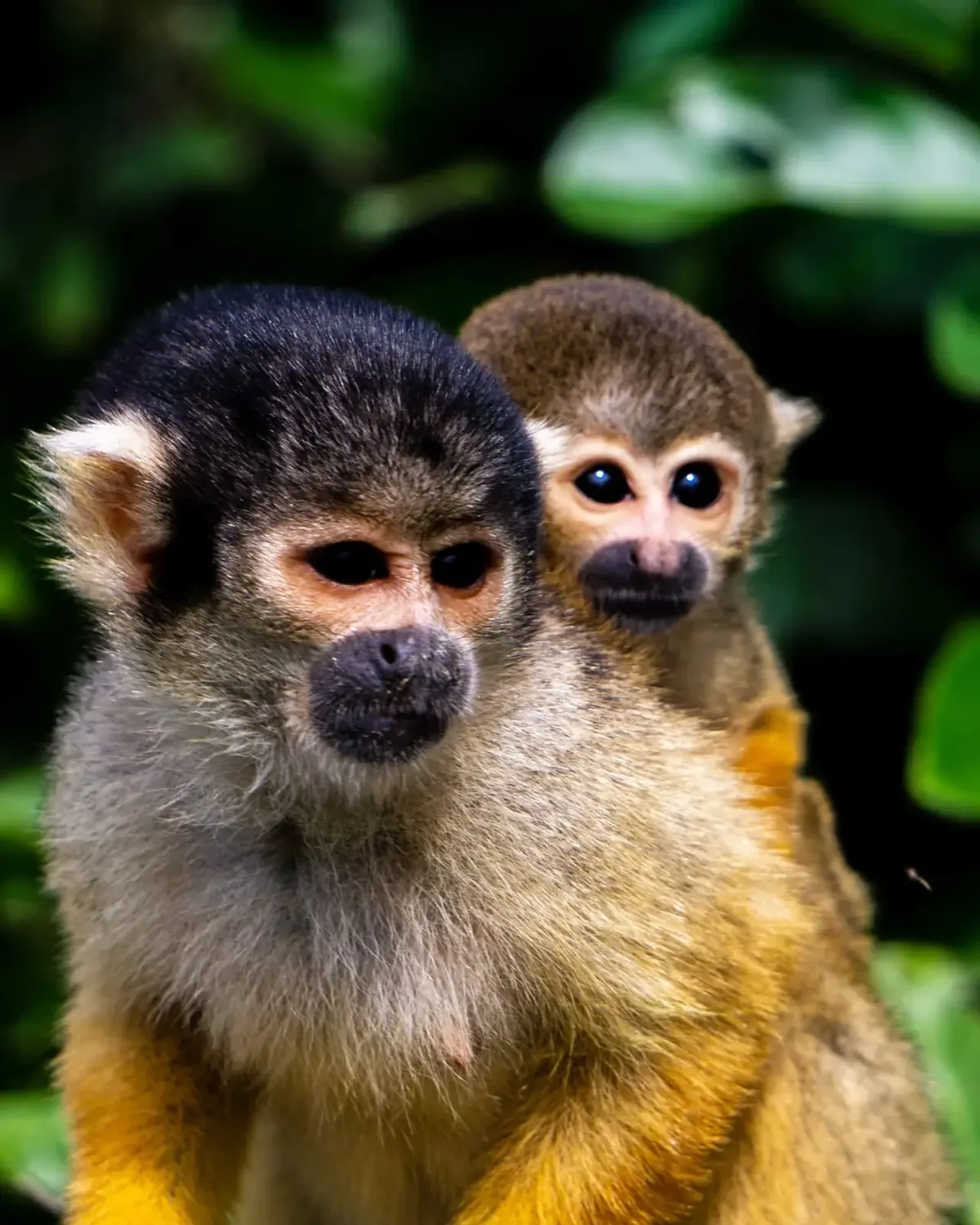
AT A GLANCE
Compare conditions, activities and usable exploration time without relying on weather or wildlife guarantees.
Compare walks, pauses and habitat interpretation from the chosen base.
Balance boat movement with quiet time to watch the riverside.
Discuss guide experience and time for birds within the full program.
Start with the landscape you want to explore. Madidi forest walks and Yacuma river outings introduce different settings, activities and ways of noticing wildlife. Use the forest or pampas comparison to choose the experience, then ask how the specific base and guide support your interests rather than treating a regional species list as an itinerary.
Tell the planner what you would enjoy even on a quieter day: birds, animal behavior, habitat details or photography. This gives the guide a useful direction while leaving wildlife free to appear or remain out of view. A worthwhile outing includes understanding a living place, not simply recording the largest animal encountered.
Use the Madidi guide to compare the proposed walks, river activities and time available from the overnight base. Ask about pace, pauses and how the guide interprets what is encountered. Forest exploration can be tailored to your interests only when the program and your walking comfort have been discussed in practical terms.
Avoid assuming that a long walk produces more sightings than a slower one. Compare group size, the chance to stop and options to adapt the outing. Leave space for sounds, tracks and habitat explanations without requiring every clue to result in a visible animal or a photograph you had planned in advance.
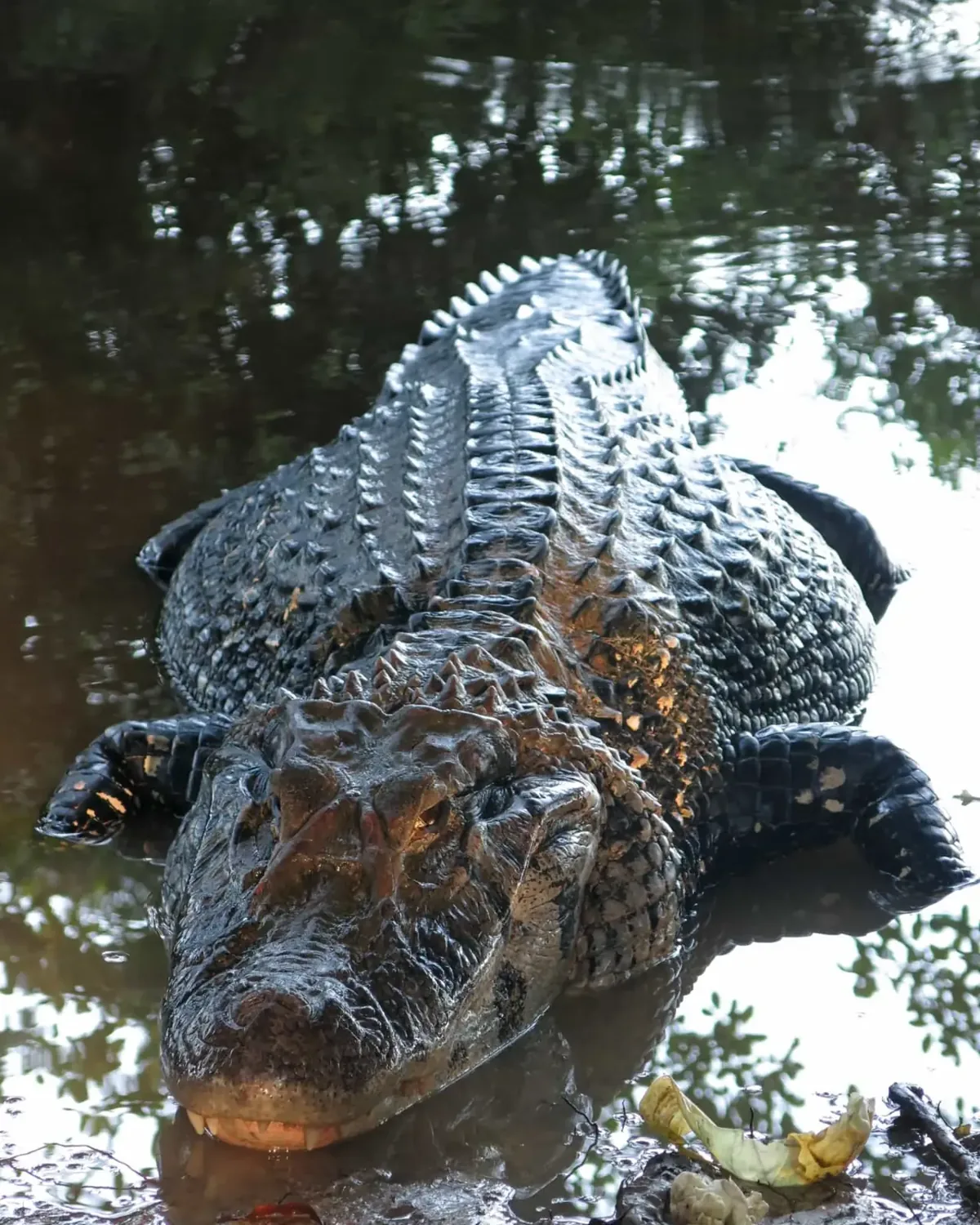
WCS records Bolivian river dolphins, caimans, yellow-spotted river turtles and marsh deer within Pampas del Yacuma. These records describe the protected landscape, not a guaranteed set of encounters on your boat route. Use the Pampas del Yacuma guide to connect wildlife interests with the actual outings and overnight base.
Ask about the balance between movement and pauses and the time available to observe behavior without pressure to continue. The wildlife images illustrate animals and habitats; they do not estimate sighting frequency or establish which riverbank will be accessible from your chosen base during your dates.
Explain whether bird observation is a main interest or part of a broader wildlife visit. Ask about the guide’s experience, time to pause and how an outing accommodates guests with different priorities. A program centered only on conspicuous mammals can miss the quieter observations that matter to someone who enjoys birds.
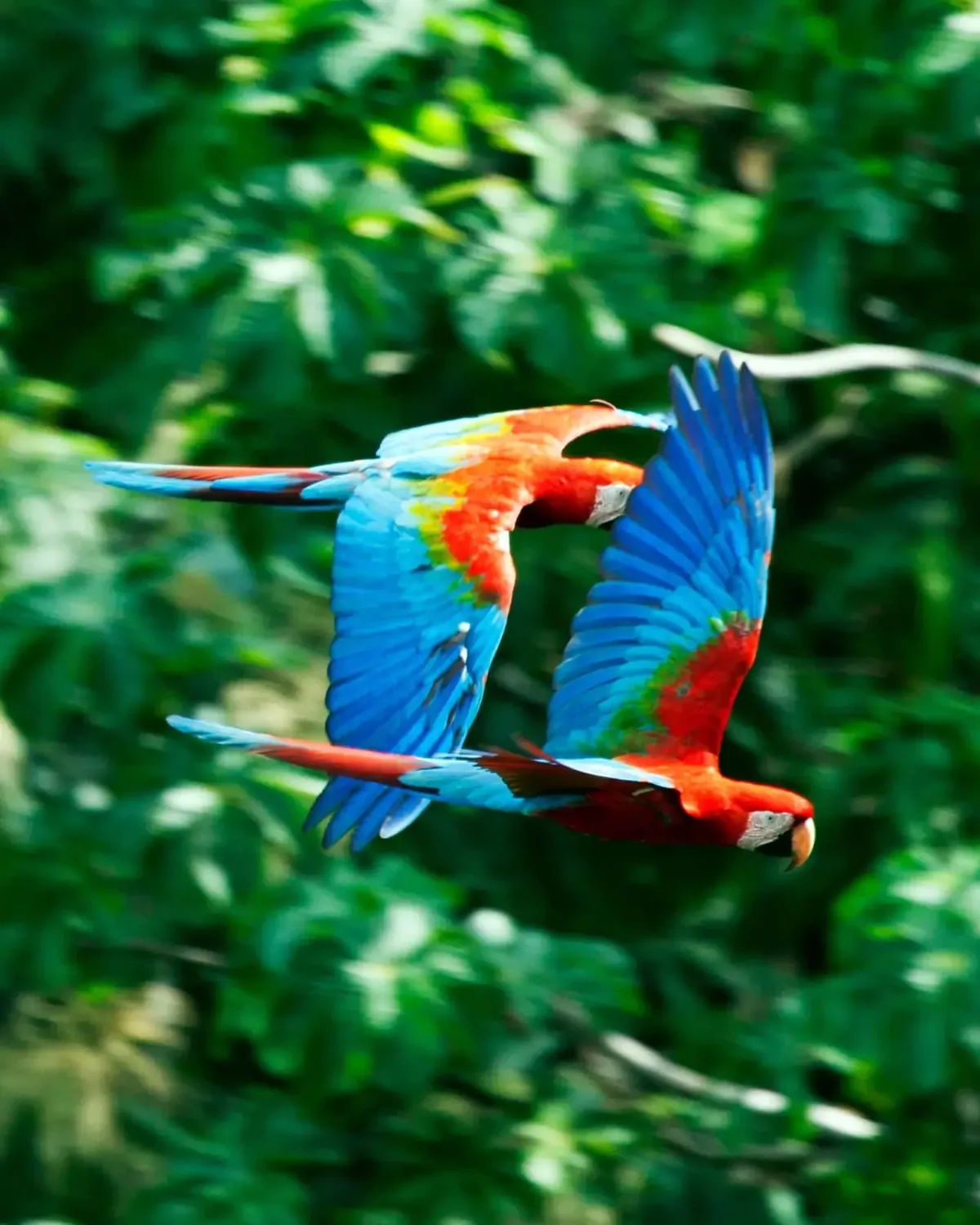
Discuss particular bird interests with the provider and keep them separate from guarantees. Use binoculars and respectful distance; avoid requesting feeding or disturbance to obtain a close photograph. A bird photo illustrates an observation interest, not a prediction of encounters or evidence that every species is present at the proposed base.
WCS identifies threatened endemic wildlife within the Yacuma protected landscape, including the blue-throated macaw and Beni and Olalla titi monkeys. Their conservation importance does not make them routine visitor encounters. Keep regional records separate from the particular route, habitat and viewing opportunities available in your proposal.
Ask a provider to explain a wildlife claim in terms of where an outing goes and the guiding approach, rather than accepting a dramatic checklist. Do not choose a stay because a rare species has been placed beside its name. Compare the overall habitat experience and treat any hoped-for sighting as a possibility.
Ask how guides set distance, manage group noise and respond when an animal changes its behavior or moves away. Avoid feeding, handling, chasing or staging wildlife for pictures. A viewing experience should allow the animal to leave freely and give the guide room to end or change an observation.
Clarify group format, guide language and time for explanations. If photography matters, discuss equipment and the pace you prefer instead of asking for closer contact. Compare providers through their actual practices and response to questions; a responsible label is most useful when supported by a clear description of what visitors do.
Bring your interests into the daily plan while asking what equipment is practical for the proposed activities. Discuss binoculars, protecting cameras from water and where bags are kept during transfers. Keep the equipment choice proportionate to what you want to notice and your comfort carrying it through the actual outings.
For a group with mixed interests, agree how pauses and rest fit into the program. Ask whether a private format changes flexibility or price. A traveler who wants to photograph one scene and another who prefers general exploration may enjoy the same visit more when those preferences are understood before the route is chosen.
Use the timing guide to understand regional patterns and ask how current conditions affect the selected activities. WCS describes annual flooding as part of the Yacuma landscape; a photo from another date cannot establish the water level or the route available during your visit. Confirm what can actually operate from your chosen base.
Ask the guide about worthwhile alternatives if a planned outing changes, and allow time for explanation and quiet observation. Do not turn a month or weather label into a wildlife guarantee. Your dates matter for organizing the journey, but the value of the visit should not depend on a promised encounter occurring at a fixed hour.
Use the accommodation guide to connect your observation interests with the overnight base and usable time outside. Send dates, guest count, walking comfort, preferred group format and any specific bird or wildlife interests. Explain what is essential and what would simply be a welcome bonus during the journey.
Request the actual route, daily activities, inclusions and respectful viewing arrangements before booking. Use the Bolivia planning guide to keep transfers and onward travel coherent. Choose a proposal you would enjoy for its setting and guiding, while leaving room for the unexpected observations that make a visit to a wild landscape memorable. Use the access guide and packing guide to prepare connections and essentials around your selected activities.
No. Regional species records and photographs do not guarantee an encounter on your route or dates.
Choose the habitat and observation style you enjoy, then compare the actual guiding and activities available from each base.
Yes, as interests to discuss with the provider. Keep specific targets separate from promises or guaranteed sightings.
Favor patient distance, low disturbance and no feeding, handling, chasing or staged wildlife encounters.
Share your dates, interests and requirements to compare a focused stay with a well-paced combination.
Share your plansBolivia overview · Plan your journey · Rurrenabaque · Madidi · Pampas del Yacuma · Forest or pampas · Forest and pampas · Accommodation · When to visit · Getting there · What to pack
Editorial review: October 7, 2026. Sources support destination characteristics; trip-planning recommendations are editorial guidance. Confirm current services, routes and conditions before booking. Images illustrate landscapes and experiences; they do not identify booked properties or guarantee sightings.