
River observation
Compare time to pause, boat comfort and the guide’s approach to wildlife.
BOLIVIAN AMAZON
Follow the Yacuma through a landscape shaped by water. Plan a thoughtful stay around patient wildlife observation, a clear overnight base and the conditions on your dates.
Plan this journey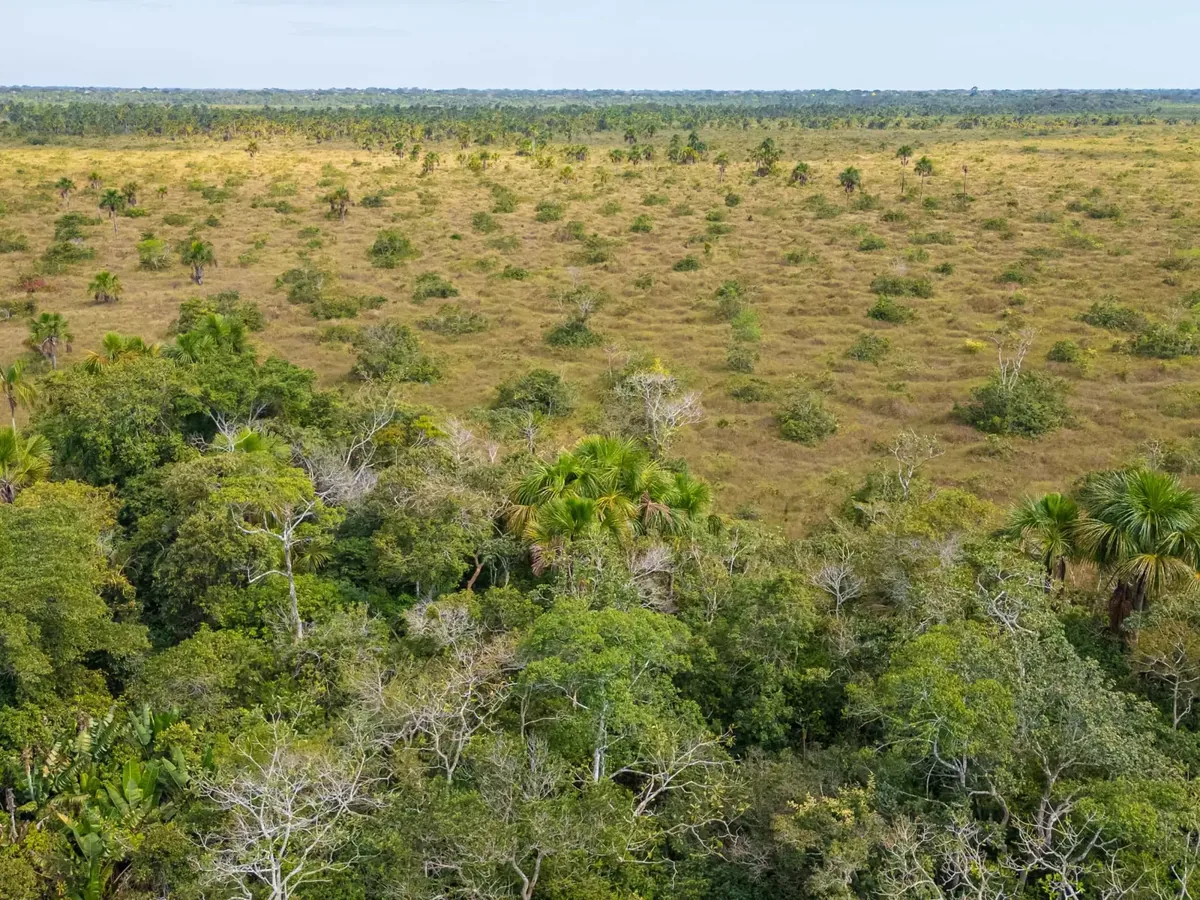
AT A GLANCE
Match habitat, activities, accommodation and transfers to your priorities before booking.
Compare time to pause, boat comfort and the guide’s approach to wildlife.
Confirm facilities, rest spaces and practical access for your group.
Compare a focused stay with a combination that gives both settings time.
Pampas del Yacuma is a municipal protected area in Santa Rosa del Yacuma, Beni. WCS describes a mosaic of flooded savannas, wetlands, forest islands and gallery forest shaped by annual flooding. This is the starting point for understanding a pampas stay: water and habitat matter as much as an activity list.
A route along the Yacuma is a different experience from a Madidi forest stay. Use the forest versus pampas guide to compare the environments before selecting a package. Ask where your accommodation sits within the proposed route and which areas the guide will actually explore with you.
Use a sample day to understand the balance between moving and observing. Ask whether outings include pauses beside the riverbank, time for the guide to explain habitats and opportunities to return to an interesting stretch. A long boat journey and a carefully paced observation outing are not necessarily the same thing.
Explain whether you enjoy broad landscapes, birds, photography or watching animal behavior. Ask about the boat seating, shade arrangements and the length of uninterrupted outings. These details help you judge comfort without assuming that every visitor wants the same pace or spends the whole day away from the base.
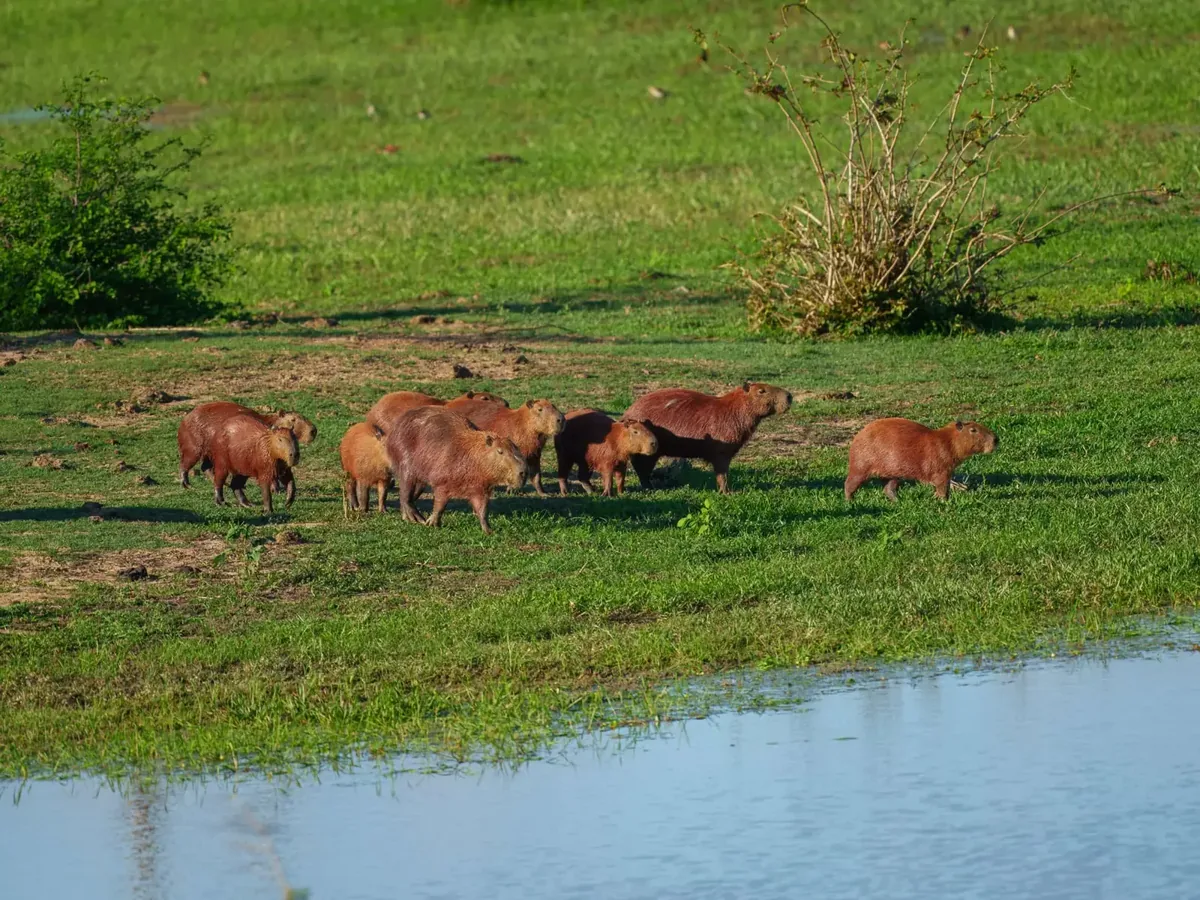
WCS records Bolivian river dolphins, caimans, river turtles and marsh deer among the protected area’s wildlife. Their presence in the wider landscape does not promise an encounter on your route. The capybara image illustrates an observation interest; choose a trip for its habitat and guiding rather than a guaranteed photograph.
Ask how the guide keeps distance, limits noise and avoids disturbing animals. Do not feed wildlife, handle animals for pictures or request staged encounters. If an itinerary promotes an interaction rather than observation, ask what happens and choose a viewing approach that allows the animal to leave freely.
The Rurrenabaque guide helps separate your town stop from the experience outside town. Have the proposal identify the meeting point, the road and river stages, who accompanies each transfer and where the overnight base is located. The destination label alone does not explain the arrival day.
Confirm current arrangements for your dates, including the handling of changed conditions and missed connections. Keep an onward connection separate from an optimistic sample itinerary until the provider has confirmed the return plan. This guide does not publish fixed driving times, boat schedules or guaranteed departure services.
Annual flooding is part of the landscape’s ecology. Ask the provider how conditions during your dates affect the route and the activities available from the accommodation. A photograph taken in one season is an illustration, not a forecast of the water level or the appearance of every riverbank during your stay.
Request the alternatives if a planned outing cannot operate as described. Compare the decision process, the guide’s communication and the effect on transfers rather than looking for a single month that guarantees everything. Let the current local situation inform the final route while keeping your main interests clear.
Confirm the room and bathroom arrangement, mosquito protection, electricity availability, meals and where you can rest between outings. Ask how luggage reaches the accommodation and what you need within reach during transfers. A comfortable daily rhythm depends on these practical details as well as the activities themselves.
For children or travelers who need extra support, discuss boarding boats, steps and walking surfaces specifically. Explain essential dietary and access requirements before payment. Written answers make it easier to compare proposals and prevent a general description such as comfortable or family friendly from standing in for actual facilities.
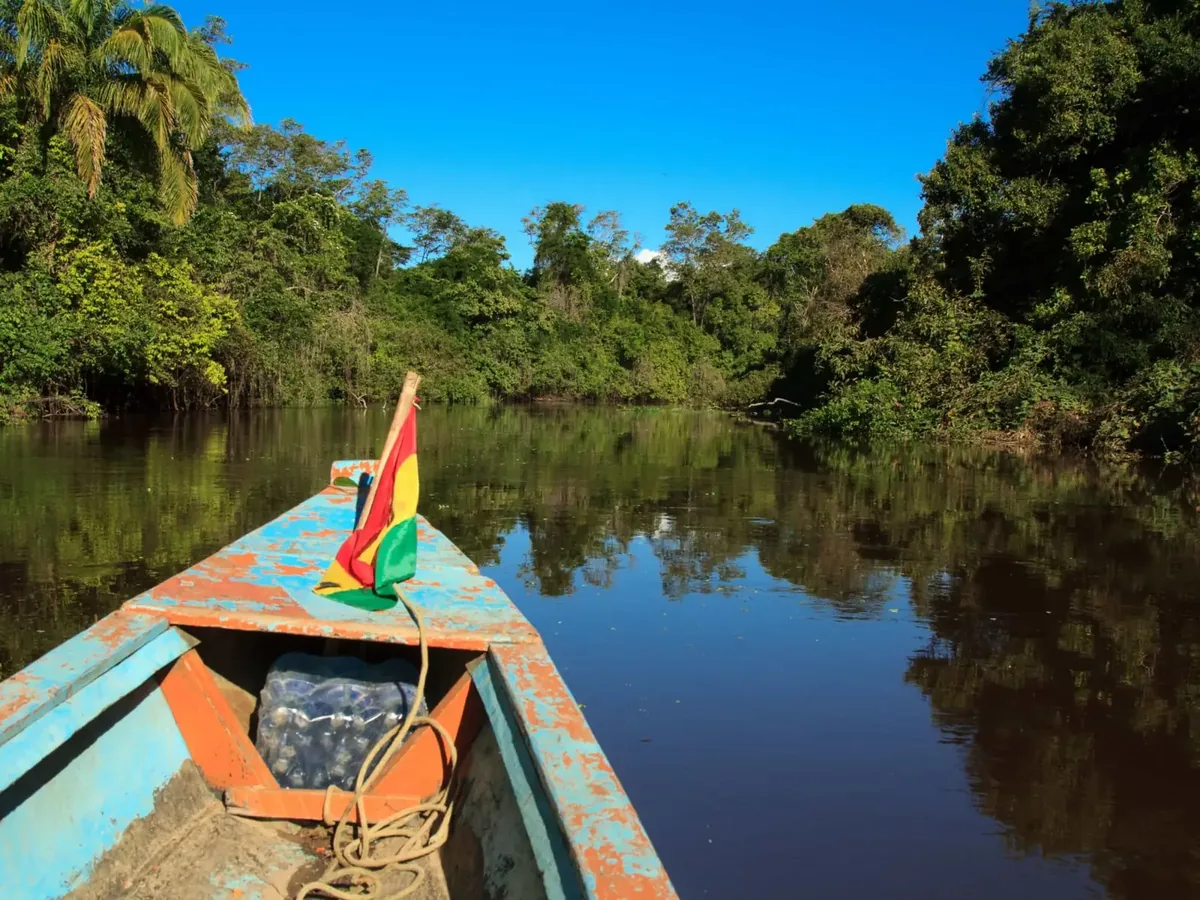
A wildlife outing is worthwhile beyond its largest animals. Ask whether the guide can pause for birds and habitat details, and whether your group’s interests can influence the pace. For photography, discuss where equipment can be kept dry and how you can observe without blocking other guests or asking the boat to approach too closely.
Leave room for quiet stretches, changing light and ordinary animal behavior. Keep expectations realistic and use binoculars to enjoy a distant view. Landscape images illustrate observation settings without promising particular water levels, animals or accessible riverbanks during your visit.
A pampas stay can be the focus of your journey or one part of a combination. Compare a focused version with an itinerary that adds Madidi. Look at the changeover, accommodation moves and the time available for meaningful outings after each arrival. More destinations do not automatically mean more useful exploration.
If both environments interest you, name the reason for each: forest walks in one and riverbank observation in the other, for example. Use the Bolivia planning guide to organize the complete arrival-to-departure outline. Prioritize the setting you value most if the combination leaves either experience too compressed.
Ask for a quote that separates guiding, accommodation, meals, transport and any entry or activity charges. Compare the same room arrangement, group size and observation time before judging price. Clarify what remains payable locally and whether optional activities change the route or reduce time for your main interests.
Send your dates, number of guests, arrival outline and essential comforts with your inquiry. Ask for cancellation terms, weather-related changes and the return arrangements in writing. A clear proposal gives you enough information to decide; it should not depend on a dramatic wildlife list to explain its value. Review the combined journey guide and accommodation guide to clarify overnight bases and changeovers within the route. Use the timing guide and wildlife guide to connect conditions and observation interests with the route. Use the access guide and packing guide to prepare connections and essentials around your selected activities.
The municipal protected area is in Santa Rosa del Yacuma, in Bolivia’s Beni department. Confirm the accommodation and specific route in your proposal.
No. The regional destination distinguishes the pampas’ flooded-savanna setting from Madidi rainforest.
WCS records both in the protected area, but sightings on an individual outing are not guaranteed. Choose respectful observation.
Compare usable outing time after arrival and before return travel. The selected base, transfers and interests determine a suitable duration.
Share your dates, interests and requirements to compare a focused stay with a well-paced combination.
Share your plansBolivia overview · Plan your journey · Rurrenabaque · Madidi · Forest or pampas · Forest and pampas · Accommodation · When to visit · Wildlife · Getting there · What to pack
Editorial review: October 7, 2026. Sources support destination characteristics; trip-planning recommendations are editorial guidance. Confirm current services, routes and conditions before booking. Images illustrate landscapes and experiences; they do not identify booked properties or guarantee sightings.